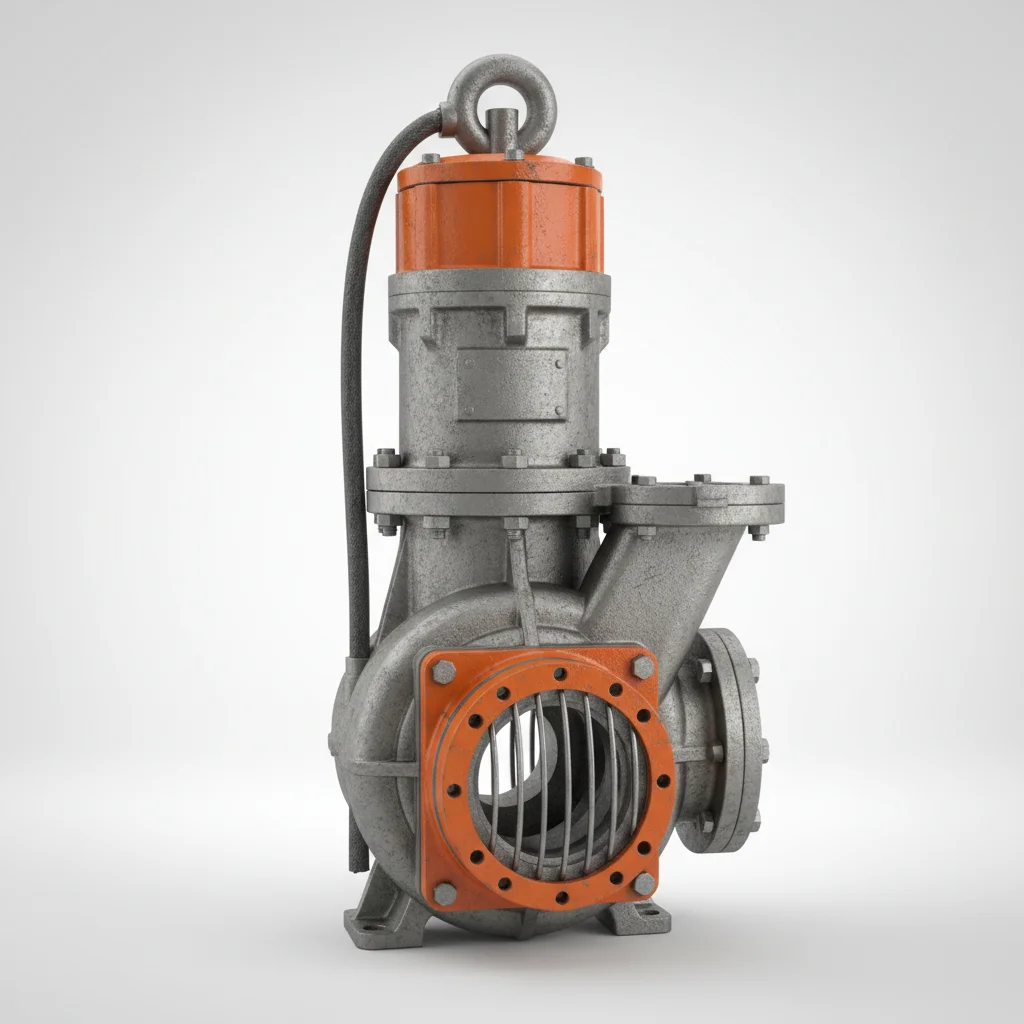
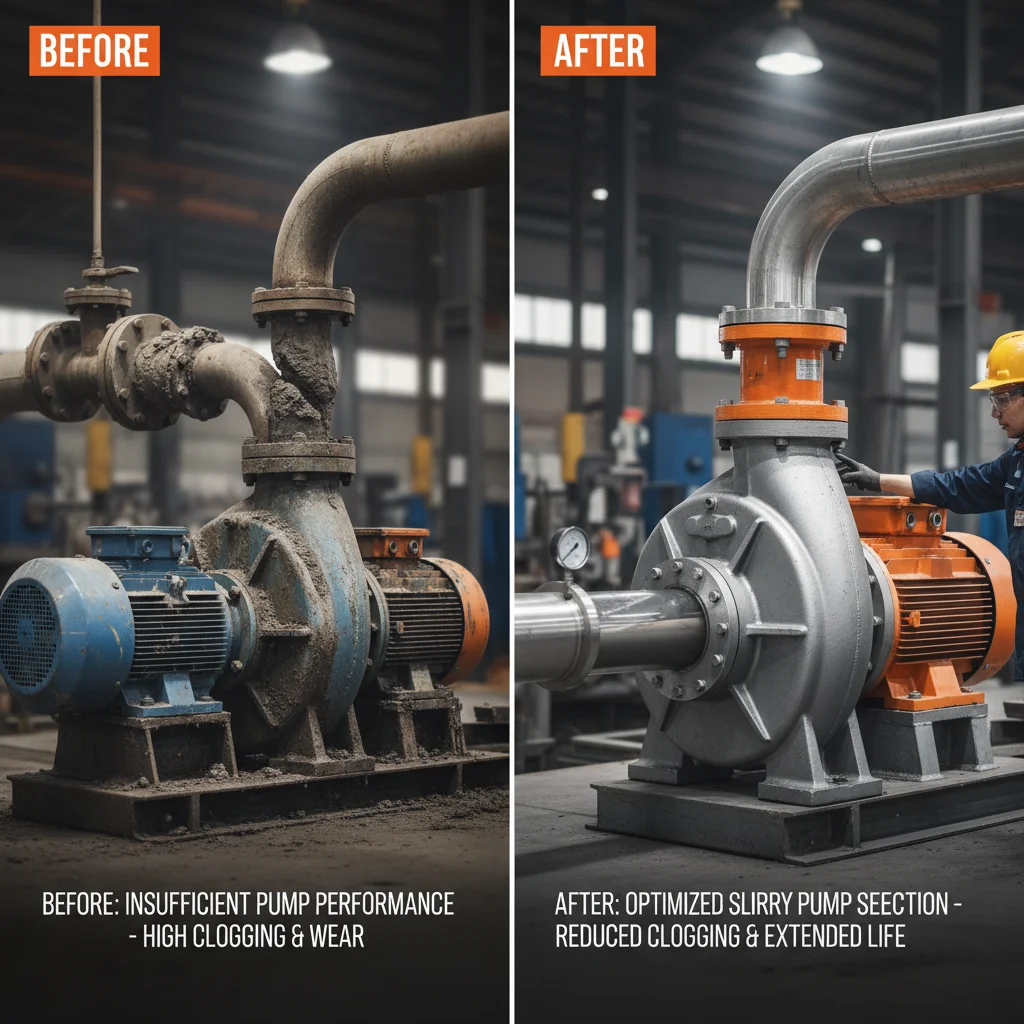
In the demanding landscape of mineral processing, the efficient transport of abrasive materials is critical to operational uptime. While many industries rely on a standard cast iron sump pump for basic drainage, the flotation process requires a far more specialized approach to handle heavy froth slurries without air-locking.
The challenge of managing high-viscosity froth often leads to pump cavitation and frequent maintenance failures in traditional systems. By implementing advanced vertical designs and specialized foam-elimination technology, industrial operators can transform a volatile process into a stable, high-volume transport stream.
Understanding the distinction between a general-purpose cast iron sump pump and a dedicated froth pump like the HAF Series is essential for reducing OPEX and maximizing the recovery rates of valuable minerals in global mining operations.
The Engineering Logic of the HAF Froth Pump
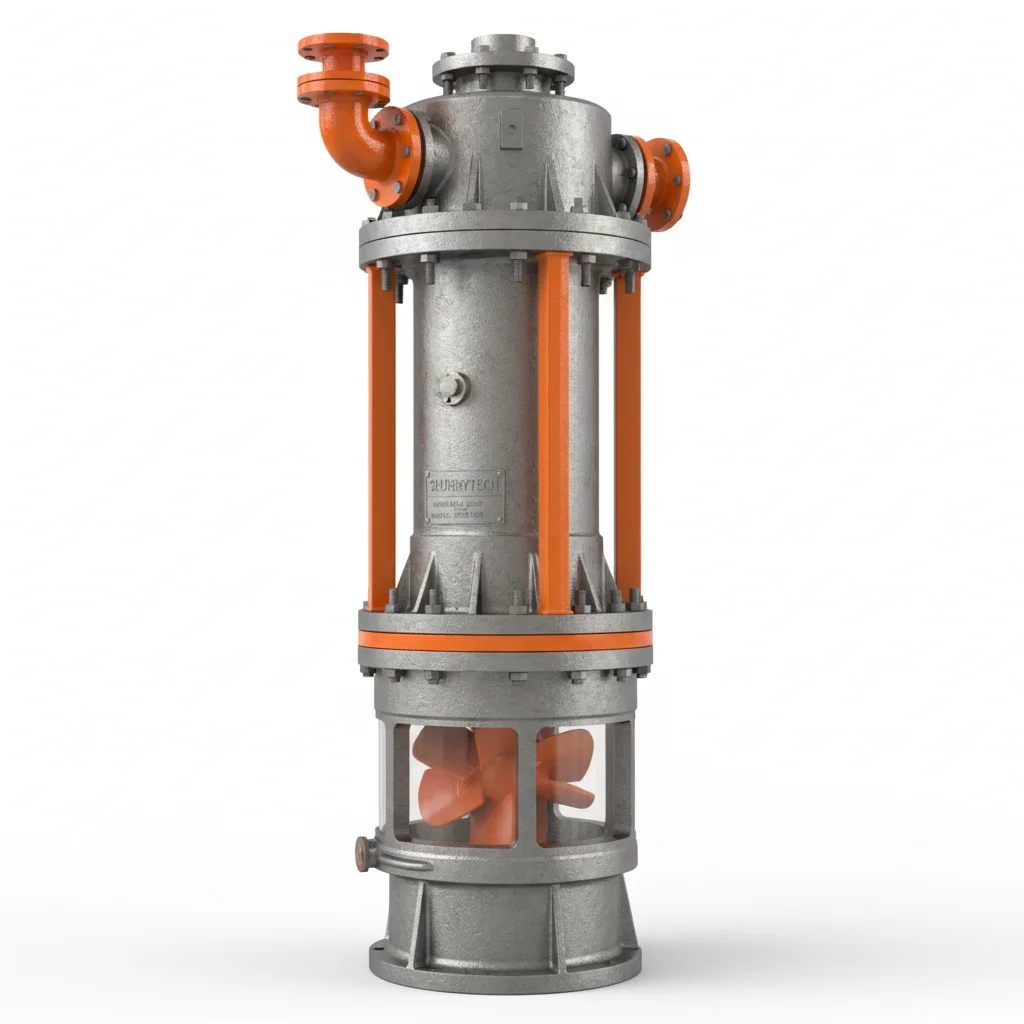
The HAF Series Vertical Froth Pump is meticulously engineered to solve the primary failure point of a standard cast iron sump pump when used in mineral processing: the presence of air and foam. By integrating a sophisticated double pump shell structure and a specialized hopper feeding box, the HAF series actively eliminates foam from the slurry, preventing the dreaded "air-lock" that halts production lines.
Unlike traditional horizontal configurations, the vertical design provides a significantly more compact footprint. This spatial efficiency allows mining facilities to optimize their layout without sacrificing the ability to transport heavy froth slurries at high volumes, reaching flowrates of up to 11,400 m³/h.
Global Demand for High-Volume Slurry Handling
Across global mining hubs from Australia to South America, the need for reliable slurry transport is paramount. Industrial standards, often guided by ISO durability benchmarks, demand equipment that can withstand 24/7 operation in corrosive environments. While a basic cast iron sump pump might suffice for clear water drainage, mineral froth requires a pump that can handle varying material levels without losing prime.
The global shift toward higher-tonnage processing means that pumps must now handle larger discharge diameters, ranging from 50mm to 550mm. This scalability is essential for large-scale copper, gold, and iron ore flotation circuits where any downtime results in massive financial losses.
The primary challenge addressed by the HAF series is operational instability. In many traditional setups, insufficient incoming material leads to pump cavitation; however, the HAF's specialized feeding box ensures that the pump works normally even during feed fluctuations, maintaining a steady state of flow.
Core Components for Extreme Wear Resistance
To outperform a standard cast iron sump pump in abrasive environments, the HAF series employs a strategic selection of premium materials for all critical flow components. Depending on the specific chemistry of the slurry, users can choose between hard nickel, high chromium alloys, or high-grade rubber.
The heart of the system is the semi-open impeller with integrated vanes. This geometry is specifically designed to move thick, high-viscosity froth slurries efficiently, reducing the internal friction and turbulence that typically wear down the internal walls of a conventional cast iron sump pump.
Furthermore, the structural integrity is reinforced by a steel plate hopper and a double-shell design. This ensures that the pump can withstand the mechanical stress of heavy mineral loads while providing the necessary flexibility in installation, with outlet positions adjustable at 45-degree intervals.
Performance Metrics vs Standard Sump Solutions
When comparing the HAF Series to a general cast iron sump pump, the most striking difference lies in the handling of air-entrained liquids. Standard pumps often struggle with "air binding," where the impeller spins in a pocket of air, losing all suction. The HAF series eliminates this risk through its active foam removal system.
Beyond foam handling, the HAF series offers a maximum head of 80m, allowing for significant vertical lift in complex mine architectures. This capability, combined with its seal-less shaft system, reduces the frequency of maintenance interventions that typically plague lower-tier pumping solutions.
HAF Froth Pump vs Standard Cast Iron Sump Pump Performance
Industrial Applications in Flotation Processes
In the heart of a mineral flotation circuit, the HAF series serves as the critical link between the flotation cells and the thickening tanks. While a standard cast iron sump pump is designed for simple liquid movement, the HAF pump is built to transport the concentrated mineral "froth" that contains the valuable ore.
This application is common in remote industrial zones where reliability is non-negotiable. By utilizing a seal-less shaft system, the HAF series removes the most common point of leakage, ensuring that hazardous slurry does not contaminate the surrounding environment—a critical requirement for modern ESG (Environmental, Social, and Governance) compliance in mining.
Operational Stability and Maintenance Innovation
The shift from a traditional cast iron sump pump to the HAF series represents a move toward "predictive" rather than "reactive" maintenance. The use of hard nickel and high chromium alloys ensures that wear rates are predictable and slow, allowing operators to schedule liner inspections based on actual operational hours.
Integration with modern sensor arrays allows for real-time monitoring of flowrate and head efficiency. When these metrics fluctuate, operators can identify wear patterns before a catastrophic failure occurs, a level of sophistication not found in basic sump installations.
Furthermore, the lack of shaft seals drastically reduces the downtime associated with seal replacement. In high-volume operations, removing the need for frequent seal maintenance can save hundreds of man-hours per year and eliminate the cost of expensive replacement parts.
Investment Return and Lifecycle Analysis
Evaluating the ROI of the HAF series requires looking beyond the initial purchase price. While a basic cast iron sump pump may have a lower upfront cost, the Total Cost of Ownership (TCO) is often much higher due to frequent replacements and operational instability.
The HAF series optimizes the lifecycle cost through premium alloys and a design that prevents cavitation. By ensuring that the flotation line does not shut down during feed fluctuations, the pump directly increases the total tonnage of mineral processed per day.
When considering the compact vertical design, the reduction in required floor space and piping complexity further lowers the initial installation costs, providing a logical and financial advantage over horizontal alternatives.
Comparative Analysis of HAF Froth Pump vs Standard Pumping Systems
| Metric Dimension |
Standard Sump Pump |
HAF Froth Pump |
Operational Impact |
| Foam Handling |
Prone to Air Lock |
Active Elimination |
Continuous Flow |
| Seal Maintenance |
Frequent Replacement |
Seal-less Design |
Lower OPEX |
| Footprint |
Large Horizontal |
Compact Vertical |
Space Optimization |
| Material Wear |
Rapid Abrasion |
High Chrome/Nickel |
Extended Lifespan |
| Feed Sensitivity |
High (Requires Constant) |
Low (Stable) |
Process Reliability |
| Installation |
Fixed Orientation |
45° Adjustable Outlet |
Piping Flexibility |
FAQS
Unlike a standard cast iron sump pump, the HAF series is specifically engineered for froth slurries. It features a unique double shell structure and a hopper feeding box that actively eliminates foam. This prevents air-lock and ensures continuous operation in flotation processes, whereas standard pumps often fail when air is introduced into the slurry.
Depending on the abrasiveness and corrosiveness of your medium, we offer flow parts made of hard nickel, high chromium alloys, or high-grade rubber. These materials are far more durable than the standard materials used in a basic cast iron sump pump, significantly extending the service life of the impeller and liners.
No, the HAF series is designed with a seal-less shaft system. This is a major innovation over the traditional cast iron sump pump, as it eliminates a primary failure point. By removing the seal, we reduce maintenance downtime and completely eliminate the risk of hazardous slurry leakage at the shaft.
The HAF series offers exceptional flexibility. The pump outlet position can be adjusted at 45-degree intervals. This allows for precise alignment with existing piping infrastructure, reducing the need for expensive modifications that are often required when installing a standard horizontal pump or a basic cast iron sump pump.
Yes. The HAF series is specifically engineered to work normally even when incoming material levels are insufficient. This ensures that the mineral processing line does not shut down during feed fluctuations, providing a level of operational stability that a standard cast iron sump pump cannot match.
The HAF series is highly scalable to meet various industrial needs. It offers a wide range of capacities, with the maximum flowrate reaching up to 11,400 m³/h and a maximum head of 80m, making it suitable for everything from pilot plants to the world's largest mining operations.
Conclusion
The transition from a general cast iron sump pump to the HAF Series Vertical Froth Pump is a strategic investment in operational stability. By solving the critical issues of foam-induced air-lock and extreme abrasive wear through a seal-less design and premium alloy construction, the HAF series ensures that mineral processing lines remain productive regardless of feed fluctuations.
As the mining industry moves toward greater automation and higher efficiency, adopting specialized equipment that minimizes downtime and optimizes floor space is no longer optional—it is a competitive necessity. We recommend a comprehensive audit of your current slurry transport system to identify where froth-specific engineering can reduce your OPEX and increase your overall recovery rate.