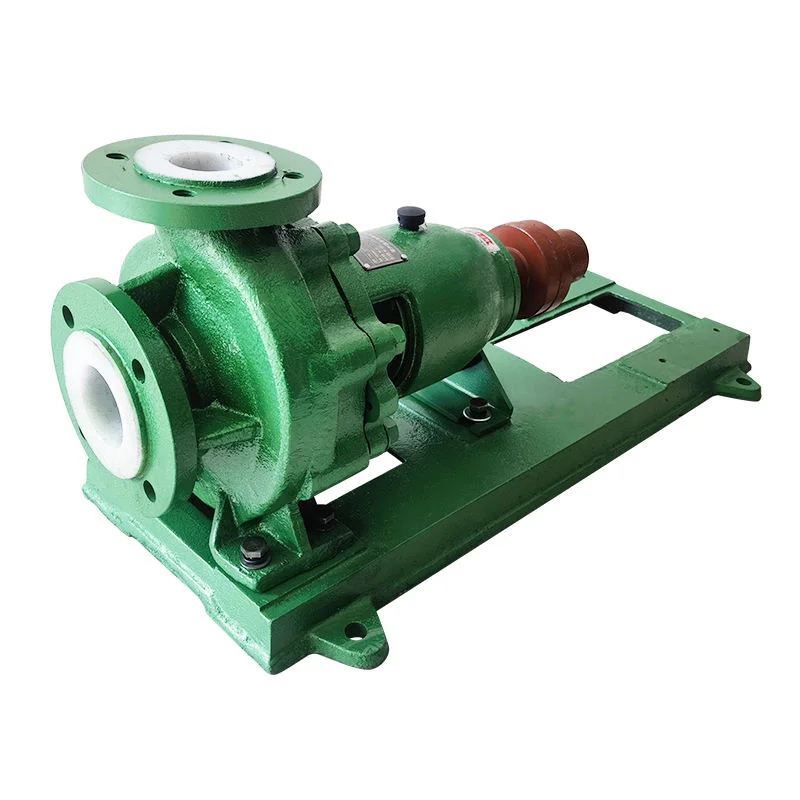
Choosing the Right Slurry Pumps for Your Application
Selecting the appropriate slurry pump is crucial for efficient and reliable operation in various industrial applications. These pumps are specifically designed to handle abrasive and highly viscous fluids, commonly found in mining, wastewater treatment, and chemical processing. This article will provide a comprehensive guide to understanding different types of slurry pumps, their applications, key considerations for selection, and the advantages of choosing HiHorn Pump for your pumping needs. Proper pump selection minimizes downtime, reduces maintenance costs, and optimizes overall process efficiency.
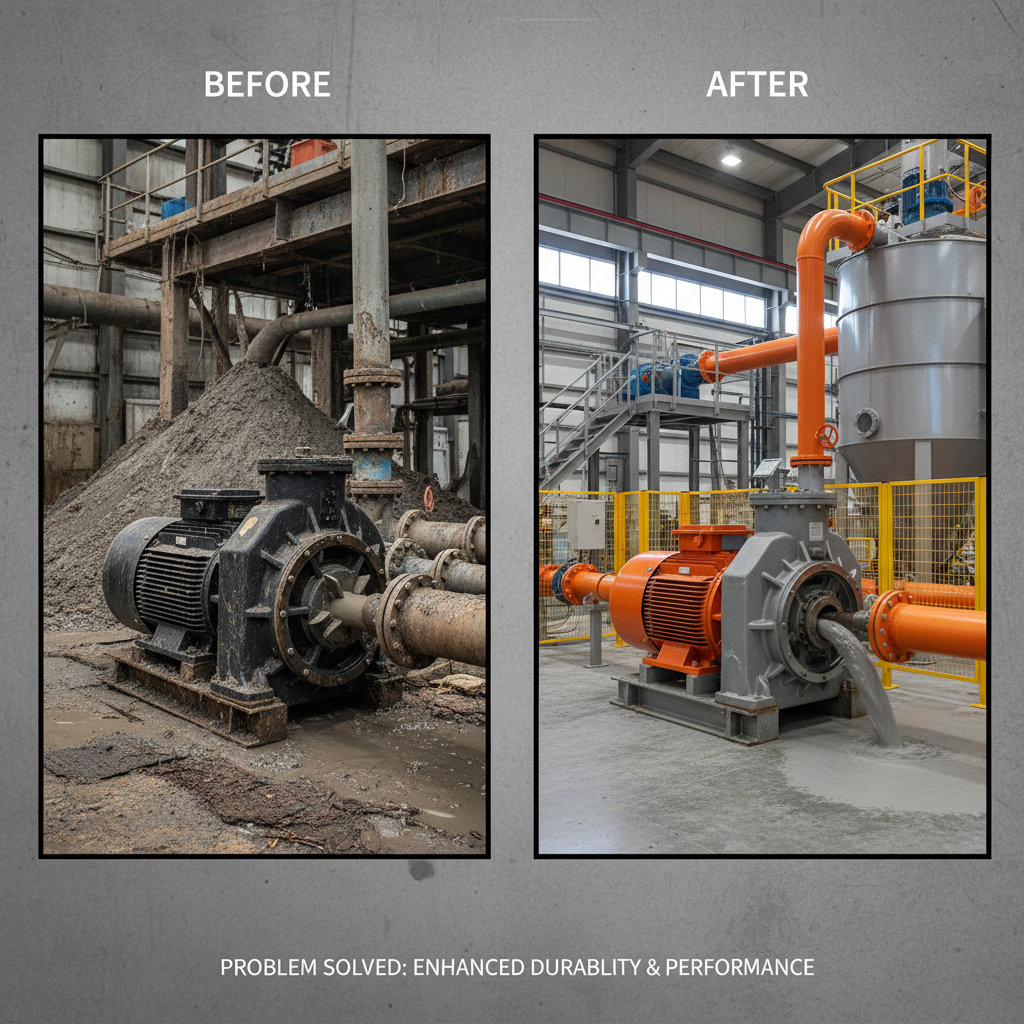
Understanding Different Types of Slurry Pumps
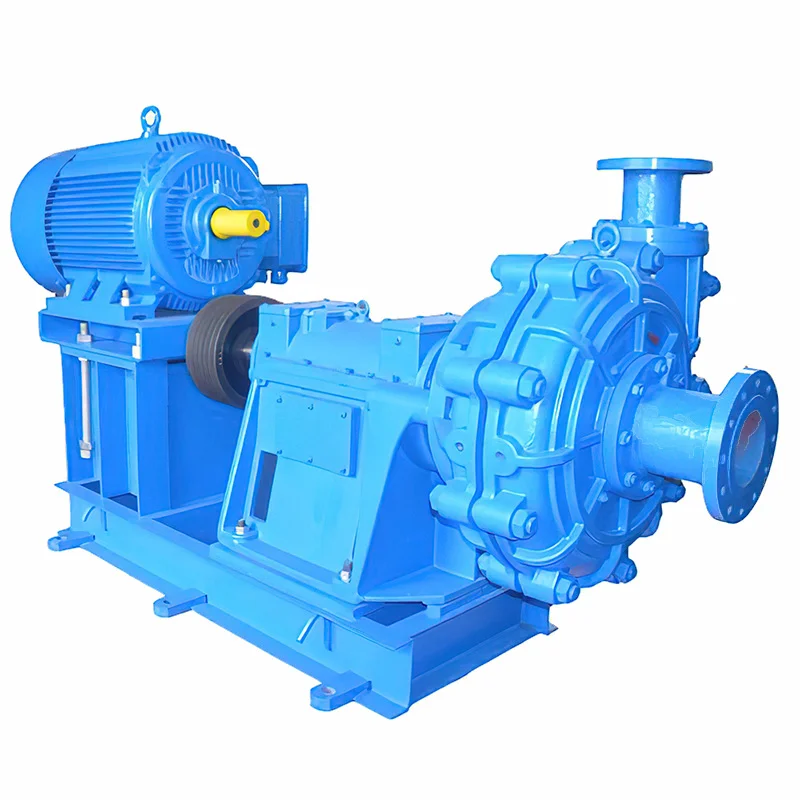
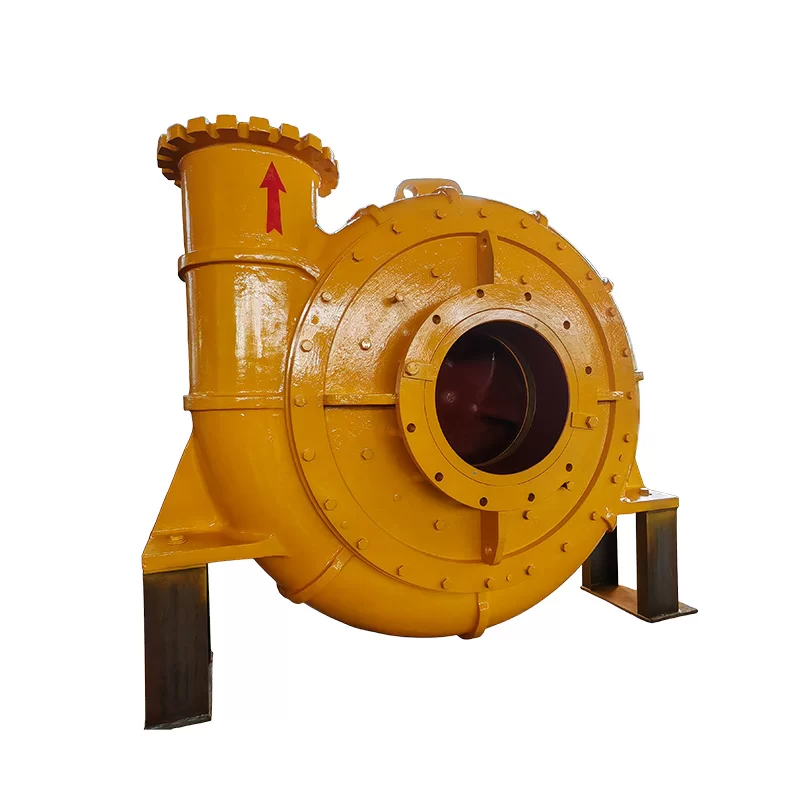
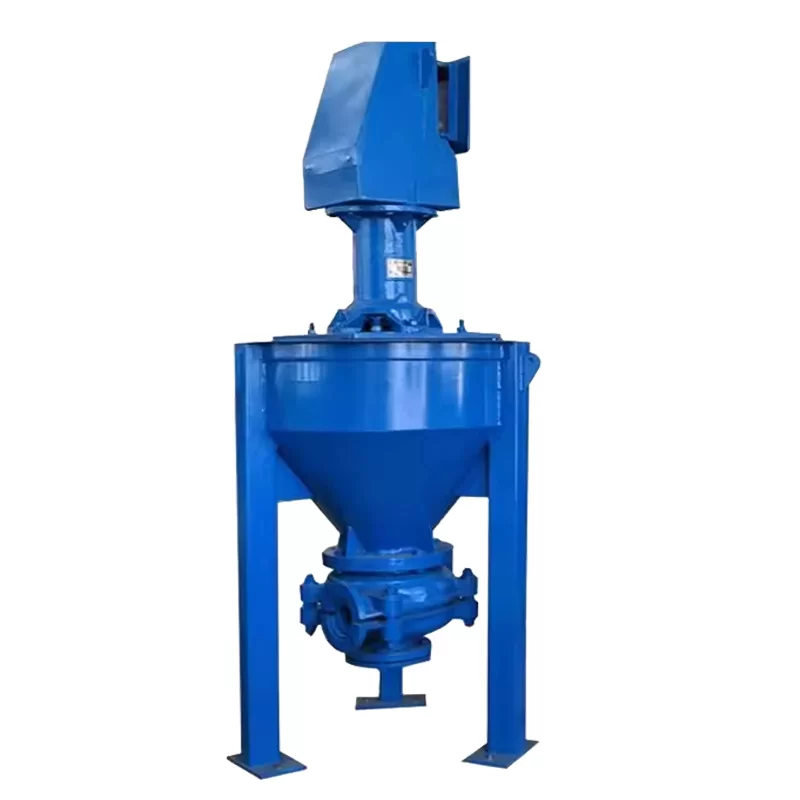
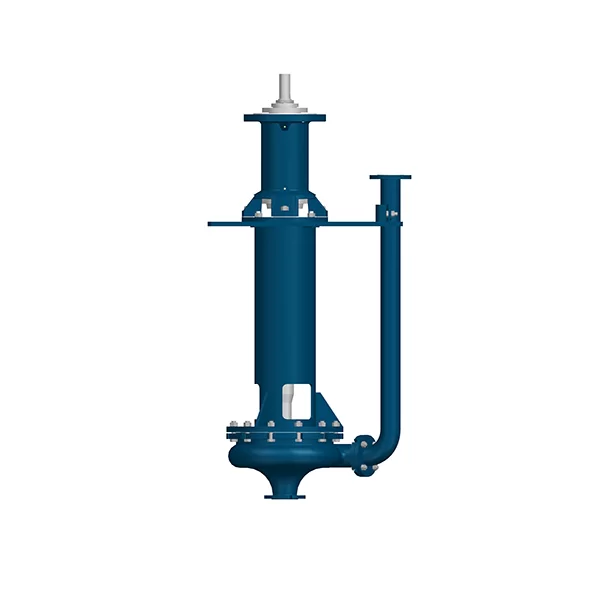
Slurry pumps come in several designs, each suited to specific application requirements. Centrifugal slurry pumps are the most common, known for their high flow rates and relatively low cost. Positive displacement pumps, such as diaphragm and peristaltic pumps, excel in handling highly viscous slurries and delivering consistent flow. Additionally, vortex pumps are effective in managing slurries with large solids content, minimizing clogging. The choice depends heavily on the slurry's characteristics (particle size, concentration, abrasiveness) and the system's pressure and flow rate needs. HiHorn Pump offers a wide range of these types to cover diverse industrial applications.
Key Pump Types: Centrifugal, Positive Displacement (Diaphragm, Peristaltic), Vortex. Each type possesses unique characteristics optimized for specific slurry compositions and application demands.
Key Considerations When Selecting Slurry Pumps
Several critical factors influence the selection of a slurry pump. The slurry's specific gravity and viscosity directly impact the pump's required power and head. The solid particle size and concentration determine the pump's abrasion resistance and potential for clogging. The flow rate and discharge head requirements dictate the pump's capacity. Furthermore, the operating temperature, chemical compatibility of the slurry with pump materials, and environmental regulations must be considered. Thoroughly evaluating these factors ensures optimal pump performance and longevity. HiHorn Pump's engineers can assist in a detailed application analysis to determine the ideal pump for your needs.
Selection Factors:
• Slurry Specific Gravity & Viscosity
• Solid Particle Size & Concentration
• Flow Rate & Discharge Head
• Operating Temperature & Chemical Compatibility
Comparing Common Slurry Pump Materials
The materials of construction are vital for a slurry pump's durability and resistance to corrosion and abrasion. High-chrome alloys are frequently used for impellers and liners due to their exceptional wear resistance. Rubber linings provide excellent corrosion protection, particularly in acidic or alkaline slurries. Stainless steel offers good corrosion resistance but may not be as abrasion-resistant as high-chrome alloys. The best material depends on the specific chemical composition and abrasive nature of the slurry. Below is a comparison of common materials:
Applications of Slurry Pumps in Various Industries
Slurry pumps play a critical role across numerous industries. In mining, they handle ore slurries and tailings. Wastewater treatment plants rely on them for transferring sludge and grit. Chemical processing uses them for moving abrasive chemicals and by-products. The paper and pulp industry utilizes them for handling wood pulp and fiber slurries. Proper pump selection ensures optimal performance and minimizes operational costs in each application. HiHorn Pump has a proven track record of providing reliable solutions for these diverse industries.
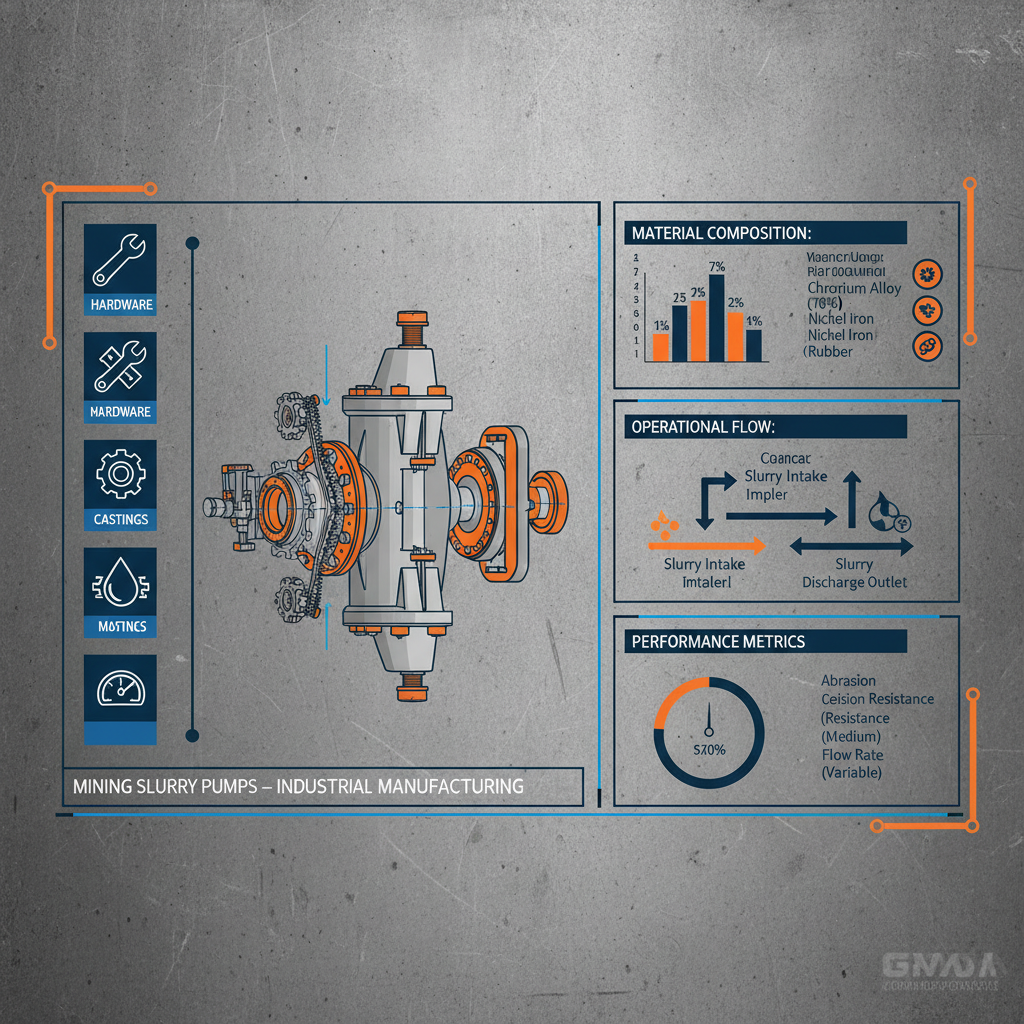
Why Choose HiHorn Pump for Your Slurry Pumping Needs?
HiHorn Pump is a leading manufacturer of high-quality slurry pumps. We offer a comprehensive range of pumps designed to handle the most challenging slurry applications. Our pumps are engineered for durability, efficiency, and reliability. We provide customized solutions tailored to your specific requirements, backed by expert technical support and prompt after-sales service. We also provide a diverse range of pump parts, ensuring easy maintenance. With a commitment to innovation and customer satisfaction, HiHorn Pump is your trusted partner for all your slurry pumping needs.
Conclusion: Reliable Slurry Pumping with HiHorn Pump
Choosing the right slurry pump is an investment in the longevity and efficiency of your operations. HiHorn Pump provides the expertise, quality, and support you need to select the ideal pump for your application. Contact us today to discuss your requirements and experience the HiHorn Pump difference.
Frequently Asked Questions (FAQs)
What maintenance is required for slurry pumps?
Regular maintenance is critical for maximizing slurry pump life and performance. This includes routine inspections of the impeller, liners, seals, and bearings. Periodic lubrication of bearings and monitoring of pump vibration levels are essential. It's also important to check for wear and tear on the pump casing and piping. Replacing worn parts promptly prevents further damage and ensures consistent operation. HiHorn Pump offers comprehensive maintenance services and provides readily available replacement parts.
How do I prevent clogging in my slurry pump?
Preventing clogging involves several strategies. Ensure the slurry is properly pre-treated to remove oversized solids. Select a pump designed for handling slurries with high solids content, such as a vortex pump. Maintain appropriate flow rates and avoid operating the pump at excessively low speeds. Regularly inspect and clean the pump's suction line and impeller to remove any accumulated debris. HiHorn Pump offers pumps with open impeller designs to minimize clogging potential.
What is the typical lifespan of a HiHorn slurry pump?
The lifespan of a HiHorn slurry pump varies depending on the severity of the application and the maintenance schedule. However, with proper maintenance and operation, our pumps typically last 5-10 years or longer. We use high-quality materials and robust construction techniques to ensure durability and reliability. Our pumps are designed for extended service life, minimizing downtime and maximizing return on investment.