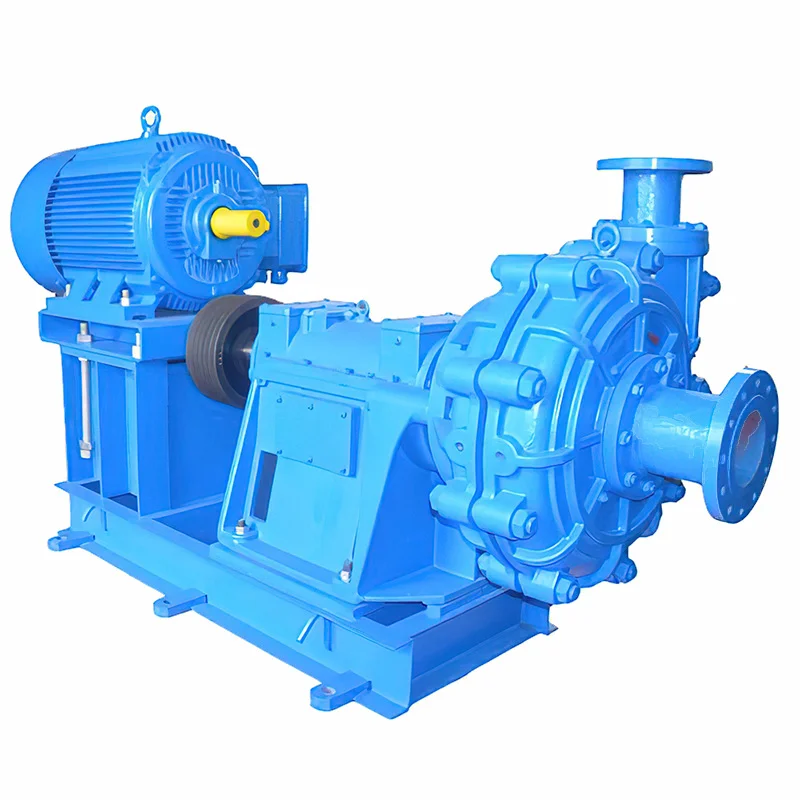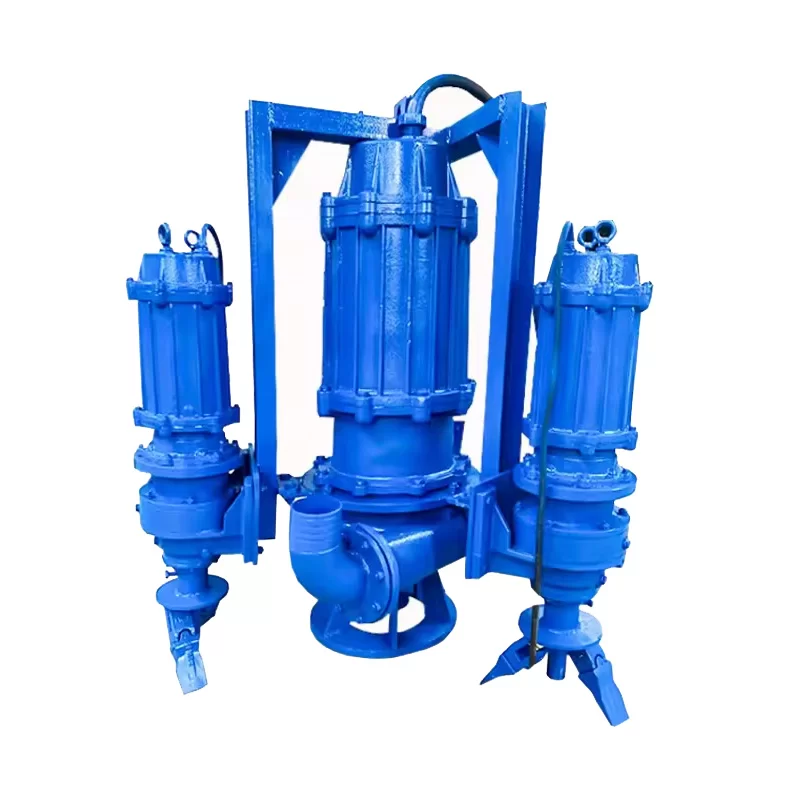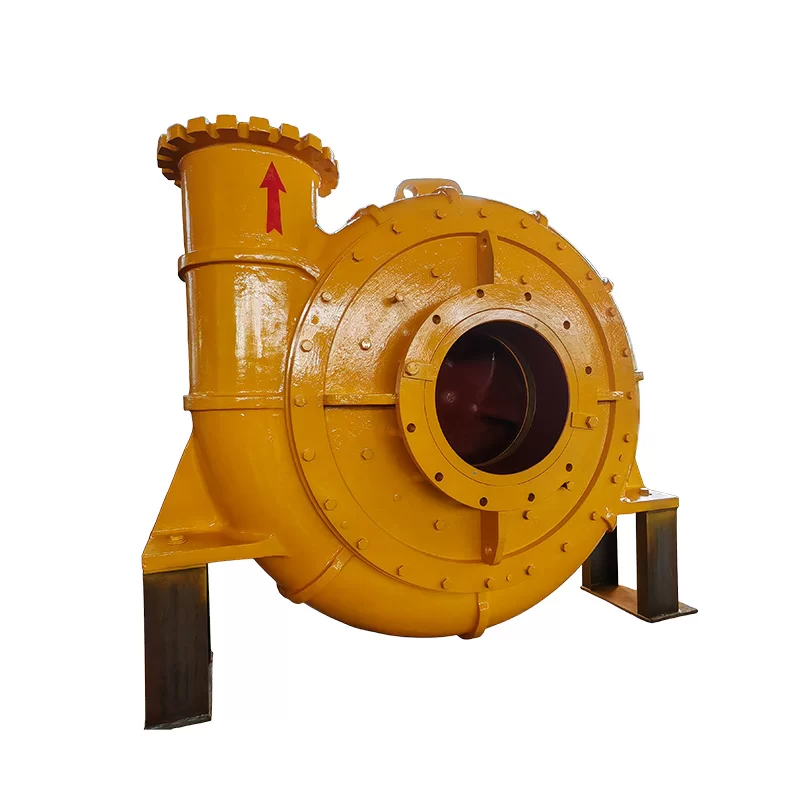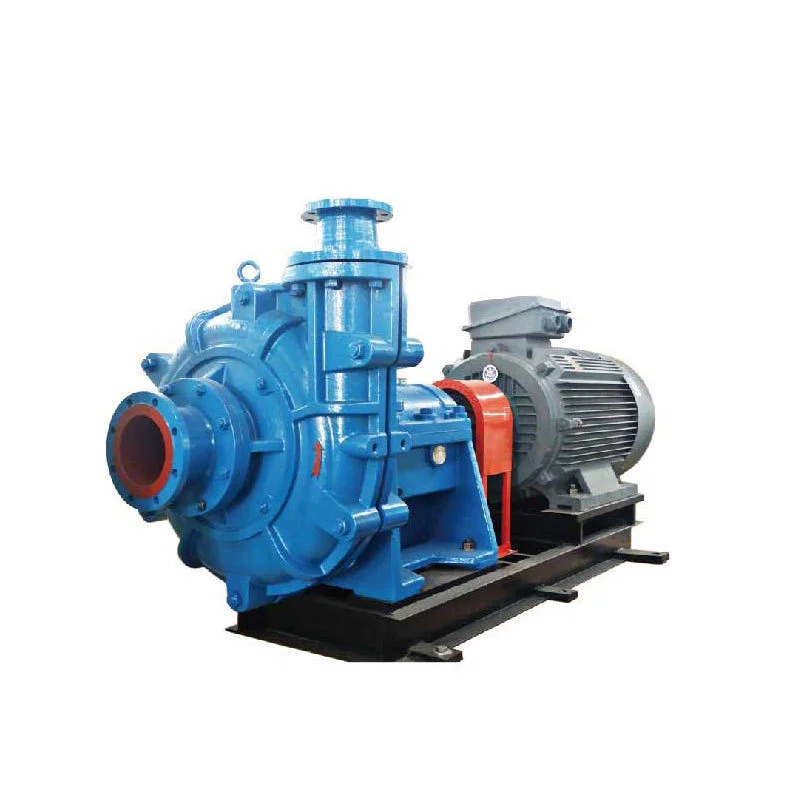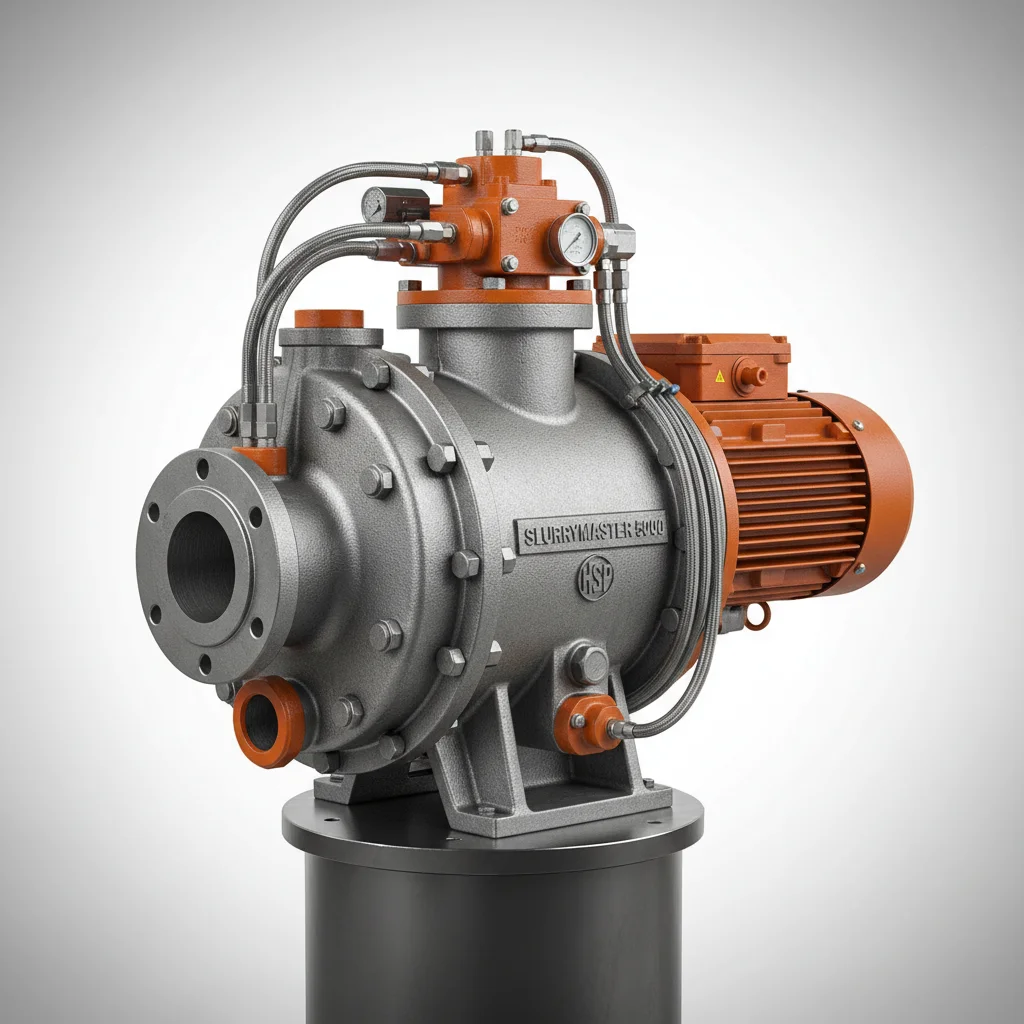
Expert Slurry Pump Services: Ensuring Optimal Performance and Reliability
Slurry pumps are vital components in numerous industries, from mining and wastewater treatment to agriculture and chemical processing. Maintaining their optimal performance is crucial for operational efficiency and cost-effectiveness. This article delves into the world of slurry pump services, covering everything from routine maintenance to comprehensive repairs and upgrades. We’ll explore the importance of preventative care, common issues, and how to choose the right service provider. Selecting the right partner for your slurry pump needs can significantly extend equipment life and minimize downtime.
Understanding the Core of Slurry Pump Services
Slurry pump services encompass a wide array of activities designed to keep these essential machines running smoothly. These services generally fall into three main categories: preventative maintenance, repair services, and performance analysis/upgrades. Preventative maintenance involves routine inspections, lubrication, and parts replacement based on pre-defined schedules. Repair services address unexpected breakdowns and component failures. Performance analysis and upgrades aim to optimize pump efficiency, reduce energy consumption, and enhance overall reliability. Effective slurry pump services can significantly reduce the total cost of ownership.
Key Takeaway: Proactive maintenance is always more cost-effective than reactive repairs. Regular inspections and timely component replacements can prevent catastrophic failures and minimize downtime.
Common Issues Addressed by Slurry Pump Services
Slurry pumps operate in harsh environments and are susceptible to a variety of problems. Common issues include impeller wear, liner damage, seal failures, bearing corrosion, and motor problems. Impeller wear is inevitable due to the abrasive nature of slurries. Liner damage can lead to reduced pump efficiency and increased corrosion. Seal failures can cause leakage and potentially hazardous situations. Bearing corrosion can result in increased vibration and eventual pump failure. A skilled slurry pump service provider will have the expertise and tools to diagnose and address these issues effectively.
Key Areas of Concern:
• Impeller Wear & Corrosion
• Liner Damage & Erosion
• Seal Failures & Leakage
• Bearing Corrosion & Vibration
Choosing the Right Slurry Pump Service Provider
Selecting the right service provider is crucial for maximizing the benefits of slurry pump maintenance and repair. Consider factors such as experience, expertise, availability, and responsiveness. Look for a provider with a proven track record of successfully servicing slurry pumps in your industry. Ensure they employ qualified technicians with specialized training. A 24/7 emergency service is highly valuable for minimizing downtime in critical applications. Finally, assess their commitment to safety and quality.
Advanced Services: Performance Analysis and Upgrades
Beyond routine maintenance and repairs, comprehensive slurry pump services often include performance analysis and upgrade options. This can involve conducting flow rate tests, pressure measurements, and vibration analysis to identify areas for improvement. Upgrades may include replacing impellers with more efficient designs, installing variable frequency drives (VFDs) to optimize energy consumption, or upgrading seals and bearings to enhance reliability. These advanced services can significantly reduce operating costs and extend the lifespan of your pumps.
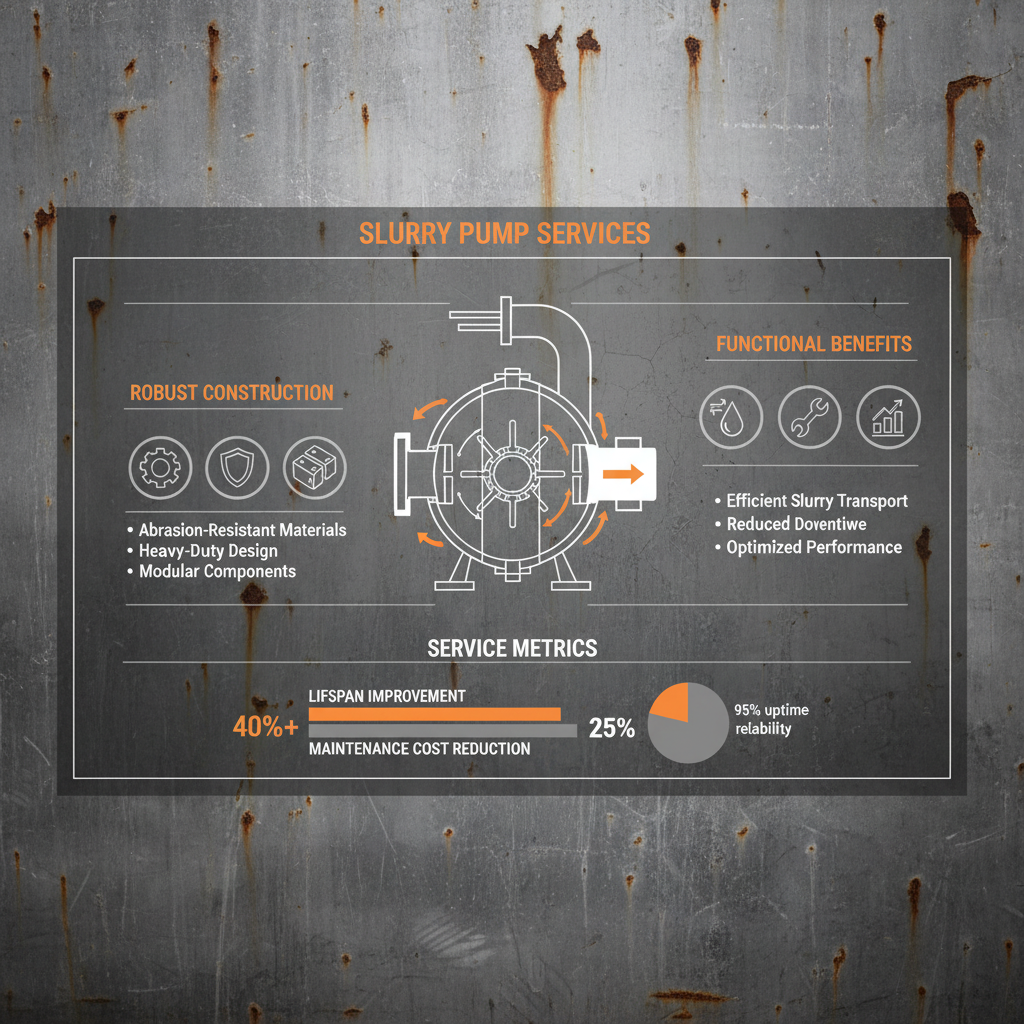
The Value of Preventative Maintenance Programs
Investing in a preventative maintenance program is a proactive approach to ensure long-term reliability and minimize unexpected downtime. A well-structured program should include regular inspections, scheduled lubrication, parts replacement based on usage, and performance monitoring. These programs can be customized to meet the specific needs of your operation and slurry type. Partnering with a reputable slurry pump service provider to develop and implement a preventative maintenance program is a sound investment.
Conclusion: Partnering for Slurry Pump Success
Choosing the right partner for your slurry pump services is a critical decision that impacts your operational efficiency, cost-effectiveness, and safety. From preventative maintenance to complex repairs and performance upgrades, a skilled provider can help you maximize the lifespan and reliability of your equipment. Don't wait for a breakdown – invest in proactive care and ensure the smooth operation of your vital slurry pumping systems.
Frequently Asked Questions (FAQs)
How often should I schedule preventative maintenance for my slurry pump?
The frequency of preventative maintenance depends on several factors, including the type of slurry being pumped, the operating hours, and the pump’s specific design. Generally, a comprehensive inspection and servicing should be performed at least every six months, with more frequent checks for pumps operating under heavy loads or in abrasive environments. A reputable service provider can help you develop a tailored maintenance schedule based on your specific needs. Regular monitoring of pump performance metrics, such as flow rate and pressure, can also help identify potential issues before they escalate.
What is the typical turnaround time for slurry pump repairs?
Turnaround time for slurry pump repairs varies depending on the extent of the damage and the availability of spare parts. Minor repairs, such as seal replacements or bearing adjustments, can often be completed within a few days. More complex repairs, requiring significant component replacement or machining, may take several weeks. A reliable service provider will provide a clear estimate of the turnaround time upfront and keep you informed of progress throughout the repair process. Maintaining a stock of critical spare parts can also help minimize downtime.
Can slurry pump services help improve pump efficiency?
Yes, absolutely. A thorough performance analysis can identify areas where pump efficiency can be improved. This may involve adjusting impeller settings, replacing worn components, or upgrading to more efficient designs. Installing variable frequency drives (VFDs) can also optimize energy consumption by adjusting pump speed to match flow requirements. A qualified service provider can recommend and implement these upgrades to maximize pump performance and reduce operating costs.