
Reliable industrial sump pump Solutions for Canadian Industries

Reliable industrial sump pump Solutions for Canadian Industries

Reliable industrial sump pump Solutions for Canadian Industries

Providing robust and efficient pumping solutions for demanding applications across North America.

Reliable industrial sump pump Solutions

We deliver high-performance pumping solutions engineered for durability and efficiency, specifically tailored to meet the rigorous demands of Canadian industries.

Current Landscape of Slurry Pump Manufacturing in Canada

An overview of the Canadian market and the challenges and opportunities facing slurry pump manufacturers.

Canada's robust mining, oil sands, and wastewater treatment sectors drive significant demand for heavy duty slurry pumps. Geographic challenges, including vast distances and harsh climates, necessitate pumps capable of withstanding extreme conditions and minimizing downtime. The market is characterized by a need for reliable, long-lasting equipment.

The Canadian regulatory environment, particularly concerning environmental protection and emissions, increasingly favors energy-efficient and environmentally responsible pumping solutions. This creates opportunities for manufacturers offering advanced pump technologies and sustainable practices. Supply chain resilience has become critical in recent years, prompting a move towards local sourcing where feasible.

Growing infrastructure projects, including water and wastewater treatment plant upgrades and expansions, contribute to consistent demand for slurry pumps and related services. The focus is shifting towards smart pumping systems with remote monitoring and predictive maintenance capabilities.
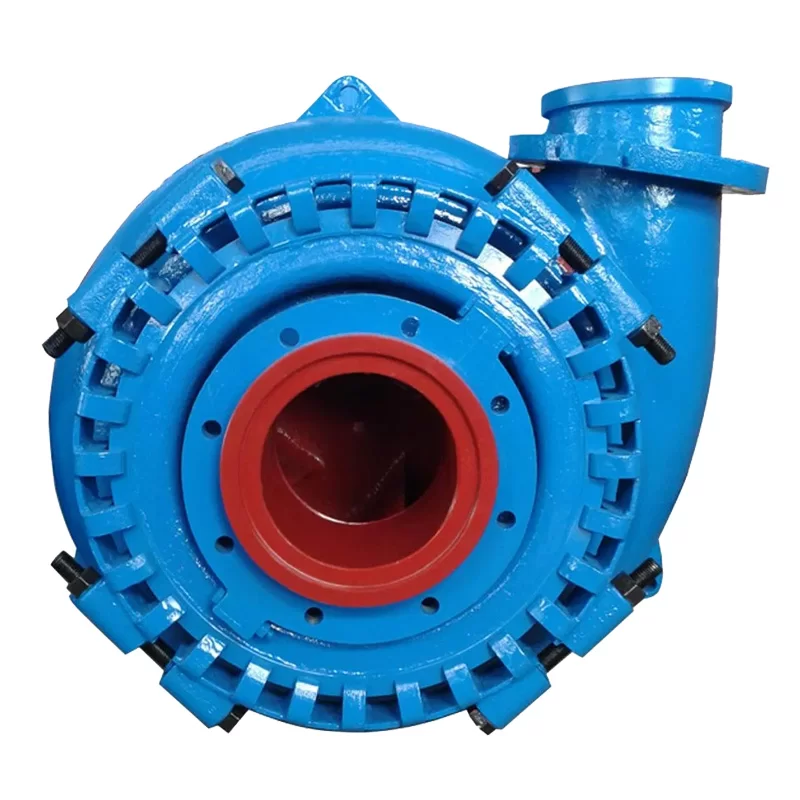
Evolution of Slurry Pump Technology and Market Development

Tracing the advancements in slurry pump technology and its impact on the Canadian market.

Market Development History

Early slurry pump designs (pre-1980s) primarily relied on cast iron construction and basic impeller designs, suitable for handling limited abrasive materials. Maintenance requirements were high, and efficiency was relatively low.

The 1990s saw the introduction of improved materials, such as high-chrome alloys, enhancing abrasion resistance and extending pump life. Hydraulic designs were optimized for better solids handling capacity and reduced clogging. Variable Frequency Drives (VFDs) began to be incorporated for flow control.

From the 2000s to present, advancements in materials science, computational fluid dynamics (CFD), and automated manufacturing have led to the development of highly efficient and durable slurry pumps. The integration of IoT sensors and data analytics enables predictive maintenance and optimized performance.

Future Development Trends

Increased Adoption of Smart Pumping Systems

Remote monitoring, data analytics, and predictive maintenance will become standard features, minimizing downtime and reducing operational costs. Data-driven insights will optimize pump performance and extend service life.

Development of Abrasive Resistant Materials

Continued research into new materials, including ceramics and advanced composites, will further enhance abrasion resistance and reduce wear in harsh environments. Google Trends shows increasing search volume for "wear resistant slurry pump materials" (+15% YoY).

Focus on Energy Efficiency and Sustainability

Demand for energy-efficient pumps and solutions that minimize environmental impact will continue to grow. Manufacturers will focus on reducing energy consumption and minimizing water usage. Google Trends reveals a surge in searches for “energy efficient slurry pumps” (+20% YoY).

Industry Trends and Future Outlook for Slurry Pumps in Canada

Exploring the future of slurry pump technology and its implications for Canadian industries.

Predictive Maintenance Integration
The integration of IoT sensors and machine learning algorithms will enable proactive maintenance scheduling, minimizing downtime and optimizing pump performance.
Enhanced Material Science
Continued development of wear-resistant materials, including advanced ceramics and alloys, will extend pump life and reduce maintenance costs in abrasive applications.
Increased Demand for Submersible Pumps
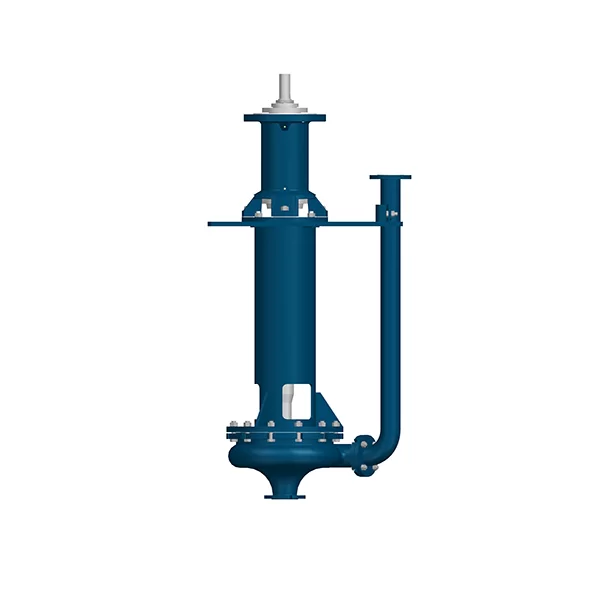
The growing need for dewatering solutions in mining and construction will drive demand for reliable and efficient submersible sump pump.
Focus on Sustainability
Environmental regulations will push for pumps with lower energy consumption, reduced emissions, and sustainable manufacturing processes.

Industry Outlook

The Canadian slurry pump market is expected to grow at a compound annual growth rate (CAGR) of 4-6% over the next 5 years, driven by infrastructure development and expansion in key industries. Manufacturers who prioritize innovation, sustainability, and customer service will be best positioned to capture market share.

The increasing demand for customized pumping solutions tailored to specific application requirements will also be a key trend. Collaboration between pump manufacturers and end-users will be crucial for developing optimized systems that deliver maximum efficiency and reliability.

Local Application Scenarios for Slurry Pumps in Canada

Real-world examples of how slurry pumps are utilized across various Canadian industries.

1. Oil Sands Mining in Alberta

Heavy duty slurry pumps are essential for transporting abrasive mixtures of sand, water, and bitumen in oil sands extraction processes. Pumps must withstand high temperatures and highly abrasive fluids.

2. Mining Operations in British Columbia

Slurry pumps are used for dewatering mines, transferring tailings, and processing ore. The pumps are used for various abrasive materials and solids concentrations.

3. Wastewater Treatment Plants in Ontario

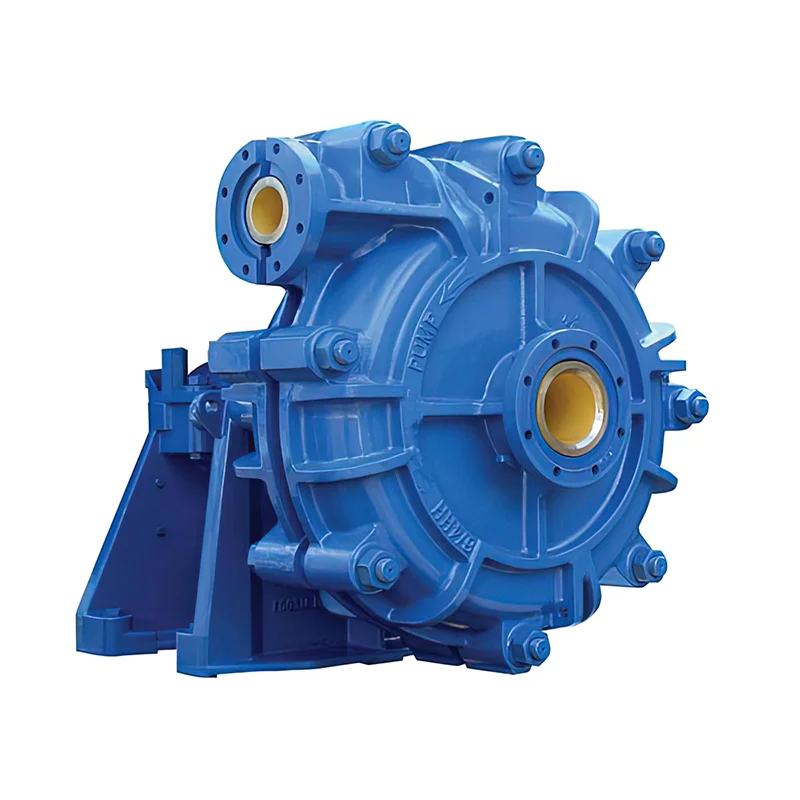
Industrial sump pump are critical for handling sludge and wastewater in municipal and industrial treatment facilities. They need to be resistant to corrosion and capable of handling variable flow rates.

4. Construction Dewatering in Quebec

Submersible sump pump are commonly used for dewatering construction sites and excavations, removing groundwater and preventing flooding. Reliability and portability are key requirements.

5. Gravel Processing in the Maritime Provinces

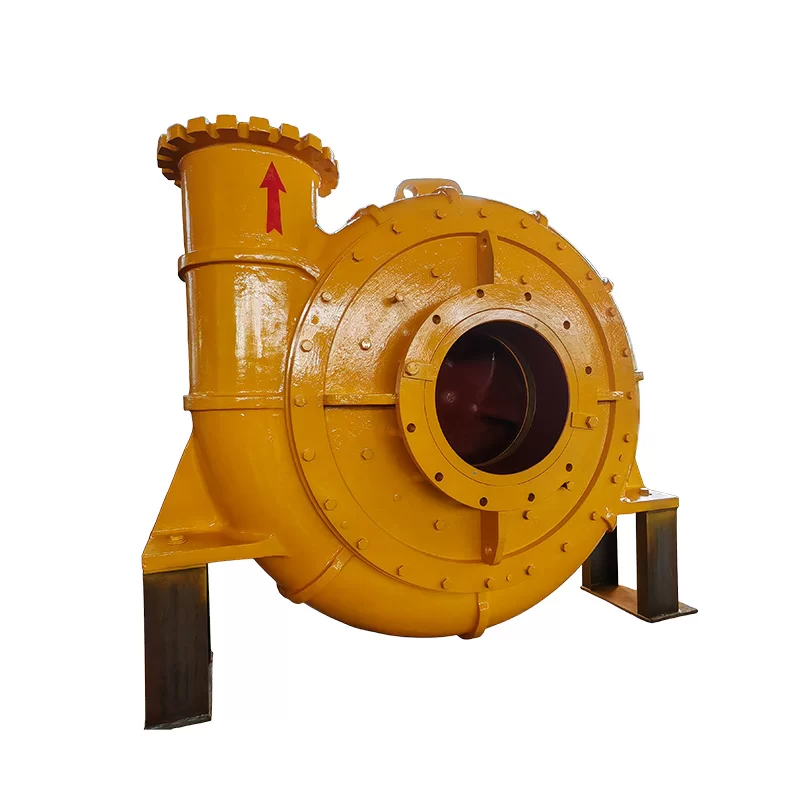
Gravel pump are utilized in gravel pits and quarries for transporting gravel and sand mixtures. The pumps must handle high solids concentrations and abrasive materials effectively.

Brand Story

The global development journey of Shijiazhuang Hongpeng Pump Industry Co., Ltd.

Our Founding Principles

Established in 2008, Shijiazhuang Hongpeng Pump Industry Co., Ltd. was founded on a commitment to delivering reliable and innovative pumping solutions for challenging industrial applications.

Expansion into North America

In 2015, we expanded our reach to North America, recognizing the significant demand for high-quality slurry pumps in Canada's resource-rich industries.

Investment in R&D

We continuously invest in research and development to improve pump performance, efficiency, and durability, incorporating the latest materials and technologies.

Focus on Customer Service

We are dedicated to providing exceptional customer service, offering tailored solutions and expert support to meet our clients' unique needs.

Our Mission

To provide Canadian industries with robust, reliable, and efficient slurry pump solutions that minimize downtime, reduce operating costs, and contribute to sustainable operations.

Comprehensive Product Portfolio for the Canadian Market

Explore our extensive range of slurry pumps designed to meet the diverse needs of Canadian industries.

Frequently Asked Questions About Slurry Pumps in Canada

Answers to common questions about slurry pumps and their applications in the Canadian market.

What is the best material for a slurry pump handling highly abrasive tailings in Canadian oil sands?

High-chrome alloys are typically recommended for handling the abrasive nature of oil sands tailings due to their excellent wear resistance. Ceramic liners can also be used for extended service life in extreme applications.

How do I select the right size industrial sump pump for my dewatering application in a Canadian construction site?

Pump size depends on the flow rate and head required for dewatering. Consider factors like groundwater inflow, soil permeability, and excavation depth. Consult with a pump specialist to determine the optimal pump size.

What maintenance is required for a submersible sump pump used in a Canadian mining operation?

Regular inspection of the impeller, seals, and power cable is crucial. Periodic cleaning of the pump intake and motor housing is also recommended. Follow the manufacturer's maintenance schedule for optimal performance.

What are the energy efficiency considerations when selecting a slurry pump for a Canadian wastewater treatment plant?

Choose pumps with high hydraulic efficiency and consider using variable frequency drives (VFDs) to optimize energy consumption based on flow demand. Look for pumps that meet or exceed Canadian energy efficiency standards.

How can I prevent clogging in a gravel pump used for processing aggregate in a Canadian quarry?

Ensure the pump has a large free passage and an appropriate impeller design for handling the size and type of aggregate. Install a screen or strainer upstream of the pump to remove larger debris.

What factors influence the lifespan of a heavy duty slurry pumps in a Canadian mining environment?

Lifespan is influenced by the abrasiveness of the slurry, the pump material, operating conditions (flow rate, head, temperature), and regular maintenance. Choosing the correct pump for the application is critical.

Get in Touch with Us

We are dedicated to providing tailored slurry pump solutions to industries across North America - Canada. Contact us today to discuss your specific needs.

Contact Us Now

If you are interested in our products, you can choose to leave your information here, and we will be in touch with you shortly.