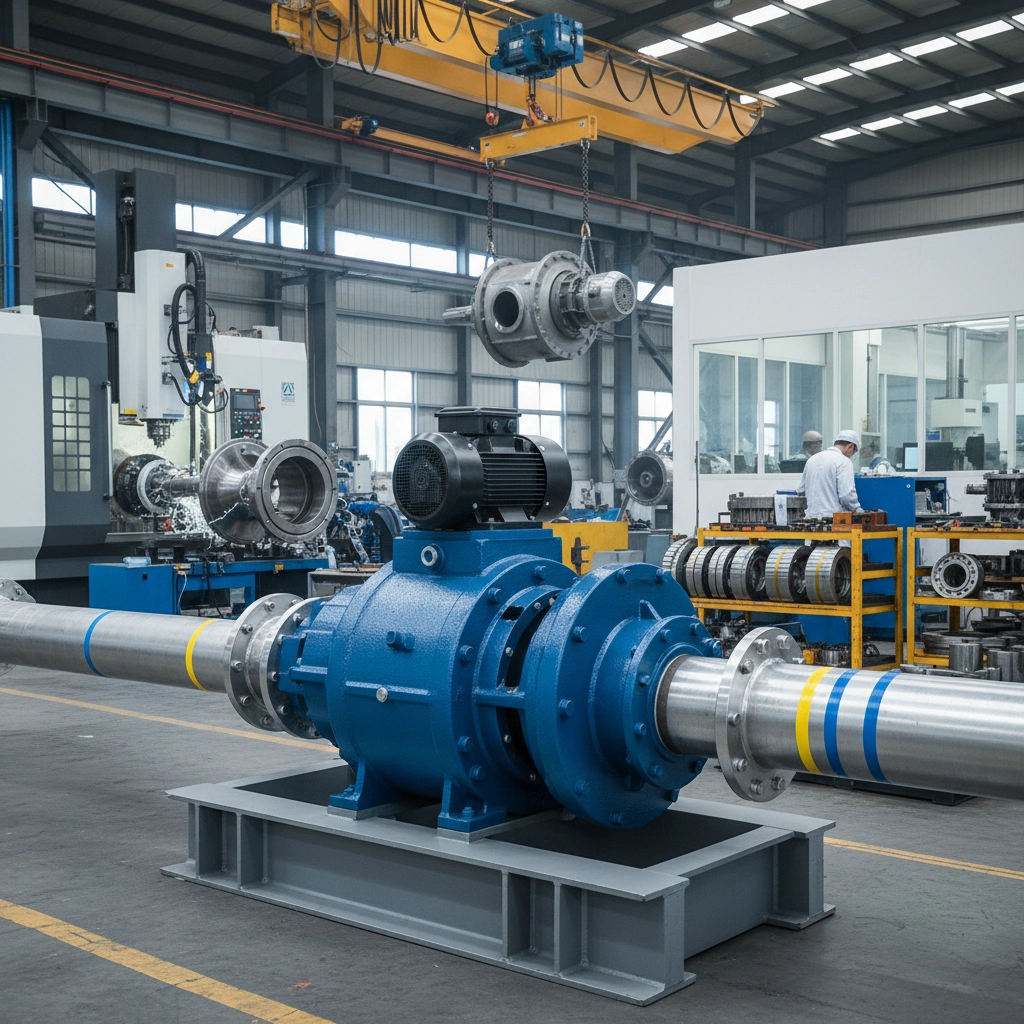
Managing high-volume liquid waste and abrasive slurries requires more than just a standard pump; it demands a robust solution capable of withstanding extreme wear and tear. A heavy duty sump pump serves as the backbone for industrial drainage, ensuring that hazardous or abrasive fluids are moved efficiently without causing systemic failures or costly downtime.
Globally, the demand for high-performance fluid handling is surging as mining and municipal engineering projects scale up in complexity. From dredging rivers to managing tailings in metallurgy, the ability to transport sand, gravel, and cinder is critical for maintaining operational safety and environmental compliance.
Understanding the technical nuances of these systems—such as impeller design and mechanical seal integrity—allows operators to maximize the lifespan of their equipment. By choosing a specialized heavy duty sump pump, industries can reduce maintenance intervals and ensure a consistent flow of materials even in the harshest submerged environments.

Global Relevance of Heavy Duty Sump Pump Systems
The global industrial landscape is increasingly reliant on the efficiency of fluid transport. In sectors like mining and electric power, the accumulation of slurry—a mixture of water and abrasive solids—can lead to catastrophic equipment failure if not managed by a professional heavy duty sump pump. These systems are engineered to move massive volumes of liquid, often exceeding 10,000 m³/h, to maintain site safety.
Furthermore, international standards for environmental protection and municipal engineering now require precise control over wastewater and tailings. The implementation of high-capacity submersible pumps reduces the risk of overflow and contamination, aligning industrial growth with global sustainability goals and ISO environmental management standards.
Defining the Heavy Duty Sump Pump in Industry
In technical terms, a heavy duty sump pump, such as the HSSP series, is a specialized submersible sewage and slurry pump designed for the continuous transport of abrasive particles. Unlike domestic sump pumps, these industrial machines utilize axial suction centrifugal designs to handle materials like sand, gravel, cinder, and tailings without clogging.
The essence of these pumps lies in their ability to operate completely submerged within a pit. By integrating a vertical single-shell structure and adjustable shaft lengths, they provide a versatile solution for varying liquid levels, ensuring that the pump remains primed and operational regardless of the fluctuating water table in a mining or construction site.
This equipment is not merely a tool for water removal but a critical component of industrial infrastructure. It bridges the gap between waste generation and waste treatment, enabling the seamless transfer of hazardous slurries to processing plants or disposal areas, thereby supporting the humanitarian need for cleaner industrial zones.
Core Components and Structural Features
The durability of a heavy duty sump pump is rooted in its unique impeller structure. HSSP models employ single-channel or double-channel impellers that optimize flow performance, reducing the turbulence that typically leads to premature wear when transporting abrasive solids.
Crucially, the integration of a new type of mechanical seal and a grease-lubricated bearing system eliminates the need for a traditional shaft seal. This design choice significantly minimizes the risk of leakage and prevents abrasive particles from penetrating the motor housing, which is a common failure point in lesser pumps.
To ensure operational stability, these pumps are equipped with a reasonably designed volute chamber. This engineering feat ensures that the pump operates with low noise and zero vibration, even when moving high-density slurries, while automatic protection devices and control cabinets allow for unmanned, autonomous water level management.
Performance Metrics and Scalability
Scalability is a primary requirement for industrial operations. A professional heavy duty sump pump must offer a wide range of discharge diameters and flow rates to adapt to different site requirements. For instance, the HSSP series ranges from 50mm to 700mm in discharge diameter, accommodating flow rates from 20 to 10,000 m³/h.
This versatility allows a single product line to serve both small-scale municipal drainage and massive open-pit mining operations. With maximum heads reaching up to 55m, these pumps can transport heavy slurries across significant vertical distances, ensuring that waste is moved efficiently to the required elevation.
Efficiency Ratings of Different Heavy Duty Sump Pump Configurations
Global Applications and Industrial Use Cases
The application of the heavy duty sump pump spans across multiple heavy industries. In metallurgy and mining, these pumps are indispensable for conveying tailings and cinder, preventing the flooding of mine shafts and ensuring the continuous flow of production materials.
Beyond mining, they are widely used in municipal engineering for river dredging and sand pumping. In electric power and chemical plants, these pumps handle corrosive or abrasive wastewater, providing a reliable line of defense against environmental contamination and ensuring that industrial sumps are kept clear of sediment.
Long-Term Value and Operational Advantages
Investing in a high-quality heavy duty sump pump yields significant long-term financial benefits through the reduction of Total Cost of Ownership (TCO). Because the HSSP series uses a grease-lubricated bearing and a seal-less shaft design, the frequency of emergency repairs is drastically reduced, preventing costly unplanned shutdowns.
From a safety perspective, the automatic water level control and protection devices eliminate the need for constant manual monitoring in hazardous areas. This automation not only increases operational efficiency but also protects workers from exposure to dangerous pit environments.
Moreover, the high efficiency and low noise levels of the volute chamber contribute to a more sustainable industrial site. By optimizing energy consumption per cubic meter of slurry moved, companies can reduce their carbon footprint while maintaining maximum throughput.
Future Trends in Slurry Pumping Technology
The future of the heavy duty sump pump is leaning heavily toward digital transformation. We are seeing the integration of IoT sensors that can monitor vibration and wear in real-time, allowing for predictive maintenance rather than reactive repairs.
Material science is also evolving, with the introduction of advanced ceramics and composite alloys for impellers to further increase abrasion resistance. These innovations will allow pumps to handle even higher concentrations of solids without sacrificing flow rate or head pressure.
Sustainability remains a key driver, with a shift toward energy-efficient motors and automated control systems that adjust pump speed based on real-time slurry density. This ensures that power is only used when necessary, further lowering the operational cost of heavy industrial drainage.
Comparative Analysis of HSSP Heavy Duty Sump Pump Specifications
| Model Type |
Flow Capacity (m³/h) |
Max Head (m) |
Application Fit |
| HSSP 100 Series |
100 |
50 |
Medium Slurry / Mining |
| HSSP 200 Series |
200 |
45 |
High Volume Dredging |
| HSSP 300 Series |
300 |
55 |
Deep Pit Tailings |
| HSSP 400 Series |
400 |
55 |
Industrial Waste Flow |
| HSSP 50 Series |
50 |
15 |
Municipal Sewage |
| HSSP 80 Series |
80 |
30 |
Chemical Drainage |
FAQS
The HSSP series is distinguished by its ability to handle abrasive slurries. While standard pumps fail when encountering sand or gravel, the HSSP uses a specialized single/double-channel impeller and a grease-lubricated bearing system. This eliminates the traditional shaft seal, preventing abrasive particles from damaging the internal motor, which allows it to operate in harsh mining and metallurgy environments.
Yes, HSSP pumps are designed for autonomous operation. They can be equipped with automatic protection devices and control cabinets that monitor the water level according to user requirements. This ensures the pump activates and deactivates automatically, preventing dry-running and reducing the need for manual oversight.
Traditional shaft seals are prone to leaking when exposed to abrasive particles, leading to motor failure. The HSSP heavy duty sump pump utilizes a vertical single-shell axial suction design and grease lubrication, removing the need for a shaft seal entirely. This significantly extends the interval between maintenance cycles and reduces the risk of catastrophic leaks.
The HSSP series is highly scalable. Depending on the model, it can achieve flow rates from as low as 20 m³/h up to 10,000 m³/h. The maximum head capacity reaches 55 meters, making it suitable for moving heavy slurries across significant vertical distances in mining or municipal engineering projects.
The primary beneficiaries include the metallurgy, mining, electric power, and chemical industries. It is also widely used in environmental protection for river dredging and sand pumping, as well as in municipal engineering for handling sewage containing abrasive particles like cinder or tailings.
No, the pump is engineered with a reasonable volute chamber and a high-precision impeller structure. These design choices ensure that the pump maintains low noise levels and operates without vibration, even when transporting high-density slurries, which increases the overall lifespan of the installation.
Conclusion
In summary, the implementation of a high-performance heavy duty sump pump like the HSSP series is essential for any industrial operation dealing with abrasive slurries. By combining a seal-less shaft design, versatile flow capacities, and automatic control systems, these pumps provide a reliable solution for the most demanding environments in mining, metallurgy, and municipal engineering.
As the industry moves toward smarter, more sustainable fluid handling, the integration of predictive maintenance and energy-efficient motor technology will further enhance the value of these systems. For businesses looking to minimize downtime and maximize operational safety, investing in professional-grade slurry pumping technology is not just an operational choice, but a strategic necessity. Visit our website: www.hihornpump.com