High Performance HSP Vertical Slurry Pumps Factory Solutions
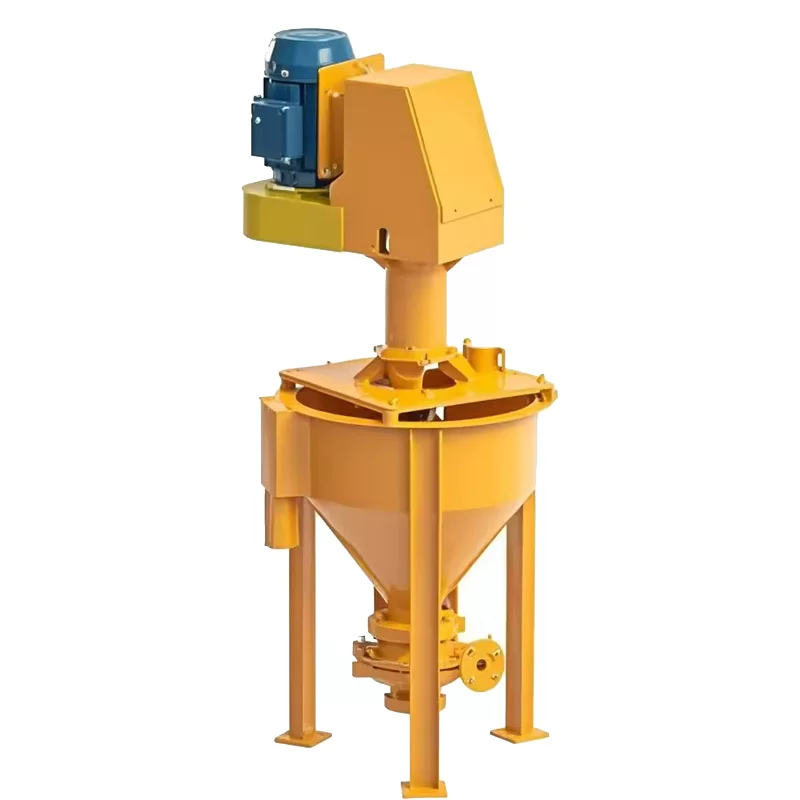
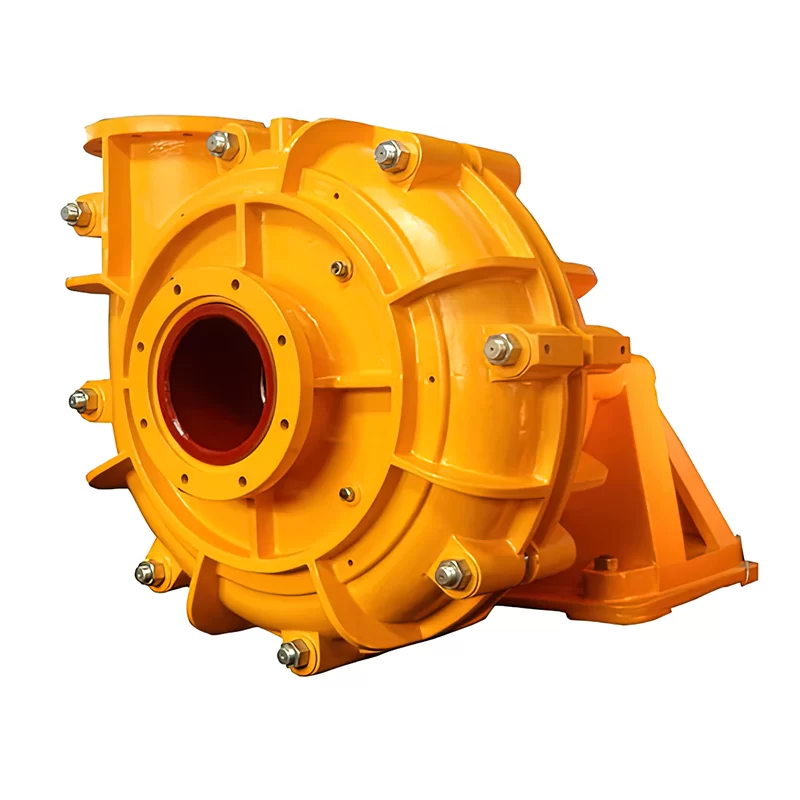
Managing abrasive fluids in industrial sumps requires a balance between mechanical durability and operational simplicity. The HSP Series Sump Pump is engineered to address these specific challenges by utilizing a vertical configuration that eliminates the dependency on complex seal water systems. This design choice not only reduces the physical footprint of the installation but also removes a common point of failure found in traditional slurry handling equipment.
For plant managers in the mining, power, and chemical sectors, the primary goal is to maintain continuous flow while minimizing unplanned downtime. By supporting safe operation during low-fluid conditions and offering a range of high-grade alloys like A05 white iron, the HSP series ensures that aggressive mineral processing does not lead to premature equipment failure. This technical approach transforms the sump from a maintenance bottleneck into a reliable component of the fluid delivery chain.

Engineering the Seal-Free Vertical Advantage for Heavy Industrial Sumps
The core innovation of the HSP Series lies in its vertical integration, which fundamentally changes how slurry is extracted from sumps. In standard horizontal pumping systems, maintaining a seal against abrasive particles often requires a constant supply of external seal water, adding plumbing complexity and increasing the risk of leaks. The HSP Series utilizes a specialized vertical design and seal options including lip seals and sealing fillers, which effectively eliminates the need for expensive seal water infrastructure.
Beyond the sealing mechanism, the pump is optimized for low-fluid operation. One of the most frequent causes of pump failure in mineral processing is dry-running or cavitation caused by inconsistent suction levels. The HSP series is designed to maintain operational stability even when fluid depths fluctuate, ensuring that process continuity is preserved without damaging the internal components. This makes it particularly effective for coal and slag removal where fluid levels can be highly erratic.
- Reduced Plumbing: No need for seal water piping and associated pumps.
- Space Optimization: Compact vertical footprint maximizes available floor space in dense plants.
- Operational Safety: Specifically engineered to prevent dry-run failures during suction shortages.

Material Science and Wear Resistance in Aggressive Mineral Processing
In any slurry pumps factory, the choice of metallurgy determines the total cost of ownership. The HSP Series offers a customizable wet-end strategy to match the specific abrasiveness and corrosivity of the medium. For high-impact abrasive slurries, A05 white iron is the preferred choice due to its exceptional hardness and resistance to scouring. For chemical handling or acidic environments, stainless steel cast alloys provide the necessary corrosion barrier to prevent structural degradation.
The manufacturing process involves a whole-chain precision processing system. From the 10t/h furan resin sand production line to the 400kW desktop resistance furnace, every component is cast and machined to exacting standards. This ensures that the hydraulic efficiency—which can reach up to 64%—is maintained throughout the life of the pump. High efficiency translates directly into lower energy consumption per cubic meter of fluid moved, providing a sustainable operational advantage.
Quality control is integrated into the production flow via direct-reading spectrometers and inner hardness testers. This allows for 100% traceability of material composition, ensuring that the alloy used in the impeller and liner matches the technical requirements of the client's specific mineral processing application.
Application Logic: Matching Pump Specifications to Industry Needs
Selecting the right vertical sump pump requires an analysis of fluid density, particle size, and chemical composition. In the coal industry, for instance, the primary challenge is often the movement of ash and slag, which requires a pump that can handle high solids concentration without clogging. The HSP series, with discharge diameters ranging from 25 to 250mm, provides the versatility needed to scale from small auxiliary sumps to massive primary collection pits.
In mineral processing and alumina production, the focus shifts toward corrosion and wear. The ability to switch between rubber lining and high-chrome metal components allows the HSP series to be adapted for different stages of the process. For example, rubber linings are often superior for finer, more abrasive slurries, while A05 white iron is better suited for larger, coarser particles that could tear through rubber.
The operational benefit is a significant reduction in maintenance overhead. By analyzing the working conditions—such as the maximum head (up to 82m) and flowrate (up to 1150 m³/h)—engineers can specify a model that operates at its peak efficiency point, reducing the wear rate on the impeller and extending the interval between scheduled overhauls.
Technical Comparison: HSP Series vs. Standard Sump Pumps
| Evaluation Factor | Standard Sump Pumps | HSP Series Sump Pump | Operational Impact |
|---|---|---|---|
| Seal Maintenance | High (Seal Water Req.) | Minimal (Seal-Free) | Lower OpEx |
| Dry-Run Risk | Prone to Damage | Safe in Low Fluid | Higher Reliability |
| Material Options | Standard Alloy | A05 / SS / Rubber | Extended Lifespan |
| Installation Space | Large Footprint | Compact Vertical | Optimized Layout |
| Energy Efficiency | Variable Efficiency | Up to 64% Efficiency | Lower Power Costs |
Strategic Procurement and Customization for High-Reliability Systems
Procuring industrial pumping solutions is no longer just about the initial purchase price; it is about the total lifecycle value. The HSP series emphasizes "high-end value empowerment," meaning the product is backed by a one-stop service covering initial working condition analysis, custom design, and after-sales maintenance. For clients with strict quality requirements, personalized customization is available to ensure the pump's metallurgy and hydraulics are perfectly aligned with the fluid's properties.
Manufacturing reliability is guaranteed through ISO9001 and ISO14001 certifications. The integration of intelligent production lines and precision testing systems means that every pump leaving the factory has undergone rigorous sealing and mechanical property tests. This level of quality assurance is critical for sectors like power plants and sewage treatment, where a pump failure can lead to costly environmental incidents or total plant shutdowns.
When evaluating suppliers, buyers should look for the ability to provide a whole-chain processing system. By controlling everything from casting to final assembly, Hihorn ensures that there are no weak links in the supply chain, providing a level of consistency in product quality that outsourced assembly cannot match.
Future Trends in Slurry Handling and Pumping Efficiency
The industry is moving toward predictive maintenance and higher energy efficiency. The HSP series aligns with these trends by incorporating wear monitoring capabilities, where impeller and liner replacement can be predicted based on the volume of processed slurry rather than fixed time intervals. This shift from reactive to proactive maintenance significantly reduces the risk of catastrophic failure.
Additionally, there is a growing demand for pumps that can handle increasingly complex chemical mixtures. The development of new corrosion-resistant white iron and advanced stainless steel alloys will continue to push the boundaries of where these pumps can be deployed. As industries strive for "green" operations, the focus on hydraulic optimization to lower the energy footprint per cubic meter will become the primary driver for equipment upgrades.
Ultimately, the integration of digital catalogs for material selection and comprehensive vertical alignment guides for installation is simplifying the deployment process. This allows for rapid commissioning and ensures that the pump is installed in its most efficient orientation, maximizing the return on investment for the end-user.
Frequently Asked Questions Regarding HSP Vertical Sump Pumps
What makes the HSP Series different from standard slurry pumps?
The HSP Series is a vertical sump pump that eliminates the need for seal water and can operate normally even when fluid depth is low, reducing maintenance and increasing reliability.
Which materials are best for highly corrosive chemicals?
For corrosive environments, we recommend our stainless steel cast alloy or corrosion-resistant white iron wetted parts to ensure maximum longevity.
Can the HSP Series handle abrasive mineral slurries?
Yes, it is specifically designed for mineral processing and coal applications. We offer A05 white iron and rubber linings for high-abrasion slurry.
What is the maximum flowrate available for the HSP series?
The HSP series offers a wide range of capacities, with the largest models capable of delivering a flowrate of up to 1150 m³/h.
Does this pump require a separate sealing water system?
No, the HSP Series is engineered to work without seal water, which significantly simplifies the plumbing and reduces operational costs.
Which industries typically use these vertical sump pumps?
They are frequently used in mineral processing, coal mining, chemical plants, and for slag and ash removal in power plants.
Technical References and Industry Standards
- ISO 9001: Quality Management Systems Standards
- ISO 14001: Environmental Management Systems
- Principles of Slurry Transport and Pump Design
- Global Mineral Processing Equipment Trends
Optimizing your fluid delivery system requires a combination of precise engineering and high-performance materials. Whether you are dealing with coal ash or mineral tailings, the HSP Series provides the reliability needed to maintain continuous industrial operations.
Related Pumping Solutions