Maximizing Efficiency with a High-Performance Sand Gravel Pump
In the demanding world of mining, dredging, and construction, the ability to move abrasive materials efficiently is the backbone of operational success. A professional sand gravel pump is specifically engineered to handle high concentrations of solids without succumbing to rapid wear and tear. Whether you are managing a large-scale quarry or a municipal dredging project, selecting a pump that balances flow rate, pressure, and abrasion resistance is critical. In this guide, we will explore the technical nuances and selection criteria to help you optimize your slurry transport systems for maximum longevity and output.

The Engineering Behind a Durable Sand Gravel Pump
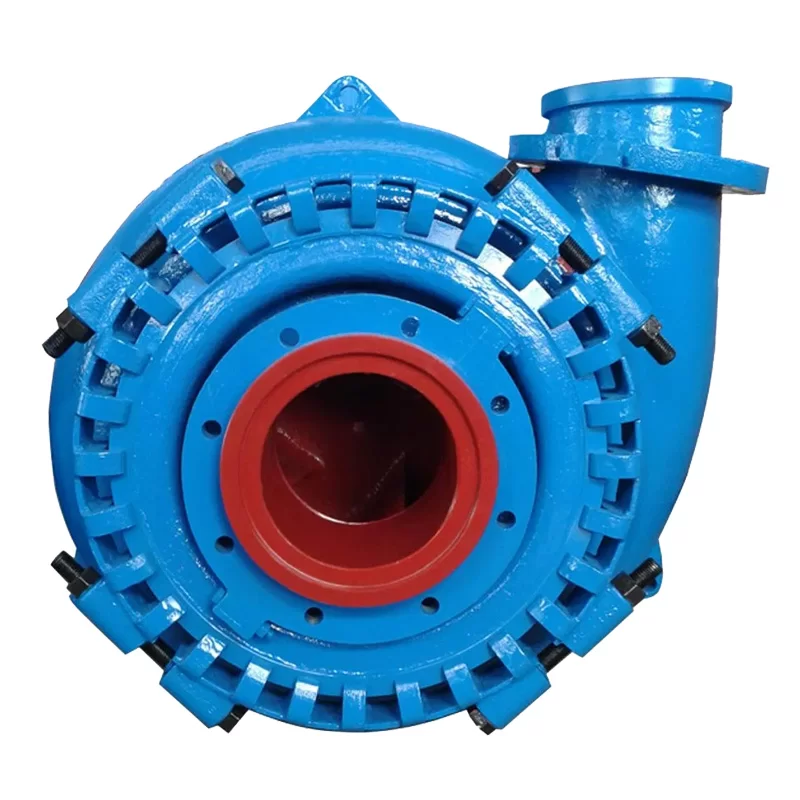
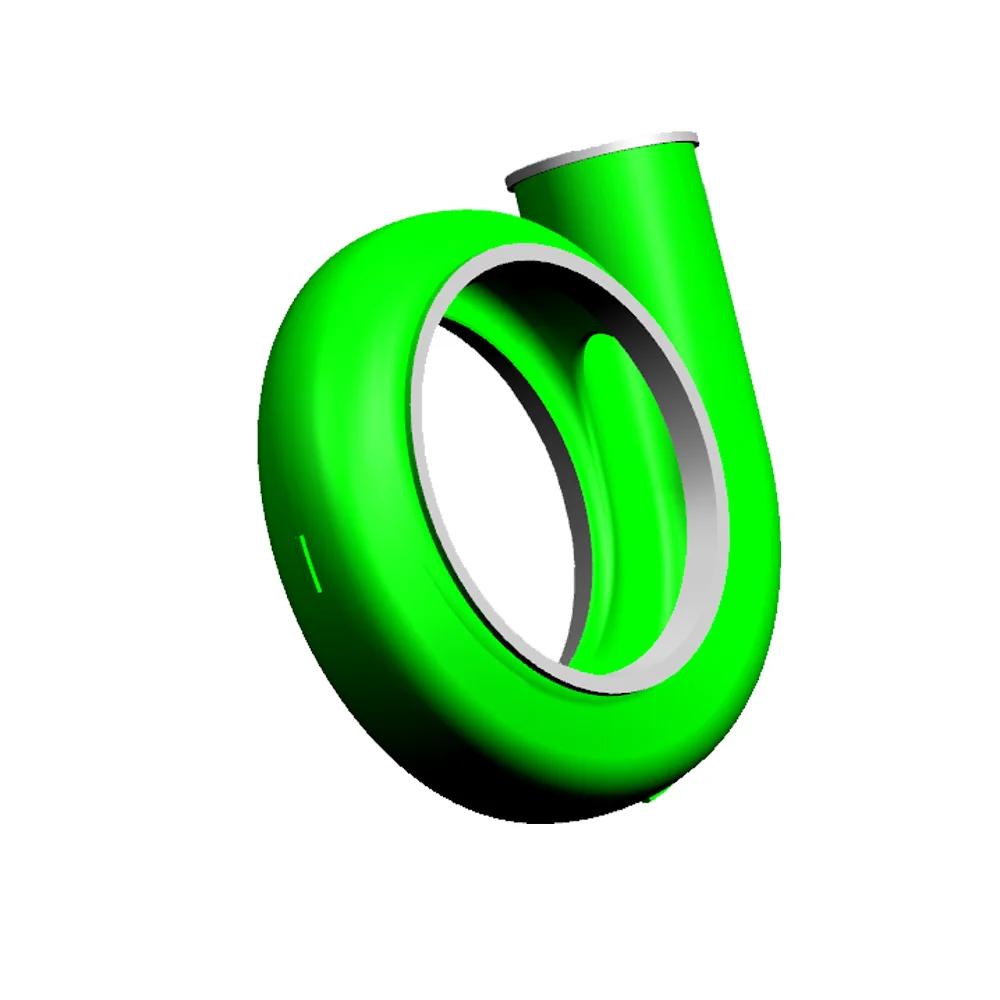
A standard water pump would fail within hours when faced with the abrasive nature of silica and crushed stone. The sand gravel pump utilizes specialized materials, such as high-chrome alloys or natural rubber linings, to create a protective barrier against erosion. These materials are chosen based on the particle size and the chemistry of the fluid. The impeller design is also crucial; open or semi-open impellers are typically used to prevent clogging and allow larger gravel particles to pass through without causing catastrophic internal damage. By optimizing the fluid dynamics within the casing, these pumps minimize turbulence, which is where most abrasive wear occurs.
Pro Tip: Always check the "critical velocity" of your slurry. If the flow is too slow, gravel will settle and block the pipe; if it is too fast, the wear rate on your pump liners increases exponentially.
Key Applications of Sand Gravel Pump Systems
The versatility of the sand gravel pump makes it indispensable across several heavy industries. In dredging operations, these pumps are used to remove sediment from riverbeds and harbors to maintain navigable depths. In mining and mineral processing, they transport tailings and raw ores to processing plants. Construction sites rely on them for groundwater control and the movement of sandy soils. Because these environments vary from saltwater to acidic mine water, the pumps are often customized with specific corrosion-resistant coatings to ensure they don't degrade chemically while fighting mechanical abrasion.

Comparing Sand Gravel Pump Types: Heavy Duty vs. Standard
Depending on the concentration of solids, you may need a standard slurry pump or a dedicated heavy-duty gravel pump. Standard pumps are ideal for fine sands and silts, whereas heavy-duty models are built for larger aggregate and rocky materials. The primary difference lies in the wall thickness of the volute and the hardness of the impeller material. Choosing the wrong type can lead to frequent downtime and high maintenance costs. The following table highlights the critical differences to help you make an informed decision for your project.
Operational Maintenance for Sand Gravel Pump Longevity
To get the most out of your sand gravel pump, a proactive maintenance schedule is non-negotiable. The most common failure points are the impeller and the liner. Regular ultrasonic thickness testing of the pump casing can alert operators to wear before a complete breach occurs. Additionally, ensuring that the pump is primed correctly and avoiding "dry running" is essential; without the lubricating effect of the fluid, friction heat can warp the internal components rapidly. Using a variable frequency drive (VFD) can also help in adjusting the flow to match the slurry density, reducing unnecessary wear during low-load periods.
Technical Specifications of Industrial Sand Gravel Pumps
When sourcing a pump, technical specs define whether the machine will thrive or fail in your specific environment. Key metrics include the Total Dynamic Head (TDH), which is the total equivalent height the fluid is pumped, and the Flow Rate (m³/h). For a gravel pump, the "solid percentage by weight" is a critical specification, as it determines the torque required from the motor. Below is a typical specification table for an industrial-grade gravel pump series.
Optimizing Installation for Maximum Pump Life
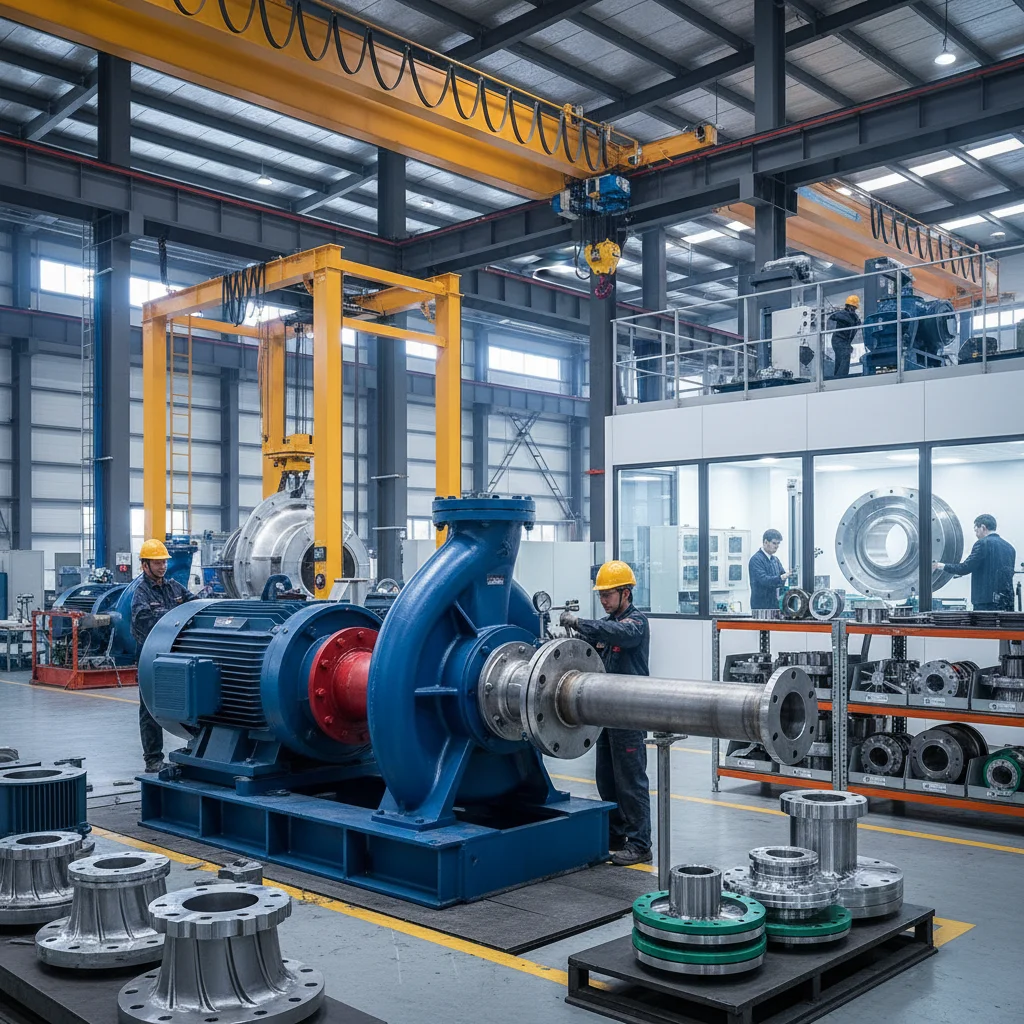
The lifespan of a sand gravel pump is often decided during installation. To prevent premature wear, avoid sharp 90-degree bends in the piping; instead, use long-radius elbows to minimize the impact of gravel particles against the pipe walls. Furthermore, ensuring the pump is perfectly aligned with the motor prevents vibration, which can lead to seal failure and shaft breakage. Installing a sump or a settling tank before the pump intake can also help filter out oversized rocks that might exceed the pump's maximum particle size, preventing sudden blockages and mechanical stress.
Conclusion: Choosing the Right Sand Gravel Pump
Investing in a high-quality sand gravel pump is about more than just purchasing hardware; it is about optimizing your entire slurry handling workflow. By understanding the balance between material hardness, flow dynamics, and rigorous maintenance, you can significantly reduce operational downtime and increase the profitability of your project. Whether you are dredging a harbor or mining for minerals, the right pump ensures that your production never grinds to a halt. Trust professional engineering to handle the toughest terrains.
Frequently Asked Questions (FAQs)
How do I choose the right material for my gravel pump?
The choice depends on the "abrasion vs. corrosion" balance. If you are pumping clean, sharp sand or crushed rock, High-Chrome Alloy is the best choice due to its extreme hardness. However, if the slurry contains chemicals or saltwater that could corrode metal, Natural Rubber or specialized duplex stainless steels are preferred. Rubber is excellent for fine particles and corrosive fluids but can be torn by large, sharp rocks. Always analyze your slurry composition before selecting the liner material to avoid premature failure.
What causes the most common failures in sand gravel pumps?
The most frequent causes of failure are dry running and incorrect flow velocity. Dry running leads to immediate overheating of the seals and impeller. Incorrect velocity causes either "settling" (where gravel blocks the pipe) or "excessive wear" (where the slurry acts like a sandblaster against the pump walls). Additionally, neglecting to replace wear parts (liners and impellers) on schedule often leads to the casing being worn through, which requires a much more expensive replacement of the entire pump body.
Can a sand gravel pump handle air bubbles or cavitation?
While all pumps are susceptible to cavitation, gravel pumps are particularly affected because cavitation bubbles collapsing against an already abrasive surface accelerate the wear process. This is known as "erosion-corrosion." To prevent this, ensure the Net Positive Suction Head (NPSH) is correctly calculated and that the intake is not restricted. Using a properly sized suction pipe and keeping the pump as close to the source as possible minimizes the risk of air entrainment and cavitation, thereby extending the life of your equipment.
How often should I replace the wear parts of my pump?
There is no single answer, as it depends on the "hardness" of the gravel and the "concentration" of the slurry. However, a professional recommendation is to perform a visual and measurement inspection every 3 to 6 months. If the impeller efficiency drops by 10-15% or the liner thickness has decreased by 50%, replacement is necessary. Proactive replacement of a $500 impeller can save you from replacing a $5,000 pump casing. You can find high-quality replacement parts and expert advice on the Hihorn Pump website.