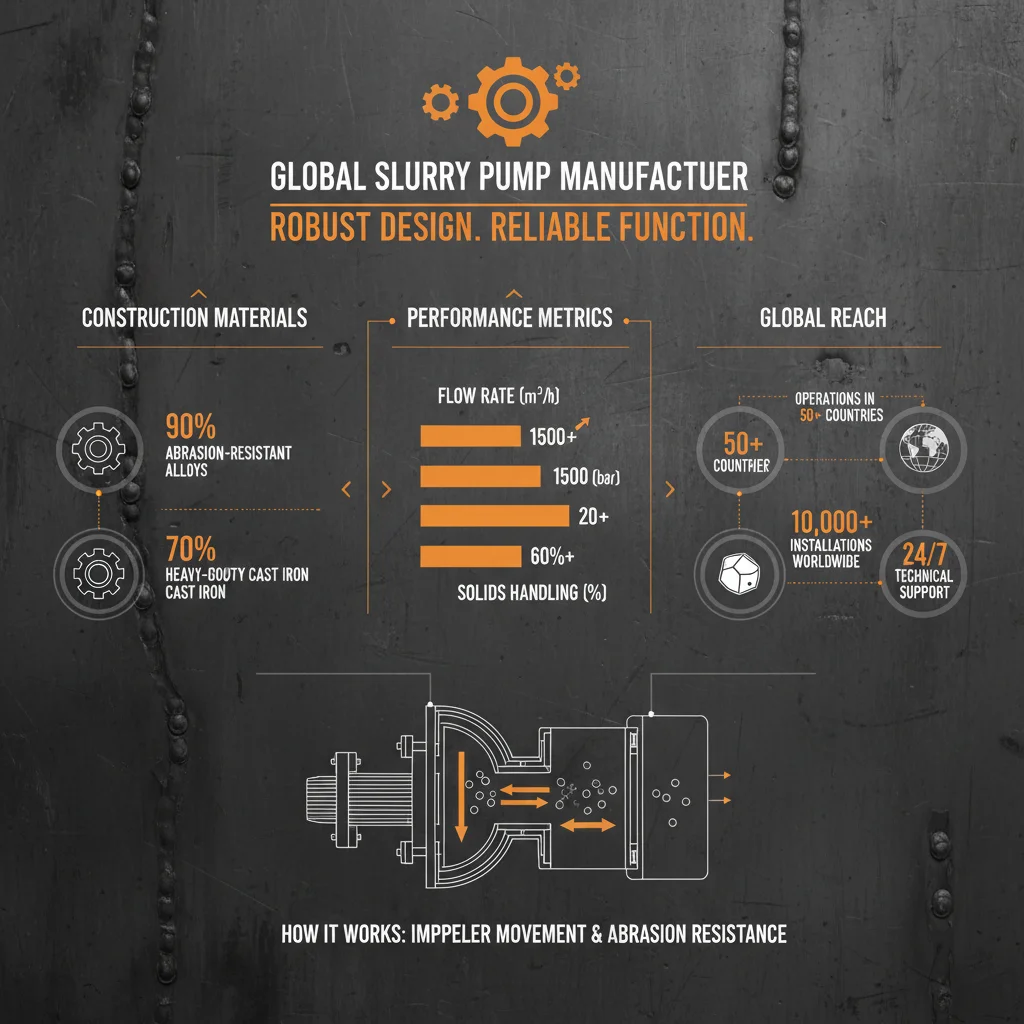
Heavy duty submersible slurry pump systems are critical components in numerous industrial processes worldwide. These robust pumps are designed to efficiently move abrasive, viscous, and solid-laden fluids, playing a vital role in mining, wastewater treatment, construction, and agriculture. Their ability to operate submerged offers significant advantages in challenging environments, reducing noise, minimizing the risk of cavitation, and eliminating the need for surface priming. Understanding the nuances of these pumps – from their design to their applications – is increasingly important as industries strive for greater efficiency and sustainability.
The global demand for effective slurry handling solutions is steadily growing, driven by factors such as increasing urbanization, stricter environmental regulations, and expanding infrastructure projects. The cost of downtime associated with pump failure can be substantial, particularly in critical operations like mine dewatering and wastewater processing. Therefore, selecting a reliable and appropriately sized heavy duty submersible slurry pump is a crucial investment for operational continuity and long-term cost savings.
Advances in materials science and pump design are continuously improving the performance and longevity of these systems. The shift towards smarter pumps with integrated monitoring and control systems further enhances their value, enabling predictive maintenance and optimized operation. As we move forward, the integration of these technologies will be paramount to meeting the evolving needs of diverse industries dependent on efficient slurry management.
Introduction to Heavy Duty Submersible Slurry Pumps
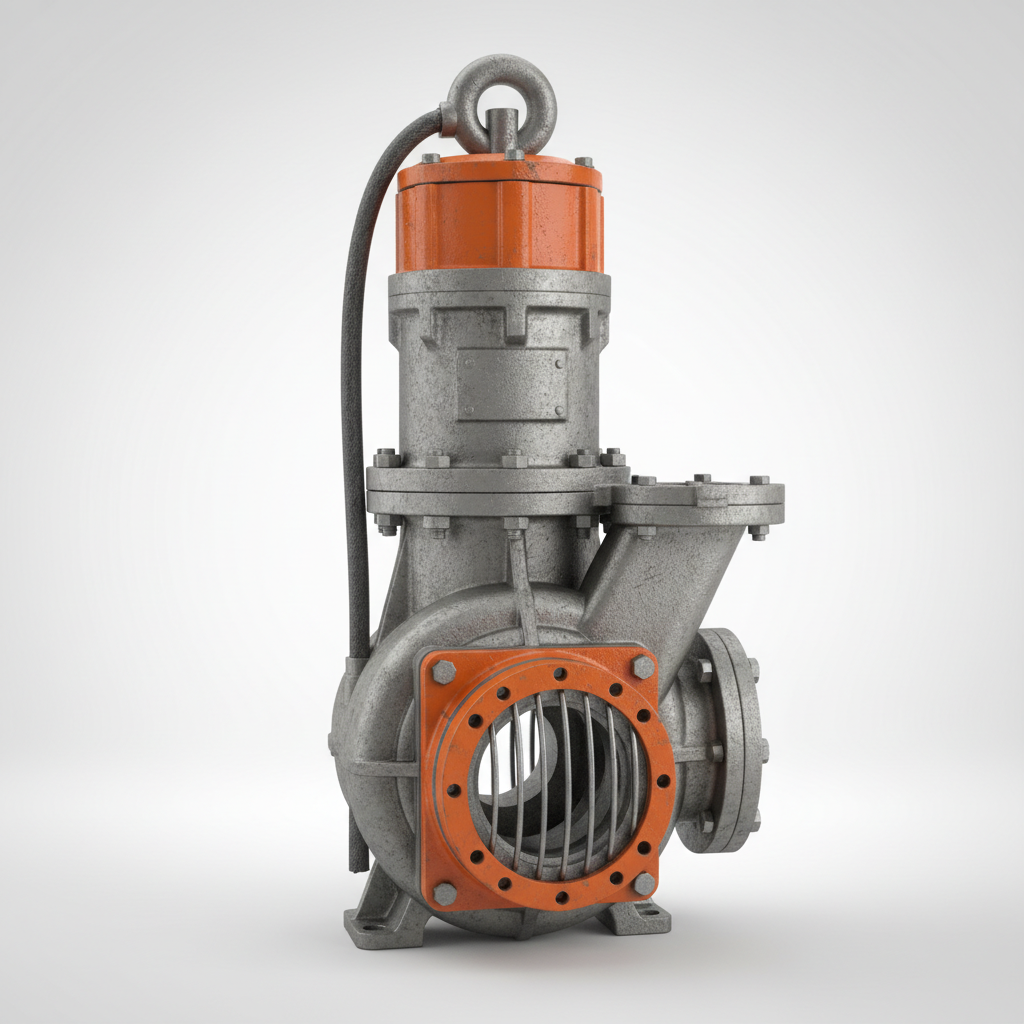
Heavy duty submersible slurry pumps represent a specialized class of pumps engineered to handle the demanding task of moving abrasive and high-solids content slurries. Unlike conventional pumps, these units are designed for complete submersion, offering benefits in challenging environments where access is limited or the risk of damage from exposure to harsh elements is high. Their robust construction and advanced hydraulic designs ensure reliable operation and extended service life.
The evolution of these pumps has been directly influenced by the needs of industries such as mining, where efficiently removing tailings and process water is crucial, and wastewater treatment, where handling grit and solids is essential for maintaining system integrity. Modern heavy duty submersible slurry pumps often incorporate features like wear-resistant materials, variable speed drives, and intelligent monitoring systems to optimize performance and minimize maintenance requirements.
Defining Heavy Duty Submersible Slurry Pumps
A heavy duty submersible slurry pump is fundamentally a centrifugal pump specifically engineered for the transport of abrasive, erosive, and solid-laden fluids – known collectively as slurries. The 'submersible' designation indicates that the pump is designed to operate entirely underwater, eliminating the need for surface priming and reducing noise levels. The 'heavy duty' aspect refers to the pump’s robust construction, employing materials like high-chrome iron, hardened steel, and specialized elastomers to withstand the constant impact and wear caused by abrasive particles.
These pumps differ significantly from standard water pumps due to their specialized impeller designs, wear-resistant coatings, and robust sealing systems. The impeller geometry is optimized to handle solids without clogging, while the robust construction ensures a long operational life even in extremely harsh conditions. They’re commonly used in applications where the slurry contains anything from sand and gravel to corrosive chemicals and large rock fragments.
Understanding the core purpose of a heavy duty submersible slurry pump – effectively and reliably moving abrasive slurries – is vital to appreciating its significance in modern industrial processes and humanitarian efforts like disaster relief where removing debris-laden water is paramount.
Core Components and Operational Factors
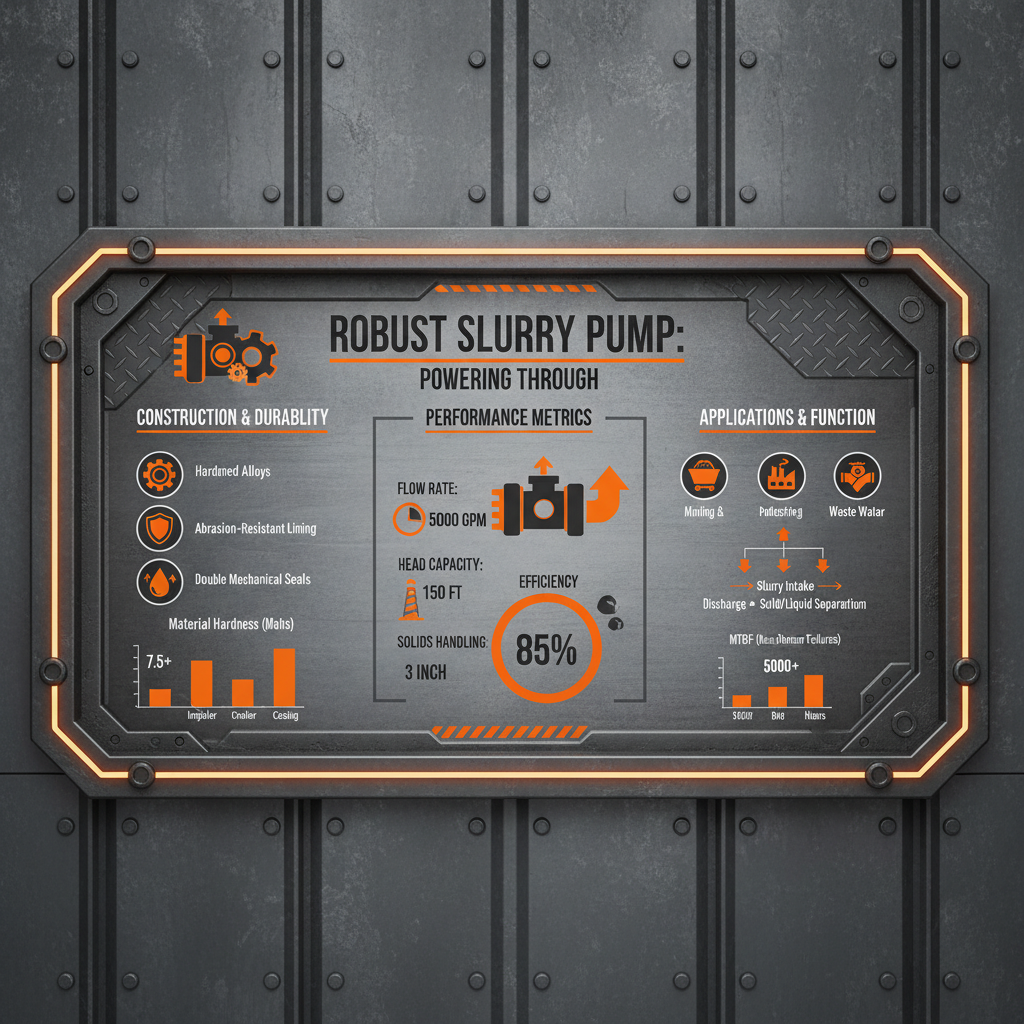
The performance and longevity of a heavy duty submersible slurry pump are dependent on several key components and operational factors. The impeller, typically constructed from high-chrome iron or other wear-resistant materials, is the heart of the pump, responsible for imparting energy to the slurry. The casing, designed to withstand high pressures and abrasive impacts, protects the impeller and directs the flow of fluid. A robust mechanical seal prevents ingress of slurry into the motor compartment, ensuring reliable operation.
Operational factors, such as slurry composition (particle size distribution, solids concentration, and corrosiveness), flow rate requirements, and head pressure, significantly influence pump selection and performance. Improper selection or operation can lead to premature wear, reduced efficiency, and ultimately, pump failure. Careful consideration of these factors is crucial for maximizing the pump's lifespan and minimizing downtime.
Additionally, the motor, specifically designed for submersible applications, is sealed and cooled by the surrounding fluid. Selecting the correct motor size and type for the specific application is essential to avoid overheating and ensure consistent performance. Regular monitoring of motor current and temperature can help detect potential issues before they escalate.
Key Performance Indicators of Slurry Pump Efficiency
Evaluating the efficiency of a heavy duty submersible slurry pump requires considering several key performance indicators. Head (the height to which the pump can lift the slurry) and flow rate (the volume of slurry pumped per unit time) are fundamental parameters. Pump efficiency, expressed as a percentage, represents the ratio of hydraulic power output to electrical power input. A higher efficiency rating translates to lower energy consumption and reduced operating costs.
Another critical indicator is the pump’s solids handling capability – the maximum size and concentration of solids the pump can effectively process without clogging. Wear rate, measured by monitoring impeller and casing thickness over time, provides insight into the pump's durability and the lifespan of its components.
Comparing Efficiency of Different heavy duty submersible slurry pump Technologies
Global Applications and Industry Implementations
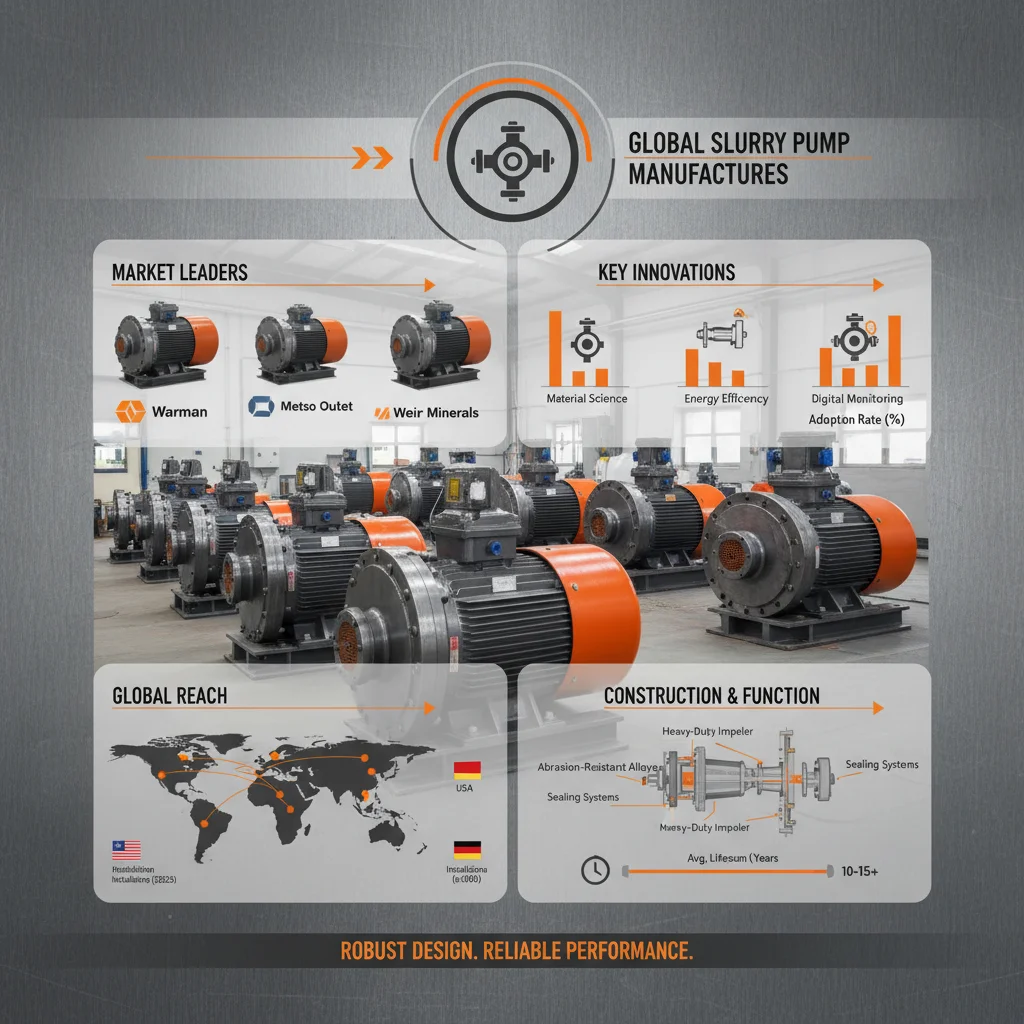
Heavy duty submersible slurry pumps find application across a diverse range of industries globally. In the mining sector, they are essential for dewatering mines, transporting tailings, and processing ore slurries. Wastewater treatment plants rely on them to handle grit, sludge, and other solids-laden wastewater. Construction sites utilize these pumps for dewatering excavations and managing sediment-filled runoff.
In agriculture, they are used for pumping irrigation water containing silt and debris. Across the globe, from remote mining operations in Australia to large-scale wastewater facilities in Europe and North America, these pumps are critical for maintaining operational efficiency. In post-disaster relief operations, these pumps play a crucial role in rapidly removing floodwaters and debris.
Advantages and Long-Term Value Proposition
The advantages of utilizing a heavy duty submersible slurry pump extend beyond simply moving abrasive fluids. Their submerged operation reduces noise pollution and eliminates the risk of cavitation, resulting in a quieter and more reliable process. The robust construction and wear-resistant materials minimize downtime and maintenance costs. The elimination of surface priming further streamlines operations and reduces the potential for operational errors.
From a long-term value perspective, the reliability and durability of these pumps translate to significant cost savings over their operational lifespan. Reduced energy consumption, lower maintenance requirements, and extended component life contribute to a compelling return on investment. This, coupled with enhanced safety and environmental performance, makes them a crucial asset for any organization reliant on efficient slurry handling.
Future Trends and Technological Innovations
The future of heavy duty submersible slurry pump technology is focused on enhancing efficiency, reliability, and sustainability. Developments in materials science are leading to the creation of even more wear-resistant alloys and polymers, extending pump lifespan and reducing maintenance. The integration of Internet of Things (IoT) sensors and data analytics enables predictive maintenance, optimizing pump performance and minimizing downtime.
Moreover, there's a growing trend toward variable speed drives (VSDs) that allow pumps to adjust their flow rate and pressure based on real-time demand, resulting in significant energy savings. The incorporation of advanced hydraulic designs and impeller geometries further improves pump efficiency and solids handling capability, ensuring these pumps remain at the forefront of slurry management technology.
Table Summarizing Key Future Trends in Heavy Duty Submersible Slurry Pump Technology
| Technology Area |
Current Status |
Expected Development (5 Years) |
Potential Impact |
| Materials Science |
High-chrome iron alloys dominant. |
Development of ceramic-reinforced polymers. |
Increased wear resistance, longer pump life. |
| IoT Integration |
Basic sensor monitoring (vibration, temperature). |
Advanced analytics for predictive maintenance. |
Reduced downtime, optimized performance. |
| Variable Speed Drives |
Increasing adoption for energy savings. |
Integration with automated control systems. |
Significant energy reduction, improved process control. |
| Hydraulic Design |
Traditional impeller geometries. |
Computational Fluid Dynamics (CFD) optimized impellers. |
Enhanced efficiency, improved solids handling. |
| Automation & Control |
Manual control and basic monitoring. |
Fully automated operation with remote control. |
Reduced labor costs, improved operational safety. |
| Energy Efficiency |
Moderate energy consumption. |
Development of highly efficient motor designs. |
Lower operational costs, reduced carbon footprint. |
FAQS
The lifespan of a heavy duty submersible slurry pump varies significantly depending on the application and the abrasiveness of the slurry being handled. However, with proper maintenance and operation, a well-built pump can typically last between 5 to 15 years. Key factors influencing longevity include the quality of materials used, the operating hours, and the effectiveness of preventative maintenance programs. Regular inspections and component replacements are crucial for maximizing pump lifespan and minimizing unexpected downtime.
Selecting the correct pump size involves considering several factors, including the flow rate requirements, the total dynamic head (TDH), and the characteristics of the slurry. The flow rate is the volume of slurry that needs to be pumped per unit of time, while the TDH represents the total resistance to flow. Understanding the solids content, particle size distribution, and abrasiveness of the slurry is also essential. Consulting with a pump specialist can ensure you choose a pump that meets your specific needs and operates efficiently.
Regular maintenance is critical for ensuring the reliable operation of a heavy duty submersible slurry pump. This includes routine inspections of the motor, seals, impeller, and casing for signs of wear. Monitoring motor current and temperature can help identify potential issues. Regularly cleaning the pump and its surrounding area to remove debris is also important. Additionally, periodic replacement of wear parts, such as seals and impellers, is essential for preventing catastrophic failures.
Yes, heavy duty submersible slurry pumps can be designed to handle corrosive slurries, but it requires careful material selection. Pumps intended for corrosive environments are typically constructed with corrosion-resistant materials, such as stainless steel, duplex stainless steel, or specialized alloys. The type of material used depends on the specific chemical composition of the slurry and the level of corrosivity. Proper sealing and coating materials are also crucial for preventing corrosion and ensuring pump longevity.
Submersible pumps offer several advantages over surface-mounted pumps for slurry applications. They eliminate the need for surface priming, reducing maintenance and simplifying operation. Submerged operation reduces noise levels and minimizes the risk of cavitation. The pump's enclosed design protects the motor from harsh environments and reduces the risk of damage. They are particularly well-suited for applications where access is limited or where the slurry contains large solids that could clog a surface-mounted pump.
Common issues with these pumps include clogging, reduced flow, and motor overheating. Clogging can often be resolved by flushing the pump and impeller with clean water. Reduced flow may indicate wear on the impeller or casing, or a blockage in the discharge line. Motor overheating can be caused by overload, insufficient cooling, or a faulty motor. Checking motor current, voltage, and temperature can help diagnose the problem. If issues persist, contacting a qualified pump technician is recommended.
Conclusion
Heavy duty submersible slurry pumps represent a vital technology for industries dealing with abrasive and solid-laden fluids. Their robust construction, reliable operation, and adaptability to challenging environments make them indispensable for a wide range of applications, from mining and wastewater treatment to construction and agriculture. Investing in the right pump, coupled with a comprehensive maintenance program, ensures long-term cost savings, enhanced operational efficiency, and minimized downtime.
Looking ahead, continued advancements in materials science, automation, and IoT integration will further enhance the performance and intelligence of these pumps. Embracing these innovations will be crucial for meeting the evolving needs of industries striving for greater sustainability and efficiency. To learn more about how a heavy duty submersible slurry pump can benefit your operation, visit our website: www.hihornpump.com