Slurry Pump for Mining: A Comprehensive Guide
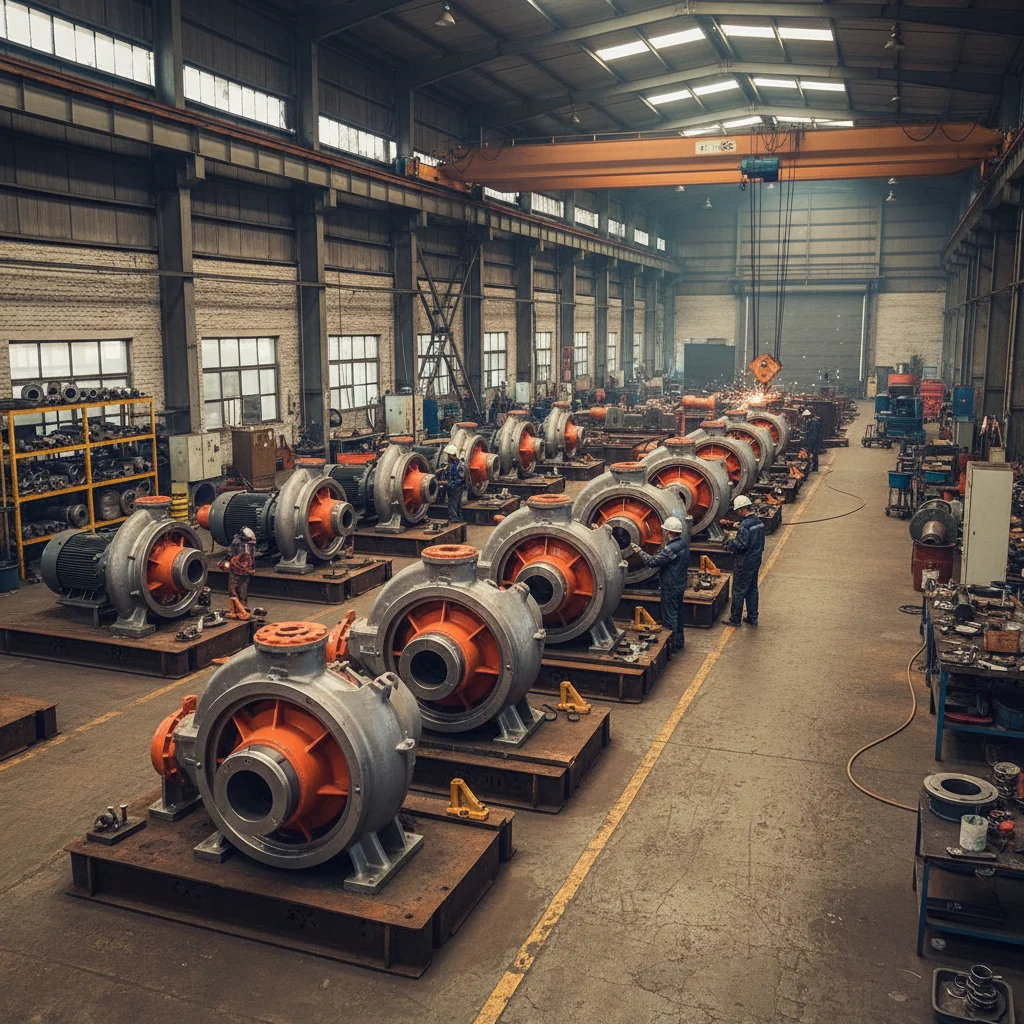
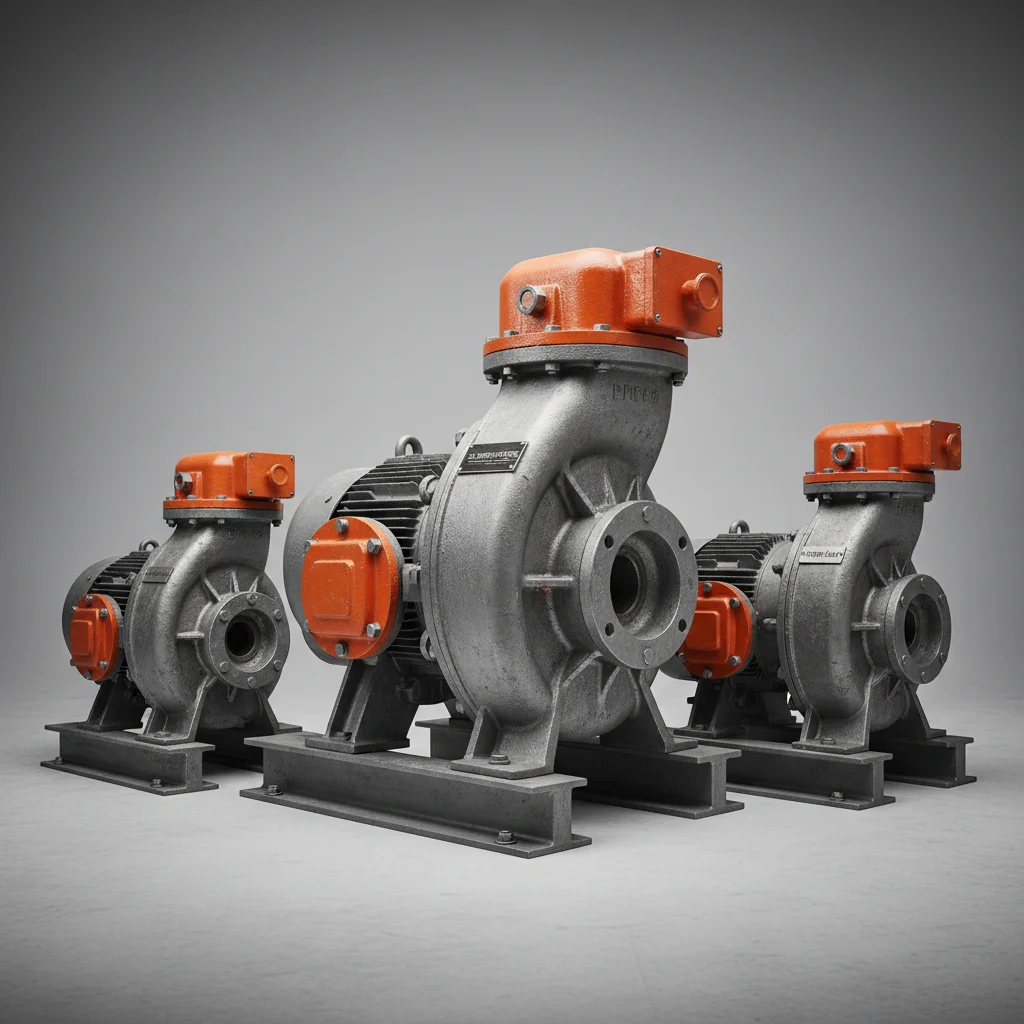
The mining industry demands robust and reliable equipment, and a critical component is the slurry pump for mining. These pumps are designed to handle abrasive and dense mixtures of liquids and solids, essential for efficient mineral processing and extraction. Choosing the right slurry pump is paramount for operational efficiency, minimizing downtime, and ensuring cost-effectiveness. This article delves into the key considerations when selecting a slurry pump for mining applications, exploring different types, materials, and essential features.
Understanding the Challenges of Mining Slurries
Mining slurries are notoriously challenging for pumps due to their high solids content, abrasiveness, and often corrosive nature. The size and shape of the solid particles, ranging from fine silt to large rocks, greatly influence pump selection. Abrasive particles cause rapid wear on pump components, leading to reduced efficiency and frequent maintenance. Moreover, the density of the slurry significantly impacts pump performance and power requirements. Effective slurry management requires a pump designed to withstand these harsh conditions and deliver consistent performance. Hihorn Pump specializes in providing solutions tailored to these demands.
Types of Slurry Pumps for Mining
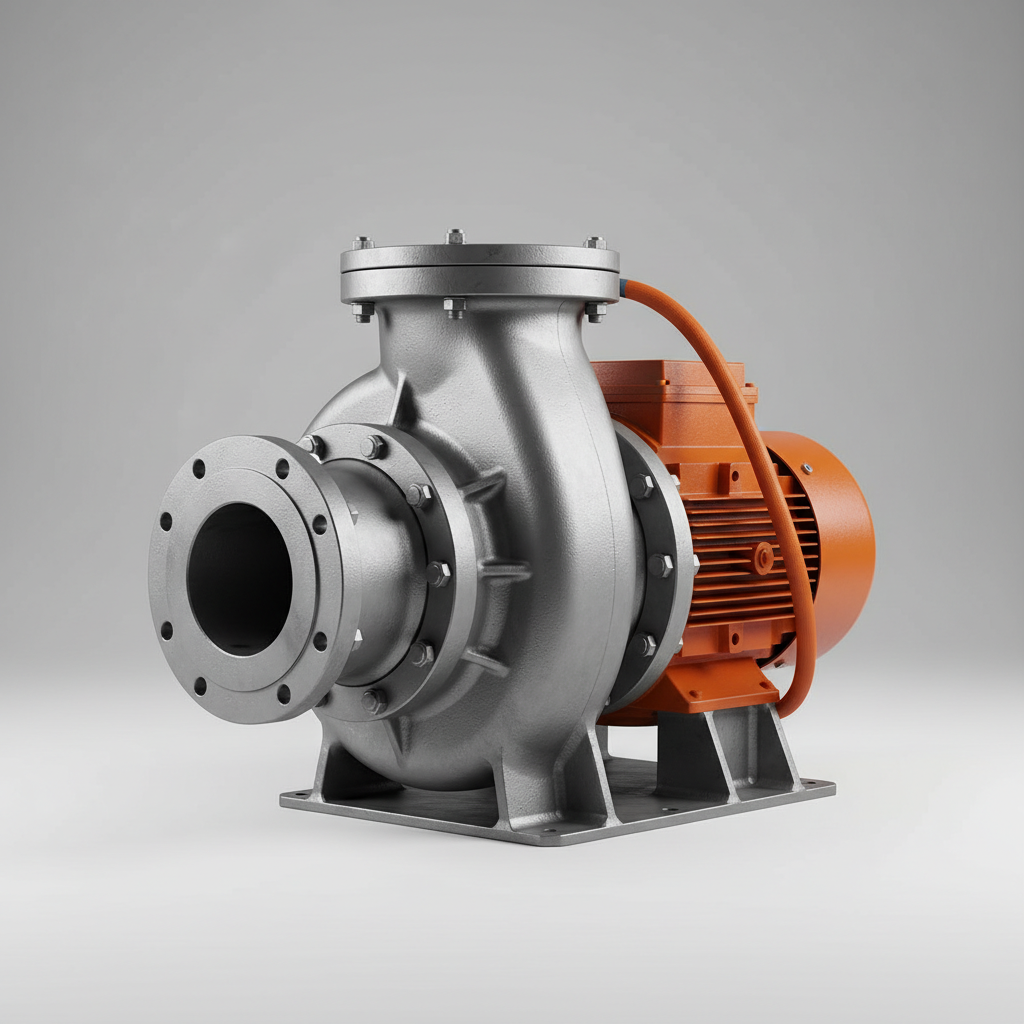
Several types of slurry pumps are utilized in mining operations, each suited for specific applications. The most common include:
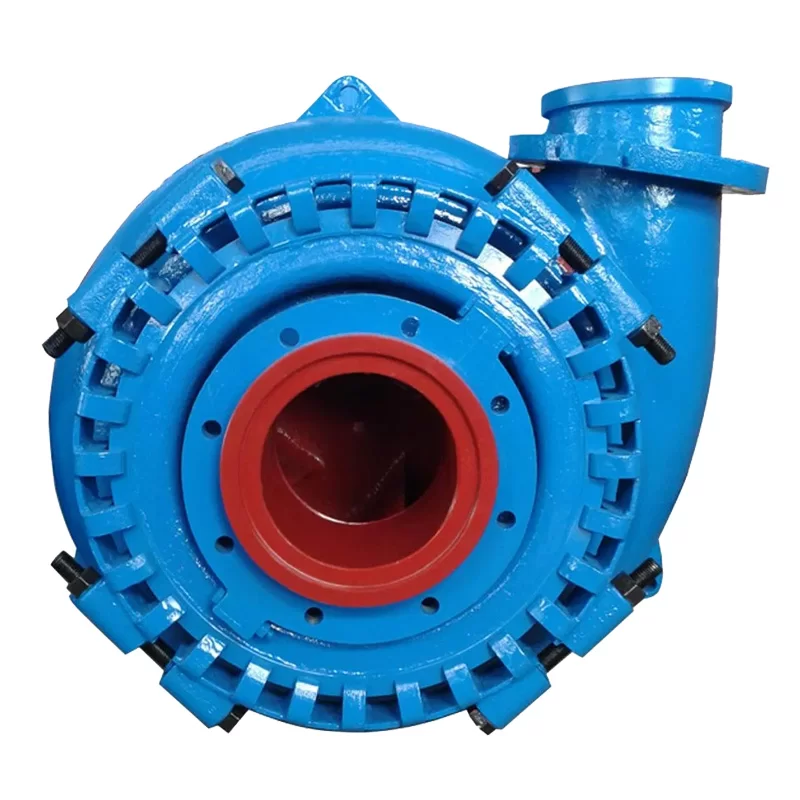
- Centrifugal Slurry Pumps: These are the most widely used type, offering high capacity and relatively low cost. They are suitable for applications with moderate solids content and particle size.
- Positive Displacement Pumps (e.g., Diaphragm Pumps, Lobe Pumps): Ideal for handling highly viscous slurries or when precise flow control is required. They are often used for metering and transferring abrasive materials.
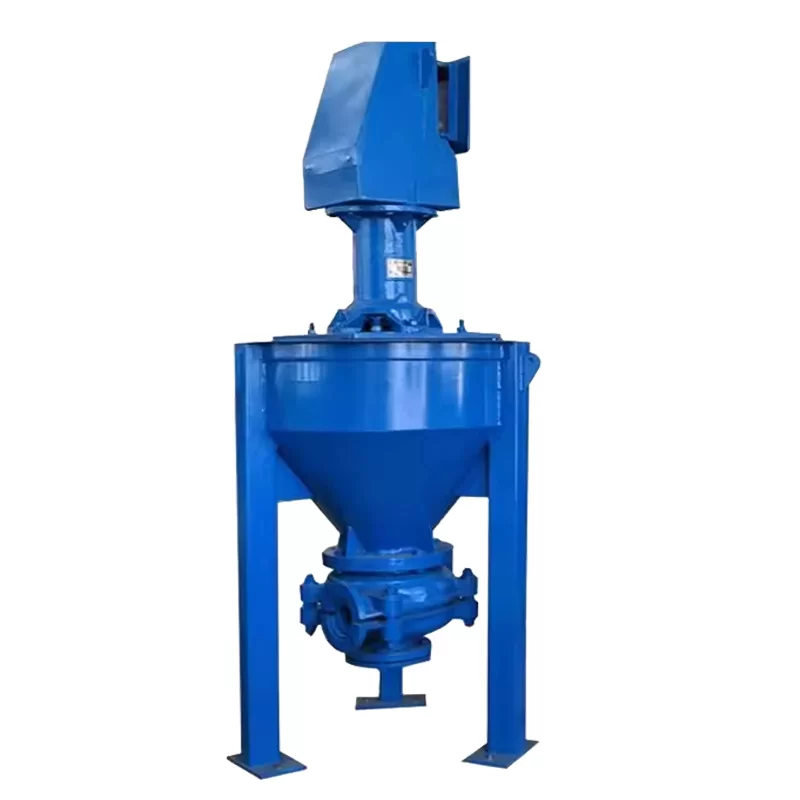
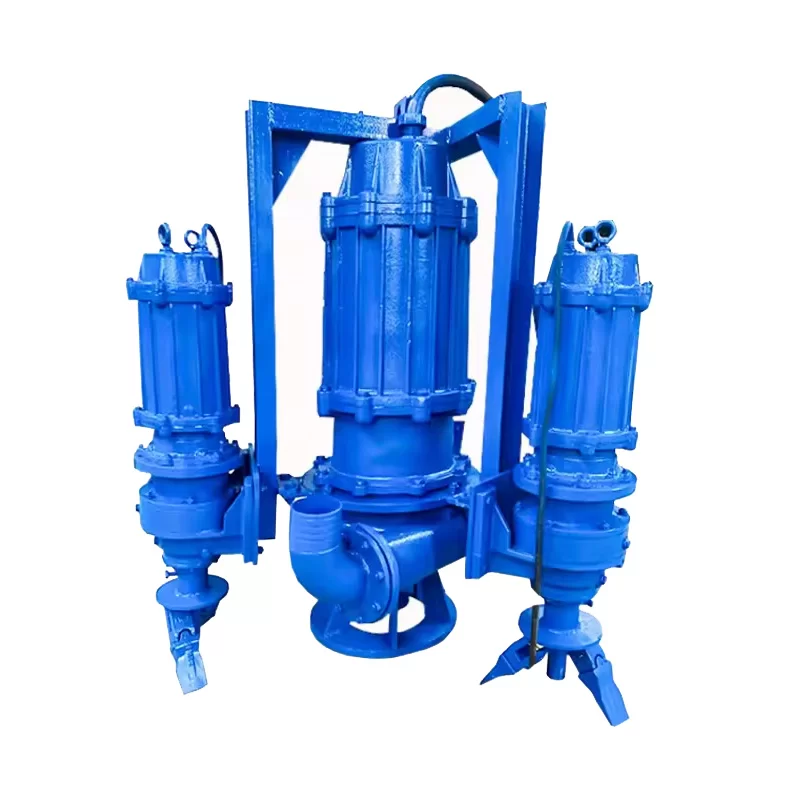
- Vertical Slurry Pumps: Designed for submerged operation in sumps and tanks. They eliminate the need for priming and are suitable for handling slurries with high solids content.
The optimal choice depends on factors such as slurry characteristics, flow rate, head pressure, and operating conditions.
Key Considerations: Selecting the right pump type ensures optimal performance, minimizes wear, and reduces maintenance costs.
Key Features to Look for in a Slurry Pump for Mining
When selecting a slurry pump, consider these crucial features:
- Material Construction: High-chromium cast iron, rubber linings, and hardened alloys are essential for resisting abrasion and corrosion.
- Impeller Design: Open or semi-open impellers are preferred for handling slurries with high solids content, minimizing clogging.
- Mechanical Seals: Robust mechanical seals are necessary to prevent leakage and ensure reliable operation.
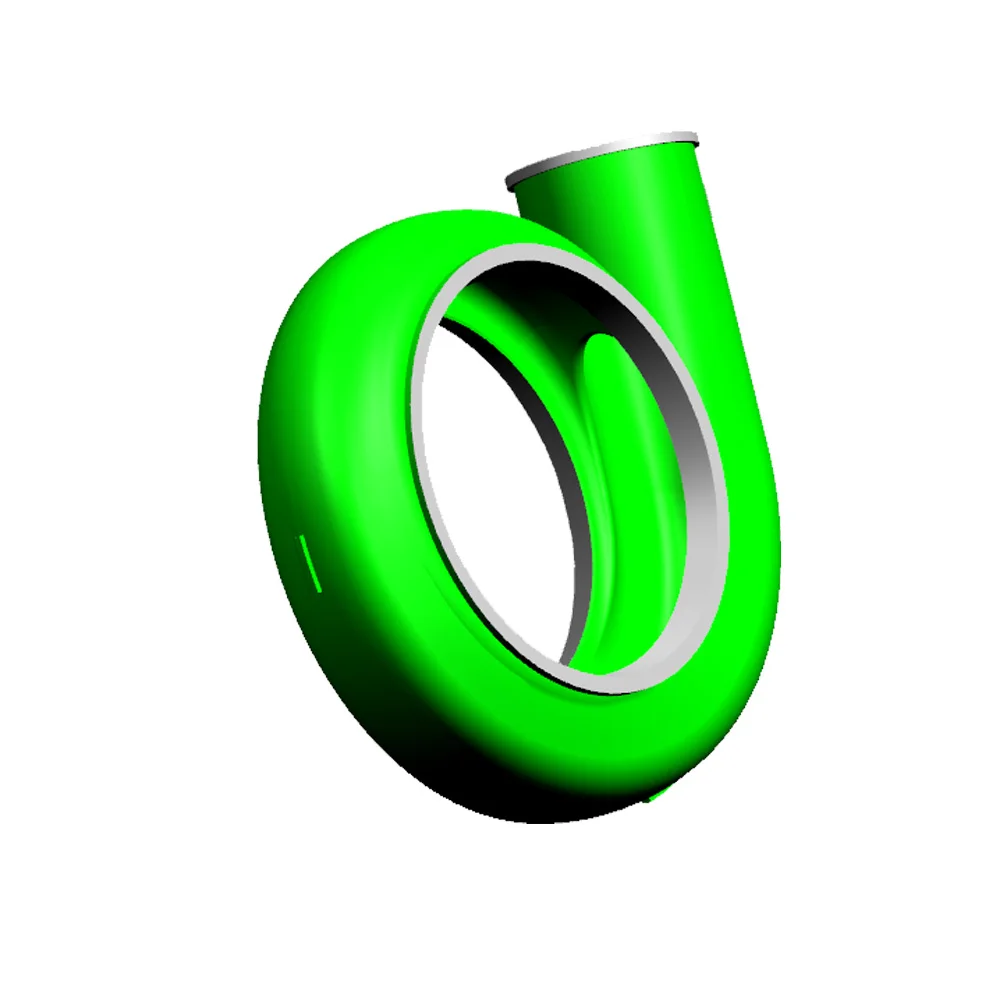
- Casing Design: A thick-walled casing provides structural integrity and protects against erosion.
Hihorn Pump offers pumps engineered with these features to withstand the toughest mining environments.
Slurry Pump Material Comparison
The material used in a slurry pump significantly affects its performance and lifespan. Here's a comparison of common materials:
Choosing the Right Partner for Your Slurry Pumping Needs
Selecting a reliable supplier is just as critical as choosing the right pump. Hihorn Pump provides comprehensive solutions, including pump selection assistance, custom engineering, and ongoing support. We understand the unique challenges of the mining industry and are committed to delivering pumps that maximize uptime and minimize operational costs. Our experienced team can help you identify the optimal slurry pump for your specific application and ensure long-term reliability.
Conclusion: Ensuring Efficiency and Reliability in Mining Operations
Investing in a high-quality slurry pump for mining is essential for efficient and reliable mineral processing. By carefully considering the slurry characteristics, pump type, material construction, and partnering with a trusted supplier like Hihorn Pump, mining operations can minimize downtime, reduce maintenance costs, and maximize productivity.
Frequently Asked Questions (FAQs)
What is the typical lifespan of a slurry pump in a mining environment?
The lifespan of a slurry pump in mining varies greatly depending on the abrasiveness of the slurry, the pump's operating hours, and the quality of maintenance. Generally, you can expect 2-5 years of service. However, with proper maintenance, including regular inspections, impeller and liner replacements, and seal checks, you can extend the pump's life significantly. Hihorn Pump offers preventative maintenance programs to maximize pump longevity.
How do I determine the correct pump size for my application?
Determining the correct pump size requires careful consideration of several factors, including the slurry's flow rate, specific gravity, particle size distribution, and the total dynamic head (TDH). TDH includes static lift, friction losses in the piping, and pressure requirements. Our team at Hihorn Pump can assist you with these calculations and recommend the optimal pump size based on your specific needs. We use sophisticated modeling tools and our extensive experience to ensure accurate pump selection.
What maintenance is required for slurry pumps?
Regular maintenance is crucial for maximizing the lifespan and efficiency of slurry pumps. This includes: 1) Visual inspections for wear and damage. 2) Lubrication of bearings. 3) Monitoring seal performance and replacing worn seals. 4) Checking impeller and liner wear and replacing them as needed. 5) Analyzing slurry composition to identify potential corrosion issues. Hihorn Pump provides comprehensive maintenance services and spare parts to support your operations.