Industrial Slurry Pump: A Comprehensive Guide
Selecting the right industrial slurry pump is crucial for efficient and reliable material handling in various industries. These pumps are designed to move abrasive, viscous, and solid-laden fluids – a common challenge in mining, wastewater treatment, chemical processing, and more. This article provides an in-depth look at industrial slurry pumps, covering their types, applications, key considerations, and why Hihorn Pump offers superior solutions. Investing in a high-quality slurry pump minimizes downtime, reduces maintenance costs, and ensures operational efficiency.
Understanding Industrial Slurry Pumps
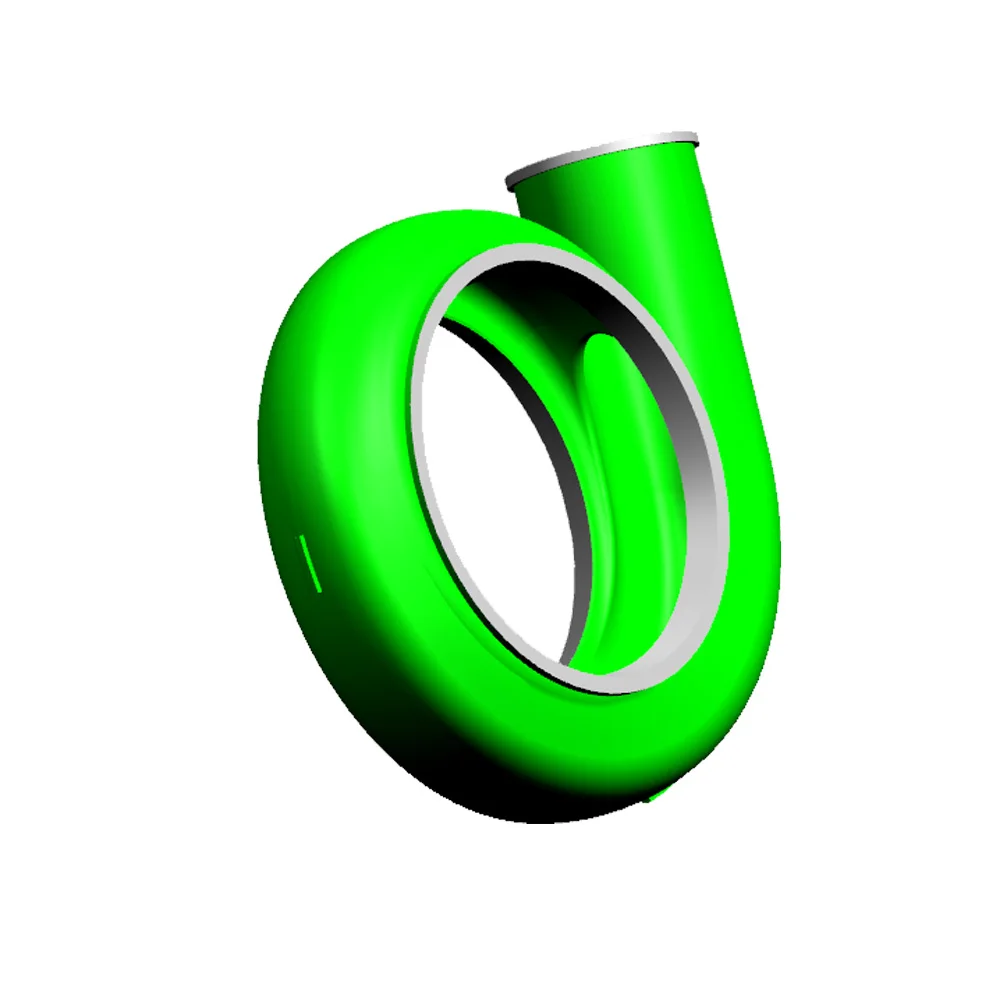
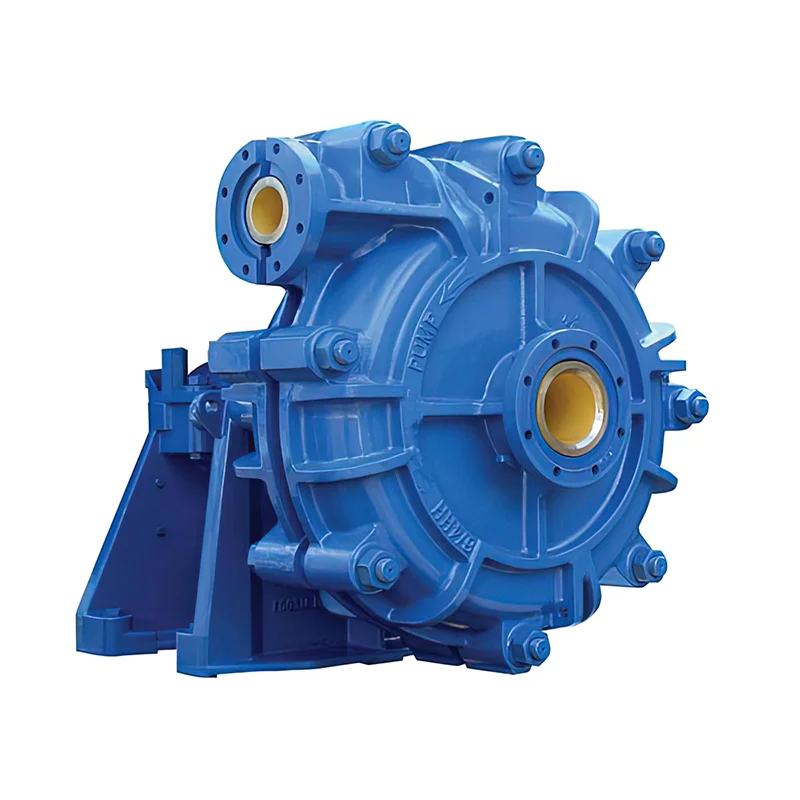
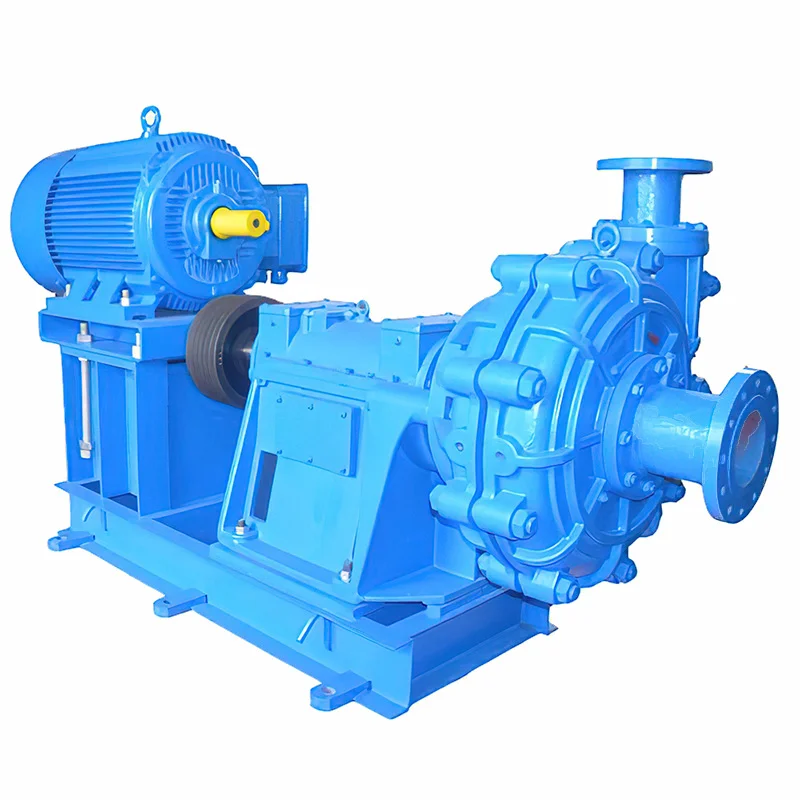
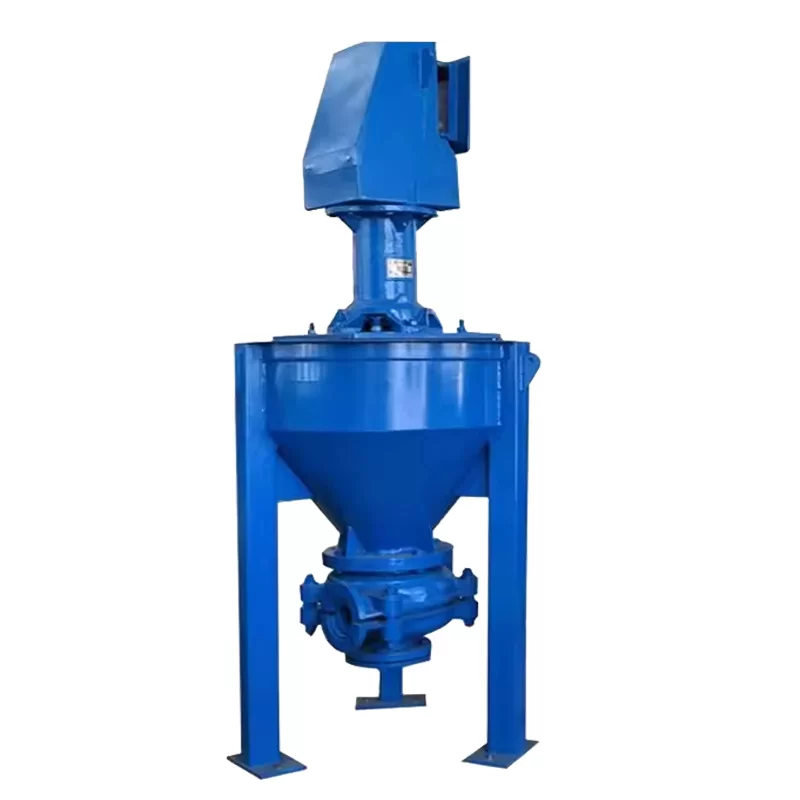
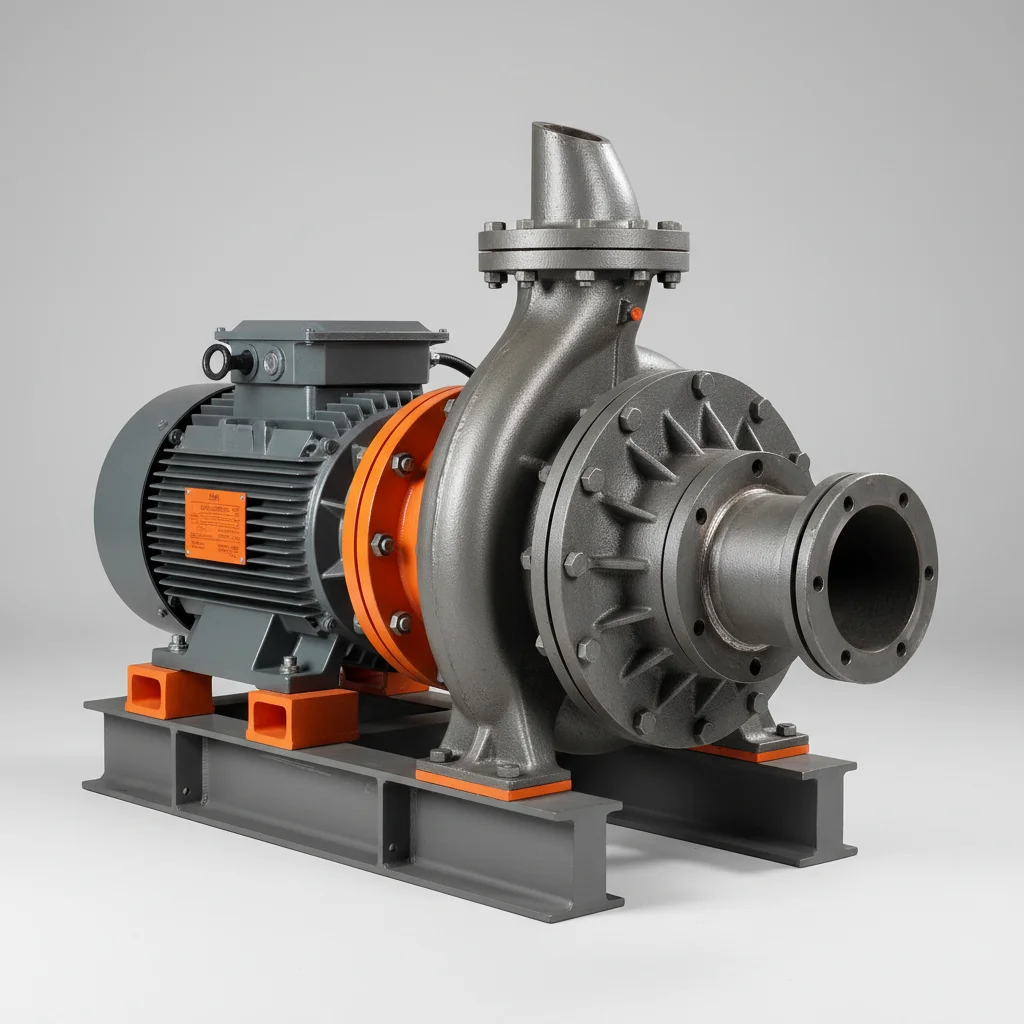
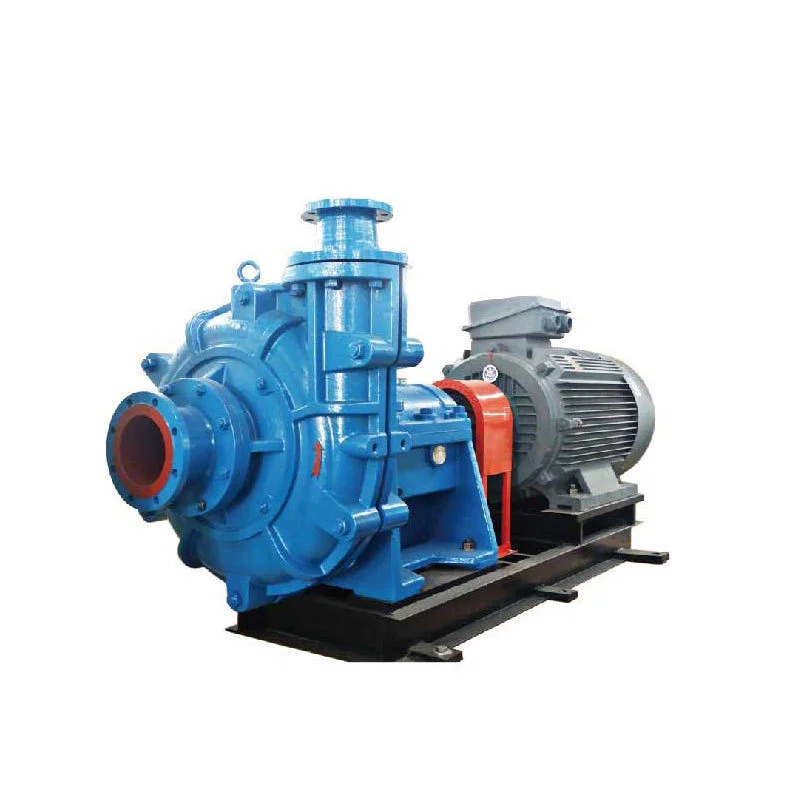
Industrial slurry pumps are specifically engineered to handle the demanding task of transporting slurries – mixtures of liquids and solid particles. Unlike standard pumps that are easily damaged by abrasive materials, slurry pumps feature robust construction and specialized designs to withstand wear and tear. They come in various types, each suited for different applications and slurry characteristics. Common types include centrifugal slurry pumps, positive displacement slurry pumps (like peristaltic pumps), and vertical slurry pumps. Selecting the appropriate pump type is essential for optimal performance and longevity. Hihorn Pump offers a wide range of slurry pump solutions tailored to specific industry needs.
Key Considerations: Robust construction, specialized designs to withstand wear and tear, wide range of options tailored to specific industry needs.
Types of Industrial Slurry Pumps and Their Applications
The choice of slurry pump depends heavily on the specific application. Centrifugal slurry pumps are the most common type, ideal for high-volume, low-to-medium pressure applications, such as transferring slurries over long distances in mining operations. Positive displacement pumps excel in handling viscous slurries and maintaining consistent flow rates, often used in chemical processing. Vertical slurry pumps are perfect for submerged applications, like sump pumping in wastewater treatment plants. Understanding the characteristics of your slurry – including particle size, concentration, and abrasiveness – is critical for making the right choice.
Slurry Pump Type Benefits:
• Centrifugal: High volume, long distances.
• Positive Displacement: Viscous slurries, consistent flow.
• Vertical: Submerged applications, sump pumping.
Centrifugal vs. Positive Displacement: A Detailed Comparison
Choosing between a centrifugal and positive displacement slurry pump is a key decision. Centrifugal pumps are generally more affordable and easier to maintain, but they are less effective with highly viscous slurries. Positive displacement pumps, while more expensive, offer superior performance with thick, abrasive materials and maintain consistent flow regardless of pressure changes.
Why Choose Hihorn Pump for Your Slurry Pumping Needs?
Hihorn Pump specializes in the design and manufacture of high-performance industrial slurry pumps. We offer a comprehensive range of pumps tailored to meet the unique challenges of diverse industries. Our pumps are known for their durability, reliability, and energy efficiency, minimizing downtime and maximizing operational productivity. We provide expert engineering support, customized solutions, and responsive customer service. Partner with Hihorn Pump for a pumping solution you can depend on.
Hihorn Pump – Product Specifications
Here's a snapshot of our popular HHH Series slurry pump specifications:
Conclusion: Partner with Hihorn Pump for Reliable Slurry Handling
Choosing the right industrial slurry pump is a vital investment for operational efficiency and longevity. Hihorn Pump offers a comprehensive range of solutions, expert support, and a commitment to quality. Contact us today to discuss your specific slurry pumping needs and find the perfect solution for your application.
Frequently Asked Questions (FAQs)
What is the best way to determine the correct size of a slurry pump?
Determining the correct slurry pump size requires careful consideration of several factors, including the slurry's specific gravity, viscosity, flow rate, and the total dynamic head (TDH) of the system. TDH accounts for friction losses in the piping and elevation changes. It's crucial to accurately measure these parameters. Hihorn Pump provides expert assistance in pump sizing, offering on-site assessments and detailed calculations to ensure optimal performance. Using a pump that is too small will result in insufficient flow, while a pump that is too large will waste energy and potentially damage the system. Consulting with our engineers will guarantee you select the right size for your needs.
What materials are slurry pumps typically made of?
Slurry pumps are constructed from a variety of materials to withstand the abrasive nature of the fluids they handle. Common materials include cast iron, stainless steel (304, 316), high-chrome alloys, and rubber linings. The choice of material depends on the slurry's composition, pH level, and operating temperature. For highly abrasive slurries, high-chrome alloys are often preferred due to their superior wear resistance. Rubber linings provide excellent corrosion protection. Hihorn Pump offers pumps constructed from a range of materials to suit diverse applications.
How often should I perform maintenance on my slurry pump?
Regular maintenance is crucial for extending the lifespan and ensuring the reliable operation of your slurry pump. We recommend a routine inspection schedule that includes checking for wear on the impeller, liners, and seals. Lubrication of bearings should also be performed regularly. The frequency of maintenance depends on the pump's operating conditions and the abrasiveness of the slurry. Hihorn Pump provides comprehensive maintenance services and offers replacement parts to minimize downtime and keep your pump running smoothly. Following the manufacturer's recommendations for maintenance intervals is vital.
What are the key benefits of using a Hihorn Pump slurry pump?
Hihorn Pump slurry pumps offer several key benefits, including exceptional durability, reliable performance, and reduced total cost of ownership. Our pumps are designed with robust construction and high-quality materials to withstand the harsh demands of slurry applications. We provide customized solutions to meet your specific needs and offer expert engineering support. Hihorn Pump is committed to delivering innovative and efficient pumping solutions that minimize downtime and maximize productivity. Contact us today to learn more.