Understanding Slurry Pump Price: A Comprehensive Guide
Determining the slurry pump price can be complex, as it depends on numerous factors including pump type, size, materials, and application. This guide will provide a detailed overview of the costs associated with slurry pumps, the elements influencing pricing, and how to find the best value for your needs. We’ll explore different pump categories and provide insights into making informed purchasing decisions. Investing in the right slurry pump is crucial for efficient and reliable operations in industries like mining, wastewater treatment, and chemical processing.
Factors Influencing Slurry Pump Price
Several key factors contribute to the final price of a slurry pump. The pump’s size and capacity are primary drivers; larger pumps designed for high flow rates will naturally cost more. The materials used in construction significantly impact price, with pumps built from more durable and corrosion-resistant materials like stainless steel or high-chrome alloys commanding a higher price point. The pump type – centrifugal, positive displacement, or peristaltic – also influences cost, with positive displacement pumps generally being more expensive. Finally, the complexity of the pump’s design, including features like variable speed drives and automatic controls, will also affect the overall price. Understanding these factors is vital when budgeting for a slurry pump system. You can find a broad range of options at HiHorn Pump.
Key Highlights: Pump size, materials, pump type, and design complexity all contribute to the final price. Selecting the appropriate materials and capacity is crucial for optimizing cost and performance.
Types of Slurry Pumps and Their Price Ranges
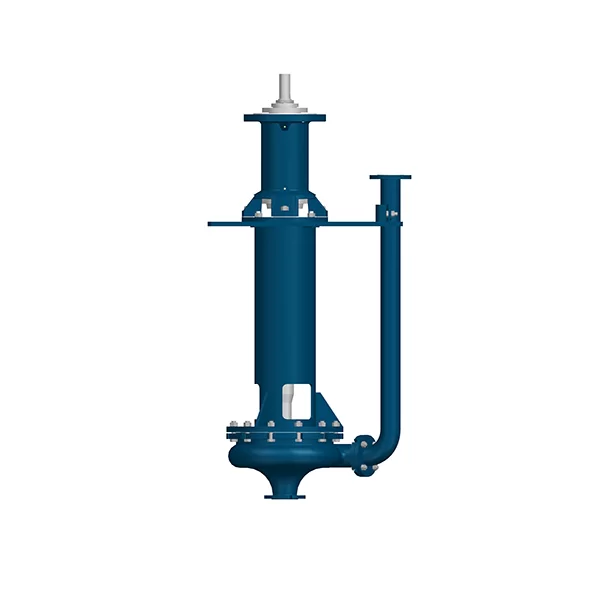
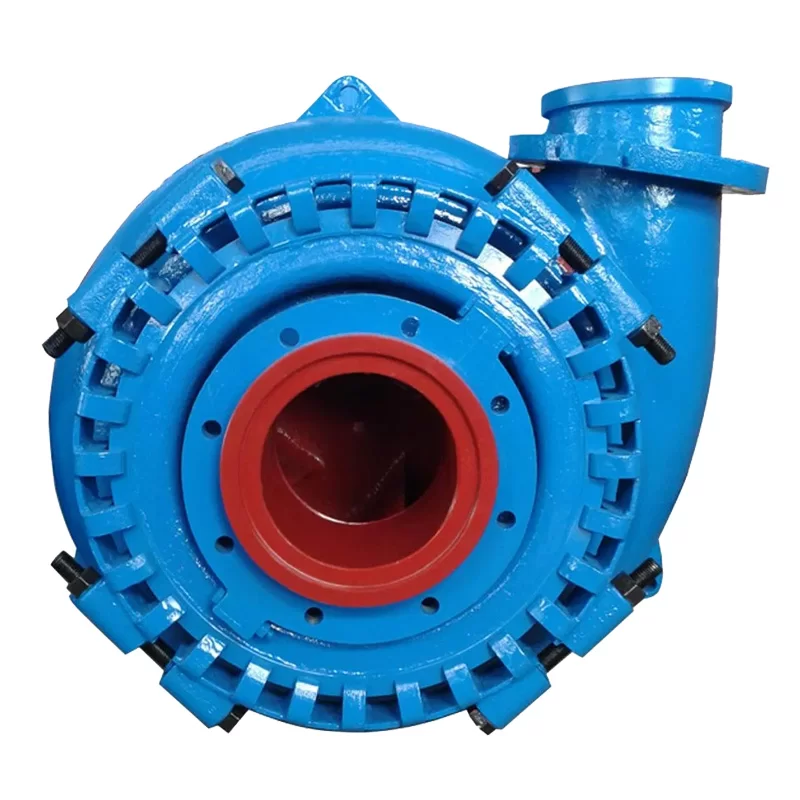
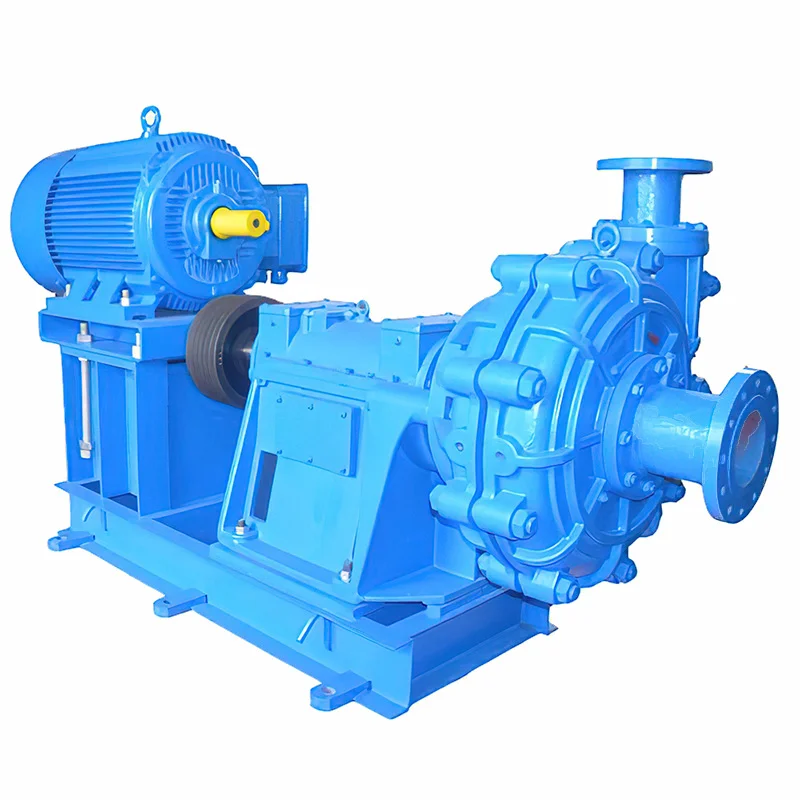
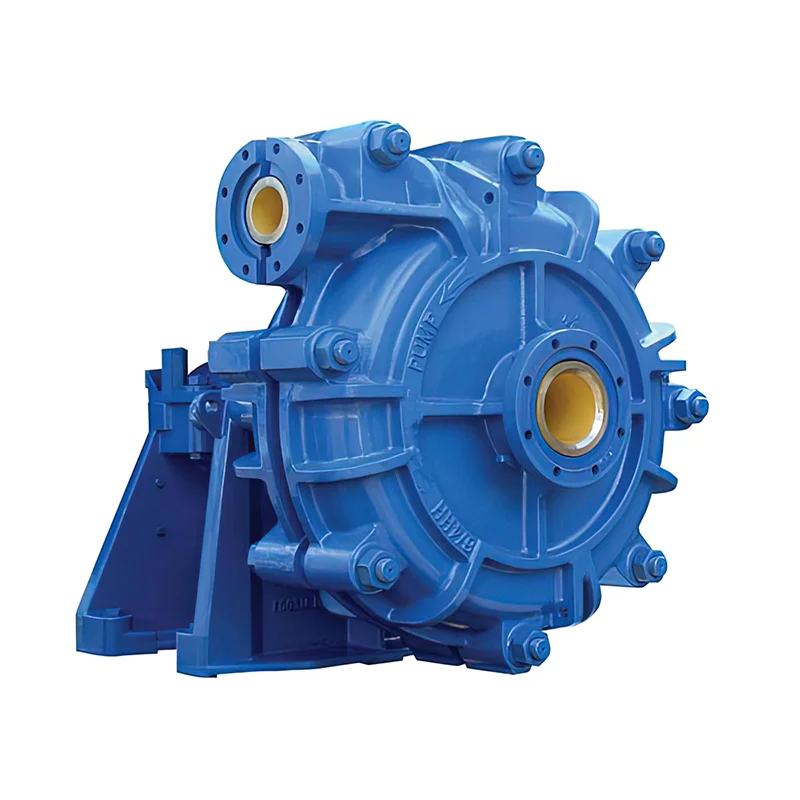
Different slurry pump types are suited for specific applications, and their prices vary accordingly. Centrifugal slurry pumps are the most common and generally the most affordable, with prices ranging from $500 to $5,000 depending on size and materials. Positive displacement pumps, such as diaphragm pumps or peristaltic pumps, are more expensive, typically ranging from $2,000 to $10,000 or higher. The choice of pump type depends on the slurry’s viscosity, solids content, and abrasiveness. A proper selection will save costs in the long run and provide optimum performance. You can find detailed specifications and pricing information at HiHorn Pump's website.
Pump Type Price Guide:
• Centrifugal Pumps: $500 - $5,000
• Positive Displacement Pumps: $2,000 - $10,000+
• Peristaltic Pumps: $1,500 - $8,000
Slurry Pump Price Comparison: Materials and Durability
The material of construction plays a significant role in both the price and longevity of a slurry pump. Cast iron pumps are the most affordable, typically ranging from $600 to $3,000, but are less resistant to corrosion and abrasion. Stainless steel pumps offer better corrosion resistance and are priced between $2,000 and $8,000. High-chrome alloy pumps are the most durable and are ideal for highly abrasive slurries, with prices ranging from $3,000 to $12,000 or higher. Consider the slurry composition and operating environment when choosing a material to ensure optimal performance and minimize maintenance costs. A detailed comparison chart is shown below.
Additional Costs Beyond the Pump Itself
The total cost of a slurry pumping system extends beyond the pump itself. Installation costs can vary significantly based on site conditions and complexity, potentially adding $500 to $5,000 or more. Ongoing maintenance, including parts replacement and routine servicing, should also be factored into the budget. Consider the cost of accessories like piping, valves, and control systems. Finally, energy consumption is a crucial operating cost – selecting an energy-efficient pump can save money over the long term. HiHorn Pump provides comprehensive support, including installation guidance and maintenance services.
Finding the Best Value in Slurry Pump Pricing
To ensure you’re getting the best value, obtain quotes from multiple suppliers. Carefully compare not only the pump price but also the included features, warranty terms, and available support services. Consider the total cost of ownership, including installation, maintenance, and energy consumption. Look for reputable brands with a proven track record of reliability and performance. Don't hesitate to discuss your specific application requirements with the supplier to ensure you're selecting the most appropriate pump for your needs. HiHorn Pump is committed to providing high-quality slurry pumps at competitive prices.
Conclusion: Investing in the Right Slurry Pump
Understanding the nuances of slurry pump price is vital for making informed decisions. By carefully considering factors like pump type, materials, and total cost of ownership, you can select a pump that delivers optimal performance and long-term value. Don't compromise on quality – choose a reputable supplier and invest in a pump that meets your specific application requirements.
Frequently Asked Questions (FAQs)
What is the typical lifespan of a slurry pump?
The lifespan of a slurry pump varies significantly depending on the application, the abrasiveness of the slurry, and the quality of maintenance. Generally, a well-maintained slurry pump can last between 5 and 10 years. However, pumps handling highly abrasive slurries may require more frequent maintenance and have a shorter lifespan. Regular inspections, proper lubrication, and timely replacement of worn parts are crucial for maximizing the pump’s longevity. Selecting a pump constructed from durable materials like high-chrome alloy can also extend its lifespan.
How can I reduce the overall cost of slurry pumping?
Several strategies can help reduce the overall cost of slurry pumping. Optimizing the slurry mixture to reduce solids content and particle size can minimize wear and tear on the pump. Selecting an energy-efficient pump and implementing variable speed drives can lower energy consumption. Establishing a proactive maintenance schedule and promptly addressing any issues can prevent costly breakdowns. Finally, choosing a pump constructed from the appropriate materials for your specific slurry composition can extend its lifespan and reduce the frequency of repairs.
What should I consider when requesting a slurry pump quote?
When requesting a slurry pump quote, provide detailed information about your application, including the slurry’s composition, flow rate, solids content, particle size, and operating pressure. Specify the required pump capacity, material of construction, and any specific features or accessories. Request a breakdown of all costs, including the pump price, installation costs, and any applicable shipping charges. Inquire about warranty terms and available support services. Finally, ask for references from other customers to assess the supplier’s reputation and reliability.
Are there any financing options available for slurry pump purchases?
Some slurry pump suppliers offer financing options or leasing programs to help customers manage the cost of their purchases. These options can be particularly beneficial for companies with limited capital budgets. It’s worth inquiring about financing options when requesting a quote. Alternatively, you may be able to explore traditional financing options through your bank or other lending institutions.