
Thailand’s Leading industrial sump pump Solutions

Thailand’s Leading industrial sump pump Solutions

Thailand's Leading industrial sump pump Solutions

Providing robust and reliable pump systems for Thailand's diverse industrial needs.

Thailand's Leading industrial sump pump Solutions

Offering a comprehensive range of pumps designed for the specific challenges of the Thai industrial landscape.

Current State of the Slurry Pump Market in Thailand

Understanding the unique demands of Thailand's industrial sector.

Thailand’s industrial sector, particularly mining, wastewater treatment, and manufacturing, heavily relies on efficient slurry pump technology. The country's geography, characterized by extensive river systems and a focus on agricultural processing, demands heavy duty slurry pumps capable of handling abrasive materials and varying solids concentrations. The demand is primarily driven by infrastructure projects and a growing industrial base.

The Thai climate, with its distinct wet and dry seasons, presents challenges for pump operation. During the rainy season, increased water flow and sediment loads put extra strain on pumps. Therefore, robust and corrosion-resistant materials are essential. Local businesses increasingly prioritize durability and long-term cost-effectiveness over initial purchase price, seeking reliable solutions from established manufacturers.

The current market is competitive, with a mix of local manufacturers and international suppliers. Price sensitivity is significant, but there's a growing awareness of the value of quality and after-sales service. Adoption of advanced pump technologies is still developing, although increasing due to the need to meet stringent environmental regulations.
Evolution of Slurry Pump Technology in Thailand

Tracing the development of pump systems in the Thai industrial context.

Market Development History

In the 1980s and 90s, the slurry pump market in Thailand was largely served by basic centrifugal pumps often imported from China. These pumps were primarily used in mining and agriculture, focusing on affordability rather than efficiency or longevity. Maintenance was frequent, and downtime was a significant issue.

The early 2000s saw the introduction of more sophisticated pumps, including those with improved impeller designs and wear-resistant materials like high-chrome alloys. This was driven by the expansion of the construction and wastewater treatment sectors. Local manufacturers began to emerge, often collaborating with international technology providers.

From 2010 onwards, there has been a growing demand for specialized pumps – submersible sump pump, and pumps designed for specific applications like handling highly abrasive slurries in mineral processing. Energy efficiency and remote monitoring capabilities have become increasingly important considerations.

Future Development Trends

Smart Pump Integration

The integration of IoT sensors and data analytics will allow for predictive maintenance, optimized pump performance, and reduced downtime. This trend is aligned with Thailand 4.0 initiative focusing on digital transformation.

Eco-Friendly Designs

Increasing environmental regulations and a growing focus on sustainability will drive the demand for energy-efficient pumps and those with reduced emissions. The use of biodegradable materials and improved sealing technologies will be crucial.

Advanced Materials

Continued development of wear-resistant materials, such as ceramics and composite alloys, will extend pump lifespan and reduce maintenance costs, particularly in highly abrasive applications like gravel pump use.

Industry Trends and Future Outlook for Slurry Pumps in Thailand

Analyzing the trajectory of the pump industry in the Thai market.

Growing Demand in Wastewater Treatment
Thailand's investment in wastewater treatment infrastructure is increasing, leading to a higher demand for reliable slurry pumps capable of handling sludge and abrasive solids.
Mining Sector Expansion
Increased mining activities, particularly for minerals and ores, necessitate robust heavy duty slurry pumps for material handling and processing.
Demand for Submersible Pumps
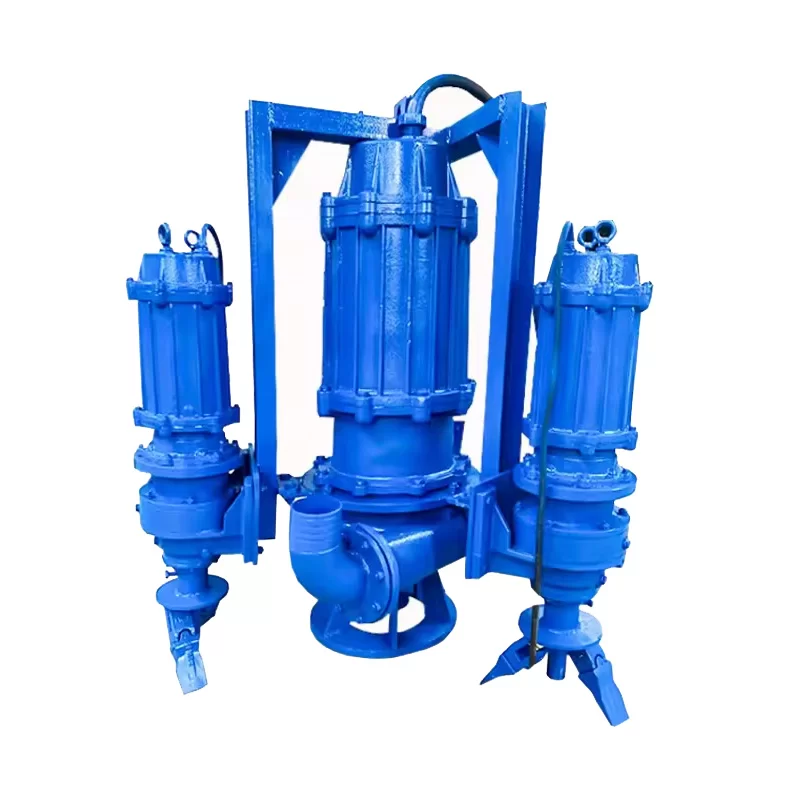
Increasingly, submersible sump pump are being adopted for their ease of installation and ability to handle solids efficiently.
Focus on Energy Efficiency
Driven by rising energy costs and environmental concerns, there is a growing demand for energy-efficient pump designs and variable frequency drives (VFDs).

Industry Outlook

The Thai slurry pump market is expected to grow at a steady pace over the next 3-5 years, driven by infrastructure development, industrial expansion, and increasing environmental regulations. The adoption of advanced technologies such as smart pumps and energy-efficient designs will be key to staying competitive.

Google Trends data indicates a consistent search interest in terms like "slurry pump Thailand" and "industrial pump solutions," suggesting a continuing need for reliable and efficient pumping systems. Local manufacturers with strong technical expertise and after-sales support are well-positioned to capitalize on this growth.

Localized Application Scenarios in Thailand

Real-world applications of slurry pumps in various Thai industries.

1. Tin Mining in Southern Thailand

Southern Thailand is a significant tin producing region. Heavy duty slurry pumps are crucial for dredging and processing tin-rich sediments, requiring pumps capable of handling highly abrasive materials and operating in challenging marine environments.

2. Sugar Cane Processing

Thailand is a major sugar producer. Slurry pumps are used extensively in sugar mills to handle bagasse, a fibrous residue from sugarcane, as well as wastewater containing solids.

3. Wastewater Treatment Plants in Bangkok

Bangkok’s wastewater treatment facilities rely on pumps to manage sewage and sludge. Industrial sump pump are vital for effectively removing solids and ensuring efficient plant operation.

4. Fruit Processing Industries

Thailand's fruit processing industry (mango, pineapple, etc.) generates significant organic waste. Slurry pumps are used to transfer and dispose of this waste efficiently, often requiring pumps designed to handle viscous fluids and large solids.

5. Limestone Quarrying in Northern Thailand

Northern Thailand’s limestone quarries utilize gravel pump for moving limestone slurry during processing and transportation.

Brand Story

Shijiazhuang Honghong Pump Industry Co., Ltd.'s Global Development Journey

Foundation and Core Values

Established in 2005, Shijiazhuang Honghong Pump Industry Co., Ltd. was founded on a commitment to providing reliable and innovative pumping solutions for challenging industrial applications.

Technological Advancement

Throughout the 2010s, we invested heavily in research and development, incorporating advanced materials and designs into our pump portfolio.

Global Expansion

We expanded our reach to international markets, establishing partnerships with distributors and serving customers across Asia, Africa, and South America.

Commitment to Sustainability

We are dedicated to developing eco-friendly pump designs that minimize energy consumption and reduce environmental impact.

Focus on Customer Satisfaction

Our mission is to provide exceptional customer service and build long-term relationships based on trust and reliability.

Complete Product Range for Thailand

A wide selection of pumps tailored to meet the specific needs of Thai industries.

Frequently Asked Questions - Thailand

Addressing common inquiries about slurry pumps in the Thai market.

What are the key considerations when selecting a heavy duty slurry pumps for a Thai mining operation?

Factors to consider include the slurry's composition (particle size, concentration, abrasiveness), flow rate requirements, head pressure, and the operating environment (temperature, humidity, potential for corrosion). Choosing a pump with appropriate wear-resistant materials and a robust design is crucial.

How can I ensure the longevity of my slurry pumps in a corrosive environment?

Select pumps constructed from corrosion-resistant materials such as stainless steel, high-chrome alloys, or rubber linings. Regular inspection and maintenance, including replacing worn parts and ensuring proper sealing, are also essential.

What are the advantages of using a submersible sump pump in a wastewater treatment facility?

Submersible pumps eliminate the need for priming and are ideal for handling solids-laden wastewater. They are also more energy-efficient and require less maintenance than traditional surface-mounted pumps.

What maintenance schedule is recommended for industrial sump pump operating in a demanding industrial setting?

Regular maintenance should include daily visual inspections, monthly checks of bearings and seals, and annual overhauls to replace worn parts. Proper lubrication and monitoring of pump performance are also crucial.

How do I choose the right size gravel pump for my specific application?

Proper sizing requires careful consideration of the flow rate, head pressure, and characteristics of the gravel being pumped. Consulting with a pump specialist is recommended to ensure optimal performance and efficiency.

What are the benefits of using variable frequency drives (VFDs) with slurry pumps?

VFDs allow you to control the pump's speed, optimizing energy consumption and reducing wear and tear. They also provide greater flexibility in adjusting the flow rate to match changing process demands.

Get in Touch With Us

We are here to help you find the perfect pumping solution for your needs in Thailand.

Contact Us Now

If you are interested in our products, you can choose to leave your information here, and we will be in touch with you shortly.