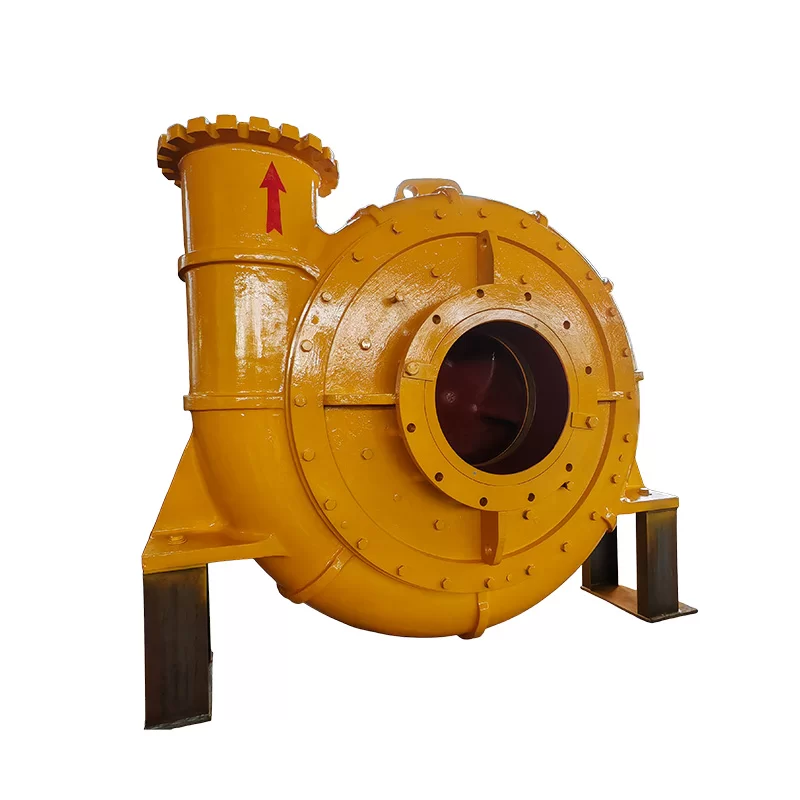
The Ultimate Guide to Selecting a 6 Inch Gravel Pump
In demanding industrial environments, moving abrasive materials requires equipment that combines raw power with extreme durability. A 6 inch gravel pump is specifically engineered to handle the toughest slurry, sand, and gravel mixtures without succumbing to rapid wear. Whether you are managing a large-scale mining operation, dredging a pond, or handling flood control in rocky terrain, choosing the right pump is the difference between seamless productivity and costly downtime. This guide explores the technical nuances and operational advantages of these high-capacity machines to help you make an informed investment.

Understanding the Engineering of a 6 Inch Gravel Pump
The primary challenge of pumping gravel is abrasion. Standard water pumps would be destroyed in hours by the friction of jagged stones. A professional 6 inch gravel pump solves this by utilizing high-chrome alloys or hardened rubber liners in the impeller and casing. The "6 inch" designation refers to the discharge diameter, allowing for a significantly higher volume of material to pass through the system compared to smaller units. This design minimizes clogging and reduces the velocity of the fluid just enough to protect the internal components while maintaining a high flow rate.
Pro Tip: Always ensure the pump's solids-handling capacity matches the maximum particle size of your gravel to prevent impeller blockages and maintain peak efficiency.
Key Performance Metrics for 6 Inch Gravel Pumps
When evaluating a 6 inch gravel pump, two metrics are critical: Total Dynamic Head (TDH) and Flow Rate. The flow rate determines how many cubic meters of slurry can be moved per hour, while the TDH indicates how high or how far the pump can push that heavy mixture. Because gravel increases the density of the fluid, the pump must work harder than it would for clean water. Understanding these specifications ensures you don't undersize your equipment, which would lead to frequent cavitation and motor failure.
Comparing the 6 Inch Gravel Pump to Standard Dewatering Pumps
Many operators make the mistake of using a standard dewatering pump for gravel tasks. While both may have a 6-inch outlet, the internal architecture is vastly different. A standard pump is designed for efficiency in clear or slightly silty water; however, when introduced to gravel, the impeller suffers from "scouring," leading to a rapid loss of pressure. The specialized 6 inch gravel pump utilizes a semi-open or open impeller design, which allows solids to pass through with minimal turbulence, drastically reducing the wear and tear on the pump casing.

Industrial Applications of the 6 Inch Gravel Pump
The versatility of the 6 inch gravel pump makes it an essential asset across several heavy-duty industries. In mining, it is used for tailings management and removing slurry from pits. In civil construction, these pumps are indispensable for foundation excavation where groundwater is mixed with rocky debris. Additionally, they are widely used in municipal dredging to clear riverbeds and harbors. The ability to move high volumes of heavy solids ensures that project timelines are met without the need for constant equipment replacement.
Maintenance Tips for Extending Pump Life
To maximize the ROI of your 6 inch gravel pump, a rigorous maintenance schedule is required. First, always ensure the pump is properly primed to avoid dry running, which can overheat the mechanical seals. Second, regularly inspect the wear plate and impeller for thinning; replacing these "sacrificial" parts early prevents damage to the main pump housing. Finally, monitor the vibration levels of the motor. Excessive vibration often indicates an unbalanced impeller due to uneven wear, which, if left unchecked, can lead to catastrophic shaft failure.
Choosing the Right Power Source for Your Pump
Depending on the job site, your 6 inch gravel pump can be paired with different power units. Diesel engines are the industry standard for remote sites, offering the high torque necessary to start a pump loaded with heavy solids. Electric motors are preferred for permanent installations or sites with existing power grids, offering lower operational costs and reduced noise pollution. When selecting a power source, always ensure the engine's horsepower exceeds the pump's requirements by at least 15% to handle the surge in resistance when thick gravel enters the system.
Conclusion: Optimizing Your Slurry Management
Investing in a high-quality 6 inch gravel pump is a strategic decision that ensures operational continuity in the face of abrasive challenges. By focusing on material quality, understanding flow dynamics, and adhering to a strict maintenance regimen, you can drastically reduce downtime and labor costs. Whether for mining, dredging, or construction, the right pump doesn't just move material—it drives the efficiency of your entire project.
Frequently Asked Questions (FAQs)
Can a 6 inch gravel pump handle purely rocky material without water?
No, these are centrifugal pumps, which require a liquid medium to create the vacuum and transport the solids. The pump moves a "slurry"—a mixture of water and gravel. If you attempt to pump dry rocks, the pump will not prime, and the impeller will likely sustain severe damage due to lack of lubrication and cooling. Always ensure there is a sufficient water-to-solid ratio to allow the material to flow smoothly through the 6-inch discharge.
How often should the impeller be replaced in a gravel pump?
The replacement frequency depends entirely on the "hardness" of the gravel and the concentration of solids. In highly abrasive mining environments, wear parts might need inspection every 500 operating hours. In lighter construction use, they may last for several thousand hours. We recommend monitoring the flow rate; a significant drop in discharge volume usually indicates that the impeller has worn down and is no longer providing the necessary centrifugal force.
What is the difference between a rubber-lined and chrome-alloy pump?
Rubber-lined pumps are superior for handling fine, abrasive particles (like sand or silt) because the rubber "absorbs" the impact of the particles. Chrome alloys, however, are far better for larger, jagged rocks and gravel that would tear through rubber. If your material consists of sharp, heavy stones, a high-chrome 6 inch gravel pump is the most durable choice to prevent premature casing failure.
How do I prevent cavitation in my gravel pump?
Cavitation occurs when the pump cannot get enough fluid to fill the impeller, creating vacuum bubbles that implode and pit the metal. To prevent this, keep the suction lift as short as possible and use a suction hose with a smooth interior to minimize friction. Additionally, ensure the intake strainer is not clogged with oversized rocks, as this restricts flow and starves the pump, leading to cavitation and potential mechanical failure.