Sand slurry pump systems are vital components in numerous industries globally, facilitating the efficient and reliable transport of abrasive materials. From dredging operations maintaining navigable waterways to the processing of minerals in mining, and even the removal of sediment in wastewater treatment plants, these pumps are essential for a wide spectrum of applications. The demand for robust and effective sand slurry pump solutions continues to rise alongside increasing industrialization and infrastructure development worldwide.
The importance of sand slurry pump extends beyond mere material handling; it directly impacts operational efficiency, reduces downtime, and contributes to cost savings for businesses. Investing in the right pump technology isn't simply a capital expenditure—it’s a strategic move toward sustainability, improved productivity, and minimizing environmental impact. The evolution of these pumps reflects ongoing innovation in materials science, hydraulic design, and pump control systems.
Understanding the nuances of sand slurry pump selection, operation, and maintenance is therefore crucial for professionals in these sectors. This article will delve into the core principles, applications, advancements, and challenges surrounding this essential piece of industrial equipment, providing insights for informed decision-making.

Introduction to Sand Slurry Pump Systems
A sand slurry pump is a type of pump specifically designed to handle mixtures of liquids and solid particles – often referred to as slurries – which contain significant amounts of abrasive materials like sand, gravel, and other solids. These pumps differ significantly from standard centrifugal pumps due to their robust construction and specialized design features, such as hardened impellers and wear-resistant linings.
The design of a sand slurry pump is driven by the need to withstand the erosive and corrosive effects of abrasive slurries, ensuring long-term reliability and minimizing maintenance requirements. sand slurry pump selection is thus critical and depends greatly on the slurry's composition, particle size, concentration, and flow rate.
Global Relevance and Industry Challenges
The global demand for sand slurry pump is intrinsically linked to major industrial sectors, including mining, dredging, wastewater treatment, and oil and gas. According to reports from the World Bank, global infrastructure spending is projected to reach trillions of dollars in the coming decades, driving increased demand for materials handling equipment, including specialized pumps. The construction boom in emerging economies, coupled with the need for ongoing maintenance of existing infrastructure, further fuels this demand.
However, several challenges confront the sand slurry pump industry. Rising material costs, coupled with increasing demands for energy efficiency and environmental sustainability, are putting pressure on manufacturers to innovate. The need to reduce water consumption and minimize the environmental impact of dredging and mining operations is also driving the development of more efficient and environmentally friendly pump technologies.
Furthermore, harsh operating conditions and the abrasive nature of the slurries they handle lead to significant wear and tear, requiring frequent maintenance and potentially costly repairs. Addressing these challenges necessitates ongoing research and development into improved materials, pump designs, and predictive maintenance strategies.
Defining Sand Slurry Pump Technology
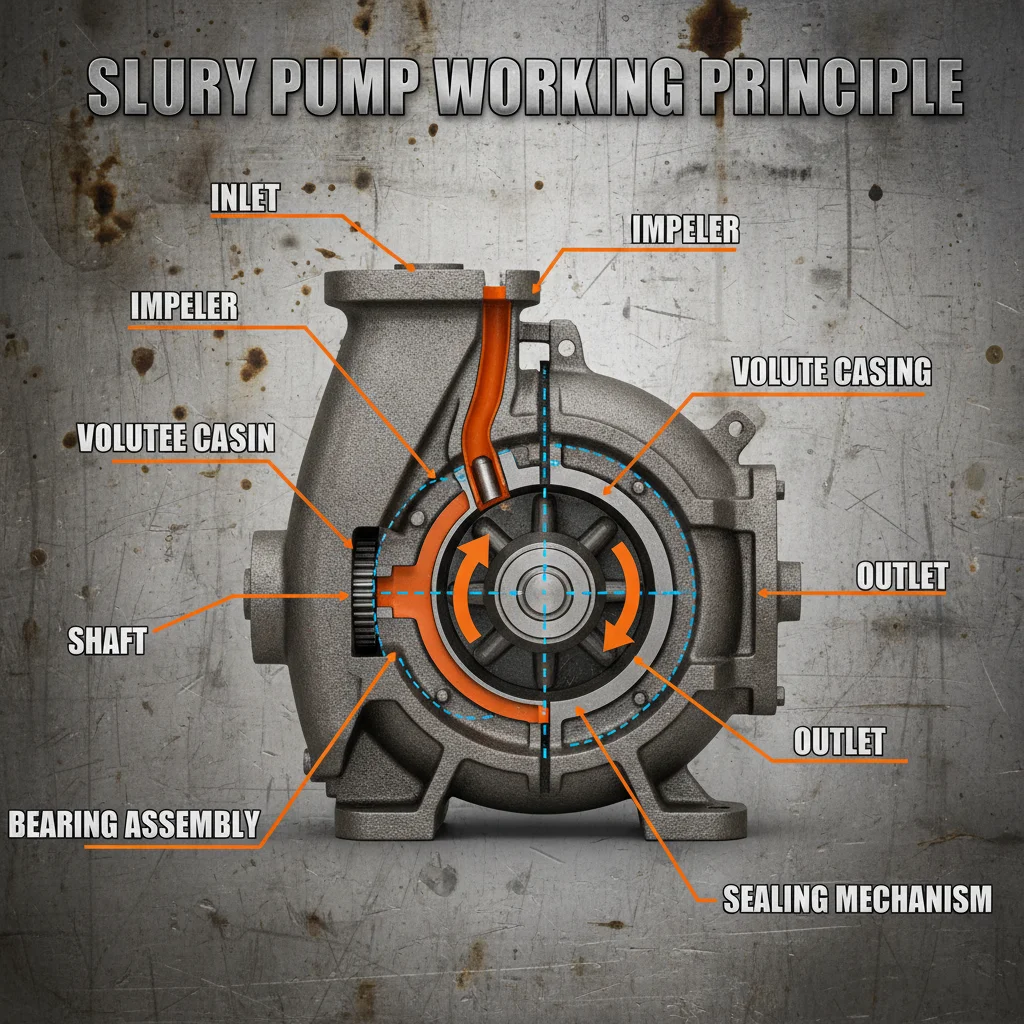
At its core, a sand slurry pump operates on the principle of positive displacement or centrifugal force, modified to effectively transport abrasive slurries. Unlike standard pumps, sand slurry pumps often incorporate features such as hardened materials (high-chrome alloys, ceramics, or rubber linings) to protect internal components from wear. The impeller design is also crucial, often featuring larger passages and more robust construction to prevent clogging and erosion.
The choice between centrifugal and positive displacement sand slurry pump depends heavily on the specific application. Centrifugal pumps are generally preferred for high-flow, low-head applications, while positive displacement pumps are better suited for high-head, low-flow situations or when precise flow control is required. The slurry's characteristics—particle size, concentration, and abrasiveness—also play a key role in pump selection.
Modern sand slurry pump technologies also incorporate advanced monitoring and control systems, enabling operators to optimize pump performance, detect potential issues early, and minimize downtime. These systems often include sensors that monitor flow rate, pressure, vibration, and bearing temperature, providing valuable data for proactive maintenance.
Key Factors in Sand Slurry Pump Performance
Several key factors dictate the performance and longevity of a sand slurry pump. Durability is paramount, directly impacted by the materials used in the pump’s construction. Impeller materials, casing linings, and seals must be resistant to erosion, corrosion, and abrasion. Scalability refers to the pump’s ability to handle varying slurry volumes and solid concentrations, crucial for adapting to fluctuating operational demands.
Cost efficiency extends beyond the initial purchase price, encompassing factors like energy consumption, maintenance requirements, and overall lifespan. A pump with a higher upfront cost may prove more economical in the long run if it requires less maintenance and offers superior efficiency.
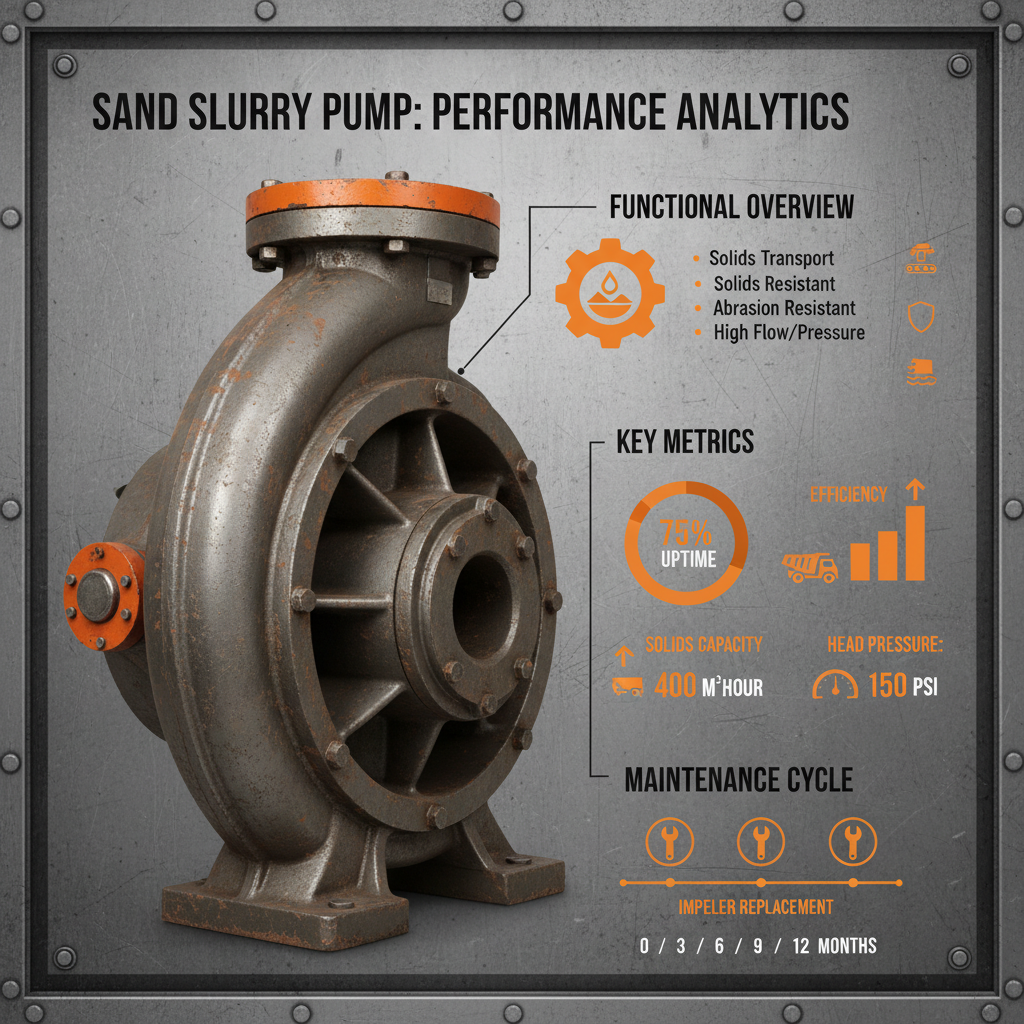
Sand Slurry Pump Performance Metrics
Global Applications and Use Cases
Sand slurry pump find extensive use in the mining industry for transporting ore slurries, tailings, and process water. In dredging operations, they are crucial for removing sediment from waterways, harbors, and canals. Wastewater treatment plants rely on these pumps to handle sludge and grit, ensuring efficient and reliable operation.
Furthermore, the oil and gas sector utilizes sand slurry pump for transporting drilling muds and produced water. In remote industrial zones, where access to water is limited, these pumps are used for conveying abrasive materials over long distances. In post-disaster relief operations, they can be used to clear debris and restore critical infrastructure.
Advantages and Long-Term Value
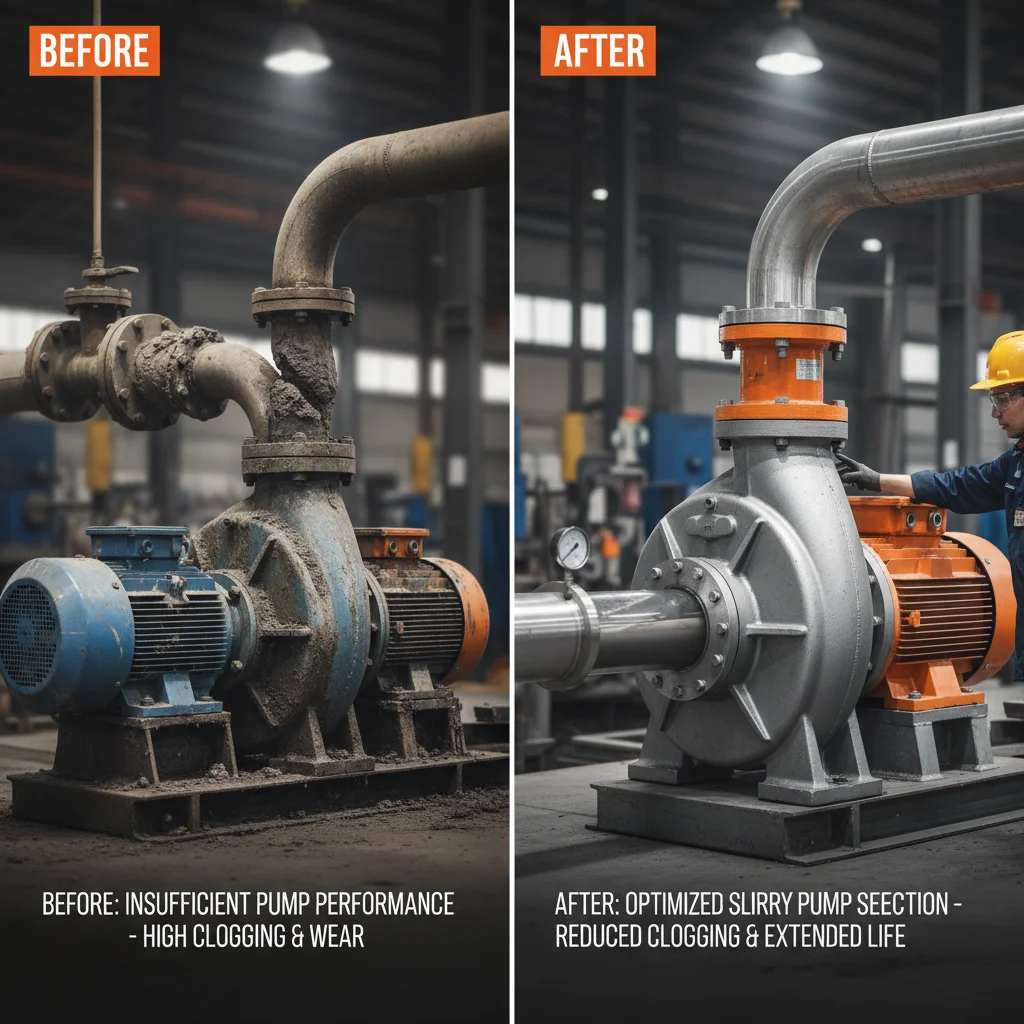
Investing in a high-quality sand slurry pump offers several tangible benefits. Reduced maintenance costs are a primary advantage, thanks to the pump’s robust construction and wear-resistant materials. Increased operational efficiency translates into lower energy consumption and higher throughput. Improved reliability minimizes downtime, reducing production losses and maximizing profitability.
Beyond the economic advantages, the responsible use of sand slurry pump contributes to sustainability by minimizing environmental impact and promoting resource conservation. Providing safe and reliable material handling also enhances worker safety and fosters trust with stakeholders.
Future Trends and Innovations
The future of sand slurry pump technology is poised for significant advancements. The development of new materials, such as advanced ceramics and composite polymers, promises to further enhance pump durability and resistance to abrasion. Digitalization and the integration of IoT sensors are enabling predictive maintenance and remote monitoring, optimizing pump performance and minimizing downtime.
Furthermore, the industry is increasingly focused on developing energy-efficient pump designs and exploring alternative drive technologies, such as variable frequency drives (VFDs), to reduce energy consumption and lower operating costs. Sustainability concerns are also driving the development of pumps designed to minimize water usage and reduce environmental impact.
Automation and artificial intelligence are expected to play a growing role in pump control and optimization, enabling autonomous operation and maximizing efficiency. These innovations will lead to a new generation of sand slurry pump that are more reliable, efficient, and sustainable.
FAQS
Centrifugal pumps excel in high-flow, low-head applications while positive displacement pumps are better for high-head, low-flow and precise control. Centrifugal pumps are generally more cost-effective for large volumes, but positive displacement pumps offer superior performance with viscous or highly abrasive slurries. Material selection is also crucial; centrifugal pumps often use hardened impellers, while positive displacement pumps may require specialized seals and linings.
Selecting the right pump requires a thorough understanding of your slurry’s characteristics – particle size, concentration, abrasiveness, and flow rate. Consider the total dynamic head (TDH) required, the pump's flow rate capacity, and the potential for clogging. Consulting with a pump specialist is highly recommended to ensure optimal performance and longevity.
The lifespan of a sand slurry pump varies significantly depending on the application and maintenance practices. Generally, with proper maintenance and appropriate material selection, a well-maintained pump can operate for 5-10 years or more. However, highly abrasive slurries can significantly reduce lifespan, requiring more frequent component replacements.
Regular maintenance is crucial for maximizing pump lifespan. Inspections should be conducted monthly, focusing on bearing lubrication, seal integrity, and impeller wear. Component replacements should be scheduled based on operating hours and wear patterns. Implementing a preventative maintenance program can significantly reduce downtime and repair costs.
Common failure points include impeller wear, seal failure, and bearing damage. Improper pump selection, abrasive slurries, and inadequate maintenance contribute to these failures. Cavitation, caused by insufficient suction pressure, can also severely damage pump components. Regularly monitoring pump performance and addressing issues promptly can prevent catastrophic failures.
Optimizing pump speed with VFDs, implementing a preventative maintenance program, selecting energy-efficient pump designs, and using wear-resistant materials can all contribute to reduced operating costs. Regularly monitoring pump performance and addressing any issues promptly can also prevent costly repairs and downtime.
Conclusion
In conclusion, sand slurry pump are indispensable components in a vast array of industries, facilitating the efficient and reliable transportation of abrasive materials. Their selection, operation, and maintenance are critical factors influencing operational efficiency, cost-effectiveness, and environmental sustainability. Understanding the nuances of pump technology, from material science to control systems, is essential for professionals seeking to optimize performance and minimize downtime.
Looking ahead, continued innovation in materials, digitalization, and automation will drive the development of even more efficient, reliable, and sustainable sand slurry pump. Embracing these advancements will be crucial for organizations seeking to remain competitive in a rapidly evolving industrial landscape. For expert advice and a wide range of sand slurry pump solutions, visit our website today: www.hihornpump.com