Slurry pump selection isn't just about moving liquids; it's about keeping projects running, budgets in check, and people safe. After years on muddy construction sites, wrestling with different pumps and seeing what works – and spectacularly doesn't – it's clear that getting this right is crucial. The global infrastructure landscape is booming, particularly in developing nations and with increasing demands for resource extraction. The UN estimates a $1.5 trillion annual infrastructure gap, and a lot of that relies on efficiently moving abrasive materials. Poor slurry pump selection leads to downtime, costly repairs, and even environmental hazards. Understanding the nuances can be the difference between a project thriving and becoming a logistical nightmare.
The industry is also seeing a surge in environmental regulations, making the proper handling of wastewater and sludge increasingly important. Think about mining operations – they're under intense scrutiny for their environmental impact. Effective slurry pump selection is no longer a secondary concern; it’s central to sustainable operations. From dredging harbors to processing wastewater, the demand for reliable and efficient slurry pumps is only going to grow. It’s not enough to just grab the cheapest option; we need to consider the long-term implications.
Ultimately, slurry pump selection is the cornerstone of many industrial processes. It's a practical problem with real-world consequences, directly impacting project success and operational efficiency. I've seen firsthand how a well-chosen pump can save weeks on a project schedule and thousands in maintenance costs, while a poorly selected one can bring everything grinding to a halt. It’s about problem-solving, understanding the specific challenges, and choosing the right tool for the job.
Defining Slurry Pump Selection
Slurry pump selection, at its core, is the process of identifying and choosing the most appropriate pump for handling a mixture of solids and liquids – the ‘slurry’. It’s far more complex than simply looking at flow rates and head pressure. You’ve got to consider the slurry’s composition, particle size, abrasiveness, and the overall system requirements. I’ve seen guys try to cut corners with a standard centrifugal pump on a highly abrasive slurry – it’s a recipe for disaster.
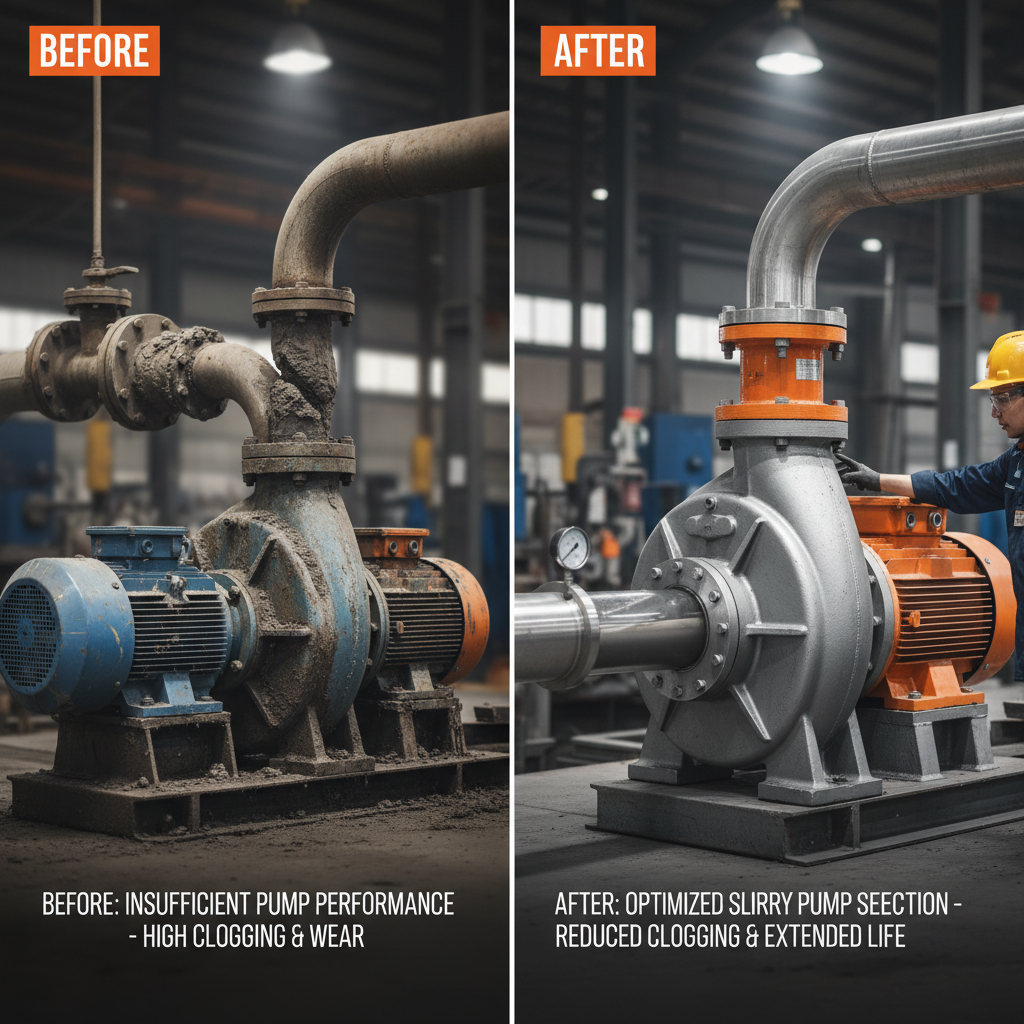
This isn't just relevant to heavy industry. Think about wastewater treatment plants, where pumps handle everything from sewage to grit. Or dredging operations, where they move tons of sediment. The modern challenge is optimizing this process for efficiency, durability, and environmental responsibility. A proper selection minimizes downtime, reduces maintenance costs, and ensures regulatory compliance. It's a critical component of maintaining operational integrity.
The Global Importance of Slurry Pump Selection
Globally, the demand for effective slurry pump selection is driven by massive infrastructure projects and resource extraction. The World Bank estimates that over $2.5 trillion in investments will be needed in infrastructure by 2030, and a significant portion of that will involve the transport of slurries. From pipeline construction in remote areas to large-scale mining operations in Australia and South America, the need for reliable slurry handling is paramount. I've worked on sites where pump failures have literally halted multi-million dollar projects.
Emerging economies, particularly in Asia and Africa, are experiencing rapid industrialization, increasing the demand for efficient slurry management in sectors like power generation, cement production, and mineral processing. However, these regions often face challenges like limited access to skilled labor and sophisticated maintenance facilities. That means selecting pumps that are not only robust but also relatively simple to maintain is crucial.
Furthermore, increasingly stringent environmental regulations worldwide are forcing industries to adopt more sustainable slurry handling practices. This requires selecting pumps that minimize energy consumption, reduce leakage, and prevent the release of harmful substances into the environment. It’s no longer enough to just move the slurry – you have to move it responsibly.
Core Components of Effective Selection
Effective slurry pump selection hinges on understanding a few key areas. First, the slurry itself – its composition, particle size distribution, concentration, and abrasiveness are all critical. You need to know what you’re dealing with. Second, the system requirements: flow rate, head pressure, pipe length, and elevation changes all play a role. A pump that works perfectly on paper can fail miserably in the field if these factors aren’t accounted for.
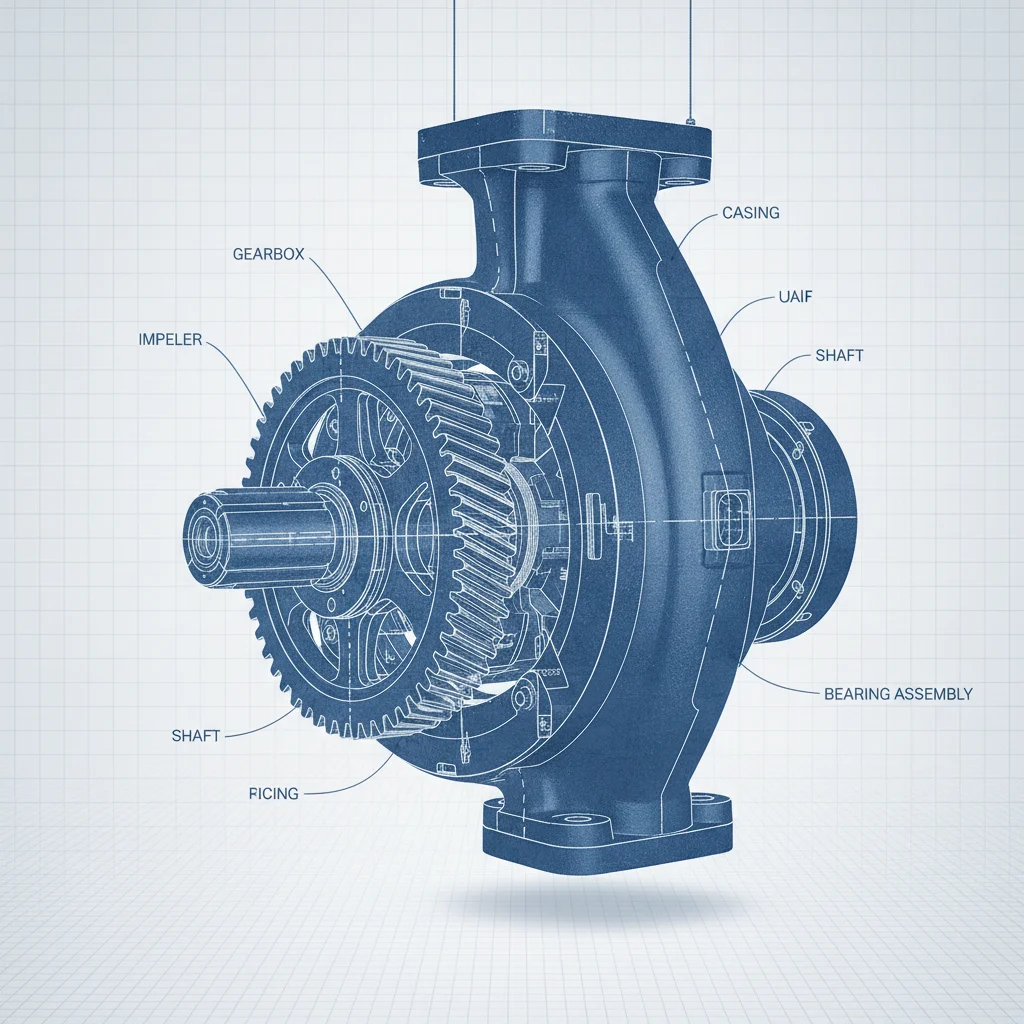
Third, material compatibility is crucial. The pump’s wetted parts – impeller, casing, and liners – must be resistant to corrosion and abrasion from the slurry. I’ve seen pumps literally wear through in a matter of weeks if the wrong materials are used. Fourth, pump type selection—centrifugal, positive displacement, and diaphragm pumps each have their strengths and weaknesses—and choosing the correct one for the application is critical.
Finally, consider the total cost of ownership – not just the initial purchase price, but also maintenance costs, energy consumption, and potential downtime. A slightly more expensive pump upfront can often save you significant money in the long run. It’s a long-term investment, not a one-time expense.
Key Factors Influencing Pump Performance
Durability is paramount, particularly in abrasive applications. Look for pumps with hardened materials, robust construction, and replaceable wear parts. Scalability is also essential – can the pump handle future increases in flow rate or changes in slurry composition? Cost efficiency extends beyond the initial purchase price; consider energy consumption, maintenance frequency, and potential downtime. A pump that's cheap to buy but constantly breaks down isn’t cost-effective.
Beyond these, operational simplicity plays a significant role. Complex pumps require specialized training and maintenance, which can be a burden in remote locations. And finally, environmental considerations are becoming increasingly important. Select pumps that minimize energy consumption, reduce leakage, and prevent the release of pollutants.
Slurry Pump Selection Criteria – Importance Rating
Real-World Applications Across Industries
The applications of effective slurry pump selection are incredibly diverse. In the mining industry, they're crucial for transporting ore slurries, tailings, and process water. In wastewater treatment, they handle everything from raw sewage to settled sludge. Dredging operations rely on them to move sediment and maintain navigable waterways.
I’ve seen them used extensively in power generation plants to manage ash slurry, and in the chemical processing industry to transfer corrosive or abrasive chemicals. In post-disaster relief operations, portable slurry pumps can be vital for dewatering flooded areas and removing debris. Even in remote industrial zones, where access to spare parts and skilled technicians is limited, the right slurry pump selection can mean the difference between continued operation and a complete shutdown.
Long-Term Value & Advantages
Investing in the right slurry pump selection translates to significant long-term savings. Reduced downtime means increased productivity and revenue. Lower maintenance costs free up resources for other critical tasks. Improved energy efficiency reduces operating expenses and minimizes your carbon footprint.
Beyond the financial benefits, there’s the peace of mind that comes with knowing you have a reliable system in place. This reduces stress, improves safety, and fosters trust with stakeholders. Ultimately, effective slurry pump selection isn't just about moving liquids and solids; it’s about building a sustainable and resilient operation.
Future Trends in Slurry Pump Technology
We’re seeing a shift towards smarter pumps with integrated sensors and data analytics capabilities. These “intelligent” pumps can monitor their own performance, predict potential failures, and optimize energy consumption. Digital twins—virtual replicas of the pump—allow engineers to simulate different operating conditions and identify potential issues before they arise.
The development of new materials, like advanced ceramics and composite polymers, is also driving innovation. These materials offer superior resistance to abrasion and corrosion, extending pump life and reducing maintenance costs. And, of course, sustainability is a major focus, with manufacturers exploring more energy-efficient designs and environmentally friendly materials. I expect to see more hybrid and electric-powered pumps in the near future.
Automation and remote monitoring will become increasingly prevalent, allowing operators to manage multiple pumps from a central location. This will be particularly valuable in remote or hazardous environments.
Table summarizing key factors in slurry pump selection process
| Slurry Characteristics |
Pump Type |
Material Considerations |
Operational & Cost Factors |
| Particle Size: Fine ( < 75μm) |
Centrifugal Pump (High Speed) |
High Chrome Iron |
Low initial cost, High Maintenance |
| Particle Size: Coarse ( > 6mm) |
Positive Displacement Pump |
Rubber Lining |
High Efficiency, Moderate Cost |
| Slurry Abrasiveness: High |
Slurry Pump with Replaceable Liners |
Ceramic Components |
Extended Lifespan, Increased Downtime for Liner Changes |
| Slurry Corrosiveness: High |
Diaphragm Pump |
Polypropylene or Teflon |
Excellent Chemical Resistance, Lower Flow Rate |
| Solid Concentration: Very High ( > 60%) |
Peristaltic Pump |
Elastomeric Tubing |
Self-Priming, Low Shear, Tubing Replacement Required |
| Application: Continuous Operation |
Centrifugal or Positive Displacement Pump |
Hardened Steel Alloys |
High Reliability, Regular Maintenance Schedule |
FAQS
Centrifugal pumps are best for high flow rates with lower heads and are ideal for less abrasive slurries. They’re relatively inexpensive and simple to maintain. Positive displacement pumps excel at handling viscous, abrasive slurries and providing consistent flow regardless of pressure changes. They're more expensive but offer superior performance in challenging applications. The slurry's composition and the system’s requirements will dictate which type is most appropriate.
Accurately determining pump size requires a thorough understanding of your slurry’s flow rate and head pressure requirements. Flow rate is how much slurry you need to move per unit time, while head pressure is the force the pump needs to overcome to move the slurry through the system. Consider friction losses in the pipes and elevation changes. Under-sizing results in insufficient flow, while over-sizing wastes energy and increases costs.
High chrome iron alloys are a common choice for abrasion resistance, providing a hard surface that withstands wear from solid particles. Ceramic materials like alumina and silicon carbide offer even greater abrasion resistance but are more expensive. Rubber linings are effective for handling mildly abrasive slurries and reducing noise. The best material depends on the specific abrasive characteristics of your slurry.
Regular inspection and maintenance are critical for prolonging pump life and preventing costly failures. Inspect the pump weekly for signs of wear, leakage, or unusual noise. Lubricate bearings regularly, check impeller clearances, and replace worn parts promptly. A preventative maintenance schedule tailored to your specific application is essential.
Common failure causes include abrasion, corrosion, cavitation, and improper operation. Abrasion occurs when solid particles erode the pump’s internal components. Corrosion damages the pump due to chemical reactions with the slurry. Cavitation happens when vapor bubbles form and collapse within the pump, causing damage. Always ensure the pump is operated within its specified limits.
Optimizing pump efficiency involves selecting the right pump size, maintaining proper impeller clearances, and minimizing friction losses in the piping system. Consider using variable frequency drives (VFDs) to adjust pump speed to match demand, reducing energy consumption during periods of lower flow. Regularly inspect and clean the pump to prevent buildup and maintain optimal performance.
Conclusion
Slurry pump selection is far more than just a technical specification; it’s a strategic decision that impacts project efficiency, cost-effectiveness, and environmental sustainability. Understanding the nuances of slurry characteristics, pump types, and material compatibility is crucial for making informed choices. It's a continuous learning process, relying on real-world experience and staying abreast of emerging technologies.
Looking ahead, the future of slurry pump technology lies in smart, data-driven systems that optimize performance and minimize downtime. By embracing these innovations and prioritizing long-term value, we can build more resilient and sustainable industrial operations. For expert guidance and a tailored solution for your specific needs, visit our website at www.hihornpump.com.