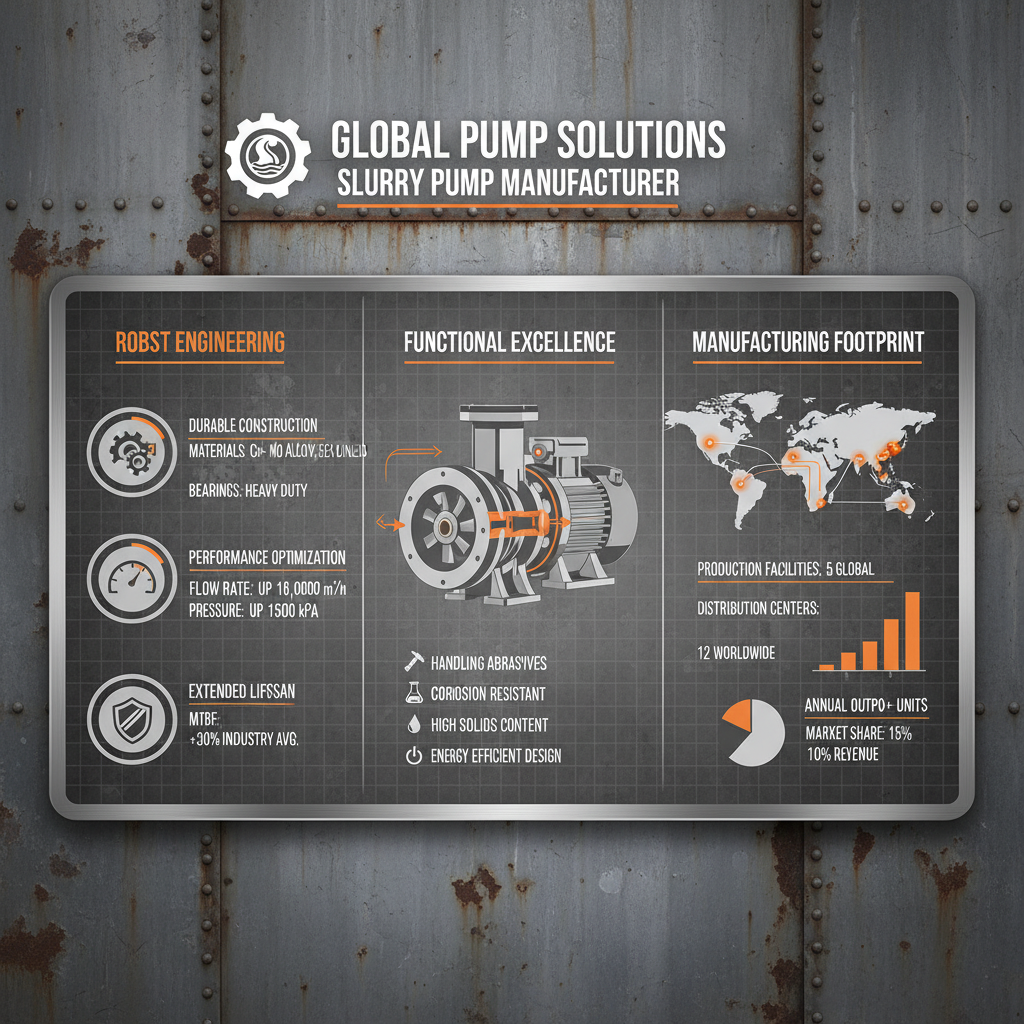
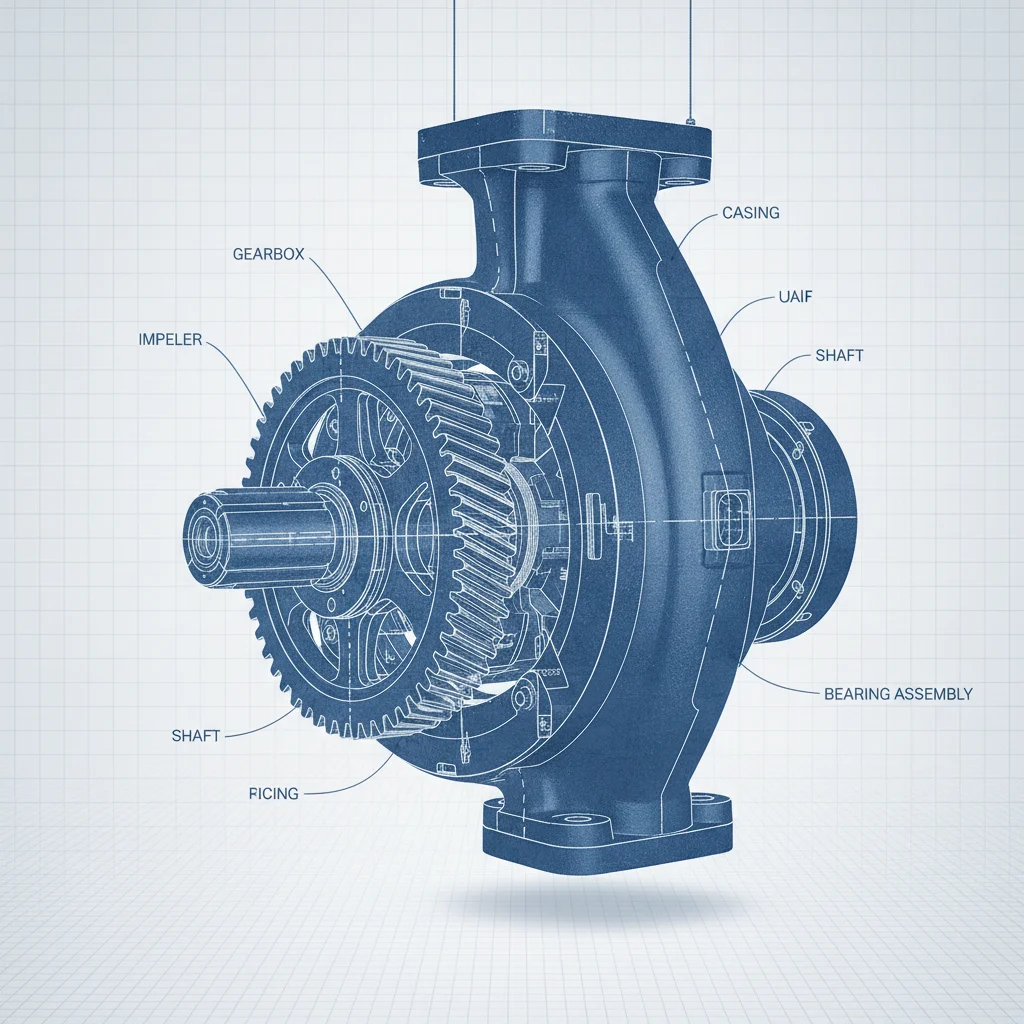
Look, I’ve spent the last fifteen years crawling around job sites, breathing concrete dust, and talking to the guys actually using this stuff. When it comes to slurry pumps, it’s not about fancy specs on a datasheet – it’s about keeping the job moving. A good slurry pump manufacturer understands that. It’s about reliability, because downtime isn’t an option when you've got a schedule to hit and a crew waiting. We need pumps that can handle whatever’s thrown at them, from abrasive materials to unpredictable conditions. That’s why choosing the right slurry pump manufacturer is critical.
Too many companies treat slurry pumps as a commodity. They don’t get that every site is different. The guys in the field aren’t looking for the cheapest option, they’re looking for the option that’s going to work, day in and day out, without constant repairs. That means understanding the specifics of the slurry – its density, abrasiveness, chemical composition. It's also about service, because when something does go wrong, you need a partner who can respond quickly. A reputable slurry pump manufacturer offers that support.
We’re talking about the backbone of operations in everything from mining and dredging to wastewater treatment and power generation. The efficiency of these operations, and ultimately, the project’s success, often hinges on the performance of these often-overlooked pieces of equipment. Choosing wisely isn’t just a matter of cost savings; it's about ensuring safety and minimizing environmental impact.
The Importance of Reliable slurry pump manufacturer
Let’s be clear: on a construction site, or a mine, or even a wastewater plant, the slurry pump isn’t glamorous. It’s a workhorse. And a broken workhorse brings everything to a screeching halt. That’s why partnering with a solid slurry pump manufacturer isn’t just about getting a piece of equipment; it's about mitigating risk and ensuring project continuity. I’ve seen projects delayed for days, even weeks, because of pump failures and a lack of readily available parts or support.
The cost of that downtime – lost productivity, idle crews, potential penalties – far outweighs the initial investment in a higher-quality pump from a trusted slurry pump manufacturer. It’s a lesson I’ve seen repeated too many times to count. We’re not looking for the cheapest, we’re looking for the best value – reliability, performance, and long-term support.
Defining slurry pump manufacturer for Practical Application
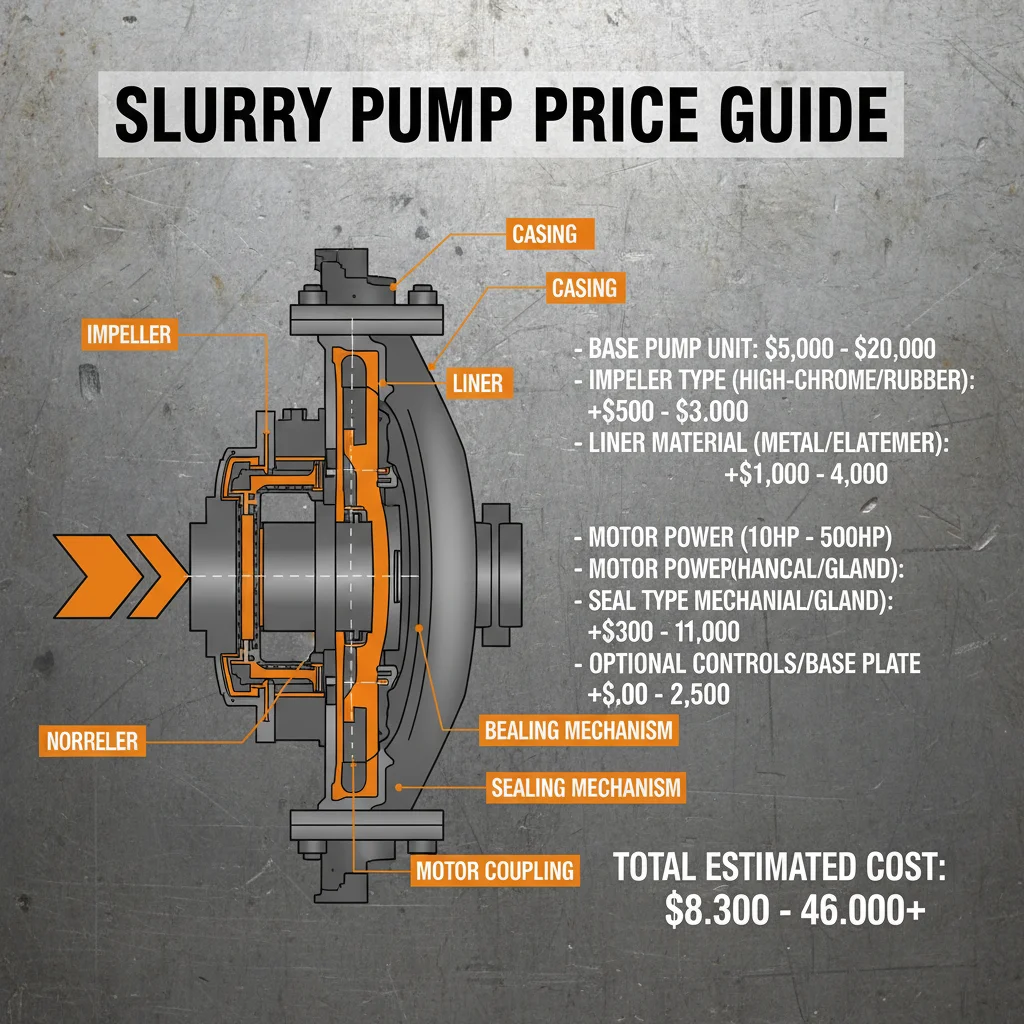
Okay, let’s cut through the jargon. A slurry pump manufacturer isn't just building pumps; they're engineering solutions for moving abrasive, corrosive, and often incredibly dense mixtures. We're talking everything from tailings in mining to grit in wastewater treatment. It's a specialized field. It’s about designing pumps that can withstand constant wear and tear, prevent clogging, and maintain efficiency over extended periods.
A good manufacturer understands the nuances of different slurry types and tailors their pump designs accordingly. They don't offer a "one-size-fits-all" solution. They work with you to analyze your specific application and recommend the most appropriate pump for the job. That's what separates the good ones from the rest.
This is critical because improper pump selection can lead to premature failure, increased maintenance costs, and ultimately, project delays. A slurry pump manufacturer worth their salt should be offering consultation and support throughout the process, not just pushing product.
Key Characteristics of a Top-Tier slurry pump manufacturer
From where I stand, a leading slurry pump manufacturer isn’t defined by flashy marketing, but by a few core characteristics. First, they have a deep understanding of materials science – knowing which alloys and coatings can withstand the harshest environments. Second, they prioritize robust construction and design, focusing on minimizing wear points and maximizing pump life.
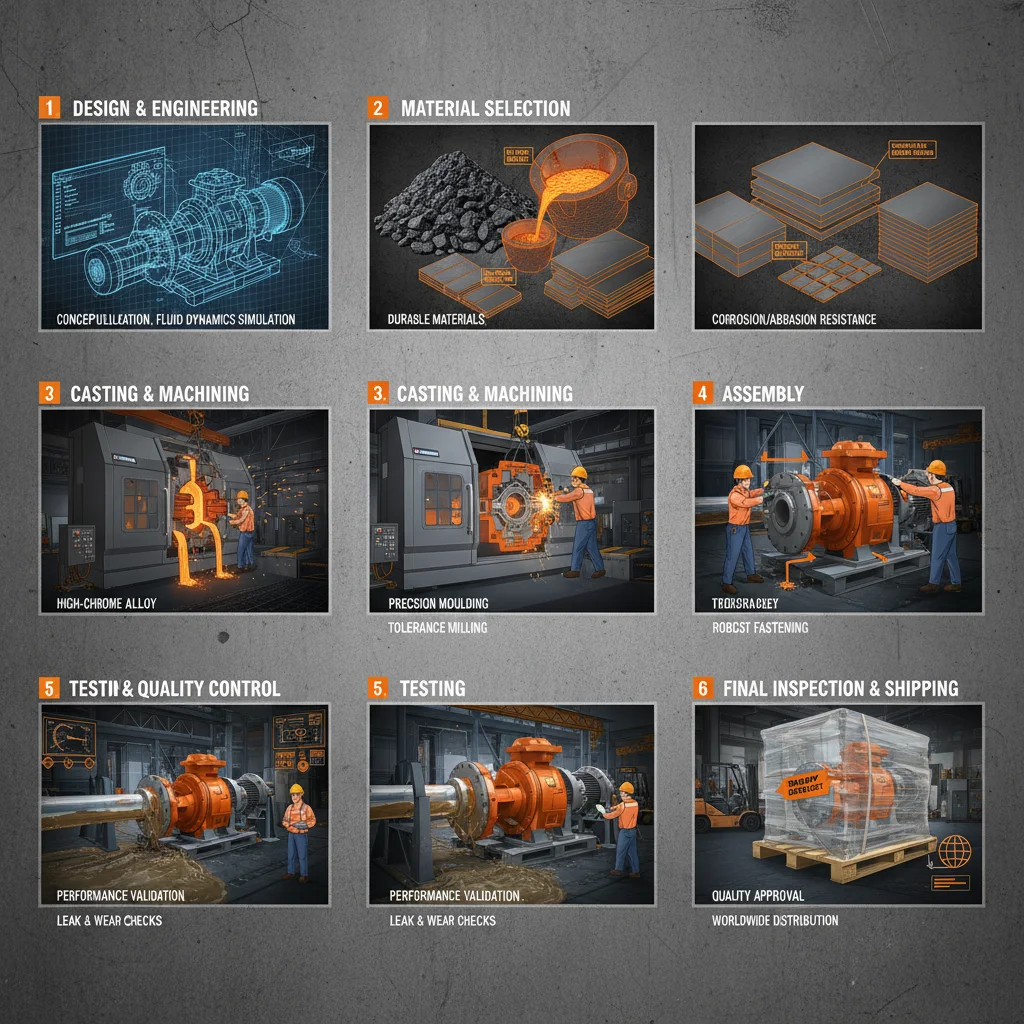
Third, and this is huge, they have a strong commitment to quality control. Every pump should be thoroughly tested before it leaves the factory. Finally, they offer exceptional after-sales support – readily available parts, knowledgeable technicians, and responsive customer service. Those are the non-negotiables.
It's about building a relationship, not just selling a product. A truly reliable slurry pump manufacturer sees themselves as a partner in your success, not just a vendor.
Durability and Material Science in slurry pump manufacturer
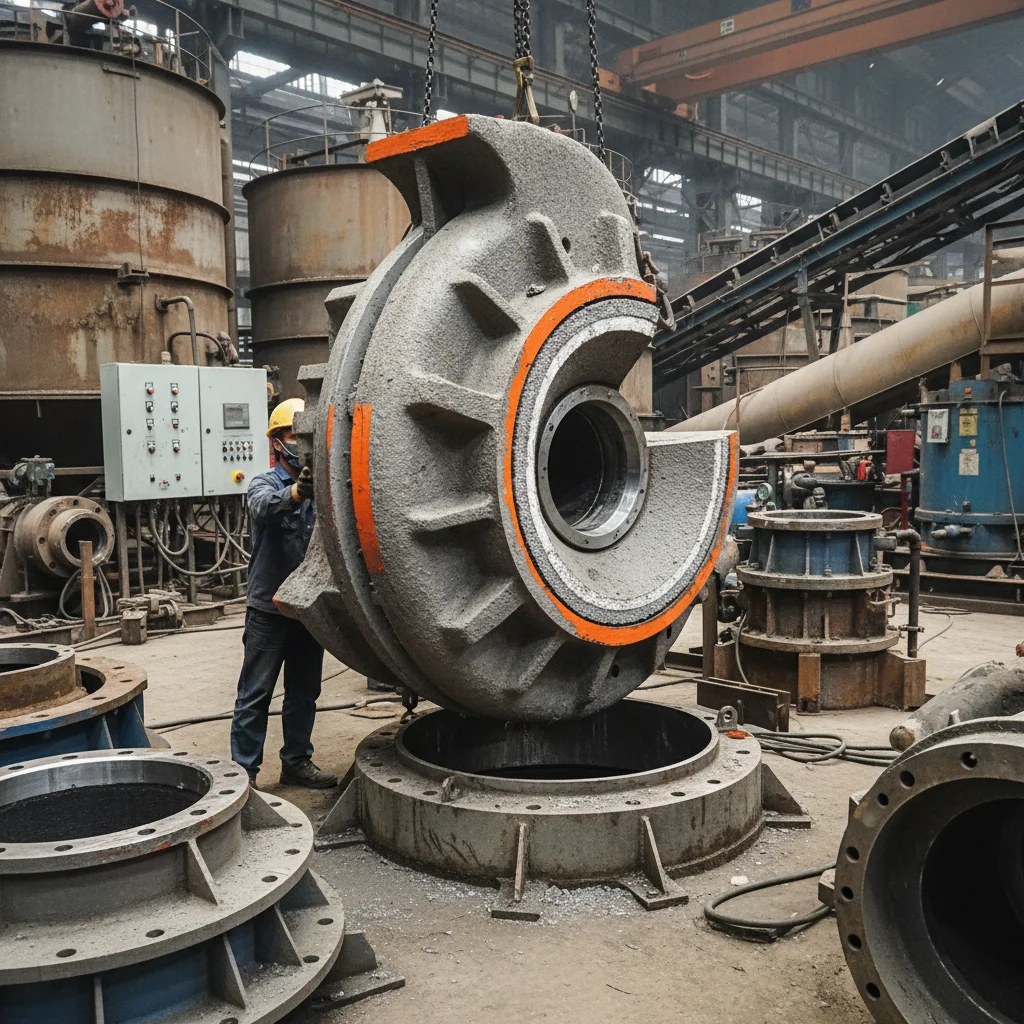
Look, everything boils down to durability. These pumps are dealing with seriously abrasive stuff. The material selection isn’t just about cost; it's about longevity and preventing catastrophic failures. We're talking high-chrome alloys, specialized rubber linings, and even ceramic components in the most demanding applications.
A good slurry pump manufacturer isn’t just slapping materials together; they’re understanding the specific wear mechanisms at play in your application and choosing materials that will resist those forces. Things like erosion, corrosion, and impact.
slurry pump manufacturer Material Durability Ratings
Global Applications of slurry pump manufacturer
The applications are incredibly diverse. You’ll find slurry pump manufacturer products in mining operations around the globe, handling everything from copper tailings to iron ore slurries. In the oil and gas industry, they’re used for drilling mud and waste removal. Wastewater treatment plants rely on them to manage grit and sludge.
Even in power generation, they’re critical for handling fly ash and other byproducts of combustion. We've supplied pumps to projects in remote locations in Australia, challenging environments in South America, and heavily regulated facilities in Europe.
Advantages of Partnering with a Leading slurry pump manufacturer
Choosing the right partner provides significant benefits. Beyond just the pump itself, you gain access to engineering expertise, custom design capabilities, and a reliable supply chain. A good slurry pump manufacturer will invest in understanding your specific challenges and developing solutions tailored to your needs.
This translates to reduced downtime, lower maintenance costs, and increased operational efficiency. It also minimizes environmental risk, as properly designed and maintained pumps are less likely to leak or fail, preventing potential spills or contamination.
Ultimately, partnering with a leader in the slurry pump manufacturer space isn’t just about buying a pump; it’s about investing in a long-term solution that supports your business goals.
Future Trends and Innovations in slurry pump manufacturer
We’re seeing a big push towards more energy-efficient pumps, with designs that minimize hydraulic losses and reduce power consumption. Variable frequency drives (VFDs) are becoming increasingly common, allowing operators to adjust pump speed to match demand and further reduce energy costs.
Digitalization is also playing a role, with remote monitoring and predictive maintenance capabilities becoming more sophisticated. This allows us to identify potential problems before they occur, preventing costly downtime. The use of advanced materials, like ceramics and composites, is also expanding, offering improved wear resistance and longer pump life.
I think we’ll see more focus on modular designs and standardized components, making it easier to customize pumps for specific applications and reducing lead times. The slurry pump manufacturer industry is evolving, and staying ahead of these trends is crucial for success.
Overview of Future Development Trends in slurry pump manufacturer Technology
| Technology Area |
Current Status |
Expected Development |
Impact on slurry pump manufacturer Performance |
| Energy Efficiency |
Moderate improvements with hydraulic optimization. |
Significant gains through new impeller designs and VFD integration. |
Reduced operating costs and lower carbon footprint. |
| Materials Science |
Widespread use of high-chrome alloys and rubber linings. |
Increased adoption of ceramics, composites, and advanced coatings. |
Extended pump life and improved resistance to abrasion and corrosion. |
| Digitalization |
Basic remote monitoring systems available. |
Advanced predictive maintenance and real-time performance analysis. |
Reduced downtime and optimized maintenance schedules. |
| Modular Design |
Limited modularity in existing pump designs. |
Increased use of standardized components and customizable modules. |
Faster lead times and reduced customization costs. |
| Automation & Control |
Manual control and limited automation. |
Automated pump control systems and integration with plant-wide automation networks. |
Improved process control and optimized pump performance. |
| Sustainability |
Focus on reducing energy consumption. |
Development of environmentally friendly materials and waste reduction strategies. |
Reduced environmental impact and improved corporate social responsibility. |
FAQS
When dealing with abrasive slurries, material selection is paramount. High-chrome alloys and hardened steel are essential, along with coatings that enhance wear resistance. Also, consider the pump's impeller design – a recessed impeller generally handles solids better. Don’t underestimate the importance of proper sealing to prevent leakage and protect bearings. A good slurry pump manufacturer will guide you through these choices.
Regular inspection is key. Visually check for wear, leaks, and unusual noises at least weekly. A full preventative maintenance schedule should be followed, including bearing lubrication, seal checks, and impeller examination every 3-6 months, depending on the application. Keep detailed records of all inspections and maintenance performed. A qualified technician from your slurry pump manufacturer can help you set up a suitable schedule.
Centrifugal pumps are best for high-volume, low-head applications, while positive displacement pumps excel at handling viscous slurries and maintaining consistent flow rates. Centrifugal pumps are generally more cost-effective and require less maintenance, but they’re less efficient with thicker slurries. Your slurry pump manufacturer can help determine the best type for your specific needs.
Clogging is a common issue. Ensure the pump's suction line is adequately sized and free of obstructions. Using a pump with a recessed impeller can help handle solids. Also, consider installing a strainer or screen upstream of the pump to remove larger debris. Regular flushing of the pump can also prevent buildup. Your slurry pump manufacturer can offer specific recommendations.
A VFD allows you to adjust the pump's speed to match the flow requirements, resulting in significant energy savings. It also reduces mechanical stress on the pump, extending its lifespan. VFDs can also help prevent clogging and improve process control. Modern slurry pump manufacturers often integrate VFD controls into their pump systems.
Lead times vary depending on the complexity of the design and the availability of materials. Generally, expect a lead time of 8-16 weeks for a fully custom-engineered pump. However, some slurry pump manufacturers offer expedited options for urgent applications. It's best to discuss your specific requirements and timeline with the manufacturer early in the process.
Conclusion
In the end, choosing a slurry pump manufacturer isn’t just about the hardware; it’s about building a partnership. It’s about finding a company that understands the realities of the job site, prioritizes reliability, and offers comprehensive support. Investing in a quality pump and a solid relationship will pay dividends in reduced downtime, lower maintenance costs, and a smoother, more efficient operation.
The industry is evolving, with a focus on sustainability, digitalization, and advanced materials. Staying ahead of these trends is crucial. I urge you to look beyond the initial price tag and consider the total cost of ownership – the long-term value of a pump that can withstand the rigors of your application and keep your project on track. Visit our website at www.hihornpump.com to learn more about how we can help.