Optimizing Slurry Pump Material Selection for Efficiency and Longevity

Optimizing Slurry Pump Material Selection for Efficiency and Longevity

  • Home
  • Top Blog
  • Optimizing Slurry Pump Material Selection for Efficiency and Longevity
0%

Table of Contents

The selection of the right slurry pump material is crucial for the longevity, efficiency, and overall cost-effectiveness of any slurry pumping operation. These materials must withstand abrasive solids, corrosive fluids, and high-impact forces commonly found in mining, wastewater treatment, and industrial processing. Understanding the properties and applications of different materials is essential for engineers and operators seeking optimal performance and minimal downtime.

Globally, the demand for robust slurry pumping solutions is constantly increasing, driven by expanding infrastructure projects, heightened environmental regulations, and the intensification of resource extraction. The UN estimates that global wastewater generation will increase by 54% by 2050, demanding more efficient and durable pumping systems. Consequently, the market for specialized slurry pump materials, capable of handling increasingly harsh environments, is experiencing significant growth.

Effective slurry pump material choices directly translate to reduced maintenance costs, extended equipment lifespan, and improved operational reliability. A failure in a slurry pump can lead to significant production losses, environmental damage, and safety hazards. Choosing the correct material isn't simply a cost consideration; it's a strategic investment in the long-term sustainability and profitability of any operation utilizing slurry transfer.
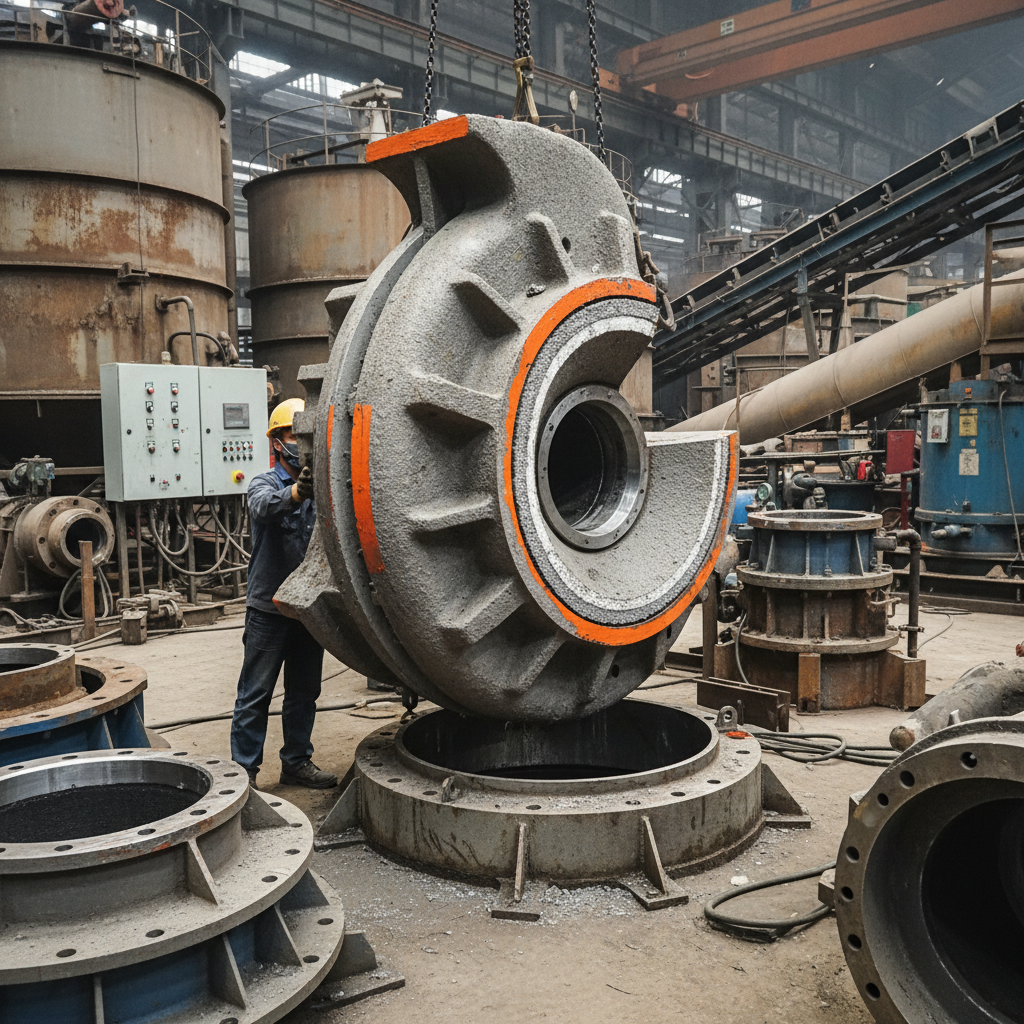
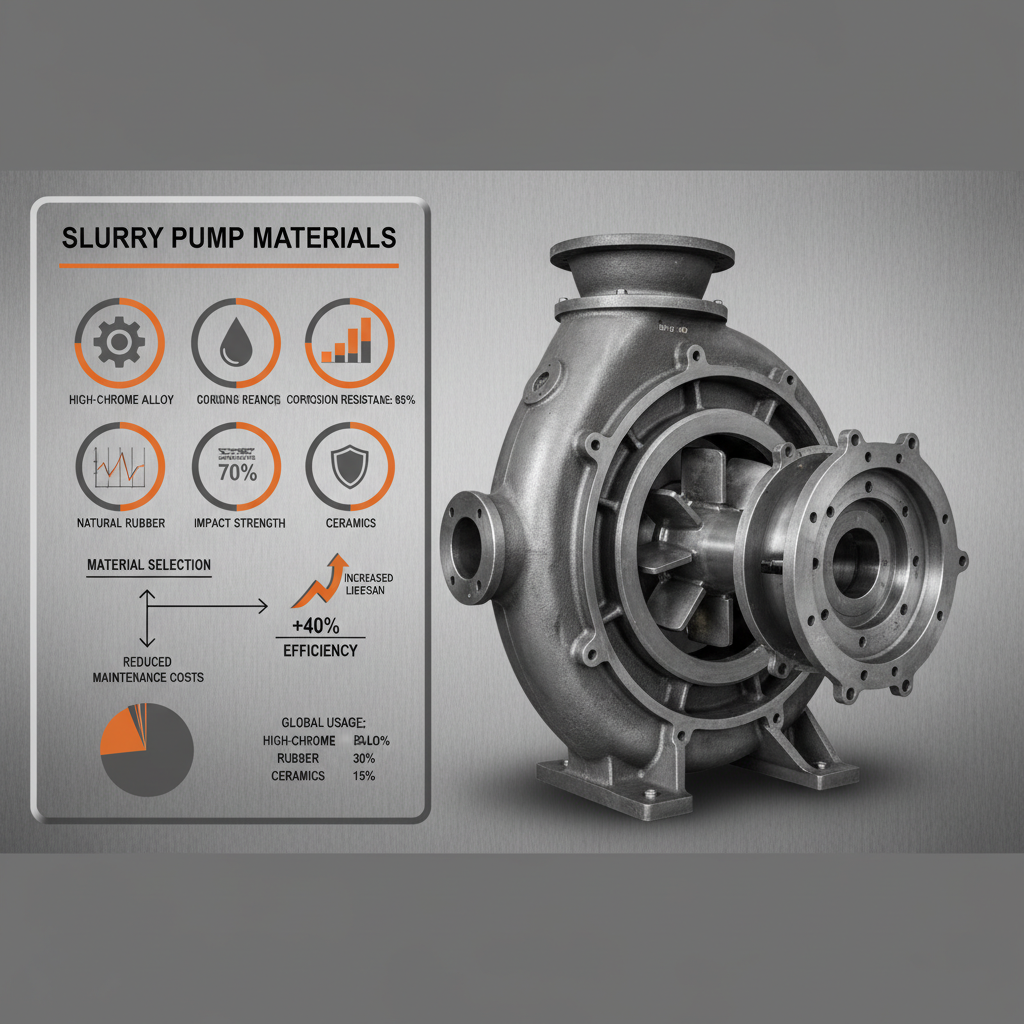
slurry pump material

Understanding Slurry Pump Material

slurry pump material

Selecting the right slurry pump material involves a complex interplay of factors, including the slurry’s composition, particle size, flow velocity, and operating temperature. Materials commonly used include cast iron, stainless steel, high-chrome alloys, rubber linings, and specialized ceramics. Each material possesses unique strengths and weaknesses, making careful consideration essential for optimal performance.

The durability of a slurry pump is directly tied to the material’s resistance to abrasion, corrosion, and erosion. Investing in high-quality materials upfront can significantly reduce the total cost of ownership by minimizing maintenance requirements and extending pump life.

The Global Relevance of Slurry Pump Materials

The global mining industry, a major consumer of slurry pumps, is undergoing a period of expansion, particularly in emerging economies. This growth necessitates a reliable supply of durable and high-performance slurry pump materials. Similarly, the increasing demand for wastewater treatment solutions globally drives the need for pumps capable of handling abrasive and corrosive slurries.

According to the World Bank, global investments in water infrastructure are projected to reach trillions of dollars over the next decade, creating a substantial market for slurry pump technology and its associated materials. Meeting this demand requires manufacturers to innovate and develop materials that can withstand increasingly challenging operating conditions.

The efficiency of slurry pump material also plays a significant role in environmental sustainability. Durable pumps reduce energy consumption and minimize the risk of leaks and spills, contributing to a smaller environmental footprint.

Defining Slurry Pump Material

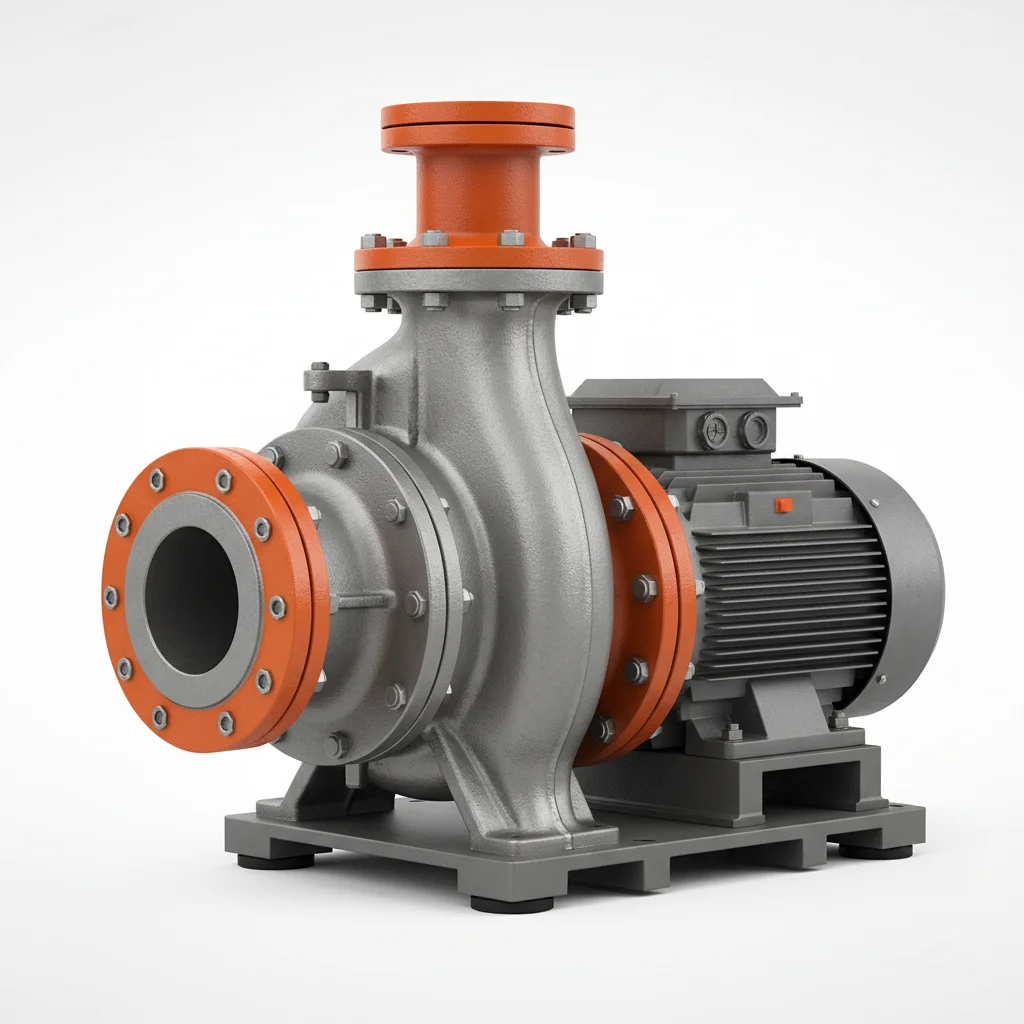
Slurry pump material refers to the composition of the components that come into direct contact with the abrasive and often corrosive slurry being pumped. This includes the pump casing, impeller, volute liner, and wear plates. The chosen material dictates the pump’s ability to resist wear, corrosion, and erosion, ultimately determining its lifespan and efficiency.

A well-defined slurry pump material strategy considers not only the chemical and physical properties of the slurry but also the operational parameters, such as flow rate, pressure, and temperature. Selecting a material based solely on initial cost can lead to premature failure and significantly higher long-term expenses.

The connection to modern industry and humanitarian needs is evident in applications ranging from mineral processing and power generation to wastewater treatment and disaster relief. Efficient and reliable slurry pumping is vital for maintaining these critical processes and ensuring sustainable operations.

Key Factors Influencing Material Selection

Durability is paramount when selecting slurry pump material. The material must withstand constant abrasion from solid particles, preventing premature wear and extending pump life. High-chrome alloys and ceramics are often chosen for their exceptional hardness and wear resistance.

Corrosion resistance is another critical factor, especially when handling acidic or alkaline slurries. Stainless steel alloys and rubber linings offer excellent protection against chemical attack, preventing material degradation and maintaining pump efficiency.

Slurry Pump Material Comparison

Global Applications and Use Cases

In the mining industry, slurry pump material selection is critical for transporting ore slurries, tailings, and process water. Regions like Australia, Chile, and Canada, with extensive mining operations, rely heavily on durable and reliable slurry pumps constructed from high-chrome alloys and rubber linings.

Wastewater treatment plants worldwide employ slurry pumps to handle sludge, screenings, and other abrasive materials. These applications often require corrosion-resistant materials like stainless steel to prevent degradation from chemical treatments.

Advantages and Long-Term Value

The primary advantage of investing in quality slurry pump material is reduced maintenance costs. Durable materials require less frequent repairs and replacements, minimizing downtime and maximizing operational efficiency.

From a sustainability perspective, longer pump life reduces the need for manufacturing new components, conserving resources and minimizing waste. This contributes to a smaller environmental footprint and aligns with corporate social responsibility goals.

Challenges and Innovative Solutions

A common challenge is selecting the right material for highly abrasive slurries containing large particle sizes. Traditional materials may wear quickly, leading to frequent replacements. One innovative solution is the development of ceramic-reinforced materials that offer superior wear resistance.

Another challenge is corrosion in highly acidic or alkaline slurries. Manufacturers are continuously developing new alloys and coatings that provide enhanced corrosion protection without sacrificing abrasion resistance.

Furthermore, the cost of specialized materials can be a barrier for some applications. Research and development efforts are focused on creating cost-effective alternatives that offer comparable performance.

Overview of Slurry Pump Material Performance Characteristics

Material Type Abrasion Resistance (1-10) Corrosion Resistance (1-10) Typical Applications
Cast Iron 4 3 Low-abrasive slurries, general industrial use
Stainless Steel 6 9 Corrosive slurries, food processing, pharmaceutical
High-Chrome Alloy 9 5 Mining, dredging, abrasive slurries
Rubber Lining 7 7 Moderate abrasion and corrosion, wastewater treatment
Ceramic Materials 10 8 Highly abrasive slurries, extreme wear applications
Duplex Stainless Steel 7 10 Highly corrosive environments, seawater applications

FAQS

What is the most durable material for a slurry pump handling highly abrasive silica sand?

For highly abrasive silica sand, high-chrome alloys consistently demonstrate superior performance. These alloys possess exceptional hardness and wear resistance, allowing them to withstand the constant impact of silica particles. Rubber linings can also be used as a supplementary protection layer. The specific grade of high-chrome alloy should be selected based on the particle size distribution and flow velocity of the slurry.

How does the temperature of the slurry affect material selection?

Temperature significantly impacts material selection. Higher temperatures can reduce the strength and corrosion resistance of certain materials. For elevated temperatures, stainless steel alloys with specific molybdenum content are often preferred due to their improved high-temperature performance. Always consult material data sheets to ensure compatibility with the operating temperature.

Is it possible to use a combination of materials in a single slurry pump?

Yes, combining materials is a common practice to optimize performance and cost-effectiveness. For example, a pump casing might be made of cast iron for structural integrity, while the impeller and volute liner are constructed from high-chrome alloy for wear resistance. Rubber linings are also often applied to protect critical components from corrosion and abrasion.

What are the cost considerations when choosing between different slurry pump materials?

While initial cost is a factor, it’s crucial to consider the total cost of ownership. More expensive materials like ceramics or duplex stainless steel can have a longer lifespan and require less maintenance, resulting in lower long-term costs. A thorough life-cycle cost analysis should be performed to determine the most economical material for a specific application.

How does the pH of the slurry influence the choice of slurry pump material?

The pH level of the slurry is critical, as it dictates the potential for corrosion. Highly acidic or alkaline slurries require materials with exceptional corrosion resistance, such as stainless steel alloys, duplex stainless steel, or specialized polymers. Using inappropriate materials can lead to rapid corrosion and pump failure.

What are the benefits of using ceramic materials in slurry pump applications?

Ceramic materials offer exceptional hardness and wear resistance, making them ideal for handling highly abrasive slurries. They also exhibit excellent chemical inertness, resisting corrosion from most acids and alkalis. While typically more expensive than other materials, their extended lifespan can justify the investment in demanding applications.

Conclusion

Understanding the nuances of slurry pump material selection is paramount for optimizing performance, reducing operational costs, and ensuring the long-term reliability of slurry pumping systems. By carefully considering the slurry’s composition, operating conditions, and application requirements, engineers can choose materials that maximize efficiency and minimize downtime.

As industries continue to evolve and face increasingly challenging environments, ongoing research and development in materials science will play a vital role in creating even more durable, corrosion-resistant, and cost-effective solutions. For expert guidance and a comprehensive range of slurry pumps built with premium materials, visit our website: www.hihornpump.com.

Victor Sterling

Victor Sterling

Victor Sterling is Hihorn Pump’s Senior Metallurgist. He is responsible for the material science behind our pumps’ exceptional corrosion and wear resistance. Victor has a PhD in Materials Science and Engineering and specializes in the application of advanced alloys in demanding industrial environments. Prior to Hihorn, Victor worked extensively in
Previous Understanding Slurry Pump Working Principle for Efficient Fluid Transfer
Next Optimizing Slurry Pump Design for Enhanced Efficiency and Operational Reliability

If you are interested in our products, you can choose to leave your information here, and we will be in touch with you shortly.