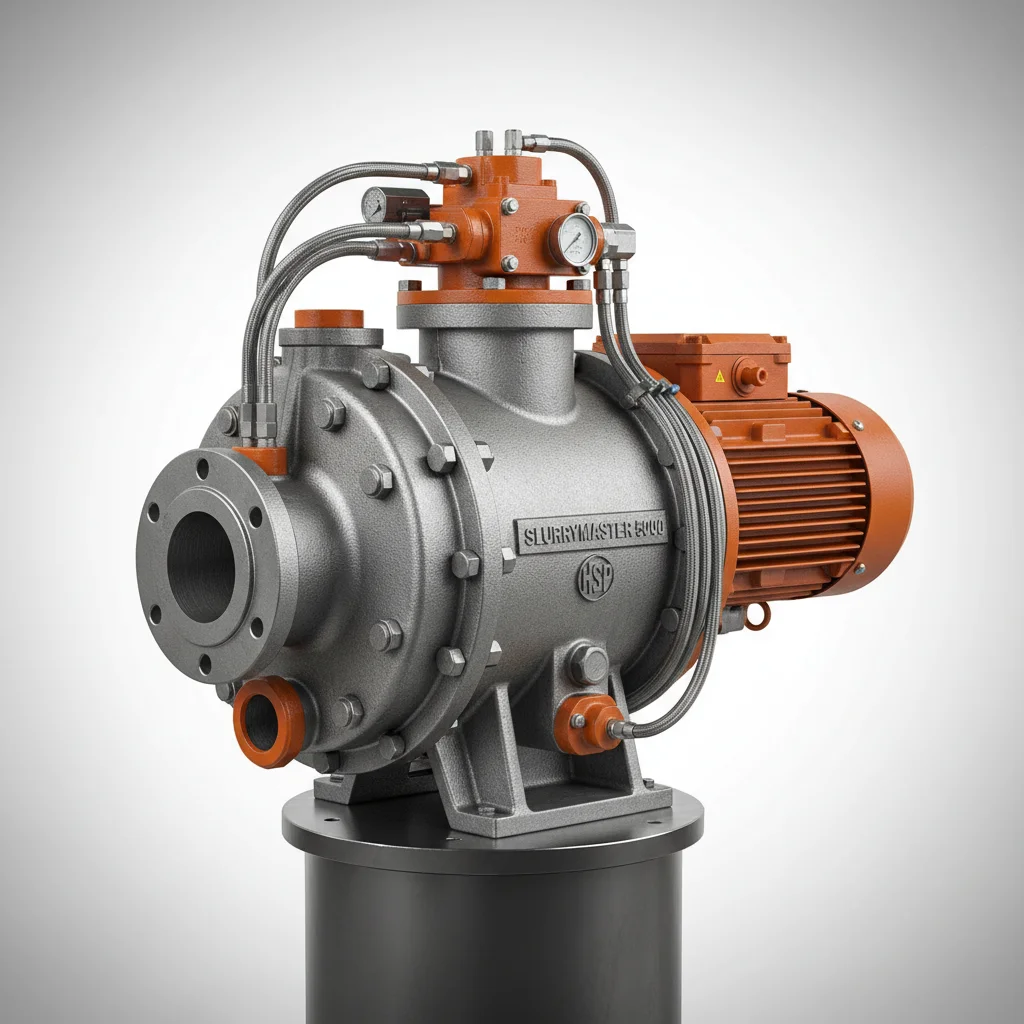
Slurry pump design is a critical engineering discipline impacting a vast array of industries, from mining and mineral processing to wastewater treatment and chemical transport. The efficient and reliable movement of abrasive, corrosive, and high-solids content slurries is essential for operational productivity and cost-effectiveness. Understanding the nuances of slurry pump design allows for optimized system performance, reduced downtime, and extended equipment lifespan.
Globally, the demand for robust slurry pumping solutions is steadily increasing, driven by expanding infrastructure projects, resource extraction, and stringent environmental regulations. The World Bank estimates that trillions of dollars will be invested in infrastructure development over the next decade, much of which relies on effective slurry handling. The challenge lies in creating pump designs that can withstand extreme conditions, minimize energy consumption, and adhere to evolving sustainability standards.
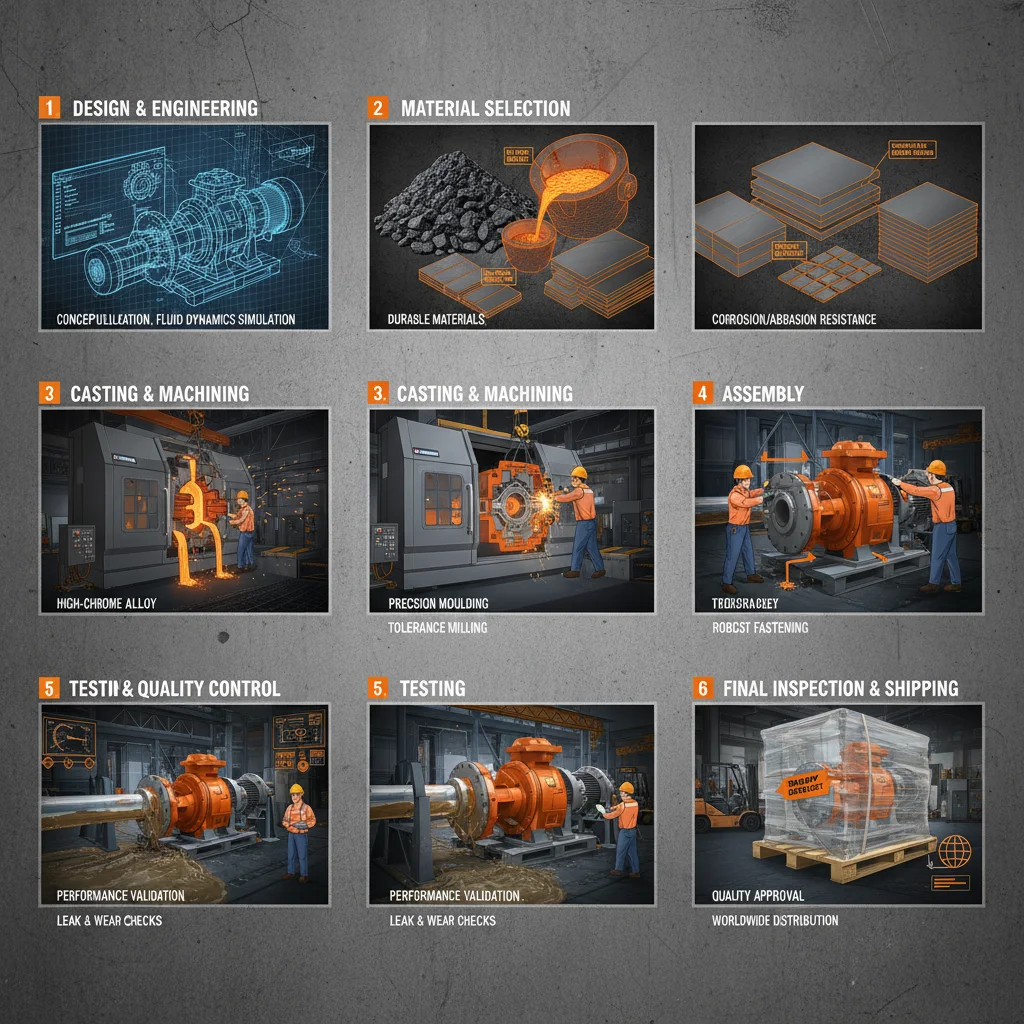
A well-executed slurry pump design isn’t merely about selecting the right pump; it’s about a holistic approach to the entire system. This includes careful consideration of the slurry’s characteristics, pipeline layout, and overall process requirements. Innovation in materials science, hydraulic modeling, and pump construction are continually pushing the boundaries of what’s possible, resulting in more durable, efficient, and environmentally responsible solutions.
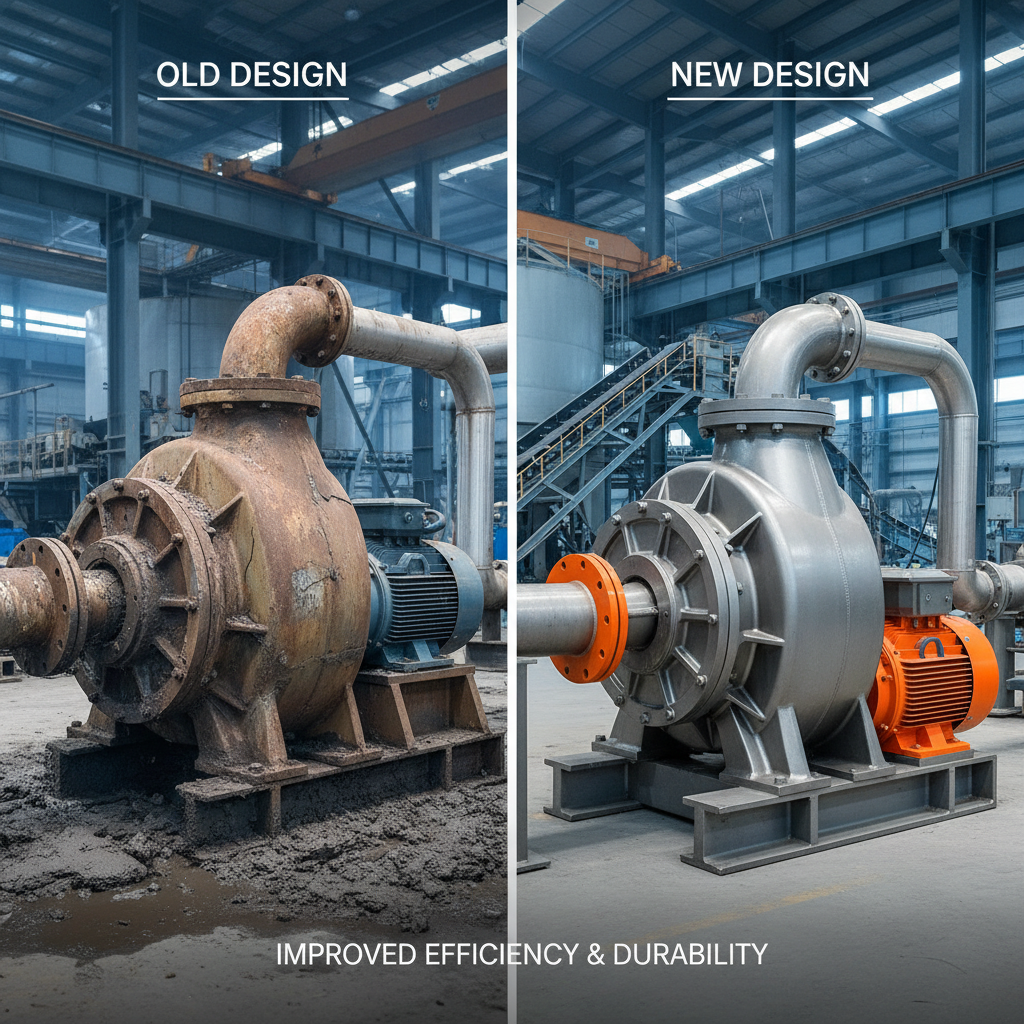
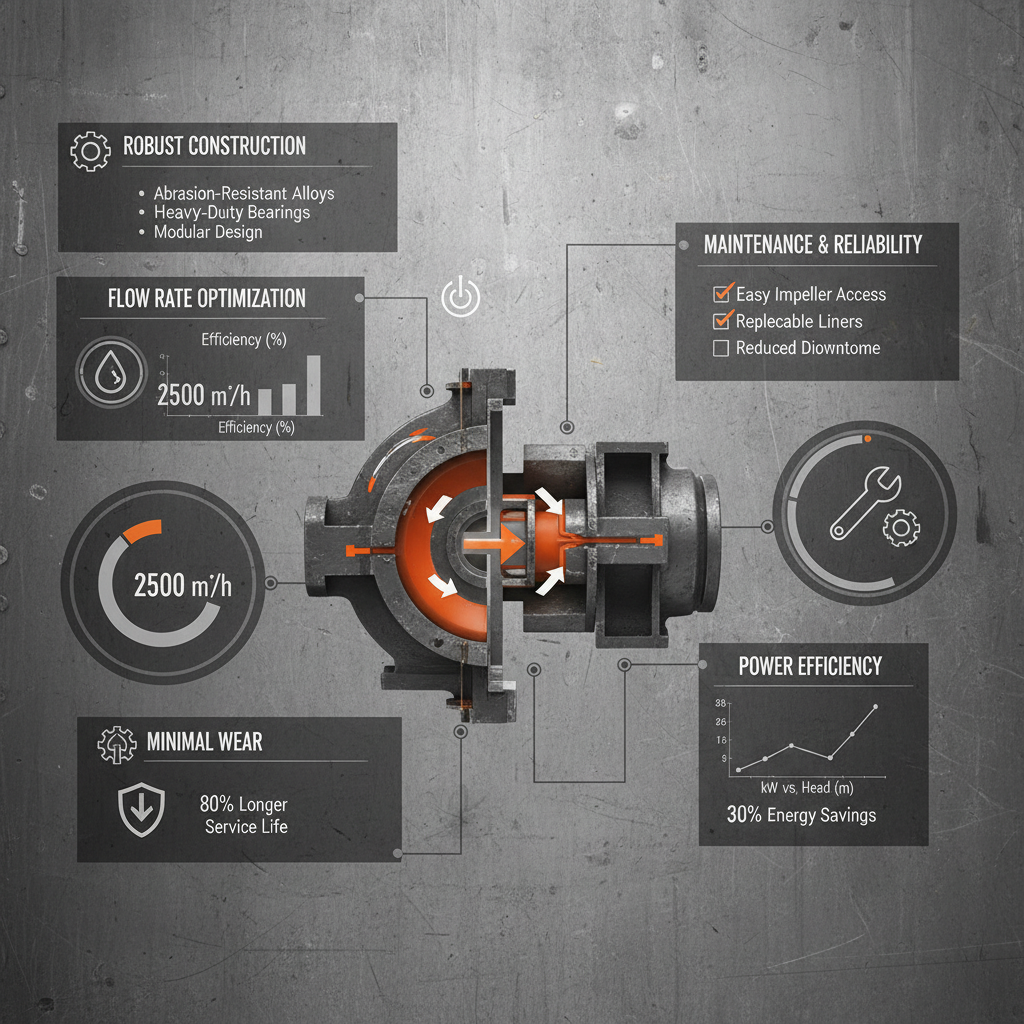
Effective slurry pump design hinges on understanding the complex interplay between fluid dynamics, materials science, and the specific characteristics of the slurry being transported. Minimizing wear and erosion, maximizing hydraulic efficiency, and ensuring reliable operation are paramount. This involves careful selection of impeller designs, casing materials, and sealing systems tailored to the abrasive and corrosive nature of the slurry.
The core principle is to manage the energy input effectively while mitigating the destructive forces exerted by the solid particles within the slurry. Factors such as slurry concentration, particle size distribution, and flow velocity significantly impact pump performance and longevity. A thoughtful design will address these variables to optimize the pump’s operating parameters and minimize maintenance requirements.
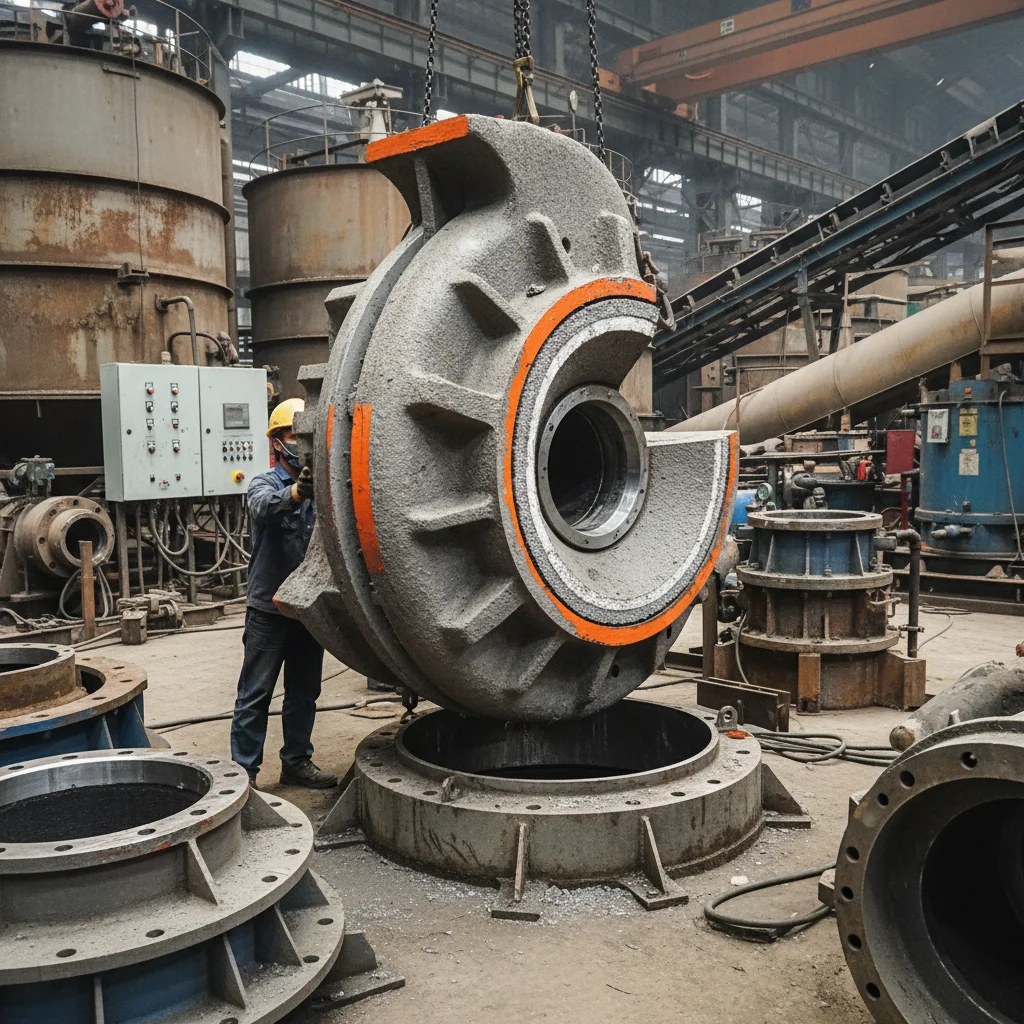
When handling highly abrasive slurries, prioritize pumps constructed from wear-resistant materials like high-chrome alloys or ceramic linings. Consider impeller design, opting for recessed or vortex impellers to minimize wear. Also, evaluate the slurry’s particle size distribution and concentration, as these parameters directly influence wear rates. A robust sealing system is also vital to prevent abrasive particles from damaging pump internals. Proper pump selection and maintenance are crucial for longevity and cost-effectiveness.
Increased slurry viscosity necessitates a pump design capable of handling higher head losses. Positive displacement pumps often perform better with viscous slurries compared to centrifugal pumps. If using a centrifugal pump, consider a larger impeller diameter and a lower operating speed. Adjusting the pump casing geometry can also help optimize flow patterns and reduce energy consumption. Proper priming and monitoring of suction conditions are vital to avoid cavitation and ensure reliable operation.
Cavitation occurs when the absolute pressure within the pump falls below the vapor pressure of the slurry, forming vapor bubbles that collapse violently, causing damage to the impeller and casing. Common causes include insufficient net positive suction head (NPSH), high slurry temperature, and obstructions in the suction line. Prevention strategies involve ensuring adequate NPSH available, minimizing suction lift, and maintaining a clean suction line. Regular inspection and maintenance can also help identify and address potential cavitation risks.
Variable Frequency Drives (VFDs) offer significant benefits for slurry pump applications. By controlling the pump's speed, VFDs enable precise flow rate adjustments, reducing energy consumption and optimizing process efficiency. They also minimize mechanical stress on the pump and piping system, extending equipment life. VFDs are particularly valuable in applications where flow rate requirements fluctuate, providing substantial cost savings and improved control.
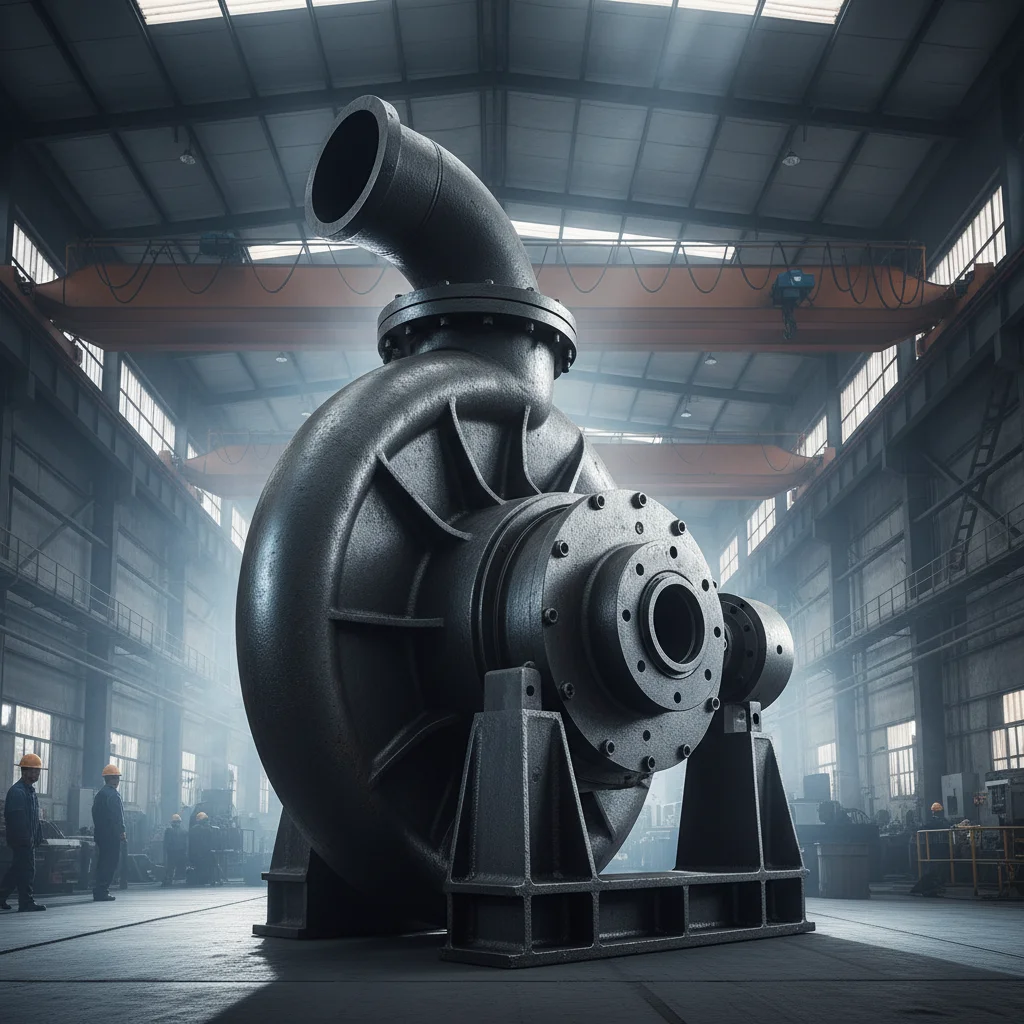
Impeller design significantly affects slurry pump performance. Radial impellers are efficient for low-solids content slurries, but are prone to wear with abrasive particles. Vortex impellers are well-suited for handling slurries with high solids concentrations and large particle sizes, as they minimize internal turbulence and wear. Recessed impellers offer a compromise between efficiency and wear resistance, making them suitable for a wide range of slurry applications. The optimal impeller design depends on the specific slurry characteristics and application requirements.
Regular maintenance is vital for maximizing slurry pump lifespan. Key practices include routine inspections for wear and corrosion, lubrication of bearings and seals, monitoring of vibration levels, and periodic replacement of wear parts like liners and impellers. Maintaining accurate operational records and implementing a preventative maintenance schedule can help identify potential issues early on, minimizing downtime and repair costs. Proper training for operators and maintenance personnel is also essential.
In conclusion, effective slurry pump design is a multifaceted discipline demanding a deep understanding of slurry characteristics, materials science, and hydraulic principles. By prioritizing durability, efficiency, and reliability, businesses can unlock significant cost savings, improve operational performance, and minimize environmental impact. The ongoing innovations in materials, monitoring technologies, and pump configurations promise to further enhance the capabilities and sustainability of slurry pumping systems.
Looking ahead, a proactive approach to pump design, incorporating predictive maintenance and embracing digital transformation, will be essential for navigating the evolving challenges of slurry handling. Investing in superior slurry pump design isn’t merely a capital expenditure; it’s a strategic investment in long-term operational excellence and a commitment to responsible resource management. Visit our website at www.hihornpump.com to explore our range of high-performance slurry pumps and expert engineering services.

If you are interested in our products, you can choose to leave your information here, and we will be in touch with you shortly.