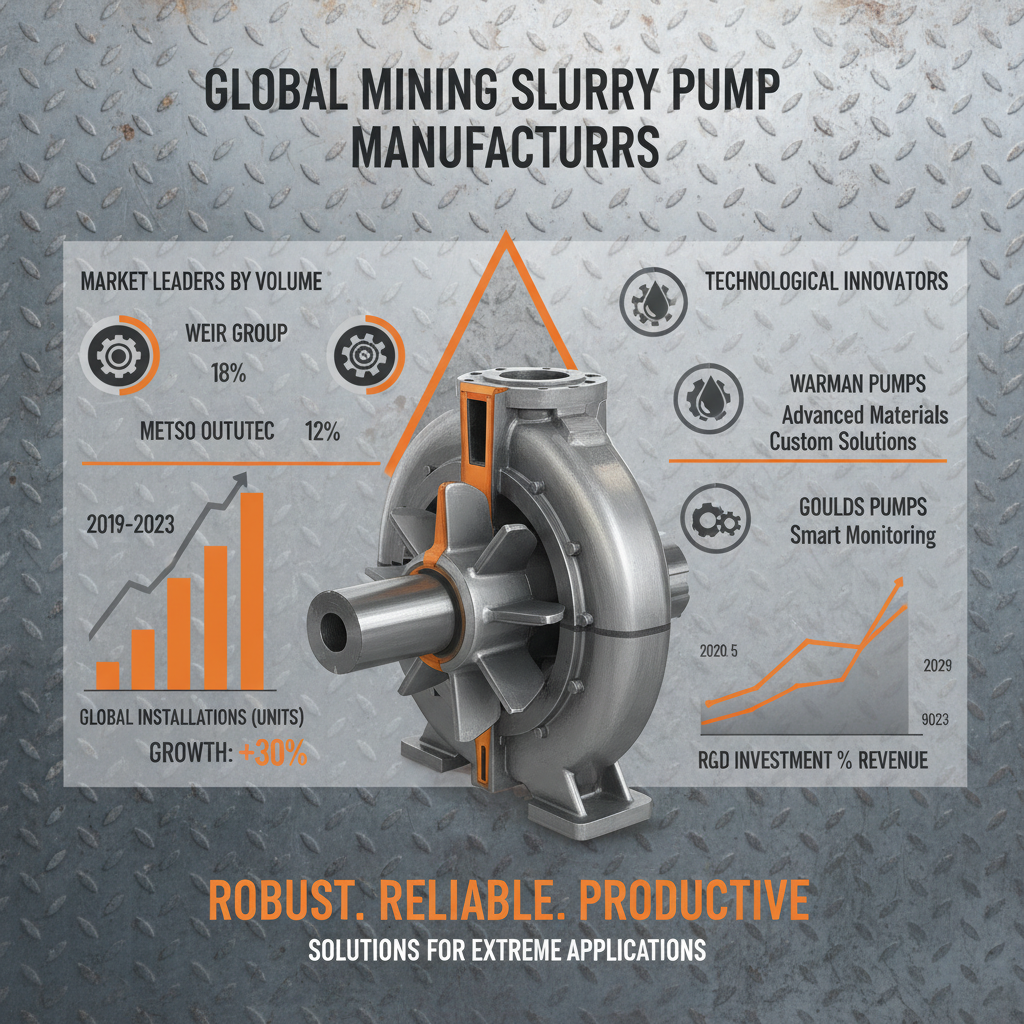
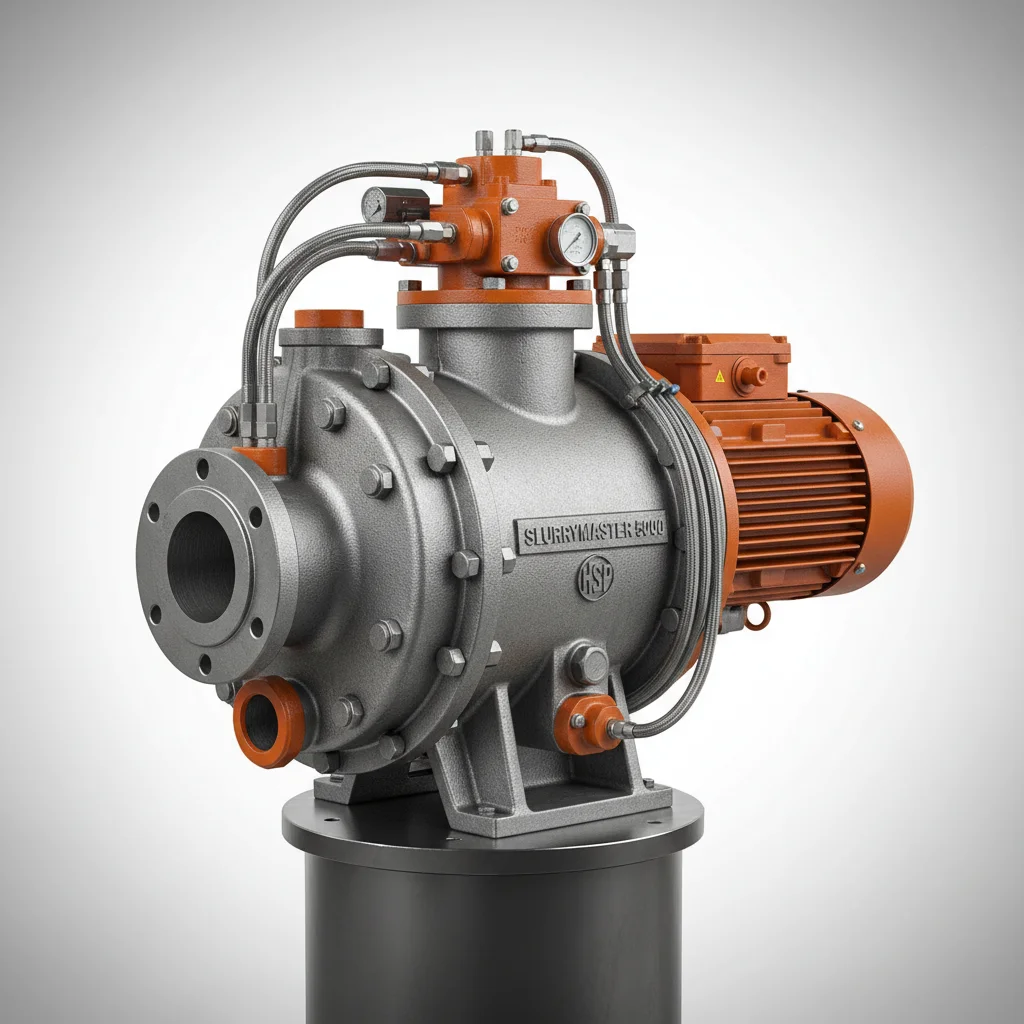
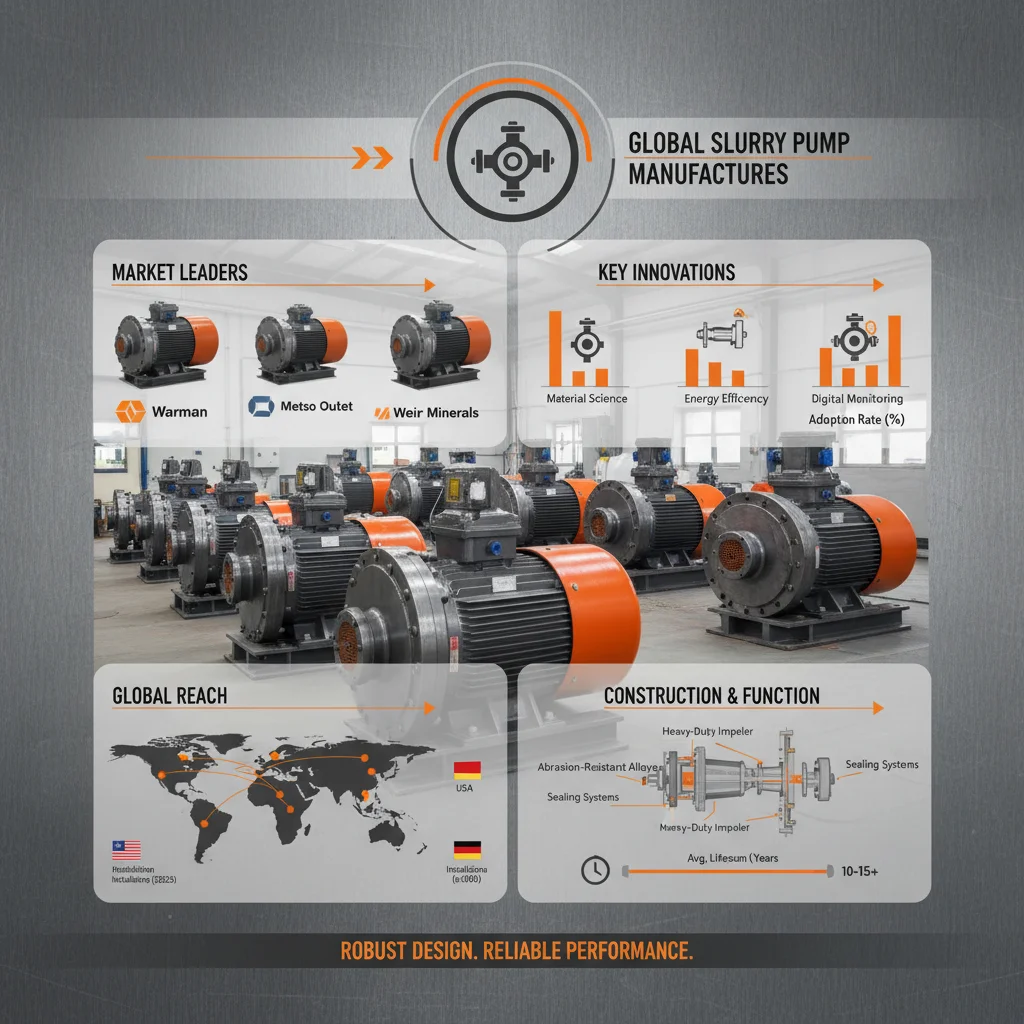
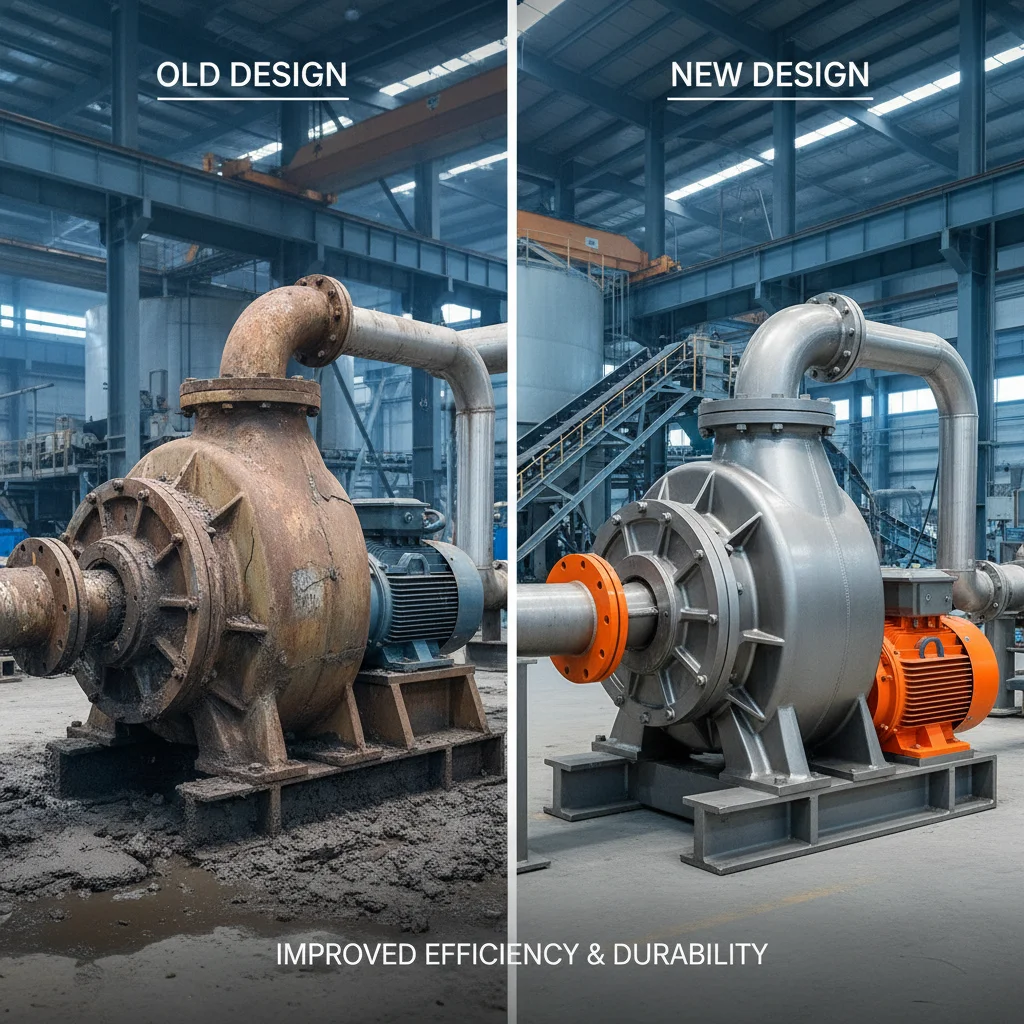
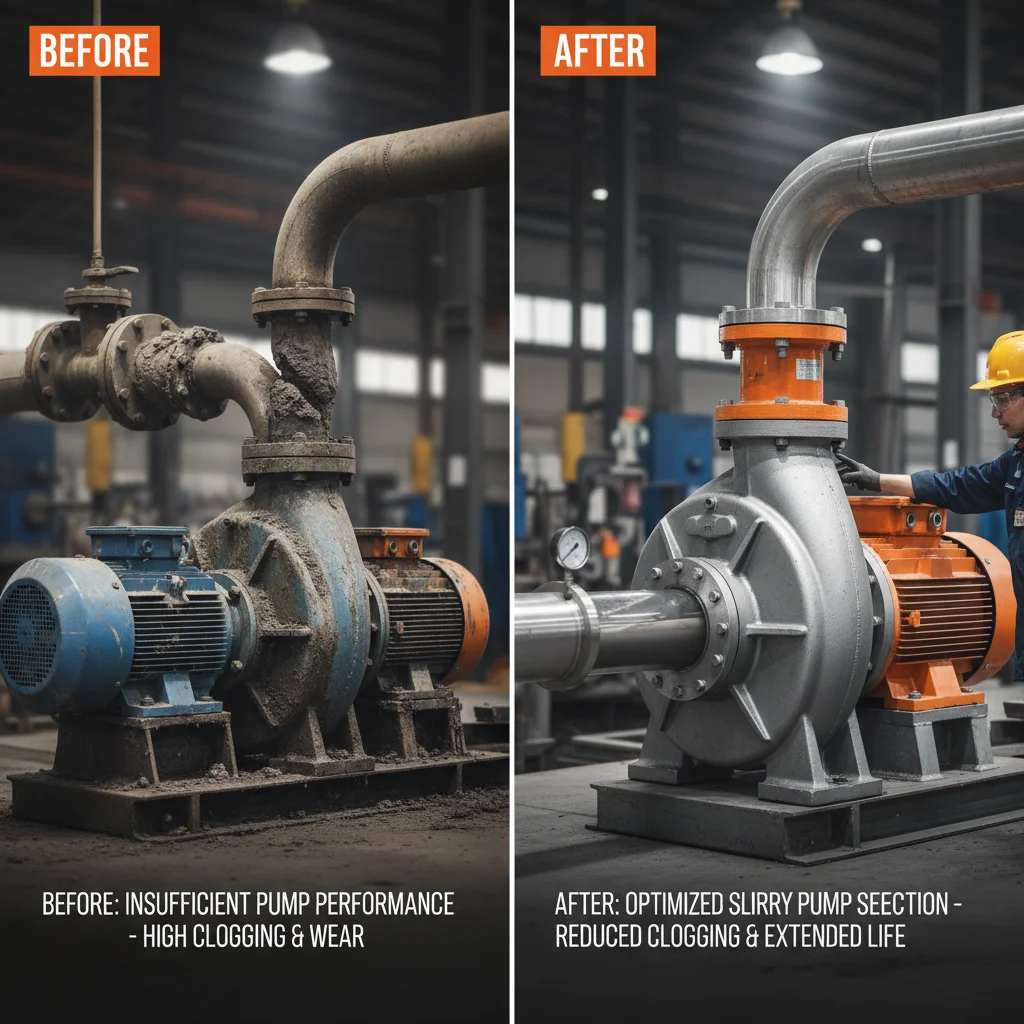
Mining slurry pump manufacturers are critical components in a vast range of industries, most notably mining, but also extending to construction, wastewater treatment, and even power generation. These pumps are engineered to move abrasive, highly concentrated mixtures of liquids and solids – “slurry” – which are commonplace in resource extraction and processing. The reliable and efficient operation of these pumps directly impacts productivity, cost-effectiveness, and safety across these sectors, making the selection of the right manufacturer a key strategic decision. Understanding the nuances of different manufacturers and their product offerings is therefore paramount.
Globally, the demand for mining slurry pump manufacturers is inextricably linked to the health of the mining industry and infrastructural development. The UN estimates that the demand for critical minerals necessary for green technologies will increase exponentially in the coming decades, driving a surge in mining activity. This demand puts tremendous pressure on existing mining infrastructure, and simultaneously necessitates the development of new mines, both of which rely heavily on effective slurry transport systems. World Bank data reinforces this trend, highlighting significant investment in mining projects across developing nations, further fueling the need for robust and reliable pump solutions.
The challenge lies in the extreme operating conditions these pumps face - handling highly abrasive materials, dealing with varying flow rates and pressures, and operating in often remote and harsh environments. Selecting a manufacturer capable of delivering pumps tailored to these specific challenges is not merely a matter of cost; it's a matter of operational efficiency, environmental responsibility (minimizing downtime and leaks), and long-term profitability. This is where specialized mining slurry pump manufacturers truly distinguish themselves.
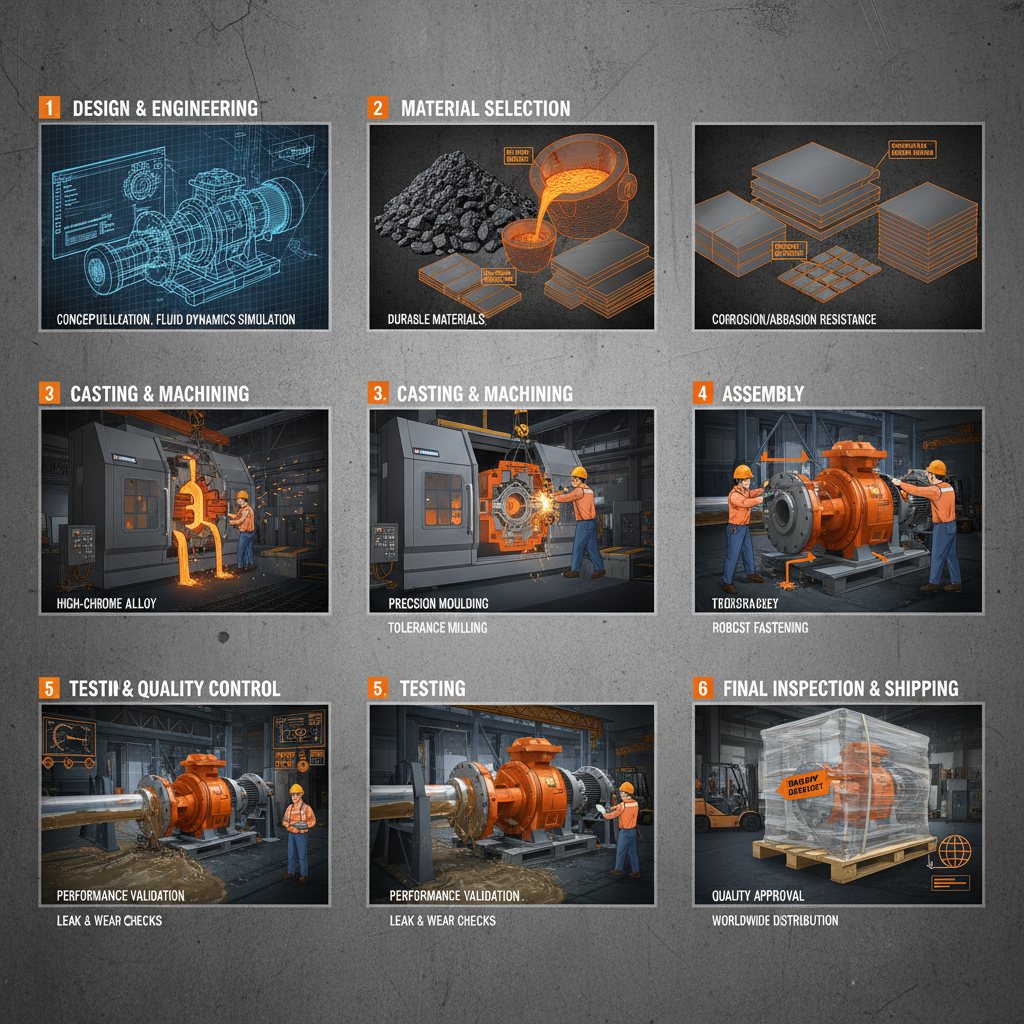
Introduction: Global or Industry Context
The importance of reliable mining slurry pump manufacturers extends far beyond simply moving materials. These pumps are integral to the extraction and processing of essential resources – from iron ore and coal powering infrastructure, to lithium and cobalt vital for the renewable energy transition. The scale of this industry is immense; global mining output is valued in the trillions of dollars annually. Selecting the wrong pump can lead to costly downtime, environmental damage, and safety risks, making careful manufacturer selection paramount.
The performance of slurry pumps has a direct impact on the entire mining process. Inefficient pumping can lead to bottlenecks, increased energy consumption, and reduced ore recovery rates. Furthermore, the abrasive nature of the slurry necessitates pumps built with specialized materials and designs capable of withstanding extreme wear and tear. Leading manufacturers are constantly innovating to address these challenges, developing pumps that offer increased efficiency, longer service life, and reduced maintenance requirements.
Definition & Meaning
Mining slurry pump manufacturers specialize in the design, production, and service of pumps specifically engineered to handle abrasive and dense mixtures of solids and liquids – the "slurry" that is ubiquitous in mining operations. These aren’t your typical water pumps; they’re built to withstand the constant impact of hard particles, varying fluid viscosities, and often corrosive chemical environments. Mining slurry pump manufacturers don't just sell a product; they provide integrated solutions, often including pump selection expertise, installation support, and ongoing maintenance services.
The connection to modern industry and humanitarian needs is often indirect, but critical. The resources extracted with the aid of these pumps form the foundation of countless products we rely on daily – from the steel in our buildings to the electronics in our pockets. Moreover, effective wastewater treatment, often employing slurry pumps, is essential for public health and environmental protection. Therefore, robust and reliable pump technology directly supports sustainable development goals.
The sophistication of modern slurry pump manufacturing involves advanced materials science, hydraulic engineering, and often, remote monitoring and control systems. Manufacturers are increasingly focused on developing pumps that not only perform reliably but also minimize environmental impact through energy efficiency and reduced waste.
Key Factors or Core Components
Durability: The core of any good mining slurry pump manufacturer’s offering is the durability of their pumps. This isn’t just about using robust materials – although that’s crucial – it's about intelligently designing components to minimize wear and tear from abrasive particles. Hard metal alloys, ceramic linings, and specialized impeller designs all contribute to a longer pump lifespan, reducing downtime and maintenance costs.
Efficiency: Energy consumption is a significant cost factor in mining operations. Efficient pumps minimize energy waste, reducing operating expenses and environmental impact. Manufacturers achieve this through optimized hydraulic designs, variable speed drives, and the use of energy-efficient motors. Modern pumps are often equipped with monitoring systems to track performance and identify areas for improvement.
Seal Reliability: Leakage is a major concern with slurry pumps, not only due to the loss of valuable material but also due to potential environmental contamination. Manufacturers employ a range of sealing technologies – from mechanical seals to gland packing – designed to prevent leaks even under high pressures and abrasive conditions. Regular seal inspection and maintenance are critical for ensuring continued reliable operation.
Material Compatibility: Slurries vary drastically in their chemical composition. A pump designed for one type of slurry may quickly corrode when exposed to another. Therefore, a key aspect of choosing the right manufacturer is ensuring they offer pumps constructed from materials compatible with the specific slurry being handled.
Flow Control & Head: The ability to precisely control the flow rate and head (pressure) of the slurry is vital for optimizing process efficiency. Mining slurry pump manufacturers offer various control mechanisms, including variable frequency drives (VFDs) and throttling valves, to allow operators to fine-tune pump performance to meet specific requirements.
Ease of Maintenance: Even the most durable pumps require maintenance. Manufacturers who design pumps with easy access to critical components, standardized parts, and clear maintenance procedures significantly reduce downtime and maintenance costs.
Global Applications & Use Cases
Mining slurry pump manufacturers’ products are integral to the coal industry, where they handle slurries conveying coal fines from mines to processing plants. In the iron ore sector, these pumps move iron ore slurries through beneficiation circuits, and in the copper industry, they are used to transport tailings. Beyond traditional mining, they're vital in sand and gravel operations, dredging projects, and phosphate mining.
Applications extend beyond mining, though. Wastewater treatment plants globally rely on slurry pumps to manage sludge and other abrasive waste materials. In the construction industry, they’re used to pump concrete and grout. Even power plants utilize these pumps to transport fly ash and other byproducts. Remote industrial zones, such as those in Australia, Chile, and Canada, particularly benefit from the robust and reliable nature of high-quality slurry pumps.
In post-disaster relief operations, portable slurry pumps can be deployed to quickly remove debris and sediment, assisting in flood control and infrastructure restoration. Furthermore, the ongoing demand for battery metals like lithium is driving increased slurry pump usage in lithium brine extraction facilities located in South America’s “Lithium Triangle” (Argentina, Bolivia, and Chile).
Mining Slurry Pump Manufacturers - Performance Comparison
Advantages & Long-Term Value
The tangible benefits of investing in high-quality mining slurry pump manufacturers are substantial. Reduced downtime translates directly into increased production and revenue. Lower maintenance costs, stemming from durable components and intelligent design, improve profitability. And, crucially, improved energy efficiency lowers operating expenses and contributes to a smaller environmental footprint.
Beyond the economic advantages, there's a significant social impact. Reliable pumps contribute to safer working environments, minimizing the risk of accidents and spills. The environmental benefits – reduced leaks, lower energy consumption – align with growing corporate social responsibility goals. Choosing a reputable manufacturer fosters trust and confidence in your operations, enhancing your brand reputation.
Future Trends & Innovations
The future of mining slurry pump manufacturers is being shaped by several key trends. Digitalization is playing a major role, with the integration of sensors and data analytics enabling predictive maintenance and optimized pump performance. Remote monitoring systems allow operators to track pump health and identify potential issues before they lead to downtime.
Furthermore, sustainable materials and designs are gaining prominence. Manufacturers are exploring the use of more environmentally friendly materials and developing pumps that require less energy to operate. Automation is also increasing, with the development of self-regulating pumps and automated maintenance systems. These advancements will be crucial for meeting the evolving demands of the mining industry.
Challenges & Solutions
A common challenge faced by users of slurry pumps is dealing with increasingly abrasive slurries and harsh operating environments. Traditional pump materials may not be able to withstand these conditions, leading to premature failure. The solution lies in utilizing advanced materials, such as high-chromium alloys and ceramic composites, and incorporating innovative designs that minimize wear and tear.
Another significant challenge is managing energy consumption. Slurry pumps can be energy-intensive, particularly in large-scale mining operations. Manufacturers are addressing this through the development of more efficient pump designs, variable speed drives, and intelligent control systems. Utilizing these cutting-edge solutions is necessary to remain efficient.
Finally, maintaining pump reliability in remote locations can be difficult. Mining slurry pump manufacturers are responding by offering remote monitoring and diagnostic services, as well as providing on-site training and support to local maintenance teams.
FAQS
Centrifugal pumps are best for high-volume, low-to-medium viscosity slurries and offer lower initial costs. Positive displacement pumps excel with highly viscous slurries, handling varying flow rates consistently, but they typically have higher initial costs and are more complex to maintain. The best choice depends heavily on the slurry characteristics and application requirements.
Determining the correct pump size requires careful consideration of several factors including slurry density, flow rate, head (pressure), pipe diameter, and the presence of any solids. A qualified pump engineer should perform a detailed system analysis to ensure the pump is appropriately sized for optimal performance and longevity. Undersizing leads to inadequate flow, while oversizing wastes energy.
Common materials include cast iron, stainless steel, high-chromium alloys, and rubber linings. Cast iron is cost-effective for less abrasive slurries. Stainless steel offers corrosion resistance. High-chromium alloys provide exceptional wear resistance for abrasive slurries. Rubber linings dampen noise and protect against abrasion. The specific material selected depends on the slurry's properties.
Maintenance frequency depends on operating conditions and slurry abrasiveness. Regular inspections (weekly/monthly) should include checking seals, bearings, and impeller wear. Scheduled preventative maintenance (every 6-12 months) should involve a more thorough overhaul, including replacing worn parts and lubricating components. Proactive maintenance prevents costly breakdowns.
A VFD allows for precise control of pump speed, optimizing flow rate and energy consumption. It also reduces mechanical stress on the pump, extending its lifespan. VFDs are particularly beneficial in applications where flow requirements vary, enabling significant energy savings and improved process control.
Cavitation occurs when vapor bubbles form and collapse in the pump impeller, causing damage. To prevent it, ensure adequate suction head, minimize pipe restrictions, and maintain proper pump speed. Regular monitoring of pump performance and addressing any signs of cavitation promptly are crucial for extending pump life.
Conclusion
In conclusion, the selection and maintenance of appropriate mining slurry pump manufacturers solutions are paramount for industries reliant on the efficient and reliable transportation of abrasive slurries. From driving down operational costs and ensuring worker safety to minimizing environmental impact and maximizing resource recovery, the advantages are multifaceted and far-reaching. Understanding the core components, future trends, and potential challenges is essential for making informed decisions.
Looking ahead, the integration of digital technologies, the adoption of sustainable materials, and a commitment to preventative maintenance will be key to unlocking the full potential of slurry pump technology. By partnering with reputable manufacturers who prioritize innovation and customer support, organizations can ensure long-term operational efficiency and contribute to a more sustainable future. For further information and to explore tailored solutions, visit our website: www.hihornpump.com.