Essential Guide to Slurry Pump for Mining Operations and Technology

Essential Guide to Slurry Pump for Mining Operations and Technology

  • Home
  • Top Blog
  • Essential Guide to Slurry Pump for Mining Operations and Technology
0%

Table of Contents

Slurry pump for mining operations are critical for the efficient and cost-effective movement of abrasive materials. These pumps are specifically designed to handle the high density and solid content characteristic of slurries produced in mining processes, ranging from initial ore extraction to tailings management. The demand for robust and reliable slurry pumps is directly tied to the global mining industry’s output, influencing overall resource extraction and processing.

The global mining industry, valued at trillions of dollars, heavily relies on effective slurry transport. According to the World Bank, mineral production is a significant contributor to the GDP of many developing nations. Disruptions in slurry handling—due to pump failures or inefficiencies—can lead to substantial economic losses, environmental concerns, and safety hazards. The continuous need for increased productivity and sustainable practices drives innovation in slurry pump for mining technology.

Understanding slurry pump for mining is crucial for engineers, mine operators, and environmental professionals. Selecting the correct pump type and optimizing its operation are essential for minimizing downtime, reducing energy consumption, and preventing environmental damage. The evolution of slurry pump technology directly addresses challenges surrounding abrasive wear, corrosion, and the need for increased flow rates in modern mining environments.
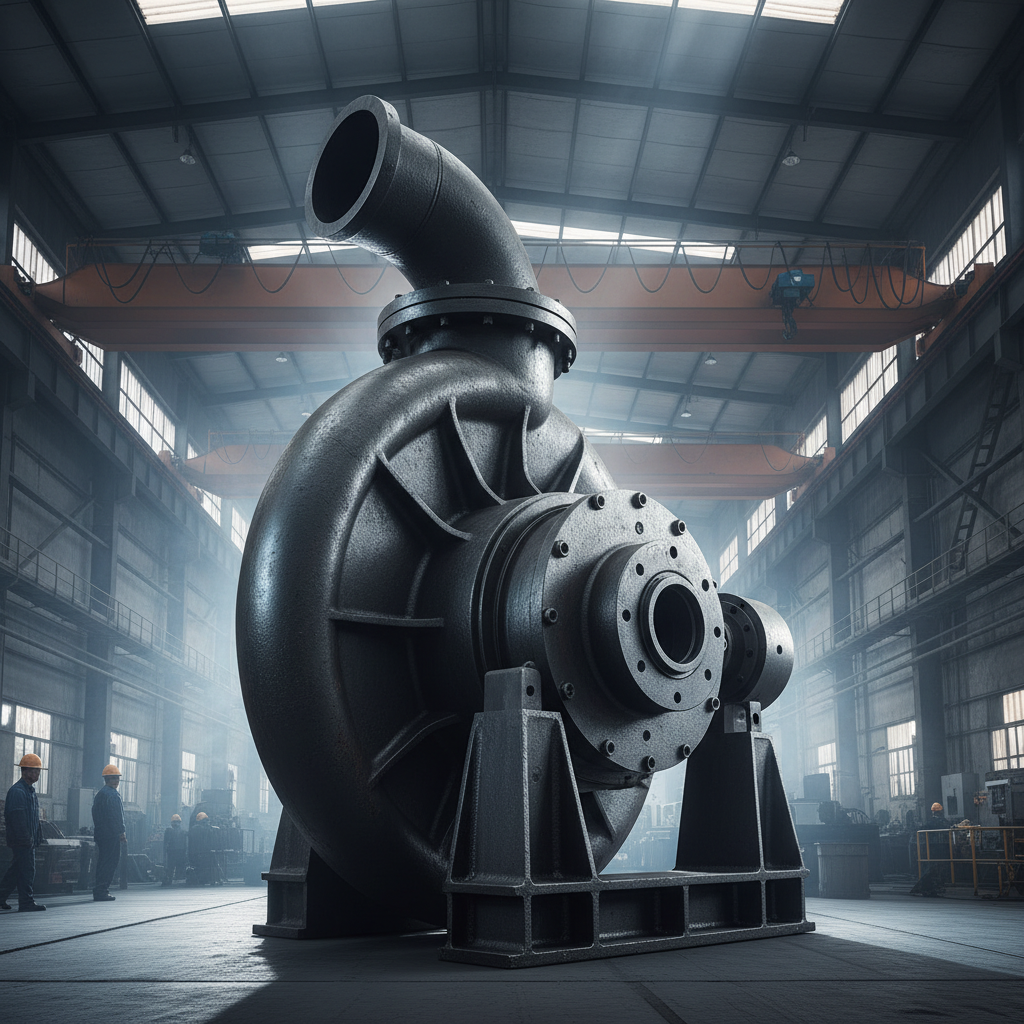
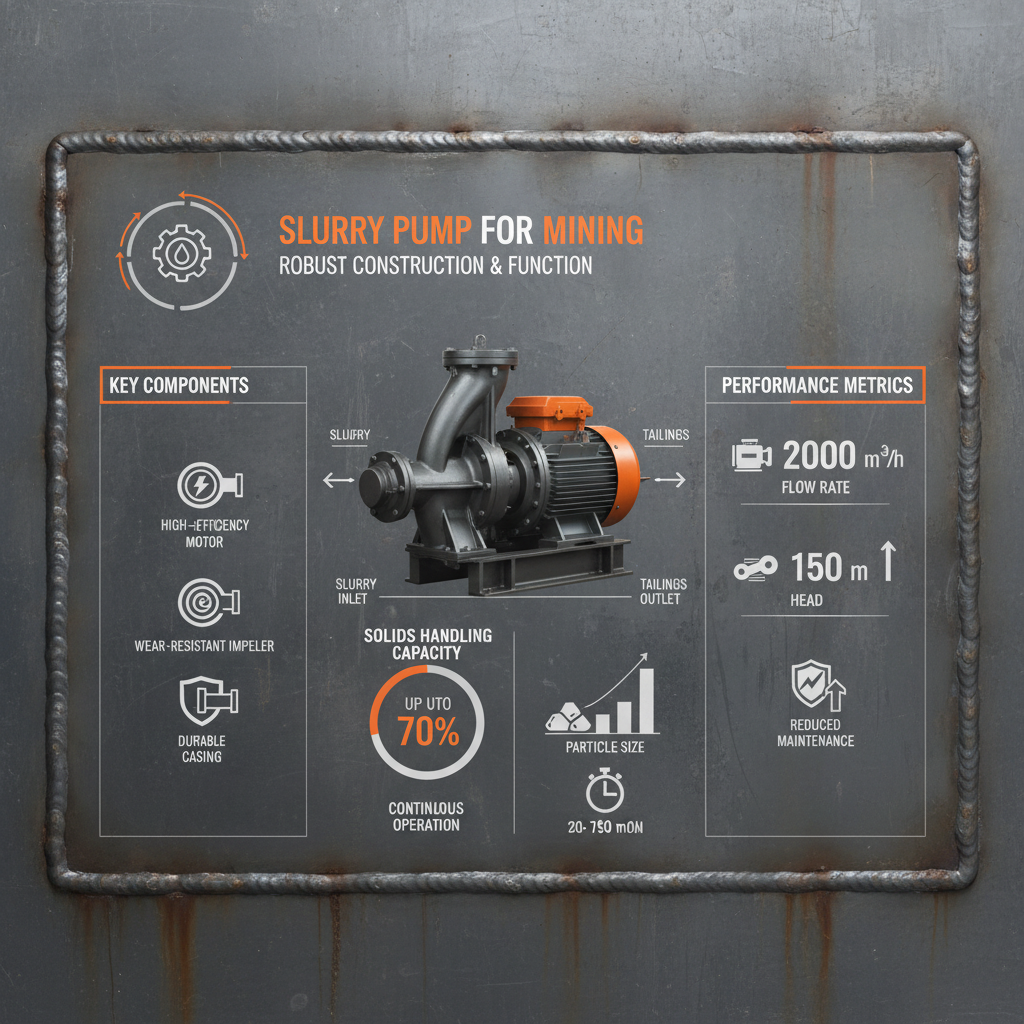
slurry pump for mining

The Importance of Slurry Pump for Mining

slurry pump for mining

Slurry pumps are absolutely fundamental to modern mining operations, playing a vital role in both upstream and downstream processes. They’re responsible for transporting everything from raw ore slurries to concentrated tailings, ensuring a continuous flow of materials throughout the mining circuit. Without reliable slurry pump for mining systems, mining productivity would dramatically decrease, significantly increasing operational costs and hindering resource extraction.

The selection of the correct slurry pump isn't simply a matter of capacity; it’s a complex decision influenced by slurry characteristics (particle size, density, abrasiveness), pipeline length, elevation changes, and environmental regulations. An improperly selected pump can suffer from premature wear, reduced efficiency, and even catastrophic failure, leading to costly downtime and environmental concerns.

Defining Slurry Pump for Mining

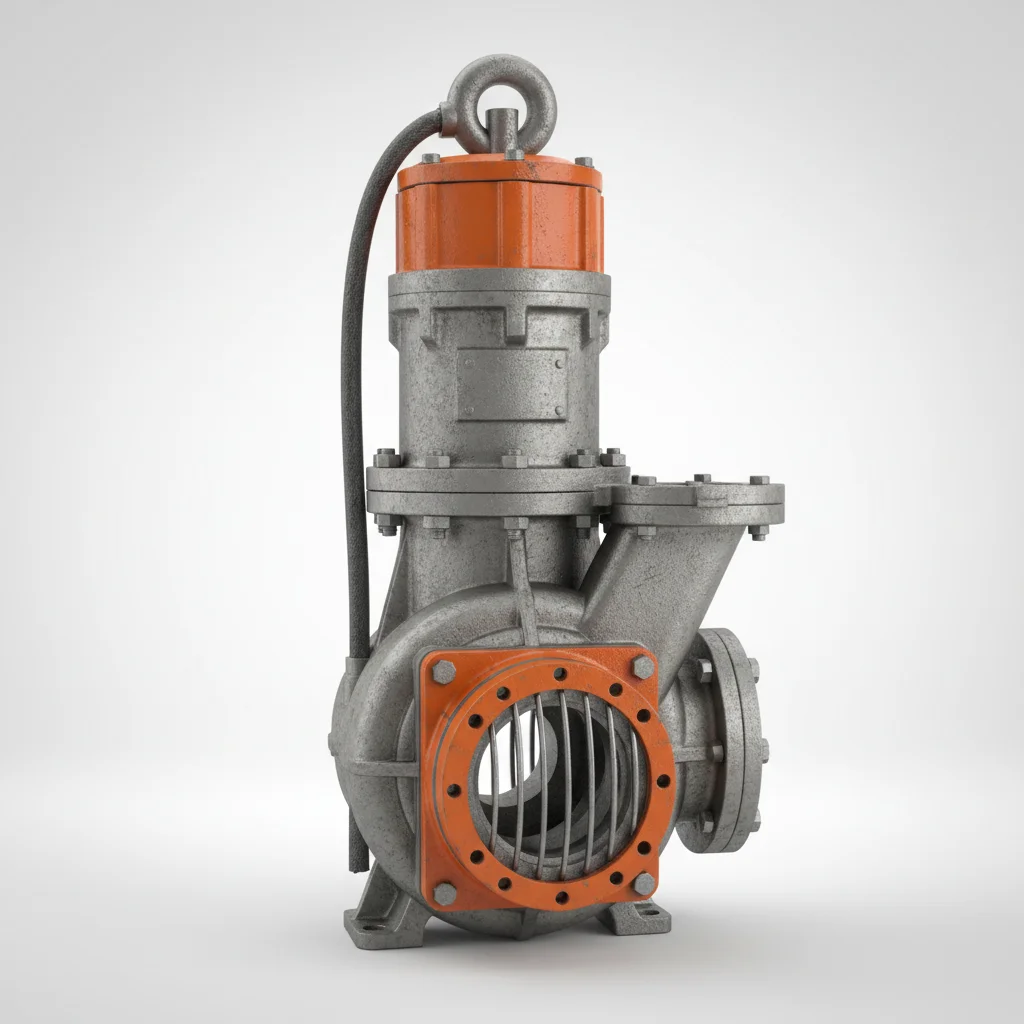
A slurry pump for mining is a type of pump specifically engineered to move mixtures of liquids and solid particles – known as slurries. Unlike standard centrifugal pumps designed for clean fluids, slurry pumps incorporate design features to handle the abrasive and erosive nature of solid-laden liquids. These features often include hardened impellers, wear-resistant liners, and robust seals.

The connection to modern industry is direct. Mining provides essential raw materials for countless sectors, from construction and manufacturing to electronics and renewable energy. Effective slurry management is intrinsically linked to the ability to meet the growing global demand for these resources, requiring efficient and durable slurry pump solutions.

Beyond mining, applications extend to wastewater treatment, chemical processing, and even dredging, demonstrating the versatility of this critical technology. However, the demanding requirements of the mining industry—high solid concentrations, abrasive materials, and continuous operation—drive specialized innovation in slurry pump design and materials science.

Key Components of a Slurry Pump System

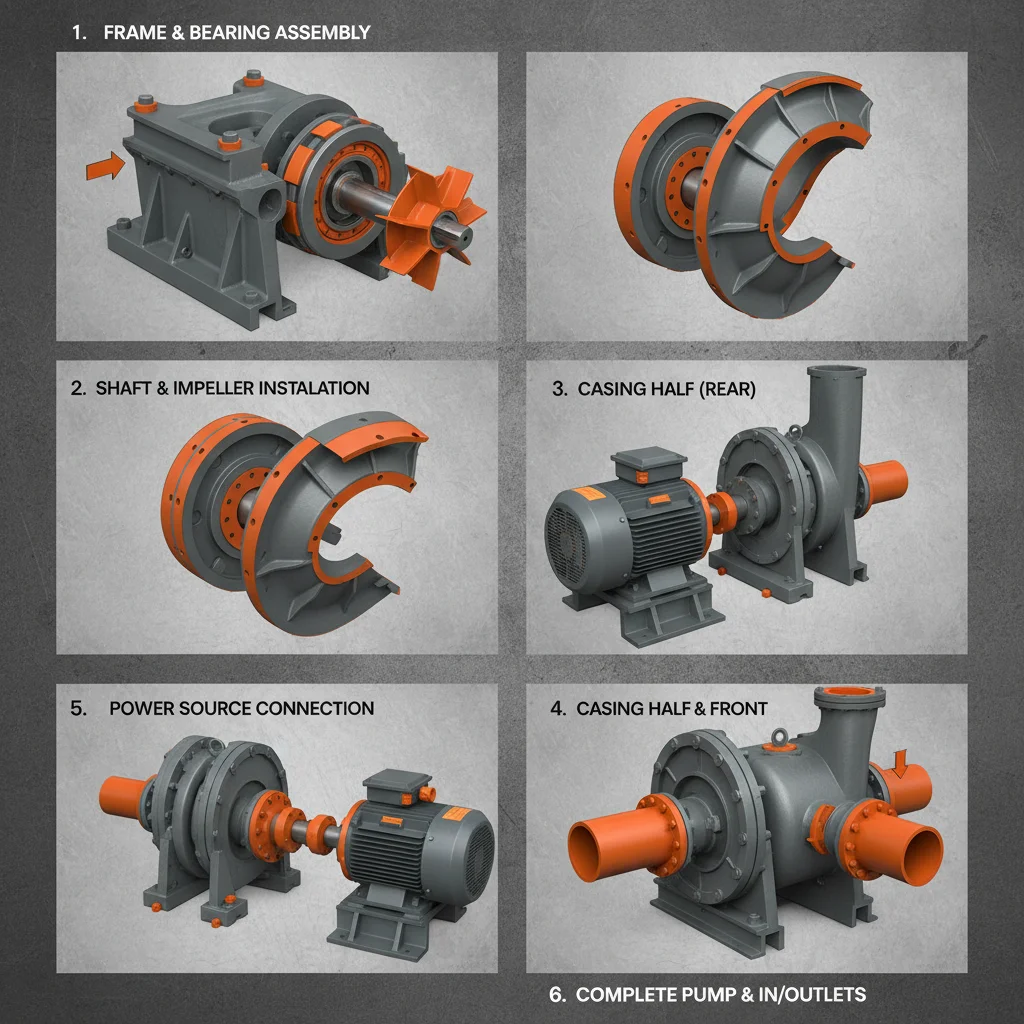
A comprehensive slurry pump system comprises several interconnected components, each playing a crucial role in efficient operation. The core of the system is, of course, the pump itself, typically a centrifugal or positive displacement type, chosen based on the slurry’s characteristics and the required flow rate.

Beyond the pump, the piping network is vital; constructed from wear-resistant materials like high-chromium alloys or rubber lining to withstand abrasive slurry flow. Valves, including control valves and check valves, regulate flow and prevent backflow, ensuring smooth operation and system protection. Finally, the drive system—motor, gearbox, and coupling—transmits power to the pump, requiring careful consideration of motor sizing and protection mechanisms.

An often-overlooked, but vital, component is the sealing system. Mechanical seals or packing glands prevent slurry leakage, protect bearings, and maintain pump efficiency. Proper seal selection and maintenance are critical for minimizing downtime and ensuring environmental compliance.

Durability and Materials in Slurry Pump Construction

The longevity and performance of a slurry pump for mining are fundamentally dependent on the materials used in its construction. Due to the highly abrasive nature of slurries, components are subjected to intense wear and erosion. Therefore, high-chromium alloys are commonly employed for impellers, volute liners, and pump casings to resist abrasive wear.

Slurry Pump Material Performance Comparison

Global Applications of Slurry Pump for Mining

The use of slurry pump for mining extends across a diverse range of mining operations globally. In large-scale copper and gold mines in South America, these pumps are essential for transporting ore slurries from the mine site to processing plants. Similarly, in iron ore mines in Australia, they are critical for moving tailings and managing water resources.

The demand is also strong in coal mining regions of China and India, where slurry pumps handle coal washings and manage slurry waste. These pumps are even crucial in offshore diamond mining operations in Namibia, where they must withstand the corrosive effects of seawater and abrasive diamond-rich slurries.

Advantages and Long-Term Value Proposition

Investing in high-quality slurry pump for mining solutions offers a significant long-term value proposition. Reduced downtime—due to the increased reliability of robust pump designs—directly translates to increased productivity and profitability. Lower maintenance costs, thanks to wear-resistant materials and efficient designs, contribute to operational savings.

Beyond the economic benefits, utilizing advanced slurry pump technology supports sustainable mining practices by minimizing environmental impact. Efficient slurry transport reduces water consumption, prevents leaks, and optimizes tailings management. Furthermore, enhanced safety features protect workers and ensure a secure operating environment.

Future Trends in Slurry Pump Technology

The future of slurry pump for mining is shaped by several key trends. Digitalization—incorporating sensors and data analytics—allows for predictive maintenance, optimizing pump performance and preventing unscheduled downtime. Developments in materials science, such as advanced ceramics and composite materials, promise even greater wear resistance and efficiency.

Energy efficiency is also a driving force, with innovations in pump design and motor technology aimed at reducing energy consumption. The integration of automated control systems and remote monitoring capabilities will further streamline operations and enhance productivity. Furthermore, there is growing focus on developing pumps designed for handling increasingly complex and challenging slurries.

FAQS

What is the typical lifespan of a slurry pump used in mining?

The lifespan of a slurry pump is highly dependent on the slurry’s abrasiveness, solid content, and the operating conditions. However, a well-maintained, high-quality slurry pump can typically operate for 3-5 years, and sometimes longer, before requiring major component replacements. Implementing a preventative maintenance program and regularly monitoring pump performance are crucial for maximizing lifespan.

How do I choose the right slurry pump for my specific mining application?

Selecting the right slurry pump requires careful consideration of several factors, including the slurry’s specific gravity, particle size distribution, flow rate, head pressure, and the presence of corrosive chemicals. Consulting with a slurry pump specialist and providing detailed information about your application is highly recommended to ensure optimal pump selection.

What are the common causes of slurry pump failure?

Common causes of slurry pump failure include abrasive wear, corrosion, cavitation, seal failure, and motor issues. Abrasive wear is often the most significant factor, highlighting the importance of using wear-resistant materials. Regular inspections and preventative maintenance can help identify and address potential problems before they lead to failure.

What maintenance is required for a slurry pump?

Routine maintenance for a slurry pump includes regular inspections of seals, bearings, impellers, and liners. Lubrication of bearings is crucial. Monitoring pump performance—flow rate, pressure, and vibration—can help detect early signs of wear or damage. Scheduled component replacements, based on operating hours and wear patterns, are also essential.

Can slurry pumps be used for handling tailings?

Yes, slurry pumps are commonly used for handling tailings, the waste material generated from mineral processing. However, tailings slurries often have unique characteristics, such as high fines content and potential chemical contamination, requiring specialized pump designs and materials to ensure reliable and environmentally responsible operation.

What is the difference between a centrifugal and positive displacement slurry pump?

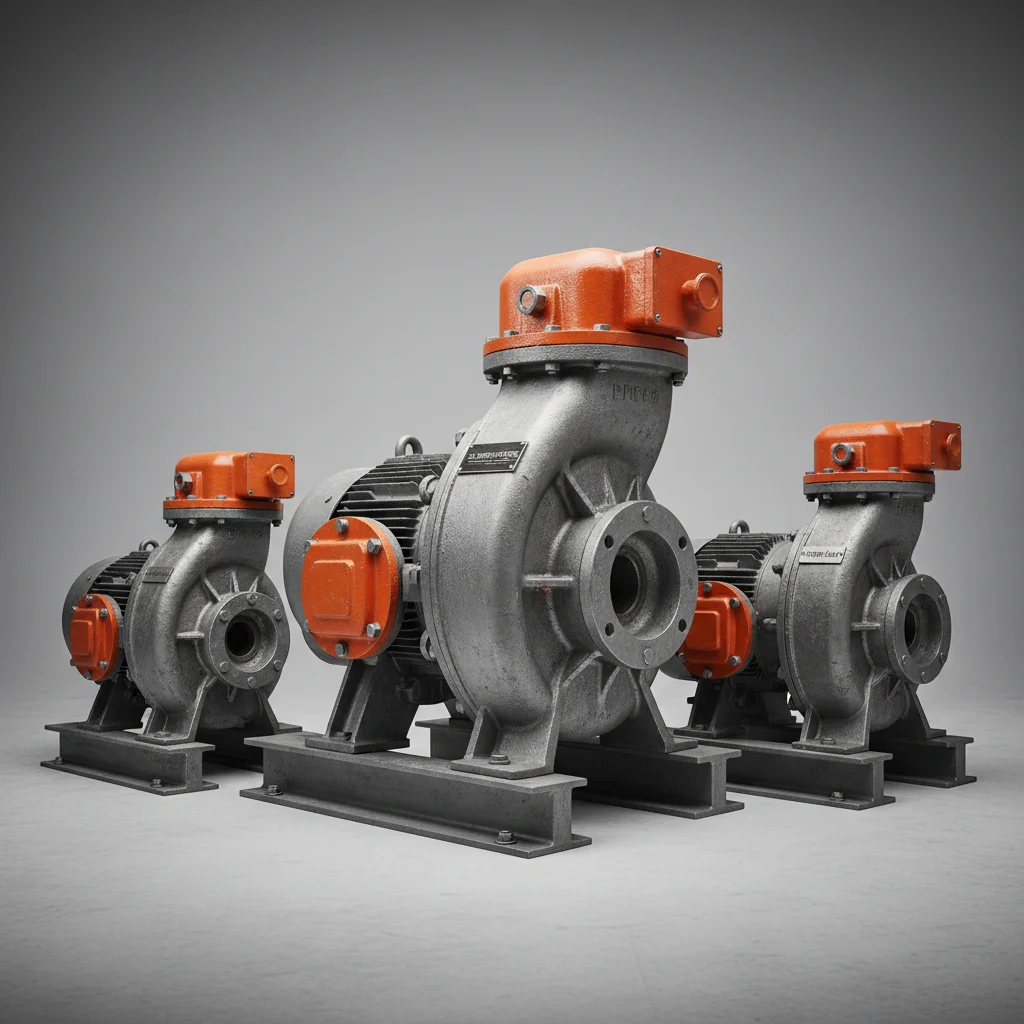
Centrifugal slurry pumps are more common due to their lower cost and simplicity, ideal for high-flow, low-head applications. Positive displacement pumps (like diaphragm or peristaltic) excel at handling viscous slurries or applications requiring precise flow control, albeit at a higher cost. The best choice depends on the specific slurry characteristics and application requirements.

Conclusion

Slurry pump for mining technology is a cornerstone of modern resource extraction. The ability to efficiently and reliably transport abrasive slurries is essential for maximizing productivity, minimizing costs, and ensuring environmental sustainability. By understanding the key components, material considerations, and future trends in slurry pump design, mining operations can optimize their systems and achieve long-term success.

Investing in high-quality slurry pumps, coupled with proactive maintenance strategies and a focus on innovation, will be crucial for meeting the evolving challenges of the mining industry. As demand for resources continues to grow, the role of robust and efficient slurry pump for mining solutions will only become more critical.

Daniel Faulkner

Daniel Faulkner

Daniel Faulkner is a Senior Applications Engineer at Hihorn Pump. He works directly with clients to understand their specific fluid handling needs and recommend the optimal pump solution. Daniel possesses a Bachelor’s degree in Chemical Engineering and extensive experience in the power generation and wastewater treatment industries. He excels at
Previous Essential Guide to Sand Slurry Pump Systems Applications and Future Trends
Next Comprehensive Guide to Industrial Slurry Pump Systems and Applications

If you are interested in our products, you can choose to leave your information here, and we will be in touch with you shortly.