Heavy duty slurry pumps are the workhorses of numerous industries, responsible for the efficient and reliable transport of abrasive and dense materials. Their robust construction and specialized designs make them indispensable in sectors ranging from mining and dredging to wastewater treatment and chemical processing. Understanding the nuances of these pumps is critical for optimizing operational efficiency, reducing downtime, and ensuring the safety of personnel and the environment.
The global demand for heavy duty slurry pumps is driven by continued infrastructure development, increasing industrialization in emerging economies, and a growing need for effective waste management solutions. According to the World Bank, global infrastructure investment is projected to reach $94 trillion by 2040, a significant portion of which will require reliable slurry handling systems. This presents substantial opportunities for manufacturers and service providers within the slurry pump industry.
These pumps aren’t simply about moving liquids; they are integral to resource extraction, environmental protection, and the smooth functioning of vital industrial processes. Choosing the right pump, and understanding its maintenance requirements, can significantly impact a project's success, minimizing costs and maximizing productivity.
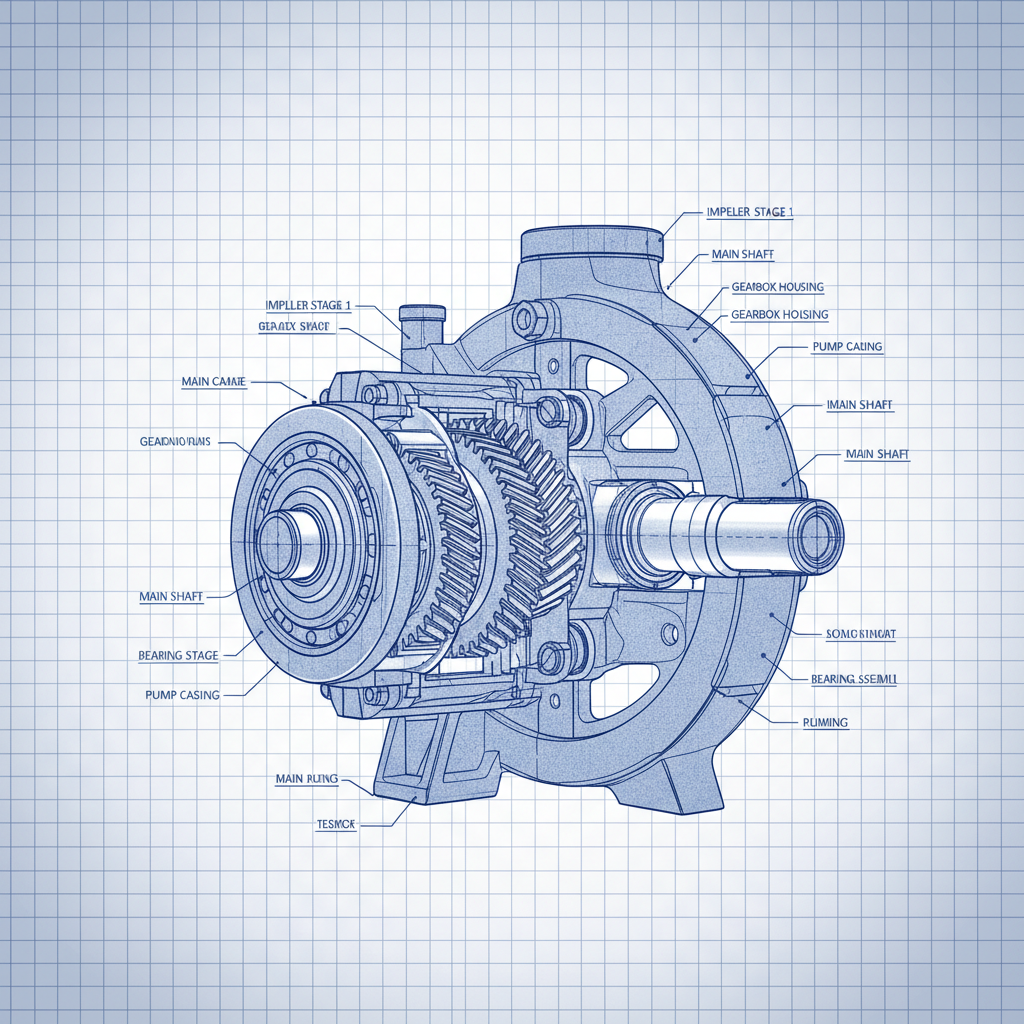
Introduction to Heavy Duty Slurry Pumps
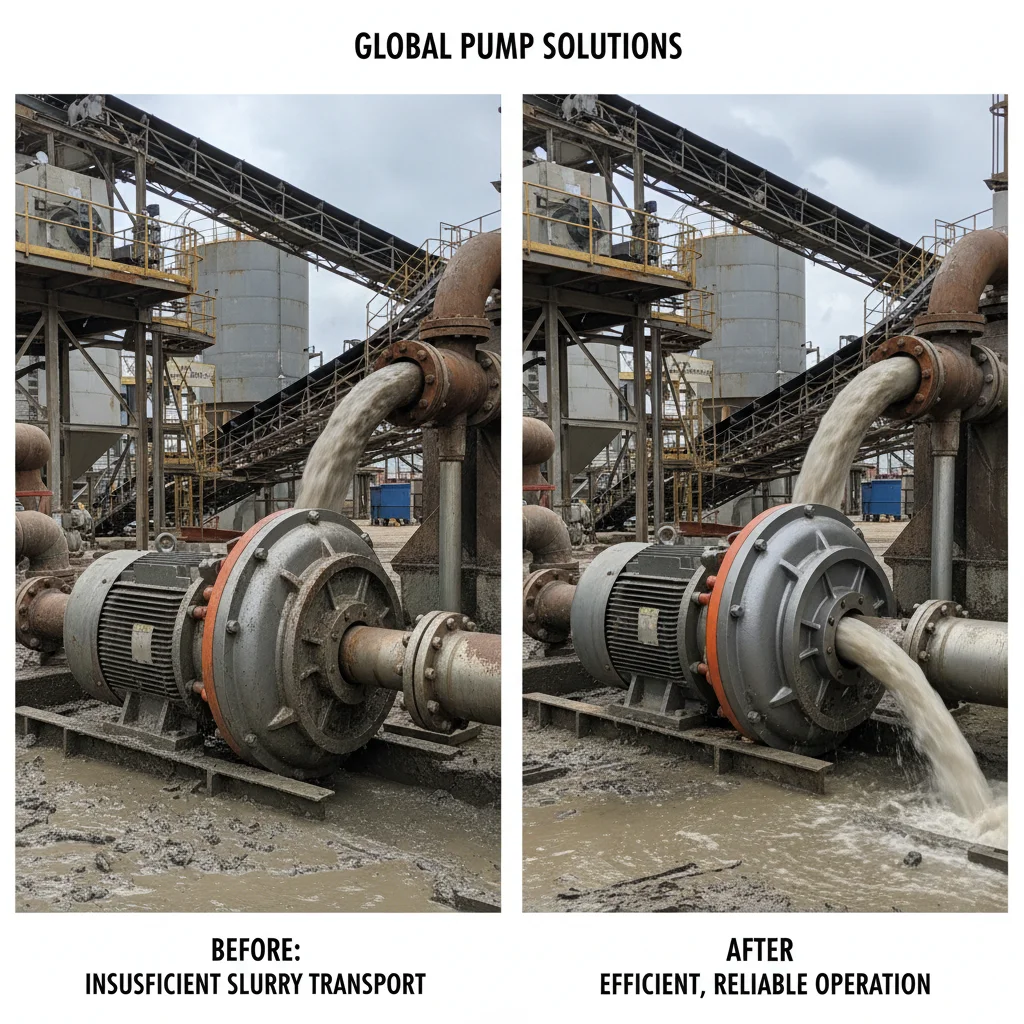
Heavy duty slurry pumps are engineered to handle highly abrasive and erosive materials, such as those found in mining operations, dredging projects, and wastewater treatment plants. Unlike standard pumps, these units incorporate robust designs and materials specifically chosen to withstand the harsh conditions associated with slurry transport. Heavy duty slurry pumps provide a reliable and efficient solution for applications where conventional pumps would quickly fail.
The selection of the appropriate heavy duty slurry pump is crucial for achieving optimal performance and minimizing maintenance costs. Factors such as slurry composition, particle size, flow rate, and head pressure all play a significant role in determining the ideal pump configuration. Careful consideration of these parameters ensures that the pump can effectively and reliably handle the specific demands of the application.
Defining Heavy Duty Slurry Pumps
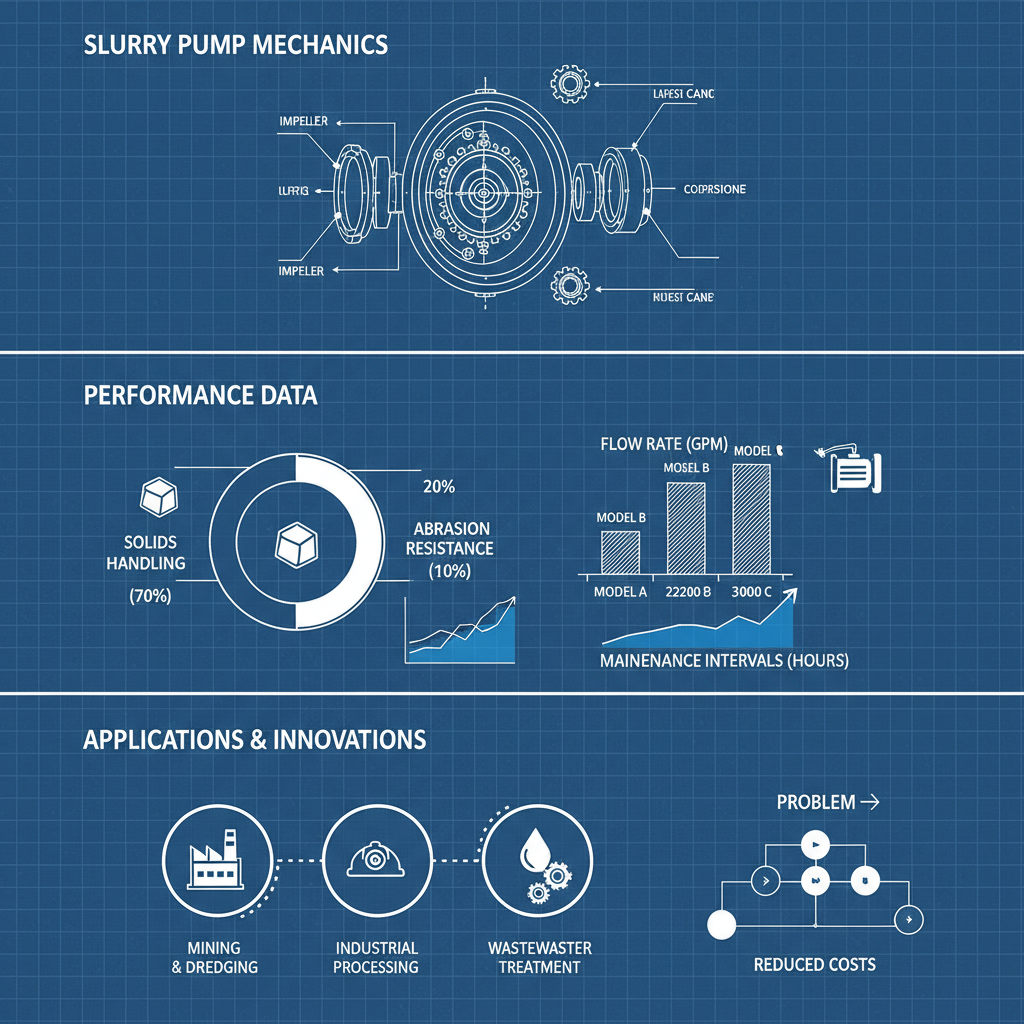
At its core, a heavy duty slurry pump is a type of centrifugal pump specifically designed to transport mixtures of liquids and solid particles. This mixture, known as slurry, can range in composition from fine sand and silt to large rocks and metallic fragments. The key differentiator between a standard centrifugal pump and a heavy duty slurry pump lies in the materials of construction, the pump’s internal geometry, and the design of its impeller and casing.
These pumps are critical to industries where the efficient removal or transport of solid-laden liquids is essential. For instance, in the mining industry, they’re used to move ore slurries from the mine site to processing facilities. In wastewater treatment, they handle sewage and sludge. The ability to handle these aggressive mixtures is vital for maintaining operational continuity.
Essentially, heavy duty slurry pumps bridge the gap between liquid handling and solids conveyance, providing a solution where simpler pumping systems would fall short. Their robust design allows them to operate continuously in demanding environments, contributing to the smooth and reliable functioning of various industrial processes.
Core Components and Operational Factors
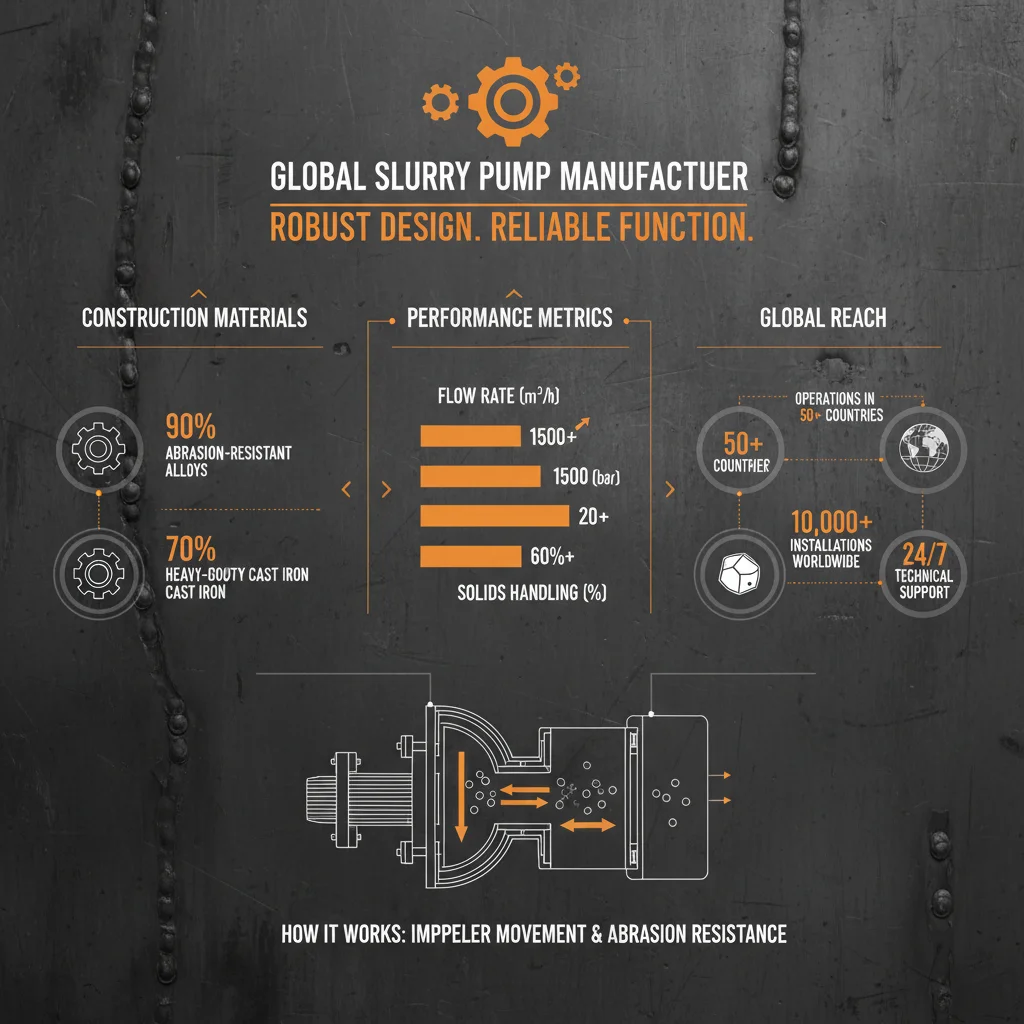
Several key factors contribute to the performance and longevity of a heavy duty slurry pump. Durability is paramount, stemming from the use of wear-resistant materials like high-chrome alloys, ceramic linings, and hardened steels for components directly exposed to the abrasive slurry. These materials minimize erosion and extend the pump’s lifespan, reducing overall operational costs.
Scalability refers to the pump’s ability to handle varying flow rates and slurry concentrations. Different impeller designs and casing sizes allow for adaptation to diverse applications. Efficient pump operation requires careful consideration of slurry characteristics; higher solids content and larger particle sizes demand pumps with larger passageways and robust impellers.
Cost efficiency, beyond the initial purchase price, is achieved through reduced maintenance and downtime. A well-designed pump with readily available replacement parts and a simple maintenance procedure minimizes disruption and ensures long-term value. Proper selection of pump materials and operation within specified parameters also contribute to minimizing wear and tear.
Key Performance Indicators for Heavy Duty Slurry Pumps
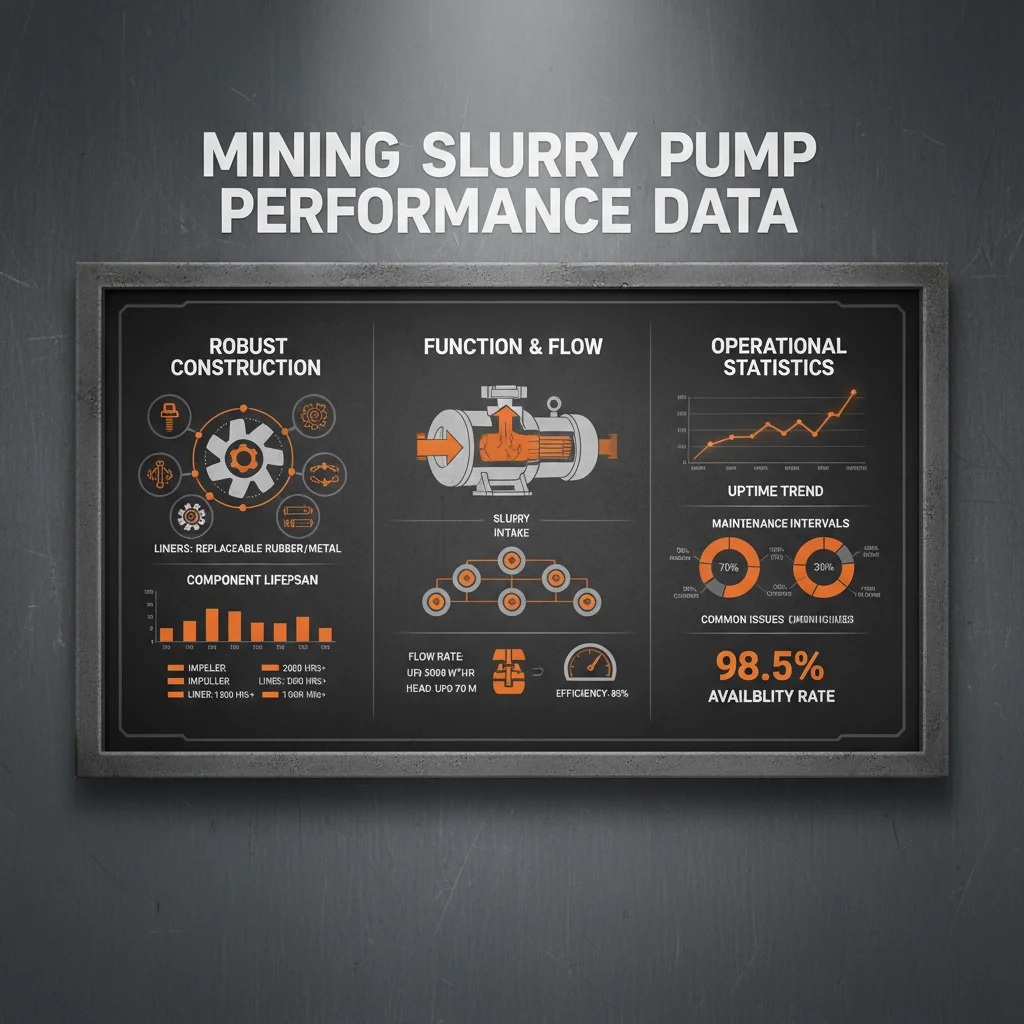
Assessing the performance of heavy duty slurry pumps involves monitoring several key performance indicators (KPIs). One crucial metric is the pump's hydraulic efficiency, which reflects the proportion of energy input converted into useful hydraulic power. A higher efficiency translates to lower energy consumption and reduced operating costs.
Another critical KPI is the pump's mean time between failures (MTBF), a measure of its reliability. A longer MTBF indicates a more robust and dependable pump, minimizing downtime and production losses. The wear rate of critical components, such as the impeller and casing, is also a vital indicator of pump longevity and maintenance requirements.
Heavy Duty Slurry Pump Performance Comparison
Global Applications and Industry Impact
Heavy duty slurry pumps find widespread application across a multitude of industries. In the mining sector, they are critical for transporting ore slurries from underground or open-pit mines to processing plants. In dredging operations, they remove sediment and debris from waterways, maintaining navigation channels and reclaiming land.
Wastewater treatment plants rely heavily on these pumps to handle sewage, sludge, and other solid-laden waste materials. The chemical processing industry utilizes them for transferring abrasive chemicals and slurries. Across regions, from the resource-rich landscapes of Australia and South America to the rapidly industrializing nations of Asia, these pumps are essential to economic development.
In post-disaster relief operations, heavy duty slurry pumps can be deployed to quickly remove floodwater and debris, clearing pathways for emergency responders and restoring essential services. In remote industrial zones, where access to reliable infrastructure is limited, these robust pumps provide a dependable solution for managing challenging slurry handling requirements.
Advantages and Long-Term Value Proposition
The advantages of investing in heavy duty slurry pumps extend far beyond immediate operational benefits. The reduced downtime associated with their robust construction translates to significant cost savings, minimizing production losses and maximizing profitability. Furthermore, their energy-efficient designs contribute to lower energy consumption and reduced environmental impact.
From a sustainability perspective, these pumps enable responsible resource management by facilitating efficient waste handling and minimizing environmental pollution. They enhance safety by providing a reliable and controlled method for handling potentially hazardous slurries. The long-term value proposition lies in the pump’s durability, reliability, and minimal lifecycle costs.
Future Trends and Innovations in Slurry Pumping
The future of heavy duty slurry pumping is being shaped by several emerging trends and innovations. The integration of smart sensors and IoT technology allows for real-time monitoring of pump performance, predictive maintenance, and remote diagnostics. This data-driven approach enhances operational efficiency and minimizes unplanned downtime.
Advances in materials science are leading to the development of even more wear-resistant alloys and coatings, further extending pump lifespan and reducing maintenance costs. The adoption of variable frequency drives (VFDs) enables precise control of pump speed and flow rate, optimizing energy consumption and tailoring performance to specific application requirements. These trends point toward a future where slurry pumping is more efficient, reliable, and sustainable.
Challenges and Solutions
Despite their robustness, heavy duty slurry pumps face inherent challenges, primarily related to abrasive wear and the risk of impeller blockage. The constant impact of solid particles can lead to erosion of pump components, reducing efficiency and requiring frequent maintenance. Blockages can disrupt flow and potentially damage the pump.
Solutions include utilizing advanced materials with superior wear resistance, optimizing impeller design to minimize blockage potential, and implementing automated cleaning systems. Employing predictive maintenance strategies, based on sensor data and machine learning algorithms, can proactively identify and address potential issues before they escalate into costly failures.
Summary of Common Challenges and Solutions for Heavy Duty Slurry Pumps
| Challenge |
Impact on Performance |
Proposed Solution |
Implementation Cost (1-10) |
| Abrasive Wear |
Reduced pump efficiency, increased maintenance. |
Use high-chrome alloys and ceramic linings. |
7 |
| Impeller Blockage |
Flow disruption, potential pump damage. |
Optimize impeller design, implement auto-cleaning. |
6 |
| Seal Failure |
Leakage, environmental concerns, downtime. |
Advanced seal technology, regular inspection. |
5 |
| Corrosion |
Component degradation, reduced lifespan. |
Select corrosion-resistant materials. |
8 |
| Cavitation |
Impeller damage, reduced performance. |
Optimize suction conditions, adjust pump speed. |
4 |
| Energy Inefficiency |
Increased operating costs, higher carbon footprint. |
Utilize VFDs, optimize pump selection. |
5 |
FAQS
Heavy duty slurry pumps are specifically designed to handle abrasive solids, employing robust construction with wear-resistant materials like high-chrome alloys and specialized impeller designs to prevent clogging and erosion. Standard centrifugal pumps lack these features and are unsuitable for slurries, quickly suffering from damage and reduced efficiency when exposed to solid particles.
Selecting the appropriate pump requires considering several factors: slurry composition, particle size and concentration, flow rate requirements, and the total head (pressure) the pump needs to overcome. Consulting with a pump specialist or using pump sizing software is recommended to ensure optimal performance and avoid undersizing or oversizing the pump.
Regular maintenance is vital. This includes inspecting wear liners, impellers, and seals for erosion or damage, lubricating bearings, checking for proper alignment, and monitoring pump performance metrics. Implementing a preventative maintenance schedule based on operating hours and slurry characteristics will help maximize pump lifespan and minimize downtime.
Several strategies can mitigate impeller blockage. Utilizing an optimized impeller design with larger passageways, incorporating a flushing system to prevent solids buildup, and pre-screening the slurry to remove oversized particles are all effective measures. Regularly monitoring pump performance for signs of reduced flow can also indicate a developing blockage.
Slurry composition—specifically the size, shape, and concentration of solid particles—significantly impacts pump selection. Highly abrasive slurries require pumps constructed from extremely wear-resistant materials. High solids concentration demands pumps with larger passageways to prevent clogging. Understanding the slurry’s properties is fundamental to choosing a pump that can deliver reliable performance.
Yes, utilizing Variable Frequency Drives (VFDs) allows for precise control of pump speed, optimizing energy consumption based on actual flow rate requirements. Selecting high-efficiency pump designs and implementing proper piping configurations to minimize friction losses can also contribute to significant energy savings over the pump’s lifespan.
Conclusion
In conclusion, heavy duty slurry pumps are vital components across numerous industries, providing the necessary capability to handle abrasive and challenging fluid mixtures. Their robust design, specialized materials, and adaptability to diverse applications make them indispensable for efficient and reliable operations. Understanding the core principles of slurry pump technology, coupled with careful selection and maintenance practices, unlocks significant cost savings and performance improvements.
Looking ahead, the integration of smart technologies and advancements in materials science promise to further enhance the efficiency, reliability, and sustainability of heavy duty slurry pumps. Investing in these solutions not only optimizes operational performance but also contributes to responsible resource management and environmental protection. To learn more about heavy duty slurry pumps and find the right solution for your needs, visit our website today.