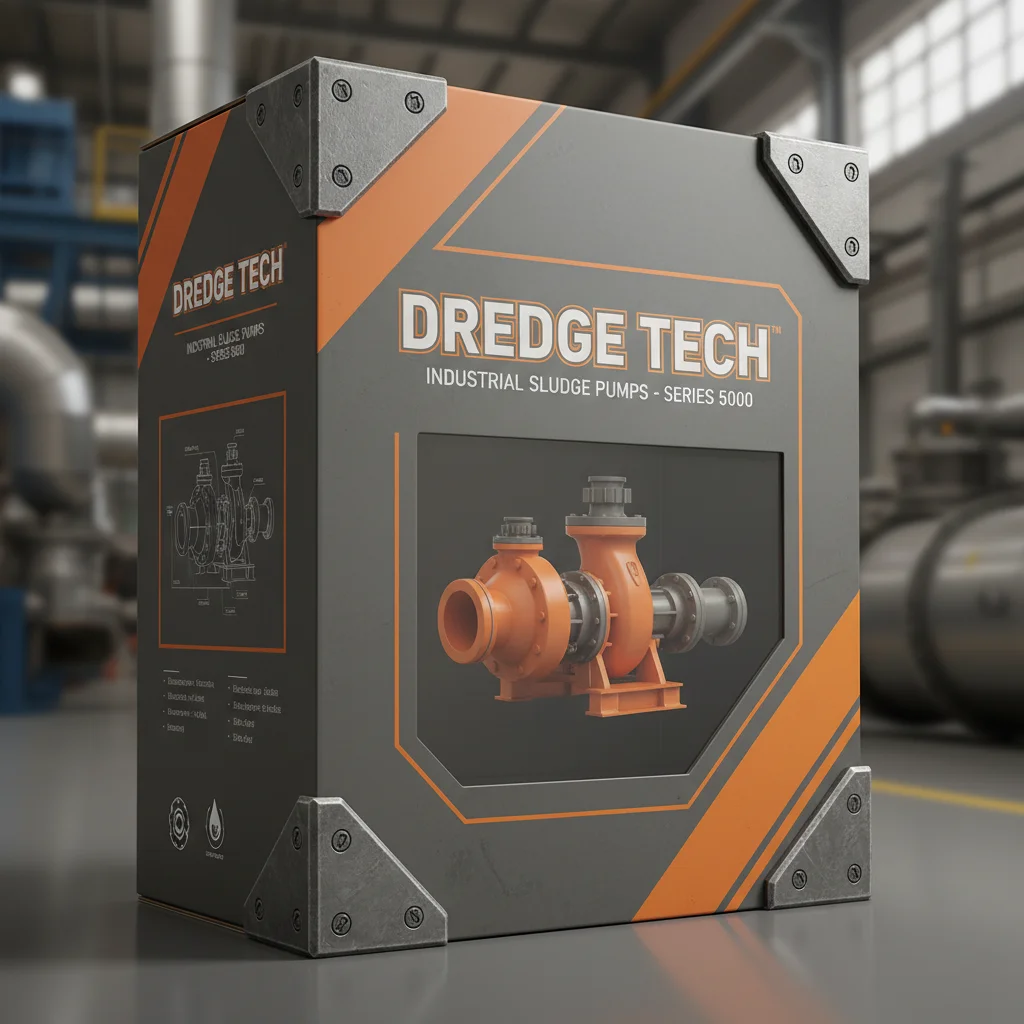
Slurry Pumps Selection: A Comprehensive Guide
Selecting the right slurry pump is crucial for efficient and reliable operation in various industrial applications. This guide provides a detailed overview of the key factors to consider when making a selection, ensuring optimal performance and longevity. From understanding different pump types to analyzing application-specific requirements, we’ll cover everything you need to know. A well-chosen slurry pump can significantly reduce downtime and operational costs.
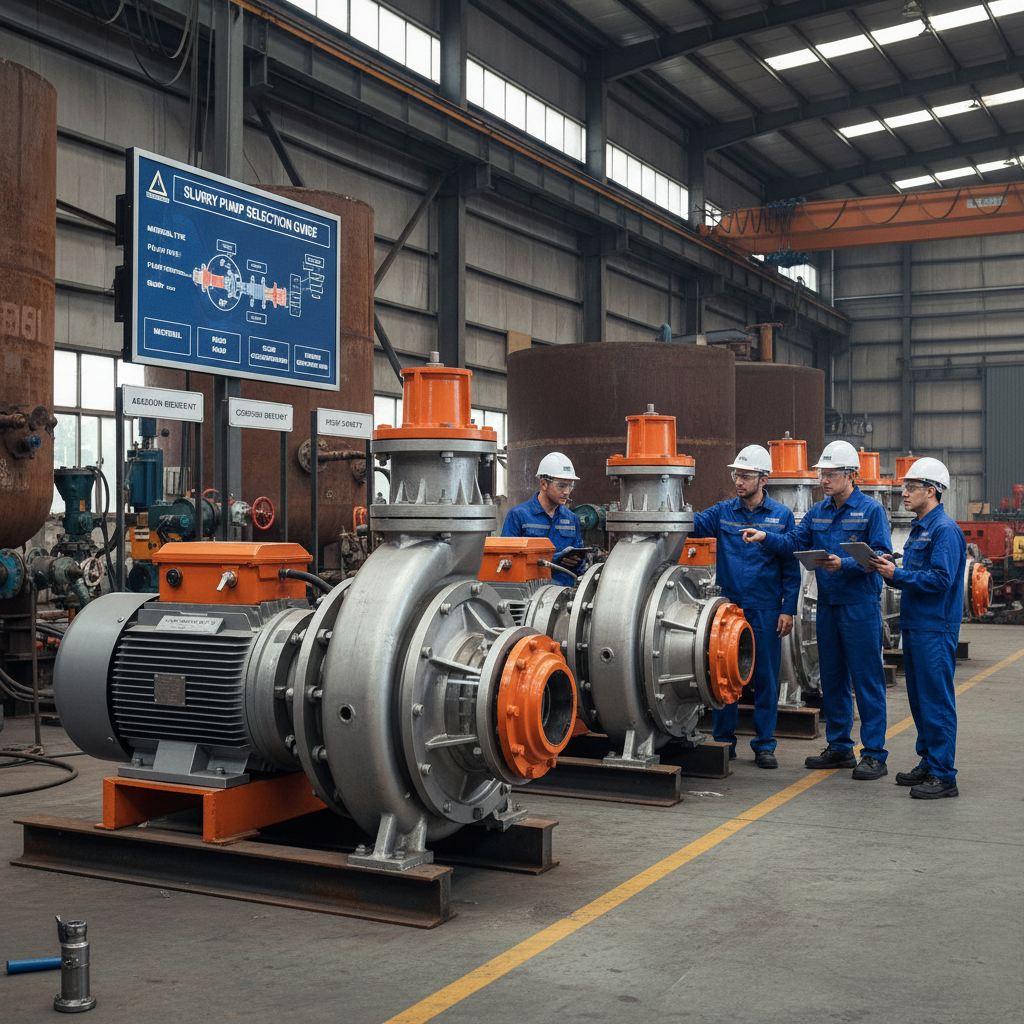
Understanding Slurry Pump Types
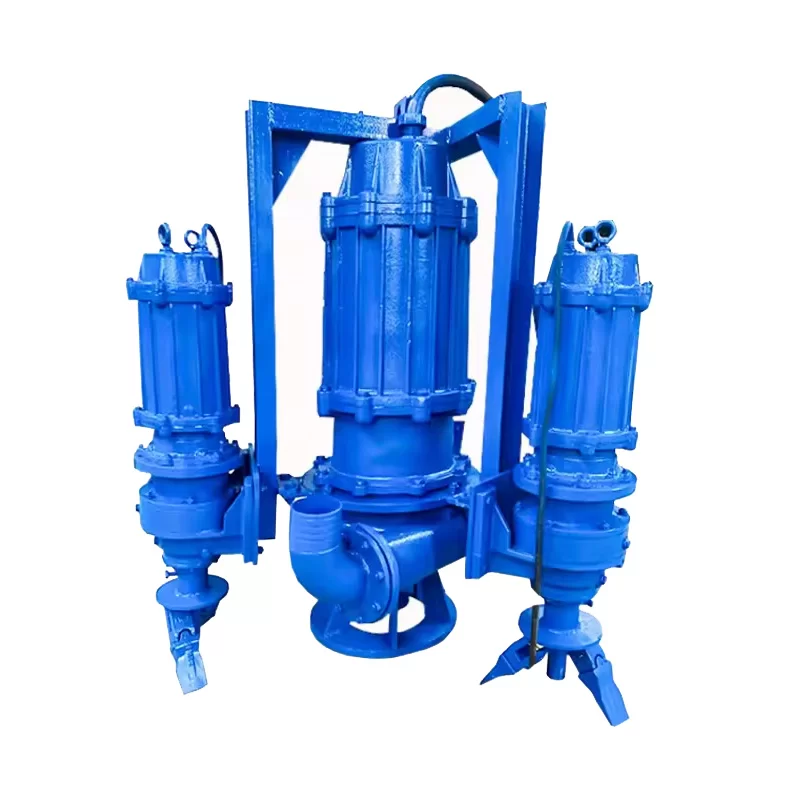
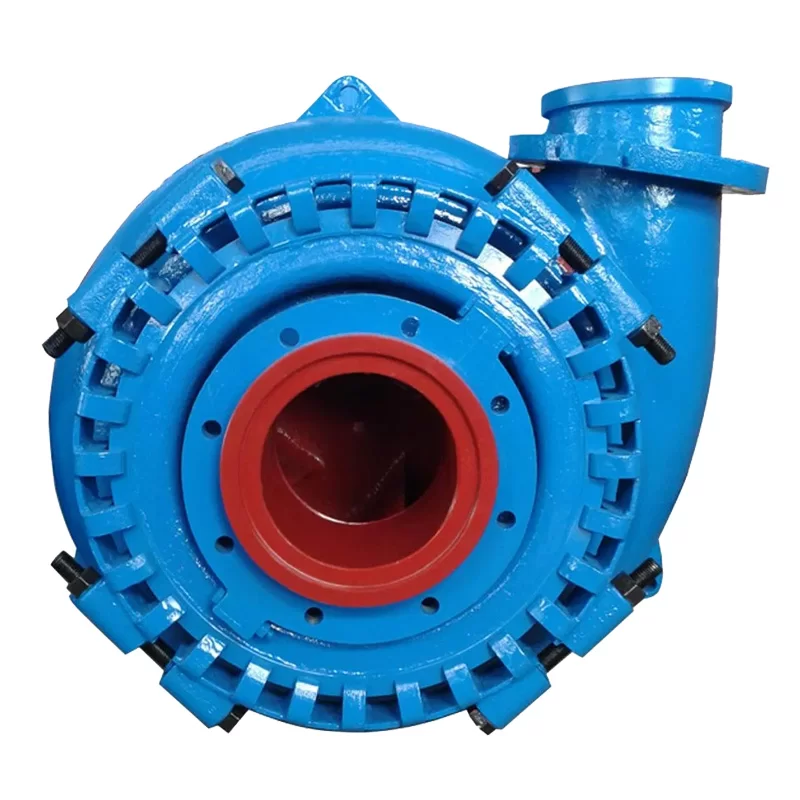
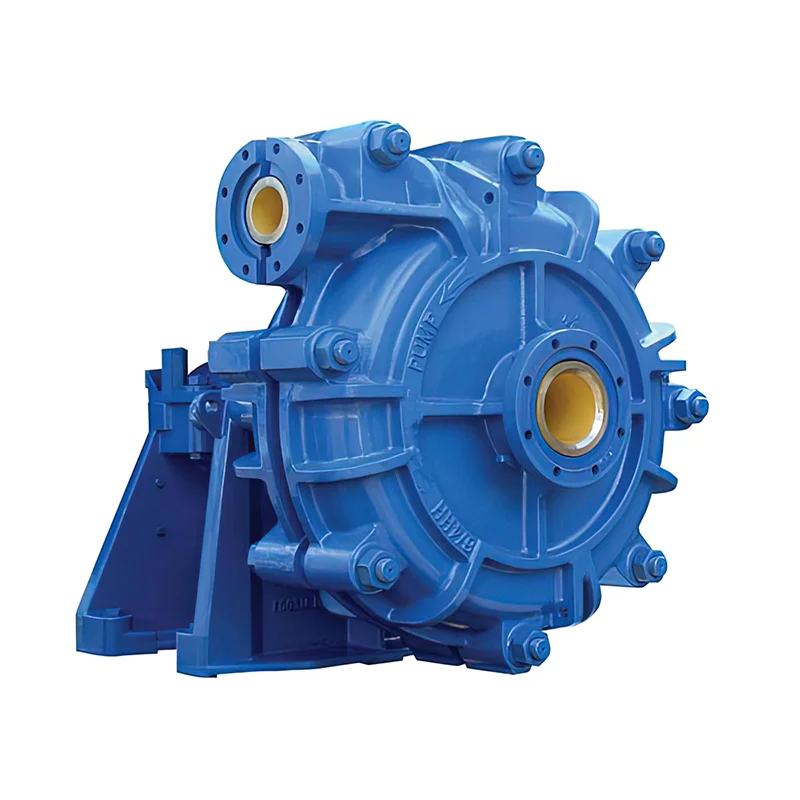
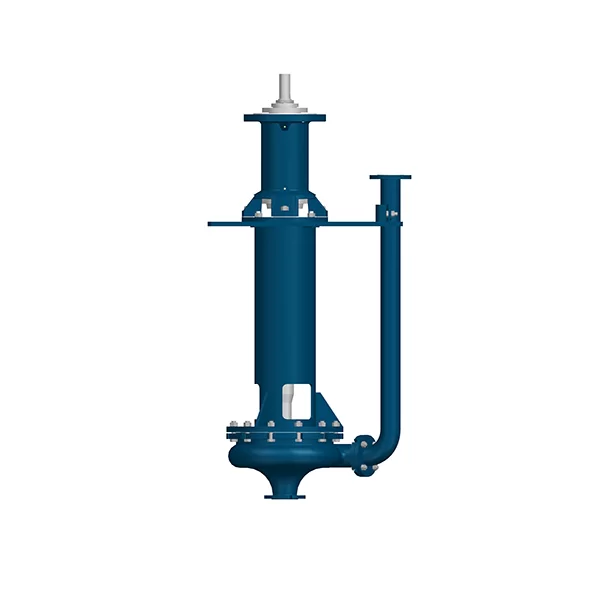
Slurry pumps come in various designs, each suited for specific applications. The most common types include centrifugal pumps, positive displacement pumps (like diaphragm and progressive cavity pumps), and vortex pumps. Centrifugal pumps are widely used due to their simplicity and cost-effectiveness, but their performance can be affected by abrasive particles. Positive displacement pumps excel in handling highly viscous slurries and maintaining consistent flow rates. Vortex pumps are ideal for slurries with large solids content, minimizing wear and clogging. Understanding these differences is the first step in slurry pump selection.
Key Considerations: Different pump types offer varying levels of efficiency, wear resistance, and suitability for different slurry characteristics. Assess your specific application needs before making a decision.
Key Factors in Slurry Pump Selection
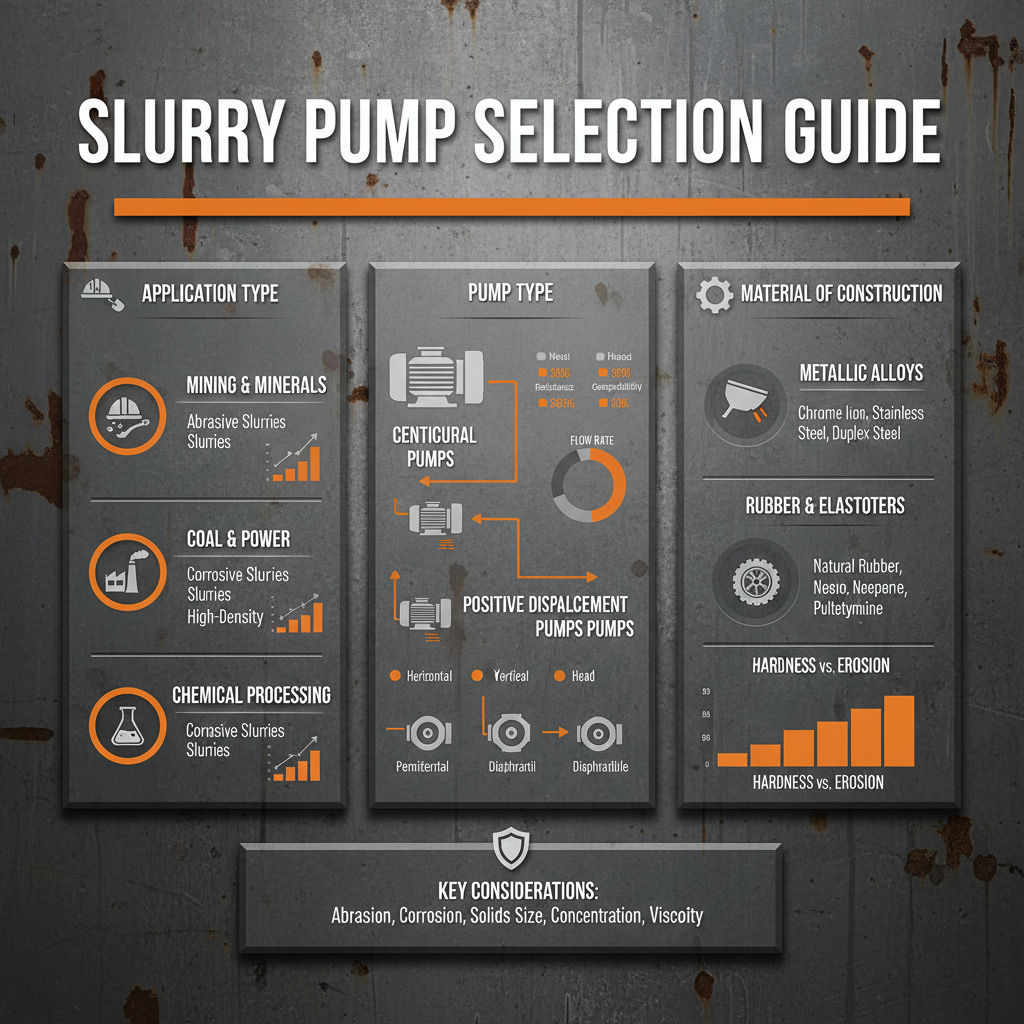
Several factors influence the optimal slurry pump selection. These include the slurry's solid content, particle size, abrasiveness, and chemical composition. Flow rate and head requirements are also critical. Furthermore, consider the operating temperature, pressure, and potential for clogging. Thoroughly analyzing these parameters will narrow down your options and ensure you choose a pump that can withstand the demands of your application. Proper pump selection minimizes maintenance and extends equipment life.
Slurry Characteristics to Consider:
• Solid Content (% by weight)
• Particle Size (maximum)
• Abrasiveness (hardness of particles)
• Chemical Composition (corrosive potential)
Centrifugal vs. Positive Displacement Slurry Pumps
The choice between centrifugal and positive displacement pumps often depends on the slurry’s viscosity and the required flow rate. Centrifugal pumps are generally more suitable for low to medium viscosity slurries and offer high flow rates. However, their performance drops as viscosity increases. Positive displacement pumps, conversely, excel in handling viscous slurries and provide consistent flow regardless of changes in viscosity. They are ideal for applications requiring precise dosing or when dealing with highly abrasive materials. Comparing these two technologies is vital for effective slurry pump selection.
Material Selection for Slurry Pump Components
The materials used in the construction of a slurry pump are critical for its longevity and performance. Common materials include cast iron, stainless steel, and high-chrome alloys. Cast iron is cost-effective but susceptible to corrosion. Stainless steel offers excellent corrosion resistance but may be less resistant to abrasive wear. High-chrome alloys are specifically designed for abrasive slurries, providing exceptional wear resistance. Selecting the right materials based on the slurry’s chemical composition and abrasive properties is essential. Hihorn Pump offers a wide range of material options to meet diverse application requirements.
Hihorn Pump: Your Trusted Slurry Pump Partner
At Hihorn Pump, we specialize in providing high-quality slurry pumps and expert technical support. We offer a comprehensive range of pumps designed to handle the most challenging slurry applications. Our team of experienced engineers can assist you in selecting the optimal pump for your specific needs. We are committed to delivering reliable and cost-effective solutions that maximize your operational efficiency.
Conclusion: Choosing the Right Slurry Pump
Selecting the right slurry pump requires careful consideration of numerous factors. By understanding the different pump types, slurry characteristics, and material options, you can make an informed decision that ensures optimal performance and longevity. Hihorn Pump is dedicated to providing our customers with the best possible solutions for their slurry pumping needs.
Frequently Asked Questions (FAQs)
What is the typical lifespan of a slurry pump?
The lifespan of a slurry pump varies considerably depending on the severity of the slurry being pumped. In mild applications, a pump can last 5-7 years or more with proper maintenance. However, in highly abrasive or corrosive environments, the lifespan may be reduced to 2-3 years. Regular inspections, proper lubrication, and timely replacement of worn parts are crucial for maximizing pump life. Consider the total cost of ownership, including maintenance and replacement, when evaluating different pump options.
How do I prevent clogging in my slurry pump?
Clogging is a common issue with slurry pumps. To minimize clogging, ensure the pump is properly sized for the slurry's solids content and particle size. Use a pump with a large internal passage and a robust impeller design. Consider installing a strainer or screen upstream of the pump to remove larger debris. Regularly flush the pump and piping system to prevent solids from settling. And always follow the manufacturer’s recommendations for operating parameters.
What maintenance is required for slurry pumps?
Slurry pumps require regular maintenance to ensure reliable operation. This includes periodic inspections for wear and damage, lubrication of bearings, replacement of seals and impellers, and monitoring of pump performance. Keep detailed records of maintenance activities. Following the manufacturer’s recommended maintenance schedule is essential. Addressing minor issues promptly can prevent more serious and costly repairs later on.
What are the benefits of using a high-chrome alloy impeller?
High-chrome alloy impellers offer superior resistance to abrasive wear compared to other materials like cast iron. This significantly extends the impeller's lifespan, especially when handling slurries with high concentrations of hard particles. While they may be more expensive initially, the extended lifespan and reduced downtime often result in a lower total cost of ownership. Hihorn Pump offers impellers constructed from various materials, including high-chrome alloys, to suit different application requirements.