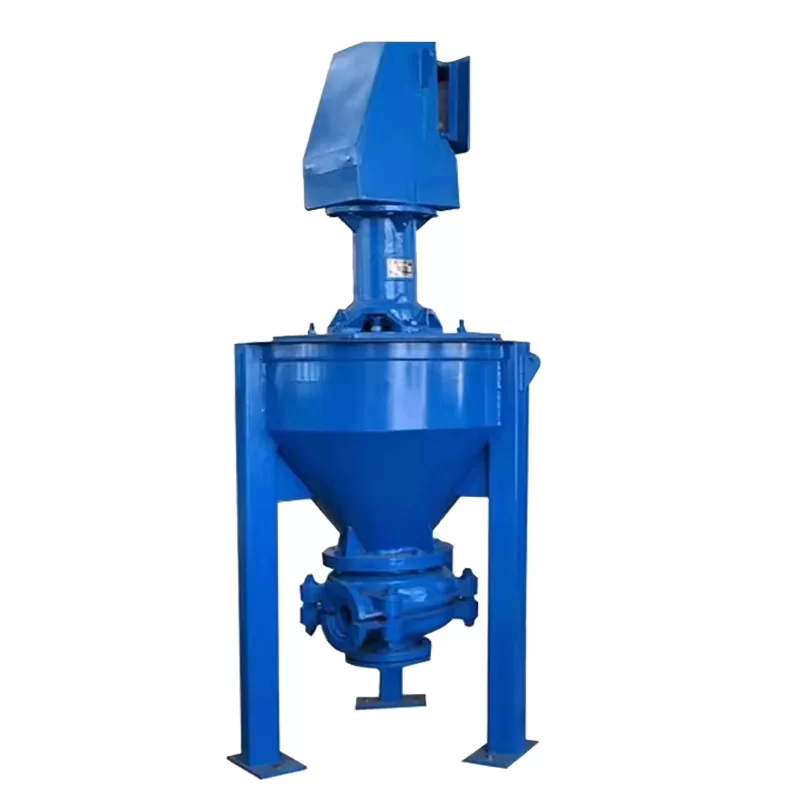
Maximizing Industrial Efficiency with the Horizontal Slurry Pump
In the demanding world of mining, dredging, and chemical processing, the transport of abrasive materials requires machinery that can withstand extreme wear and tear. The horizontal slurry pump is engineered specifically to handle these challenges, providing a robust solution for moving thick, abrasive fluids and solids. By integrating advanced metallurgy with precision engineering, these pumps ensure minimal downtime and maximum throughput. Whether you are dealing with tailings, mineral ores, or wastewater sludge, choosing the right pump configuration is critical to operational success. In this guide, we will explore the technical advantages and practical applications of this essential industrial equipment.

Engineering Excellence of the Horizontal Slurry Pump
The core strength of a horizontal slurry pump lies in its design, which focuses on reducing turbulence and maximizing wear resistance. Unlike standard centrifugal pumps, slurry pumps utilize high-chrome alloys or natural rubber liners to protect the pump casing from the abrasive nature of the suspended solids. The horizontal orientation allows for easier installation and maintenance, making it the preferred choice for large-scale industrial plants. Precision-cast impellers are used to ensure a smooth flow, reducing the velocity of the slurry at the walls and significantly extending the service life of the internal components.
Pro Tip: To further extend the life of your pump, ensure that the slurry concentration is kept within the recommended limits to prevent clogging and excessive abrasive wear on the impeller vanes.
Key Applications Across Heavy Industries
The versatility of the horizontal slurry pump makes it indispensable across various sectors. In the mining industry, it is used for transporting ore slurries and tailings to storage facilities. In municipal wastewater treatment, these pumps move grit and sludge through filtration systems. Furthermore, the chemical industry relies on them for transporting corrosive slurries that would destroy conventional equipment. The ability to handle varying viscosities and particle sizes ensures that production lines remain active even under the harshest conditions.

Comparative Performance: Horizontal Slurry Pump vs. Standard Pumps
When comparing a specialized horizontal slurry pump to a standard centrifugal pump, the difference in durability is stark. Standard pumps are designed for clean liquids; when exposed to solids, they suffer from rapid erosion and seal failure. In contrast, slurry pumps feature heavy-duty seals and replaceable liners. The following table illustrates the critical differences in performance and material composition.
Optimizing the Lifecycle of your Horizontal Slurry Pump
To ensure that your horizontal slurry pump operates at peak efficiency, a proactive maintenance strategy is essential. Monitoring the pump's vibration levels and discharge pressure can alert operators to impeller wear before a total failure occurs. Additionally, using the correct liner material is vital; while high-chrome alloys are best for sharp, hard particles, natural rubber is more effective for softer, more abrasive slurries. Regular inspections of the gland packing and seals prevent leakage, which not only protects the environment but also maintains the pump's internal pressure.
Technical Specifications for Selection
Selecting the correct model of a horizontal slurry pump requires a deep understanding of your fluid's properties. Key parameters include the slurry density, the particle size distribution, and the required flow rate. Using an undersized pump can lead to cavitation and rapid wear, while an oversized pump wastes energy. Below is a general specification table used for selecting industrial-grade slurry pumps.
Installation Best Practices for Slurry Pumps
Proper installation is just as important as the pump's build quality. For a horizontal slurry pump, ensuring a rigid foundation is key to preventing misalignment, which can lead to premature bearing failure. It is highly recommended to use flexible couplings to absorb vibrations. Additionally, the suction pipe should be as short and straight as possible to prevent air pockets and cavitation, which can erode the impeller in a matter of hours. By following these installation standards, operators can maximize the ROI of their pumping system.
Conclusion: Elevating Your Operations with HiHorn Pump
The horizontal slurry pump is more than just a piece of hardware; it is the heartbeat of abrasive material transport in heavy industry. By focusing on superior materials, strategic maintenance, and precise selection, companies can significantly reduce their operational costs and increase system reliability. Whether you are upgrading an existing plant or designing a new facility, investing in high-quality slurry pumping solutions ensures your business remains competitive and efficient. Trust in engineering excellence to handle your toughest fluids.
Frequently Asked Questions (FAQs)
How do I choose between a rubber liner and a high-chrome liner?
The choice depends entirely on the nature of the abrasive particles. High-chrome alloys (like Cr27) are designed for "hard" abrasion, where the particles are sharp and have a high hardness value, such as mineral ores or sand. Natural rubber liners are superior for "soft" abrasion, where particles are more rounded or the slurry is highly corrosive. If you are unsure, analyzing the slurry's chemical composition and particle shape is the best way to decide. Using the wrong liner can lead to a 50% reduction in the pump's lifespan.
What causes cavitation in a horizontal slurry pump and how can it be prevented?
Cavitation occurs when the pressure at the pump inlet drops below the vapor pressure of the liquid, forming bubbles that collapse violently against the impeller. In slurry pumps, this is often caused by restricted suction lines or operating the pump too far to the right of its performance curve. To prevent this, ensure the Net Positive Suction Head (NPSH) available is greater than the NPSH required. Keep suction piping clean, minimize bends, and avoid placing the pump too high above the slurry source.
How often should the impeller and liners be inspected?
Inspection frequency varies based on the slurry's abrasiveness. However, a general rule for high-intensity operations is a comprehensive check every 3 to 6 months. Many modern facilities use ultrasound thickness testing to measure liner wear without dismantling the pump. If you notice a drop in discharge pressure or an increase in motor amperage, it is a strong signal that the impeller has worn down or the internal clearances have increased, necessitating immediate inspection and potential replacement to maintain efficiency.
Can a horizontal slurry pump handle air in the suction line?
Slurry pumps are not designed to handle significant amounts of air. Air entrainment can lead to "air binding," where the pump loses its prime and fails to move the fluid. Even small amounts of air can increase the velocity of the abrasive particles, leading to localized "hot spots" of extreme wear on the impeller. To avoid this, ensure the suction line is fully flooded and use air-release valves if the system is prone to trapping air. For more specialized solutions, visit the HiHorn Pump website.