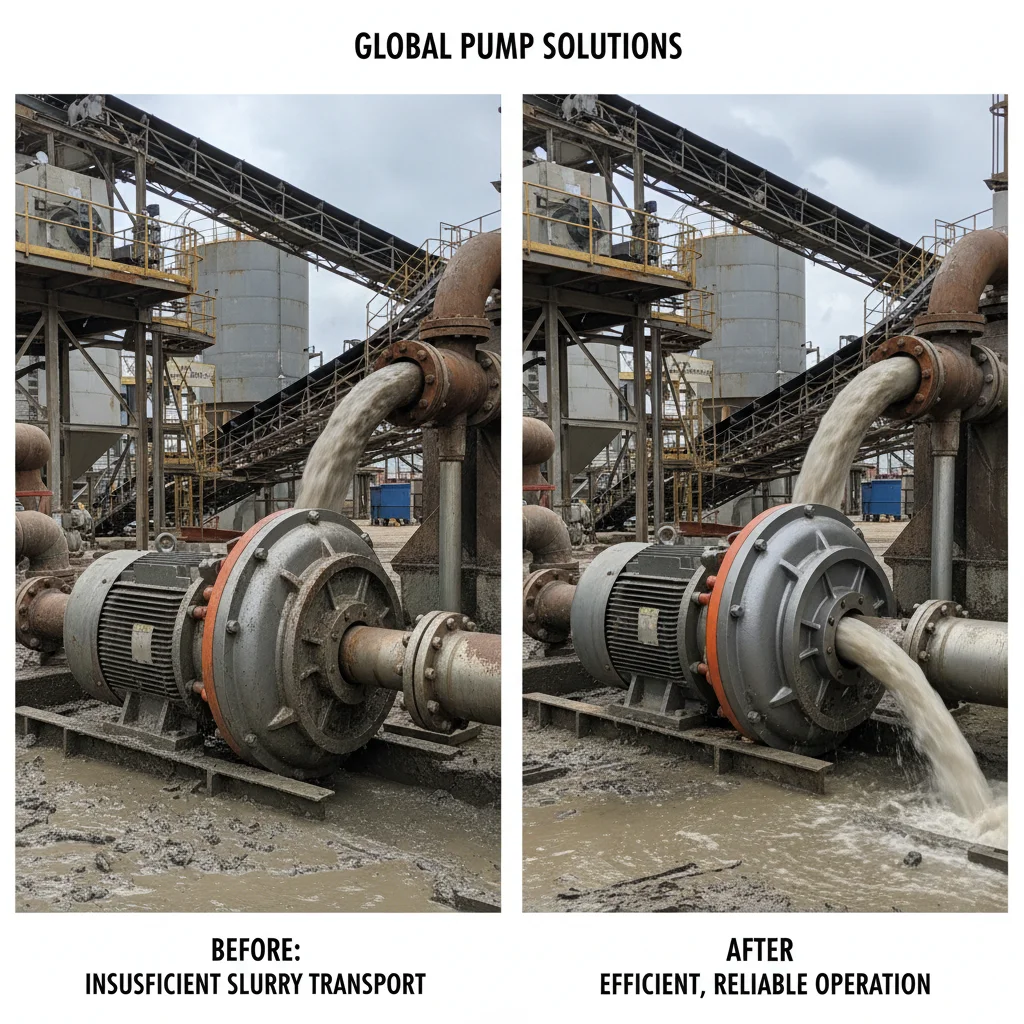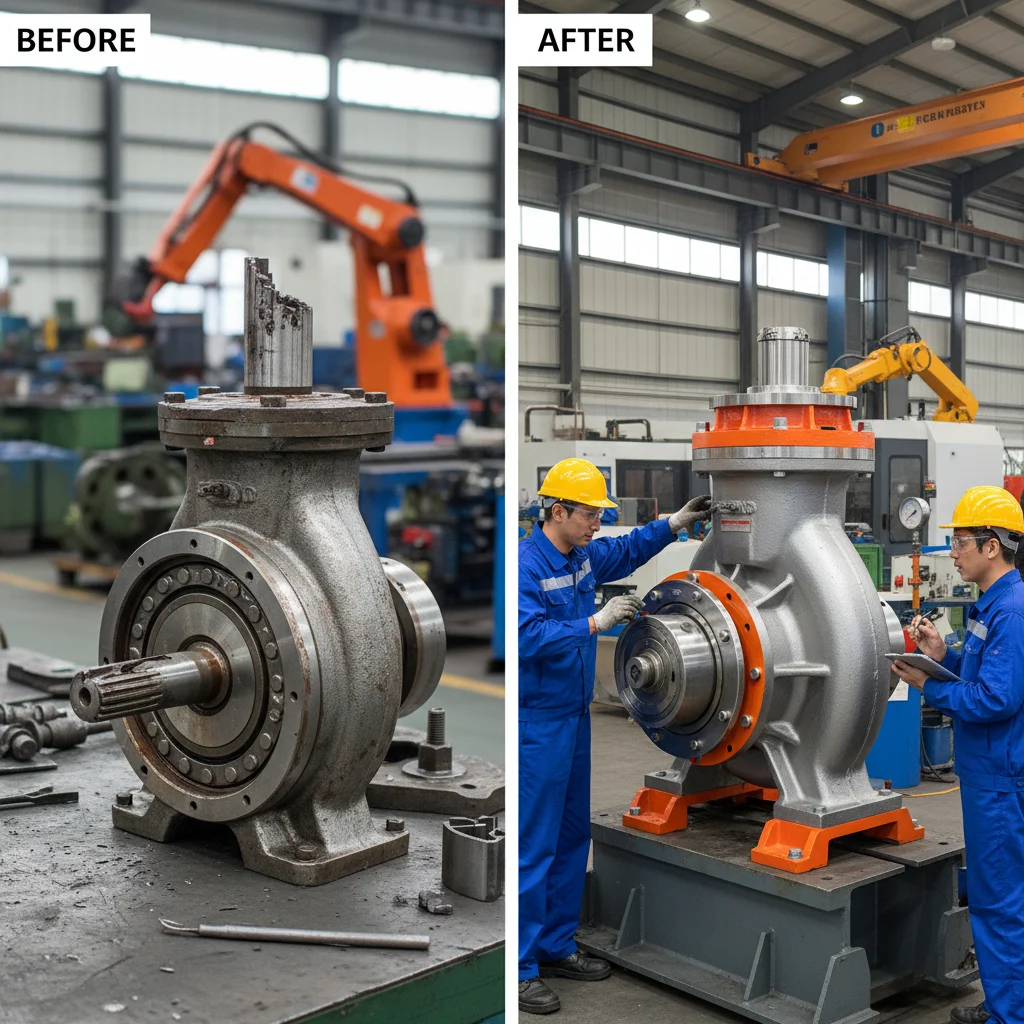
Selecting the Right Slurry Pump Manufacturers for Your Industry
Finding reliable slurry pump manufacturers is crucial for numerous industries dealing with abrasive and corrosive materials. From mining and wastewater treatment to chemical processing and agriculture, efficient slurry handling is vital for operational success. This article delves into the key considerations when selecting a slurry pump manufacturer, exploring the types of pumps available, essential features, and factors impacting long-term performance. Choosing the right partner ensures optimal performance, reduced downtime, and cost-effectiveness. We will provide insights that empower you to make informed decisions and secure a reliable supply of high-quality slurry pumps.
Understanding Slurry Pumps and Their Applications
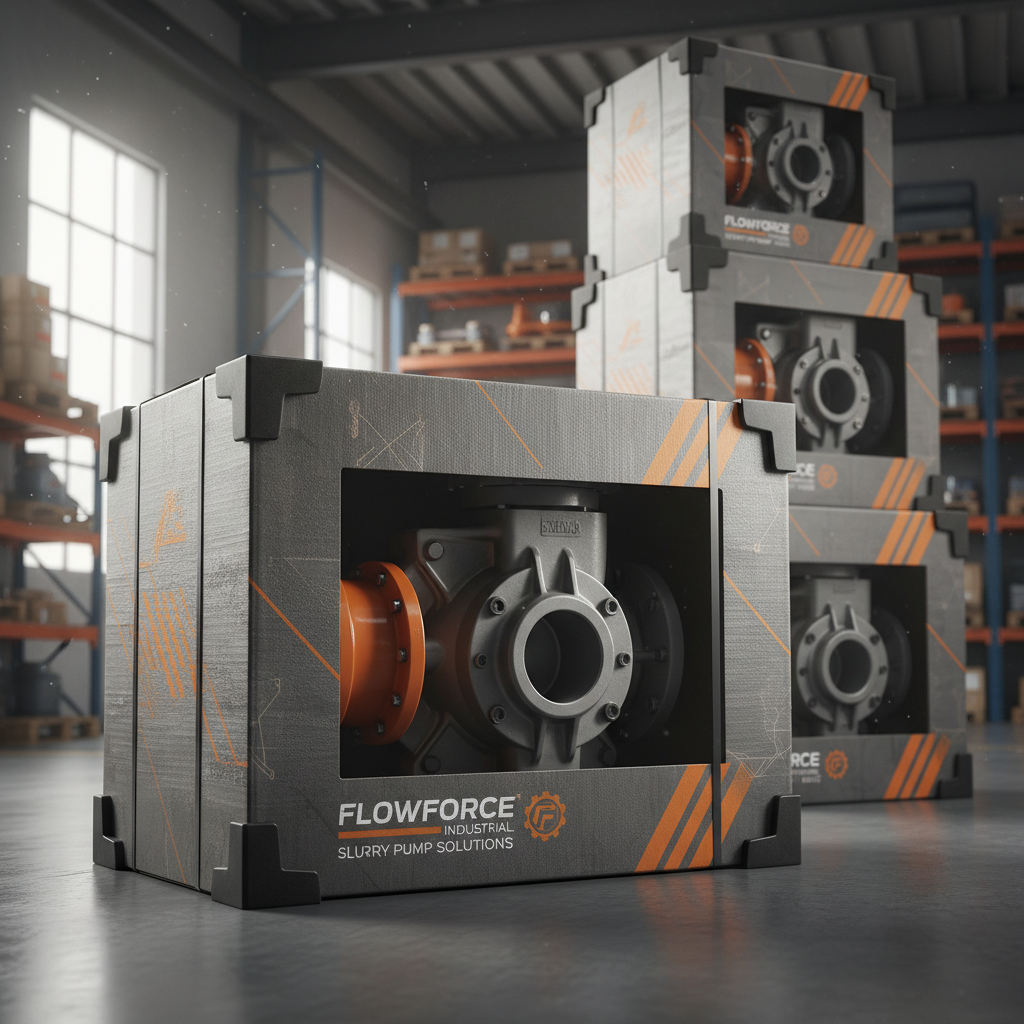
Slurry pumps are specifically designed to transport liquids containing solid particles – the "slurry." These pumps differ significantly from standard centrifugal pumps due to the abrasive nature of the materials they handle. Common applications include transferring tailings in mining operations, handling wastewater solids in treatment plants, moving abrasive chemicals in processing facilities, and pumping materials in dredging and agriculture. The specific type of slurry, its concentration, and the required flow rate dictate the optimal pump selection. Different industries demand varying levels of abrasion resistance, corrosion protection, and pumping capacity. For example, mining typically deals with highly abrasive materials, while chemical processing requires pumps resistant to aggressive chemicals.
Key Considerations: The specific type of slurry, its concentration, the required flow rate, and the materials of construction are vital in the pump selection process.
Key Types of Slurry Pumps: A Comparative Overview
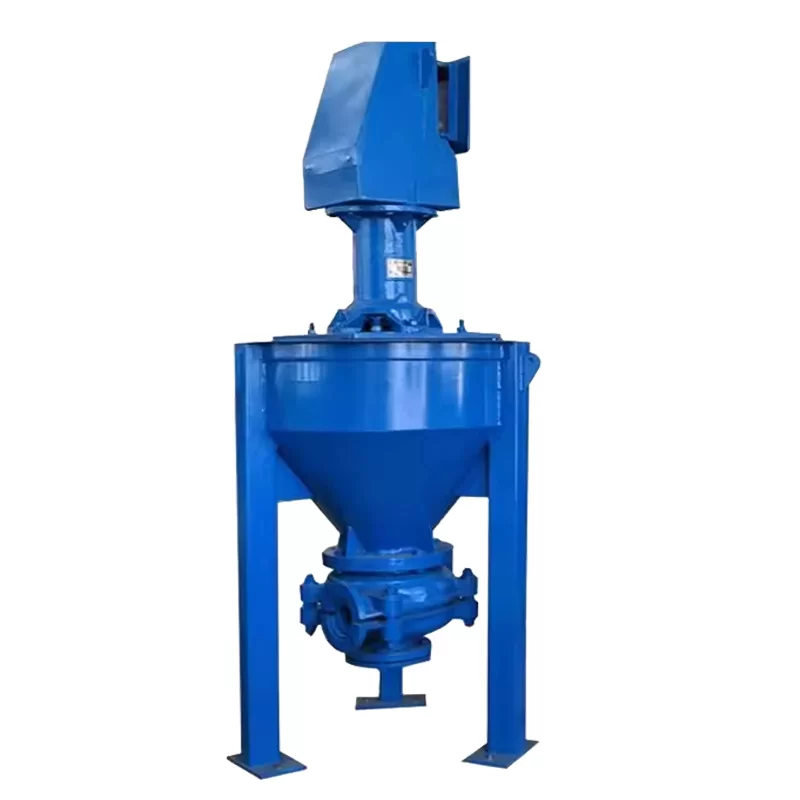
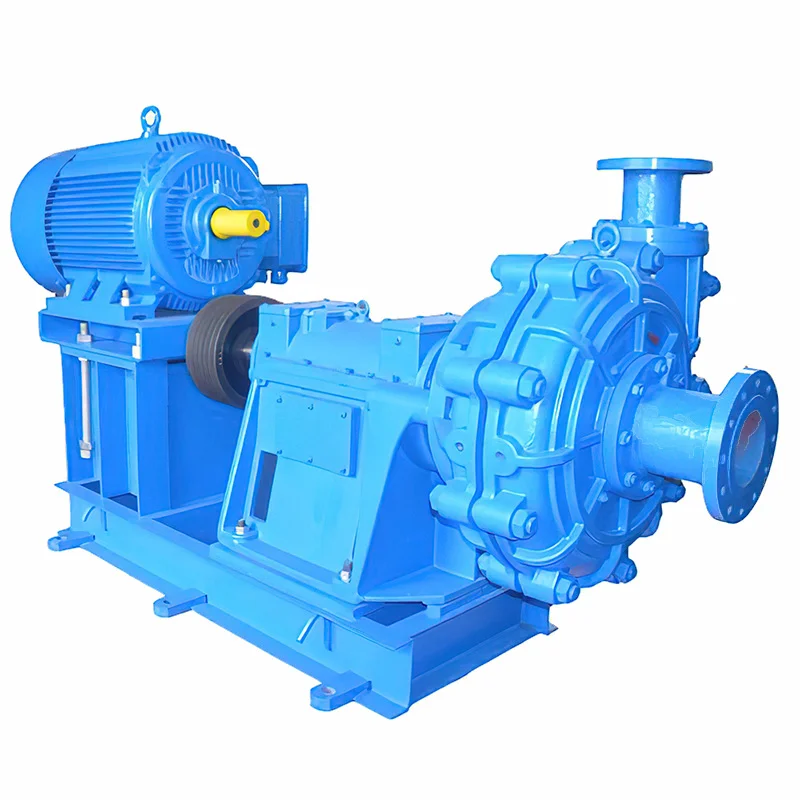
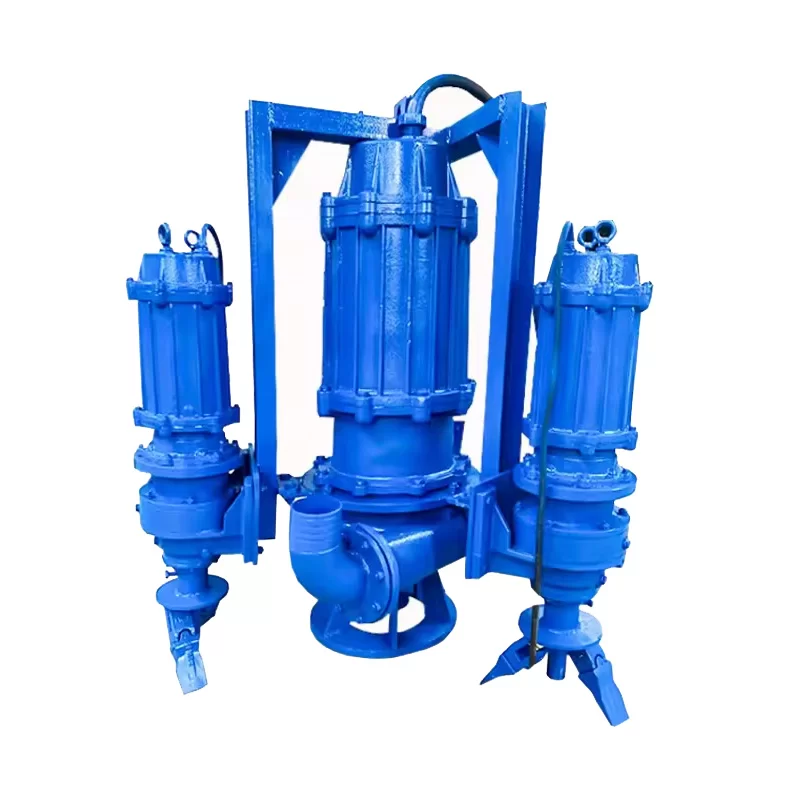
Several types of slurry pumps are available, each suited for specific applications. Centrifugal slurry pumps are the most common, known for their high flow rates and relatively low cost. Positive displacement pumps, such as diaphragm pumps and peristaltic pumps, excel at handling viscous slurries and maintaining consistent flow rates. Vertical slurry pumps are ideal for sumps and applications where space is limited. Selecting the appropriate pump type is critical for ensuring efficient and reliable operation. Understanding the strengths and weaknesses of each type allows for optimal system design and reduced maintenance costs. HiHorn Pump provides a range of slurry pump options to meet diverse industrial needs.
Slurry Pump Types:
• Centrifugal Slurry Pumps: High flow rates, cost-effective.
• Positive Displacement Pumps: Ideal for viscous slurries, consistent flow.
• Vertical Slurry Pumps: Space-saving, suitable for sumps.
Choosing a Reliable Slurry Pump Manufacturers
Selecting a reputable slurry pump manufacturer is paramount. Consider factors such as manufacturing experience, engineering expertise, quality control processes, and after-sales service. A strong manufacturer will offer customized solutions tailored to your specific application and provide comprehensive technical support. Look for certifications like ISO 9001, demonstrating a commitment to quality management. A proactive manufacturer will also invest in research and development to continuously improve pump performance and durability. HiHorn Pump prides itself on its robust quality control and dedicated customer support.
Materials of Construction: Ensuring Longevity and Chemical Compatibility
The materials used in slurry pump construction significantly impact their lifespan and performance. Common materials include cast iron, stainless steel, and various alloys. Cast iron is cost-effective but susceptible to corrosion. Stainless steel offers excellent corrosion resistance but is more expensive. Alloys are used for highly abrasive or corrosive applications. Selecting the appropriate material depends on the specific slurry composition and operating conditions. HiHorn Pump uses high-quality materials to ensure maximum durability and chemical compatibility.
Conclusion: Partnering with the Right Slurry Pump Manufacturer
Investing in Quality and Reliability
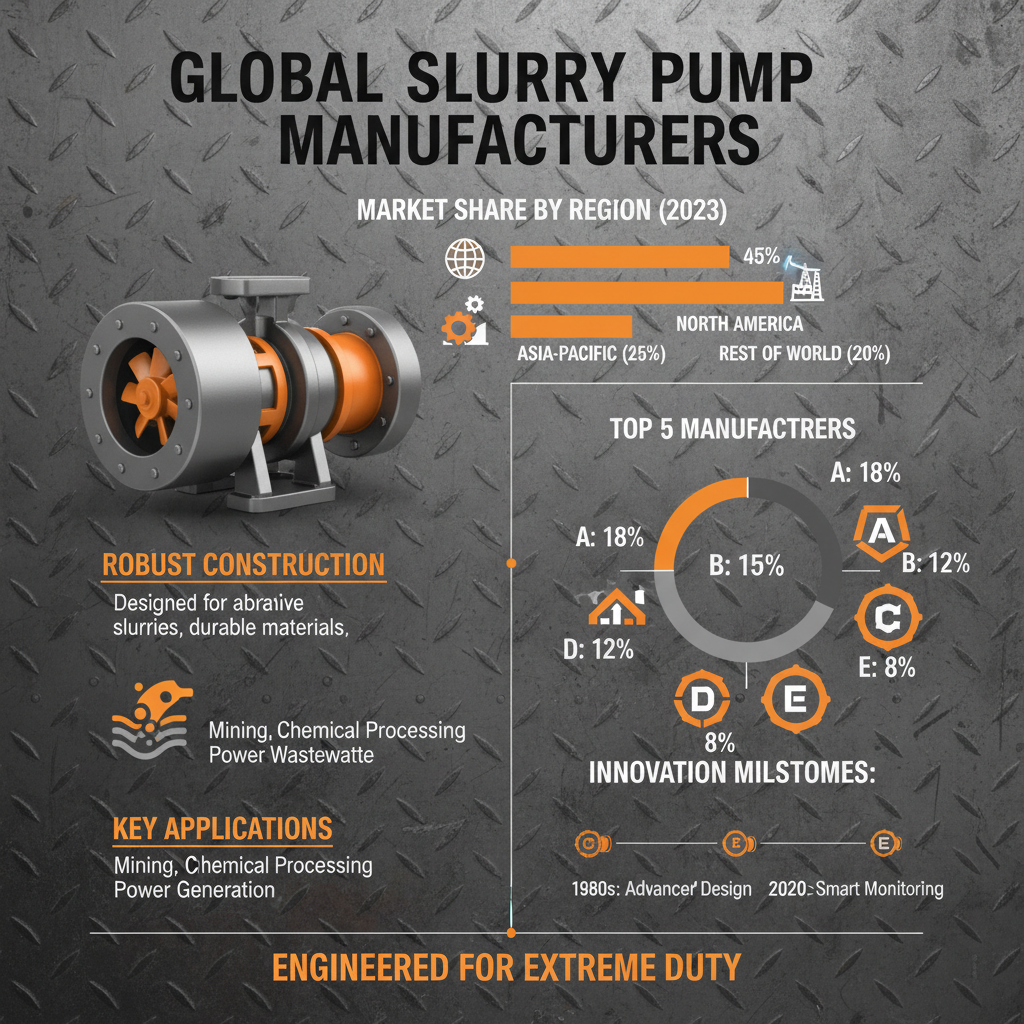
Choosing the right slurry pump manufacturers is a critical decision that impacts operational efficiency and long-term cost savings. By carefully considering the factors outlined in this article – pump type, manufacturer reputation, materials of construction, and application-specific requirements – you can ensure a reliable and efficient slurry handling system. HiHorn Pump is committed to providing high-quality slurry pumps and exceptional customer service.
Frequently Asked Questions (FAQs)
What is the typical lifespan of a slurry pump?
The lifespan of a slurry pump varies depending on the application, the abrasiveness of the slurry, and the quality of the pump. Generally, a well-maintained slurry pump can last between 3 to 10 years. Regular inspections, preventative maintenance, and proper operating procedures are crucial for maximizing lifespan. Factors such as impeller wear, seal failure, and bearing degradation contribute to pump failure. HiHorn Pump offers comprehensive maintenance services to extend the life of your equipment.
How do I choose the right size slurry pump?
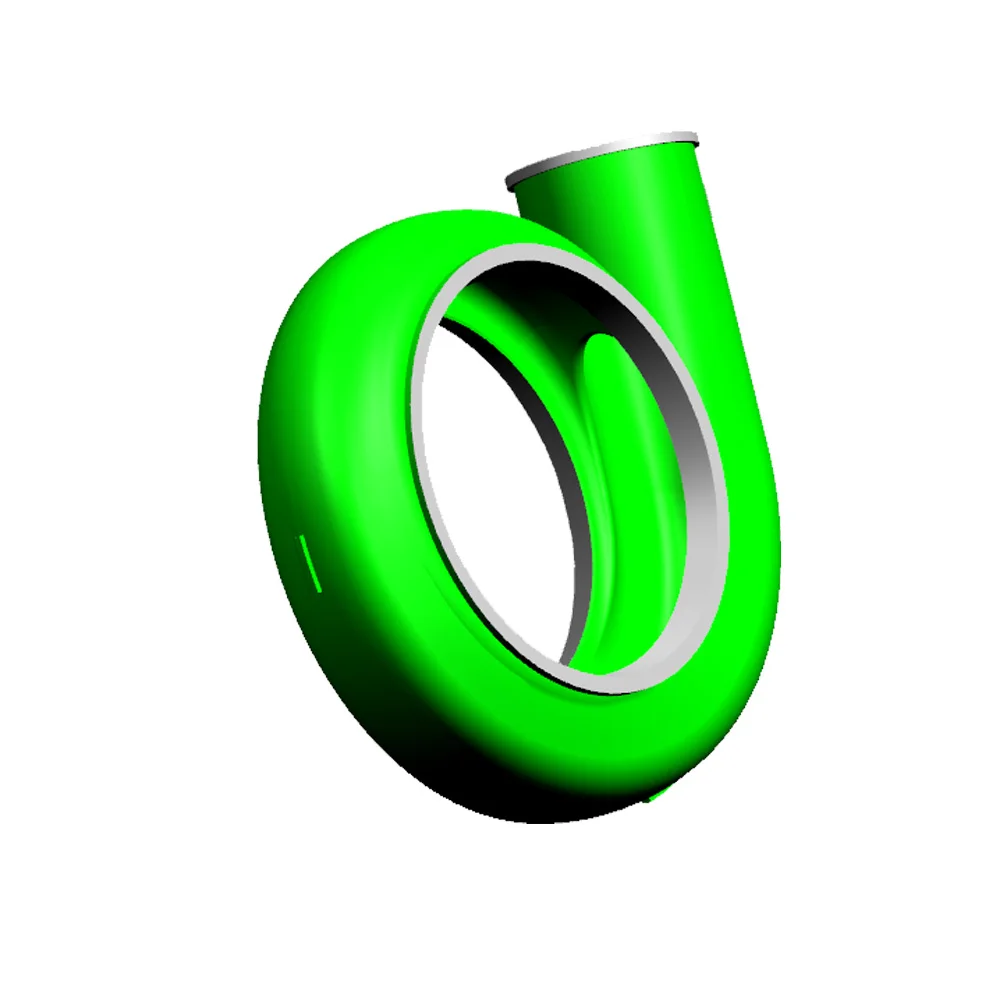
Selecting the correct pump size requires careful consideration of the flow rate, total dynamic head (TDH), and slurry characteristics. The flow rate is the volume of slurry pumped per unit of time. TDH accounts for the elevation difference, friction losses in the piping, and the pressure at the discharge point. A pump that is too small will not meet the required flow rate, while a pump that is too large will be inefficient and may cause damage to the system. Consulting with a slurry pump expert is highly recommended.
What maintenance is required for slurry pumps?
Regular maintenance is crucial for preventing failures and maximizing pump lifespan. Key maintenance tasks include inspecting the impeller and liner for wear, lubricating bearings, checking seals, and monitoring the pump's performance. Scheduled maintenance programs help identify potential problems early on and prevent costly downtime. HiHorn Pump provides detailed maintenance guides and support.
What are the benefits of using a variable frequency drive (VFD) with a slurry pump?
A VFD allows you to control the pump's speed, enabling you to adjust the flow rate to meet varying demands. This results in energy savings, reduced wear and tear on the pump, and improved process control. VFDs are particularly beneficial in applications where the slurry flow rate fluctuates.