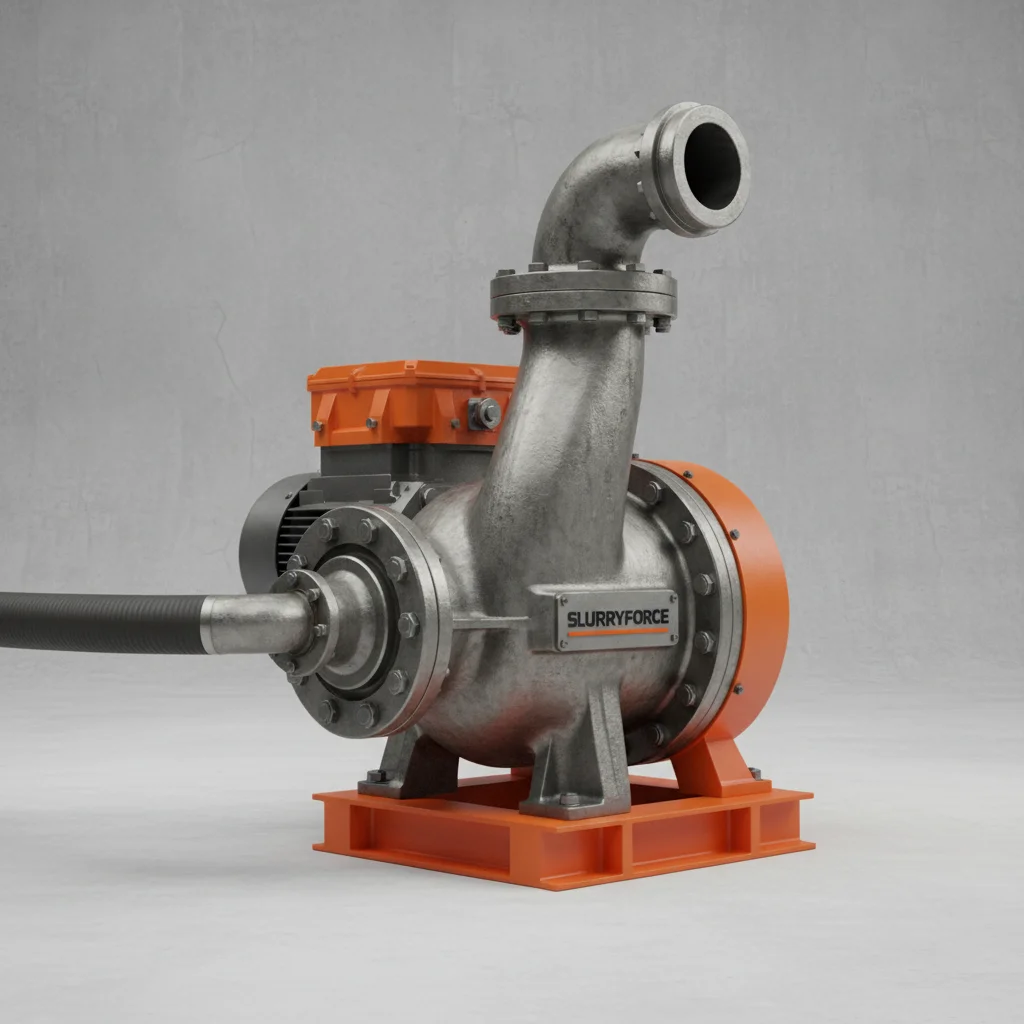
Choosing the Right Slurry Pump for Your Application
Selecting the appropriate slurry pump is critical for efficient and reliable operation in various industries, including mining, wastewater treatment, and chemical processing. A correctly chosen pump minimizes downtime, reduces maintenance costs, and ensures the safe and effective transport of abrasive materials. This article provides a comprehensive guide to understanding the different types of slurry pumps, key considerations for selection, and how Hihorn Pump can provide solutions tailored to your specific needs. We will cover essential factors such as slurry characteristics, pump types, materials of construction, and performance considerations.
Understanding Slurry Characteristics
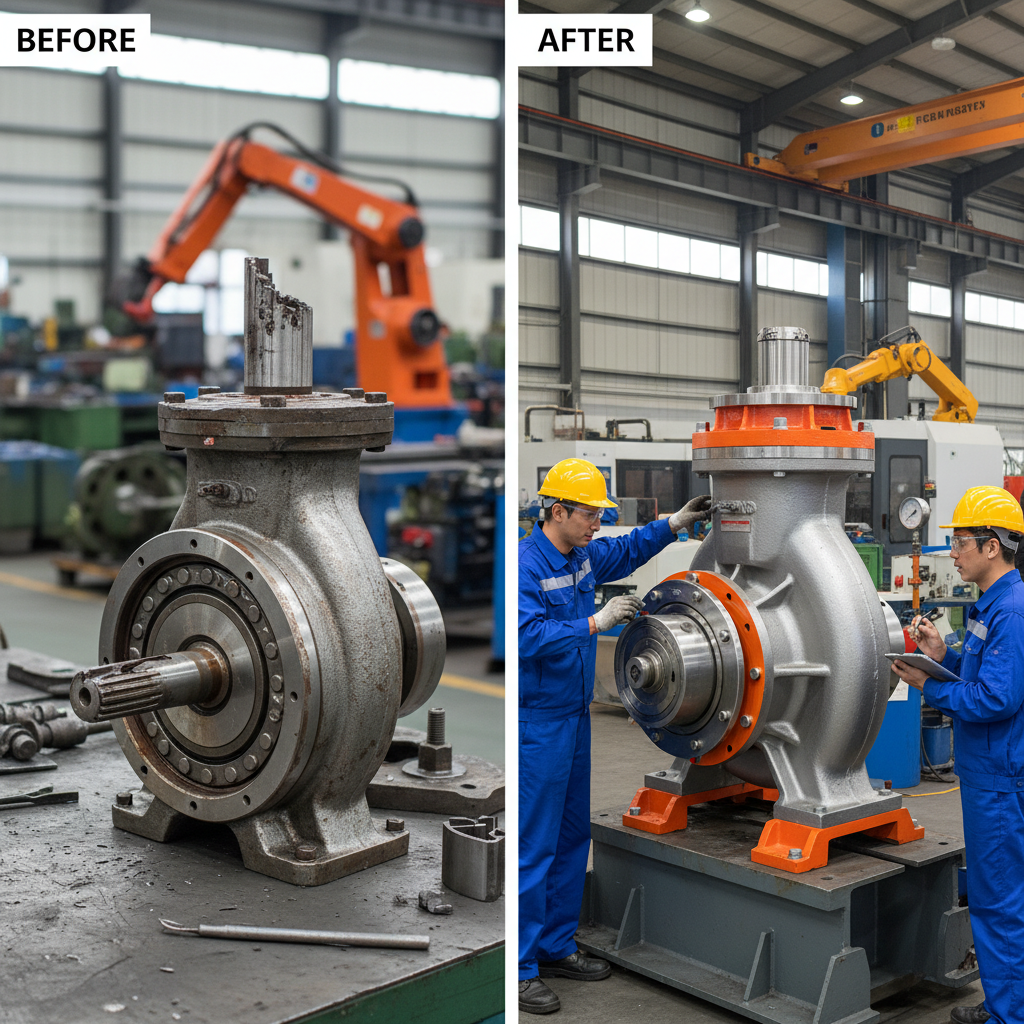
Before selecting a slurry pump, it’s essential to thoroughly analyze the properties of the slurry being handled. These properties directly impact pump performance and lifespan. Key characteristics include: particle size distribution, slurry concentration (percentage of solids by weight), particle shape (angular or rounded), abrasion resistance of the particles, slurry viscosity, and the presence of corrosive substances. Understanding these factors will help narrow down the appropriate pump type and materials of construction. Ignoring these details can lead to premature pump failure and costly repairs.
Key Slurry Characteristics: Particle size, slurry concentration, particle shape, abrasion, viscosity, and corrosiveness.
Types of Slurry Pumps
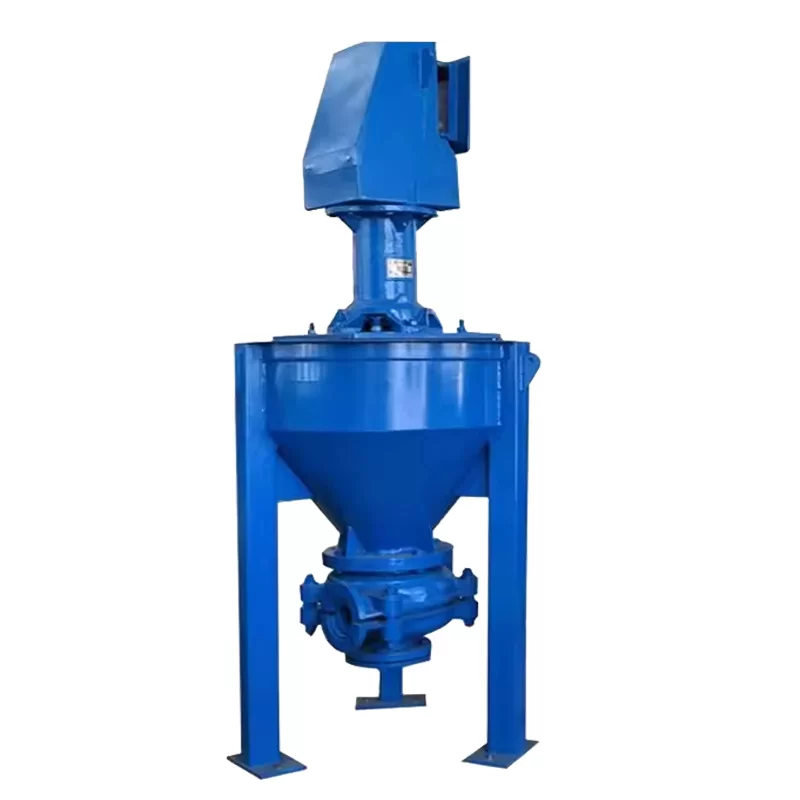
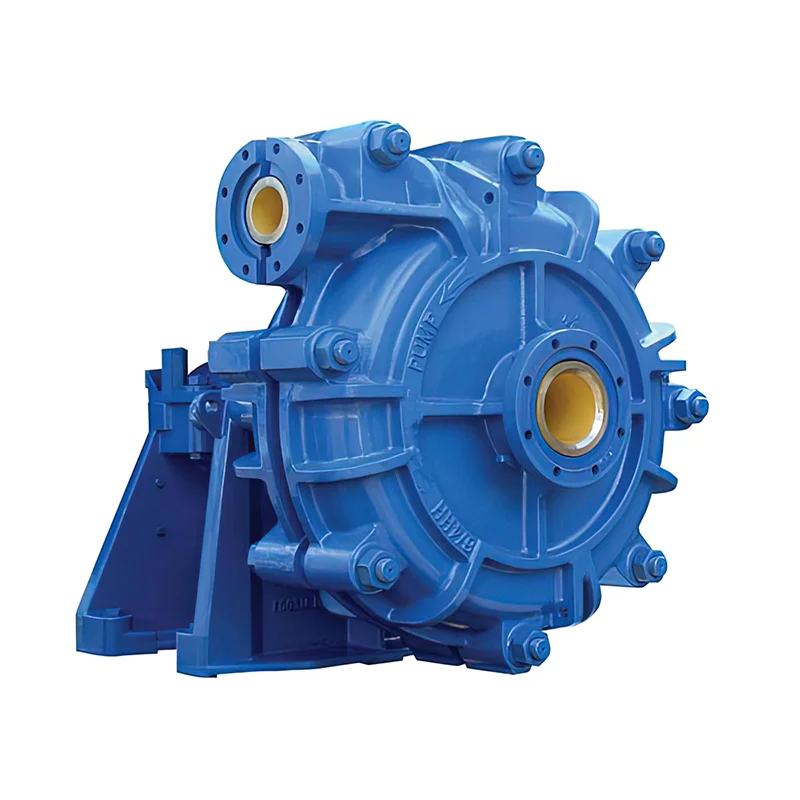
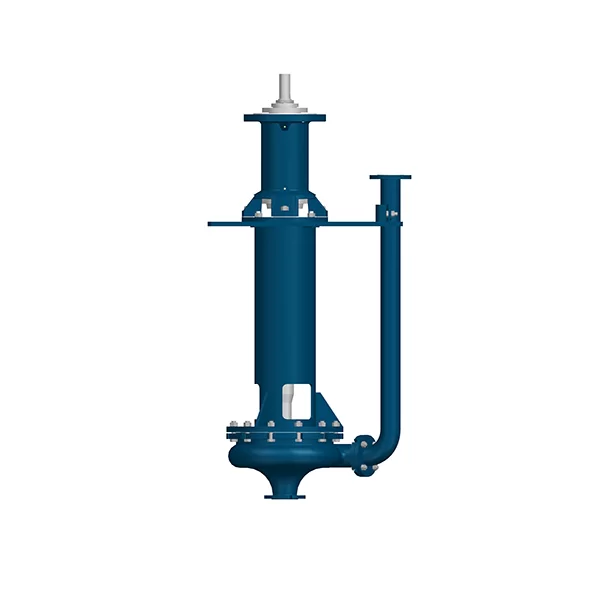
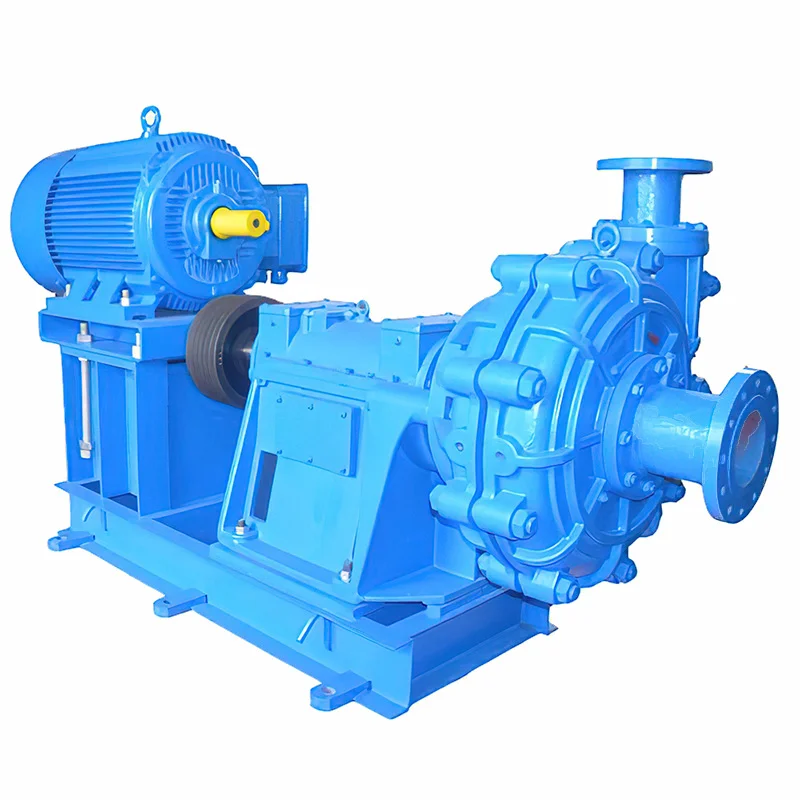
Several types of slurry pumps are available, each designed for specific applications. Centrifugal pumps are the most common, offering high flow rates and relatively low maintenance. Positive displacement pumps, such as progressing cavity pumps and diaphragm pumps, are ideal for viscous slurries or applications requiring precise metering. Hydraulic piston pumps are used for high-pressure and high-solids applications. The best choice depends on the slurry characteristics and the required operating conditions. Hihorn Pump offers a wide range of these pump types.
Slurry Pump Types:
• Centrifugal Pumps
• Positive Displacement Pumps (Progressing Cavity, Diaphragm)
• Hydraulic Piston Pumps
Materials of Construction: Ensuring Pump Longevity
The materials used in the construction of a slurry pump are crucial for its resistance to abrasion and corrosion. Common materials include cast iron, stainless steel, high-chrome alloys, and rubber linings. High-chrome alloys are particularly effective in resisting abrasive wear, while stainless steel offers excellent corrosion resistance. Rubber linings provide protection against both abrasion and corrosion. The choice of material depends on the specific composition of the slurry. Hihorn Pump uses advanced materials and coating technologies to maximize pump lifespan.
Performance Considerations for Slurry Pumps
Key performance parameters for slurry pumps include flow rate, head (pressure), and efficiency. Flow rate is the volume of slurry pumped per unit of time. Head is the height to which the pump can lift the slurry. Pump efficiency impacts energy consumption and operating costs. Consider factors like Net Positive Suction Head Required (NPSHr) to prevent cavitation and ensure reliable operation. Hihorn Pump provides detailed performance curves and technical specifications to help you select the optimal pump for your application.
Why Choose Hihorn Pump for Your Slurry Pumping Needs?
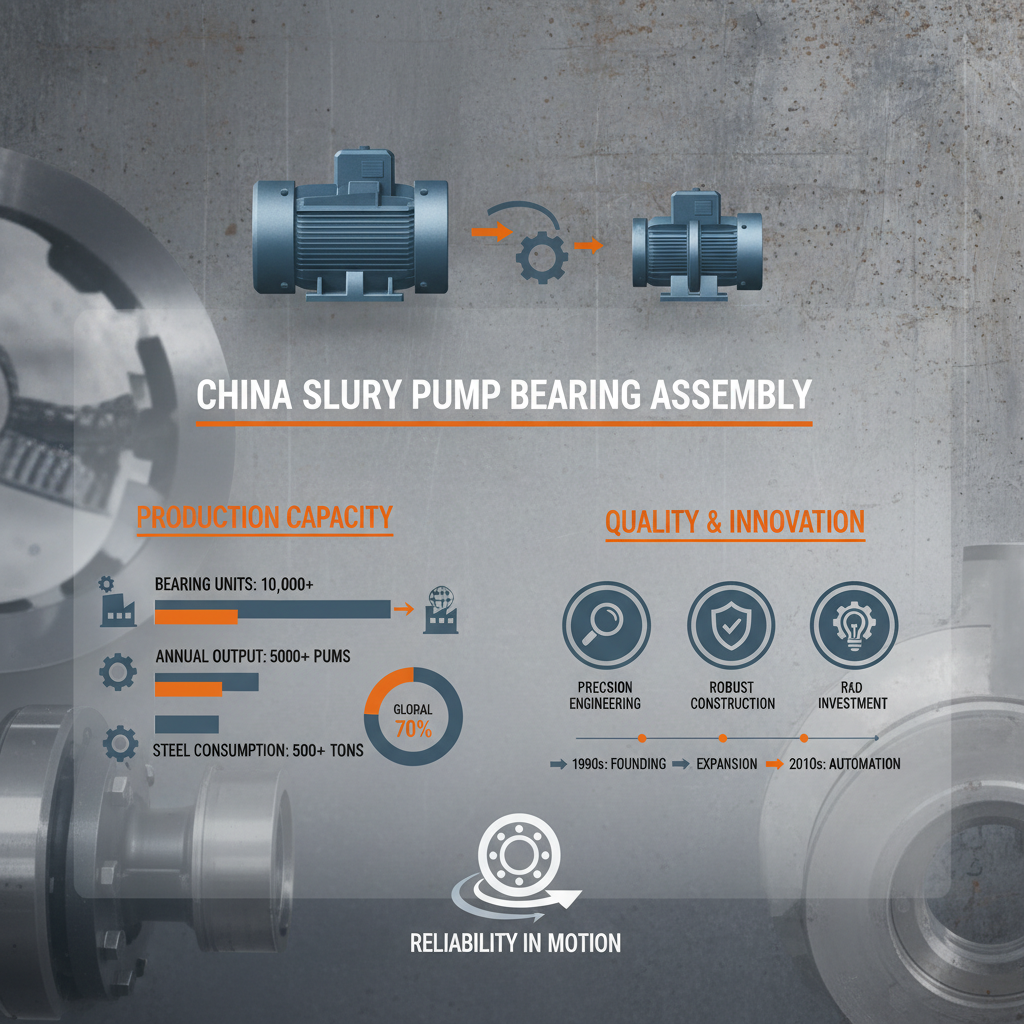
Hihorn Pump specializes in the design, manufacture, and supply of high-quality slurry pumps for a wide range of industrial applications. We offer customized solutions tailored to your specific slurry characteristics and operating requirements. Our pumps are built to withstand harsh conditions and deliver reliable performance. We provide comprehensive technical support, including pump selection assistance, installation guidance, and after-sales service. Partner with Hihorn Pump for efficient and cost-effective slurry handling solutions.
Conclusion: Ensuring Reliable Slurry Handling with Hihorn Pump
Choosing the right slurry pump is essential for optimizing performance and minimizing downtime. Hihorn Pump provides a comprehensive range of pumps, expert technical support, and customized solutions to meet your unique needs. Invest in a reliable slurry pumping system and experience the benefits of increased efficiency and reduced operating costs.
Frequently Asked Questions (FAQs)
What is the best type of slurry pump for highly abrasive slurries?
For highly abrasive slurries, a centrifugal pump with a hard metal impeller and liner, or a positive displacement pump like a progressing cavity pump, is often the best choice. Hard metal materials like high-chrome alloys provide excellent wear resistance, extending the pump's lifespan. Progressing cavity pumps are particularly effective for slurries with large solids content. Consider the slurry’s particle size, concentration, and chemical composition when making your selection. Hihorn Pump can help you determine the optimal pump based on your specific application.
How often should I inspect my slurry pump?
Regular inspections are crucial for preventing unexpected downtime and ensuring safe operation. Inspect your slurry pump at least monthly, or more frequently if handling particularly abrasive or corrosive slurries. Check for signs of wear, such as impeller erosion, liner damage, and seal leakage. Also, inspect the pump’s bearings and couplings. Maintaining a detailed inspection log can help track pump performance and identify potential problems early on.
What are the benefits of using a variable frequency drive (VFD) with a slurry pump?
A Variable Frequency Drive (VFD) allows you to control the pump’s speed, optimizing flow rate and energy consumption. This is particularly beneficial for applications with fluctuating demand. A VFD can also reduce mechanical stress on the pump, extending its lifespan. Furthermore, VFDs enable soft starts and stops, minimizing water hammer and reducing the risk of damage to the piping system. Hihorn Pump offers VFD solutions integrated with our slurry pump systems.
How do I determine the correct NPSHr for my slurry pump?
Net Positive Suction Head Required (NPSHr) is a crucial parameter to prevent cavitation. It’s determined by the pump manufacturer based on the pump's design and operating conditions. Ensure that the Net Positive Suction Head Available (NPSHa) in your system is always greater than the NPSHr. Factors affecting NPSHa include suction lift, liquid temperature, and vapor pressure. Incorrect NPSHr can lead to pump damage and reduced performance. Hihorn Pump can assist in calculating NPSHr and ensuring proper system design.