The global demand for mineral resources has intensified the need for high-efficiency fluid handling solutions, making the selection of a reliable slurry pump for mining a critical decision for operational success. These specialized machines are designed to transport abrasive materials, tailings, and thick slurries that would quickly erode standard industrial pumps, ensuring that mineral processing plants maintain continuous production cycles.
In the challenging environments of open-pit mines and dredging sites, the cost of downtime can be catastrophic. The industry has shifted toward engineering pumps that prioritize wear resistance and hydraulic efficiency to minimize maintenance intervals and maximize volumetric throughput, directly impacting the bottom line of large-scale mining operations.
By implementing an advanced slurry pump for mining, operators can handle higher concentrations of solids with greater stability. This technological evolution allows for deeper digging depths and more flexible flow rate adjustments, providing a definitive solution for site-specific challenges where material density fluctuates rapidly.

Global Significance of Slurry Pumping in Mining
The extraction and processing of minerals on a global scale rely heavily on the ability to move abrasive solids over long distances. Whether it is gold, iron ore, or industrial sand, the use of a specialized slurry pump for mining ensures that the high-density mixture of water and solids is transported without clogging or premature equipment failure, supporting the infrastructure of modern civilization.
From the remote mining regions of Australia to the industrial hubs of South America, the efficiency of these pumps directly correlates with the ROI of the project. By optimizing suction capacity and flow rates, mining companies can reduce energy consumption and labor costs, while simultaneously increasing the volume of material processed per hour.
Defining the Modern Slurry Pump for Mining
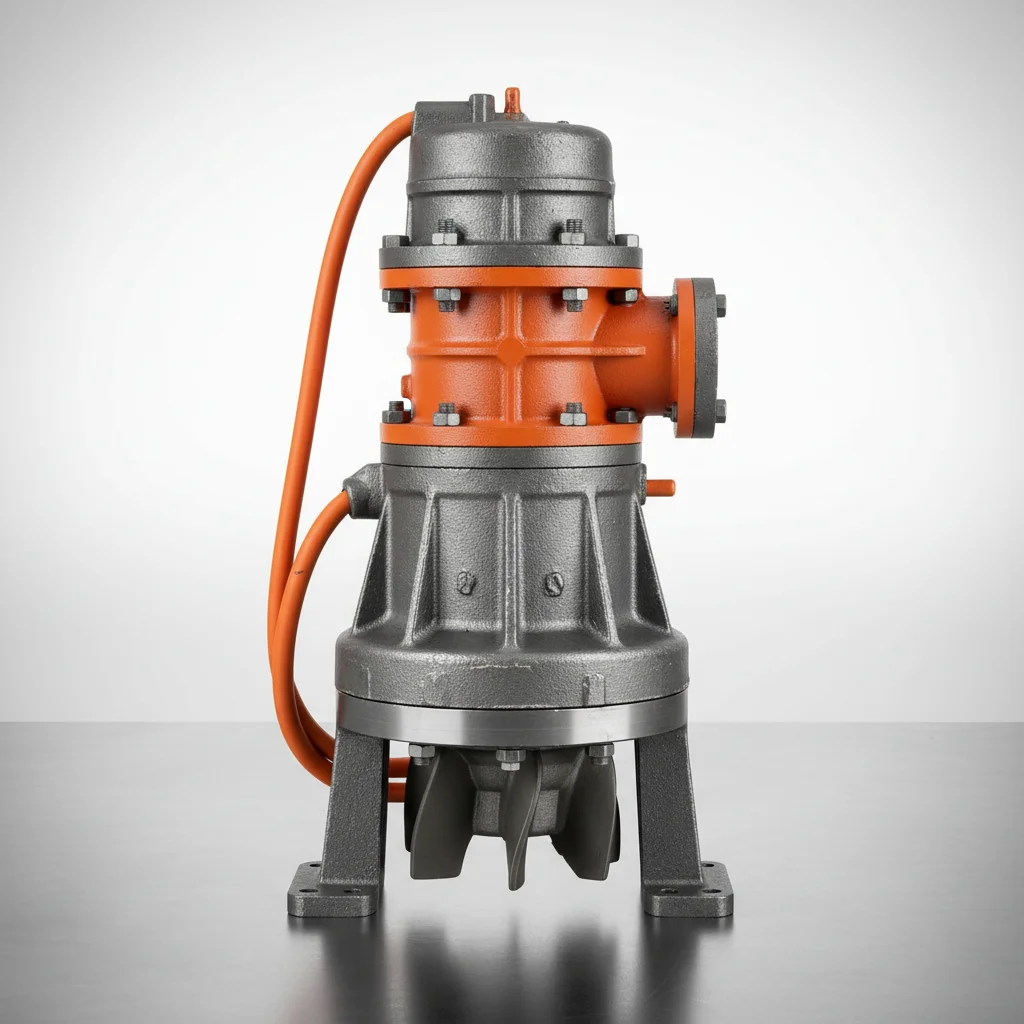
A slurry pump for mining is a heavy-duty centrifugal pump specifically engineered to handle liquids containing high concentrations of suspended solid particles. Unlike standard water pumps, these machines are built with reinforced casings and specialized impellers that can withstand the constant grinding action of abrasive minerals.
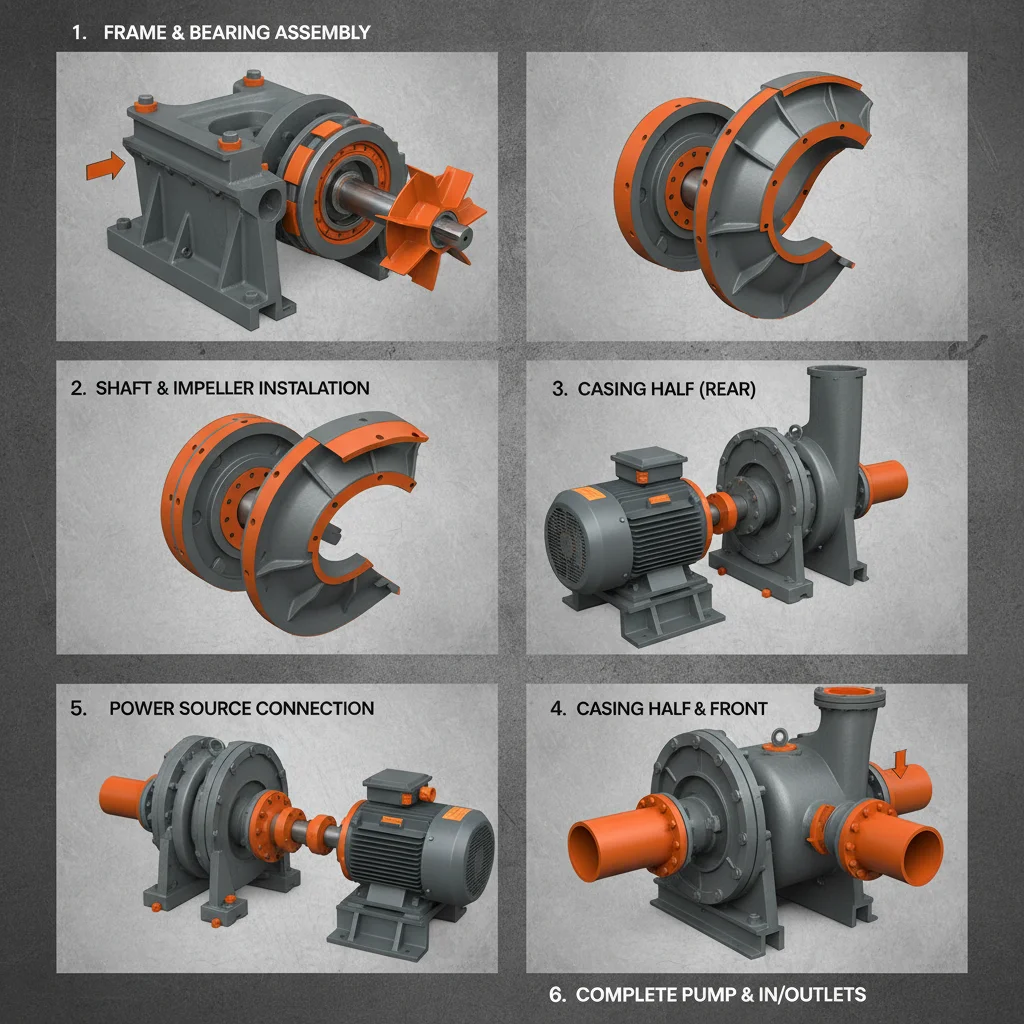
Modern iterations, such as the HWN Series, utilize a horizontal cantilever structure to provide maximum stability. This design ensures that the pump can manage high-pressure environments and extreme volumes, ranging from single-casing models for agile tasks to double-casing units for massive industrial displacement.
The primary goal of these systems is to balance suction depth with flow efficiency. By employing optimized impeller flow channels, these pumps allow operators to precisely fine-tune head pressure, making them indispensable for dredging and tailings management where material density is constantly shifting.
Core Engineering Components for Durability
The longevity of a slurry pump for mining is determined by its material composition. To combat extreme abrasion, critical components such as impellers, sheaths, and liners are forged from high-strength anti-wear alloy cast iron. With a hardness rating of ≥ 50 HRC, these materials provide a shield against the corrosive and grinding nature of mineral slurries.
Strategic design is employed to ensure synchronized wear cycles. In a high-quality slurry pump for mining, the internal parts are engineered to wear down at similar rates, which prevents a single failing component from compromising the entire system and significantly reduces the frequency of unscheduled maintenance downtime.
Furthermore, the structural integrity of the pump casing is paramount. For high-capacity operations, reinforced double-pump casings are utilized to handle extreme volume and pressure, ensuring that the pump does not deform or leak under the stress of transporting particle sizes up to 220 mm.
Operational Efficiency and Performance Metrics
Achieving peak efficiency in a slurry pump for mining requires a delicate balance between flowrate and head pressure. With efficiency ranges between 60% and 85%, modern pumps utilize wide impeller channels to maximize volumetric capacity, allowing for flowrates up to 9000 m³/h and heads up to 80 m.
The ability to adapt to site-specific conditions is a key performance indicator. By adjusting the pump speed (RPM) or modifying the impeller diameter, operators can shift the performance curve to match the specific viscosity and density of the slurry being processed.
Comparative Performance of Slurry Pump for Mining Configurations
Global Applications in Industrial Dredging
The application of a slurry pump for mining extends far beyond traditional ore extraction. In large-scale industrial dredging projects, these pumps are used to clear shipping channels and reclaim land, moving massive volumes of sediment and debris with precision and power.
In remote industrial zones, where maintenance access is limited, the reliability of the HWN series becomes a strategic asset. Its ability to handle high solids concentrations and its enhanced cavitation performance allow for greater digging depths, ensuring that dredging projects stay on schedule regardless of the material density.
Long-Term Value and Sustainability
Investing in a high-tier slurry pump for mining provides tangible long-term value by drastically reducing the total cost of ownership. Synchronized wear cycles mean that the pump spends more time in operation and less time in the workshop, optimizing labor costs and reducing the frequency of spare part replacements.
From a sustainability perspective, higher hydraulic efficiency means less energy is required to move the same volume of material. This reduction in power consumption lowers the carbon footprint of the mining operation, aligning industrial goals with global environmental standards.
Beyond the numbers, the reliability of these systems fosters trust and safety. When operators know their equipment can handle rapid fluctuations in displacement and density without failing, they can focus on operational optimization and site safety rather than emergency repairs.
Future Innovations in Slurry Handling
The future of the slurry pump for mining is leaning heavily toward digital transformation and predictive maintenance. By integrating real-time wear monitoring and automated lubrication alerts, the next generation of pumps will be able to signal for maintenance before a failure occurs, achieving true zero-downtime operationality.
Material science continues to evolve, with new alloy compositions promising even higher HRC ratings and better impact resistance. These innovations will allow pumps to handle even more aggressive slurries with longer intervals between liner replacements.
Automation and variable speed drives (VSD) are becoming standard, allowing for the seamless integration of pumps into smart mining ecosystems. This ensures that flow rates are adjusted automatically based on sensor data from the slurry pipeline, maximizing ROI and operational agility.
Comparison of Standard vs. HWN Series Slurry Pumping Technology
| Feature Dimension |
Standard Slurry Pump |
HWN Series Pump |
Operational Impact |
| Material Hardness |
Standard Cast Iron |
Anti-wear Alloy (≥50HRC) |
Extreme Wear Resistance |
| Wear Lifecycle |
Irregular / Fragmented |
Synchronized Cycles |
Reduced Maintenance Stops |
| Suction Capacity |
Limited Depth |
Enhanced Cavitation Depth |
Greater Digging Reach |
| Adaptability |
Fixed Performance |
Dynamic (Speed/Impeller) |
Precision Flow Control |
| Casing Design |
Single Wall |
Reinforced Double Casing |
High Pressure Stability |
| Maintenance Cost |
High Frequency |
Optimized Low Cycle |
Lower Total OPEX |
FAQS
The primary difference lies in the casing structure. The 200-500HWN models utilize a single pump casing for more agile, mid-capacity operations. In contrast, the 600-1200HWN models employ a reinforced double pump casing, which is specifically designed to manage significantly higher volumetric capacities and extreme operating pressures typical of massive mining projects.
The HWN series utilizes critical wear parts, including the impeller and liners, manufactured from high-strength anti-wear alloy cast iron. With a hardness of at least 50HRC, these materials provide an ideal balance of impact and abrasion resistance, ensuring the pump can transport high concentrations of abrasive solids without rapid degradation.
Yes, the HWN series is designed for high adaptability. Operators can modify the performance output to suit changing site conditions by either adjusting the motor speed (RPM) or by replacing the impeller with one of a different diameter. This allows for precise tuning of flow rates and head pressure based on current slurry viscosity.
Depending on the specific model and the chosen configuration, the HWN series supports either grease lubrication or oil lubrication. Both methods are designed to provide optimal protection for the bearings during heavy-duty, continuous use, preventing overheating and premature bearing failure in harsh environments.
The HWN series employs a synchronized wear design, meaning various wear parts reach the end of their service life at approximately the same time. This allows maintenance teams to replace multiple parts during a single scheduled stop, drastically reducing labor costs and total operational downtime compared to pumps with irregular wear patterns.
A sharp performance curve makes the pump significantly more adaptable to rapid fluctuations in displacement and material density. During active dredging, the concentration of solids can change instantly; a pump with this characteristic can maintain stability and efficiency despite these sudden changes in the medium's density.
Conclusion
The implementation of a high-performance slurry pump for mining is not merely an equipment upgrade, but a strategic investment in operational reliability and efficiency. By combining advanced anti-wear alloy materials (≥50HRC) with a synchronized wear design and flexible performance curves, the HWN series solves the most persistent challenges of abrasive material transport, from reducing maintenance downtime to maximizing volumetric throughput.
Looking forward, the integration of predictive analytics and smart lubrication will further refine the efficiency of mineral processing. For companies seeking to optimize their dredging and mining ROI, prioritizing pumps that offer both structural integrity and dynamic adaptability is the only way to remain competitive in an increasingly demanding global market. Visit our website for more information: www.hihornpump.com