High Performance Heavy Duty Slurry Pump for Industrial Mining

High Performance Heavy Duty Slurry Pump for Industrial Mining

  • Home
  • Top Blog
  • High Performance Heavy Duty Slurry Pump for Industrial Mining
0%

Table of Contents

The transport of abrasive materials in industrial environments requires specialized equipment capable of withstanding extreme wear and high-pressure conditions. In the realm of mineral processing and metallurgy, the efficiency of moving dense, particulate-laden fluids is a critical determinant of overall plant productivity and operational uptime.

Across the globe, industries such as coal power generation and nonferrous mining rely on heavy-duty machinery to handle the continuous flow of tailings and ore concentrates. Without the right pumping technology, the risk of premature equipment failure and costly unplanned downtime increases significantly, impacting the bottom line of large-scale industrial operations.

Choosing a high-performance slurry pump is not merely a procurement decision but a strategic investment in durability. By integrating advanced materials and robust structural designs, these systems ensure that highly abrasive fluids are moved safely and efficiently from hydrocyclone feeds to flotation cells.

slurry pump

Understanding the Heavy Duty Slurry Pump

slurry pump

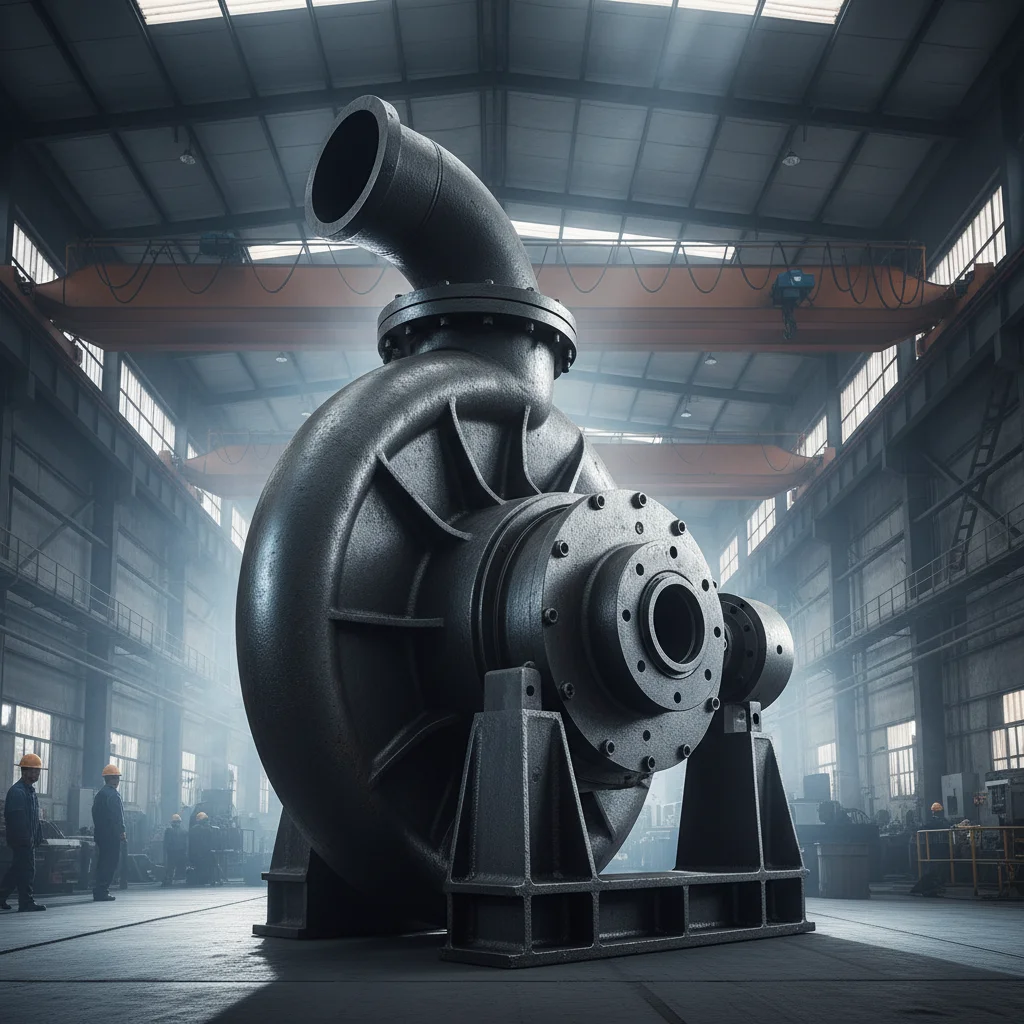
A heavy duty slurry pump is a specialized high-pressure centrifugal pump designed to handle the continuous movement of highly abrasive and dense slurries. These machines are engineered to manage the harsh environment of mineral processing plants, where the fluids often contain a high concentration of solids that would quickly erode standard pumping equipment.

The HAH series, for example, is specifically tailored for processes ranging from hydrocyclone feed to flotation and tailings management. By focusing on the balance between flow rate and head pressure, these pumps ensure that dense materials are transported without clogging or excessive wear on the internal components.

Core Structural Features and Engineering

The architectural integrity of a professional slurry pump begins with its casing. The HAH series utilizes a horizontal double-casing axial suction design, where the ductile iron fully lined casing provides the necessary strength and safety to handle high-pressure operations while extending the overall service life of the unit.

Versatility in installation is another hallmark of superior engineering. To accommodate various plant layouts, the pump outlet can be positioned in eight different directions at 45° intervals. This flexibility allows engineers to optimize piping routes, reducing friction loss and improving the overall efficiency of the slurry transport system.

Furthermore, maintenance is streamlined through flexible lubrication options. Users can choose between grease or oil lubrication bearing assemblies depending on the environmental conditions and the required maintenance interval, ensuring the pump operates smoothly under the heaviest loads.

Material Selection for Maximum Wear Resistance

The longevity of a slurry pump depends entirely on the materials that come into contact with the abrasive medium. The wetted pump end, which includes the volute liner, throatbush, frame plate liner insert, and the impeller, must be constructed from materials that can withstand constant scouring.

Depending on the specific application requirements, these components are typically made from high chrome alloy or rubber. High chrome alloys are preferred for extremely abrasive particles, while rubber lining is ideal for finer, more corrosive slurries, providing a flexible barrier that absorbs the impact of particles.

A key advantage of the HAH series design is the interchangeability of the wet ends. Operators can switch between metal lining and rubber lining without replacing the entire pump housing, allowing the equipment to adapt to changing ore characteristics or different processing stages.

Performance Metrics and Flow Dynamics

Analyzing the performance of a slurry pump requires looking at the relationship between flow rate and head. For the HAH and HH series, discharge diameters range from 20mm to 450mm, with flow rates reaching up to 30,000 m³/h and a maximum head of 90m.

While the HAH series is excellent for general heavy-duty use, the HH pump is specifically engineered for high-density slurry applications that require even higher pressure. This distinction is vital for operators who must move thick tailings over long distances or uphill in a processing facility.

Performance Efficiency Comparison of Slurry Pump Series

Global Industrial Applications

The deployment of a heavy duty slurry pump is essential across various global industries. In nonferrous mines, these pumps move ore concentrates and tailings, ensuring that the waste materials are transported efficiently to storage facilities without clogging the pipeline.

Beyond mining, these pumps are critical in coal and power plants for ash handling and in metallurgy for moving slag and other abrasive by-products. Whether in the remote mountains of South America or the industrial hubs of Asia, the ability to handle high-concentration abrasive slurries is a cornerstone of modern resource extraction.

Long-Term Operational Value and Reliability

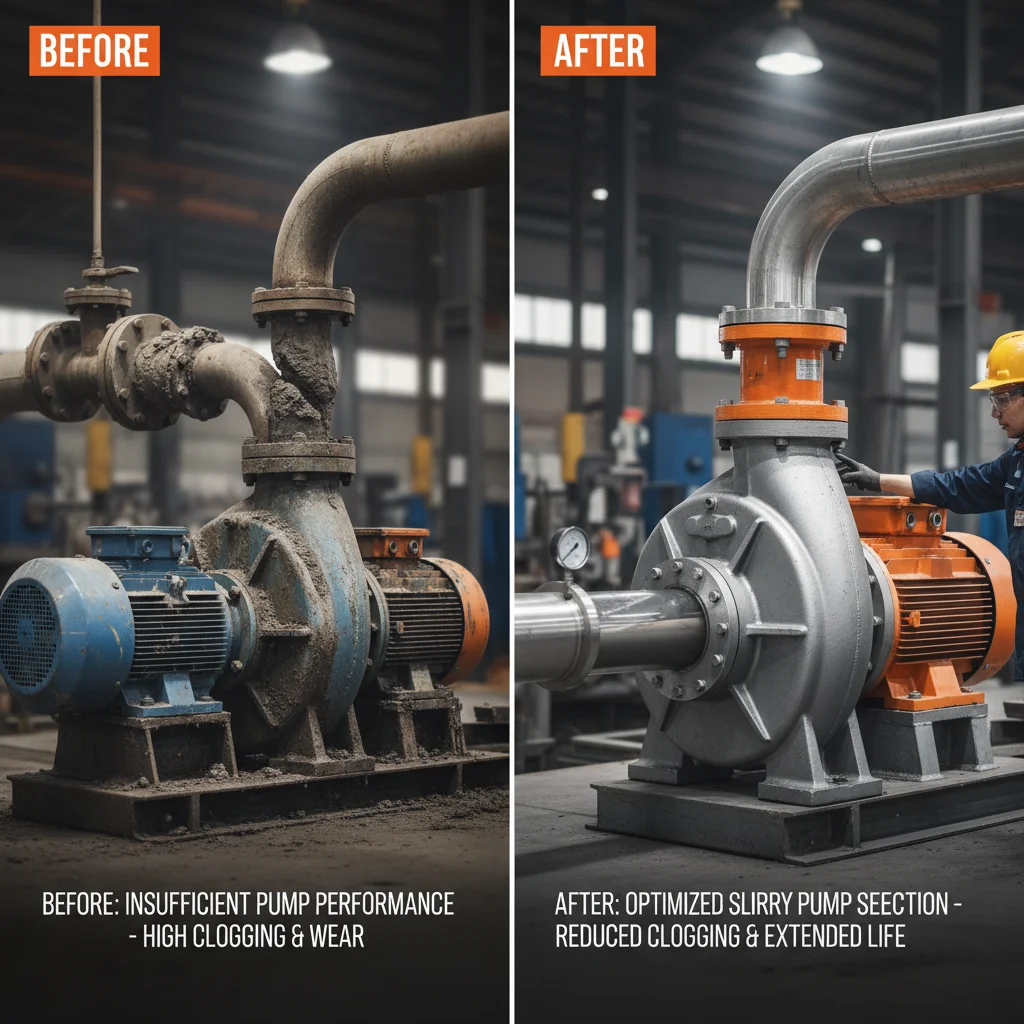
Investing in a high-quality slurry pump provides significant long-term economic value through reduced downtime. By utilizing high chrome alloys and ductile iron casings, the frequency of part replacements is lowered, which directly translates to lower operational expenditure (OPEX).

Reliability also encompasses safety. A pump that can withstand high pressures without failing prevents hazardous leaks and unplanned emergency shutdowns, protecting both the workers and the surrounding environment from industrial accidents.

Furthermore, the ability to customize impellers and shaft seals allows the pump to be optimized for specific liquid viscosities. This precision ensures that the motor is not overworked, leading to lower energy consumption and a smaller carbon footprint for the processing plant.

Technical Specifications and Model Comparison

To select the correct slurry pump, one must evaluate the specific flow and head requirements of the site. The HAH series offers a broad spectrum of models, from the HAH-1.5/1B which handles smaller flows of 13-29 m³/h, to the HAH-20/18TU which can move up to 5,400 m³/h.

The distinction between the HAH and HAHR models often lies in the efficiency and the specific head capabilities. For instance, while both can handle abrasive slurries, the specific impeller design in certain models allows for better NPSH (Net Positive Suction Head) values, reducing the risk of cavitation.

Below is a detailed breakdown of various model categories and their operational strengths to assist in technical selection.

Comparison of HAH Series Slurry Pump Technical Capabilities

Model Range Max Flowrate (m³/h) Pressure Capability Primary Material
Small (HAH-1.5 to 3) Up to 86 Moderate High Chrome/Rubber
Medium (HAH-4 to 8) Up to 828 High High Chrome Alloy
Large (HAH-10 to 14) Up to 2772 Very High Ductile Iron/Chrome
Extra Large (HAH-16 to 20) Up to 5400 Maximum Heavy Duty Alloy
HH Series (High Density) Variable Extreme Reinforced Chrome
HAHR Variants Optimized High Interchangeable Liners

FAQS

What is the main difference between HAH and HH series slurry pumps?

The HAH series is designed for general heavy-duty abrasive slurry applications. In contrast, the HH series is specifically engineered for high-density slurry applications that require significantly higher pressure to move thicker materials through the pipeline.

Can I switch between rubber and metal linings on the same pump?

Yes, the metal lining and rubber lining of the wet ends in the HAH series are designed to be interchangeable. This allows operators to adapt the pump to different slurry characteristics (e.g., switching from highly abrasive to more corrosive materials) without replacing the entire unit.

How does the 8-direction outlet design benefit my plant layout?

The ability to position the pump outlet in 8 different directions at 45° intervals allows for maximum flexibility in piping. This reduces the need for extra elbows and bends in the piping system, which in turn lowers friction loss and minimizes wear points in the pipeline.

What lubrication options are available for these heavy duty pumps?

The HAH series offers both grease and oil lubrication bearing assembly options. The choice depends on the operating environment, the required maintenance schedule, and the specific load requirements of the application.

Which materials are used for the wetted parts of the pump?

The wetted pump end, including the volute liner, throatbush, and impeller, can be made of either high chrome alloy or rubber. High chrome is used for maximum abrasion resistance, while rubber is used for specific application requirements involving finer particles.

What are the typical applications for the HAH series?

These pumps are primarily used in mineral processing plants for hydrocyclone feed, flotation, and tailings. They are also widely used in metallurgy, coal plants, and power plants for handling abrasive slurry from ore concentrates.

Conclusion

The selection of a heavy duty slurry pump is fundamental to the operational success of any mineral processing or industrial facility. By combining robust ductile iron casings with interchangeable high chrome or rubber liners, the HAH and HH series provide the necessary durability to handle the most abrasive dense slurries. From flexible outlet positioning to a wide range of flow and head specifications, these pumps solve the critical challenge of transporting tailings and concentrates with minimal downtime.

Looking forward, the integration of more wear-resistant materials and precision engineering will continue to push the boundaries of slurry transport efficiency. For operators seeking to optimize their processing plants, investing in equipment that balances high pressure with long-term reliability is the most effective way to ensure sustainable productivity. Visit our website for more information: www.hihornpump.com

Owen Lancaster

Owen Lancaster

Owen Lancaster serves as Hihorn Pump’s Quality Assurance Manager. He oversees the rigorous testing and inspection processes that ensure the reliability and performance of every pump. Owen holds a degree in Mechanical Technology and is a certified Quality Control Inspector. He is deeply committed to maintaining our ISO 9001 and
Previous Industrial Guide to High Efficiency Sludge Pump Types
Next Efficient High Performance Hydraulic Slurry Pump for Mining

If you are interested in our products, you can choose to leave your information here, and we will be in touch with you shortly.