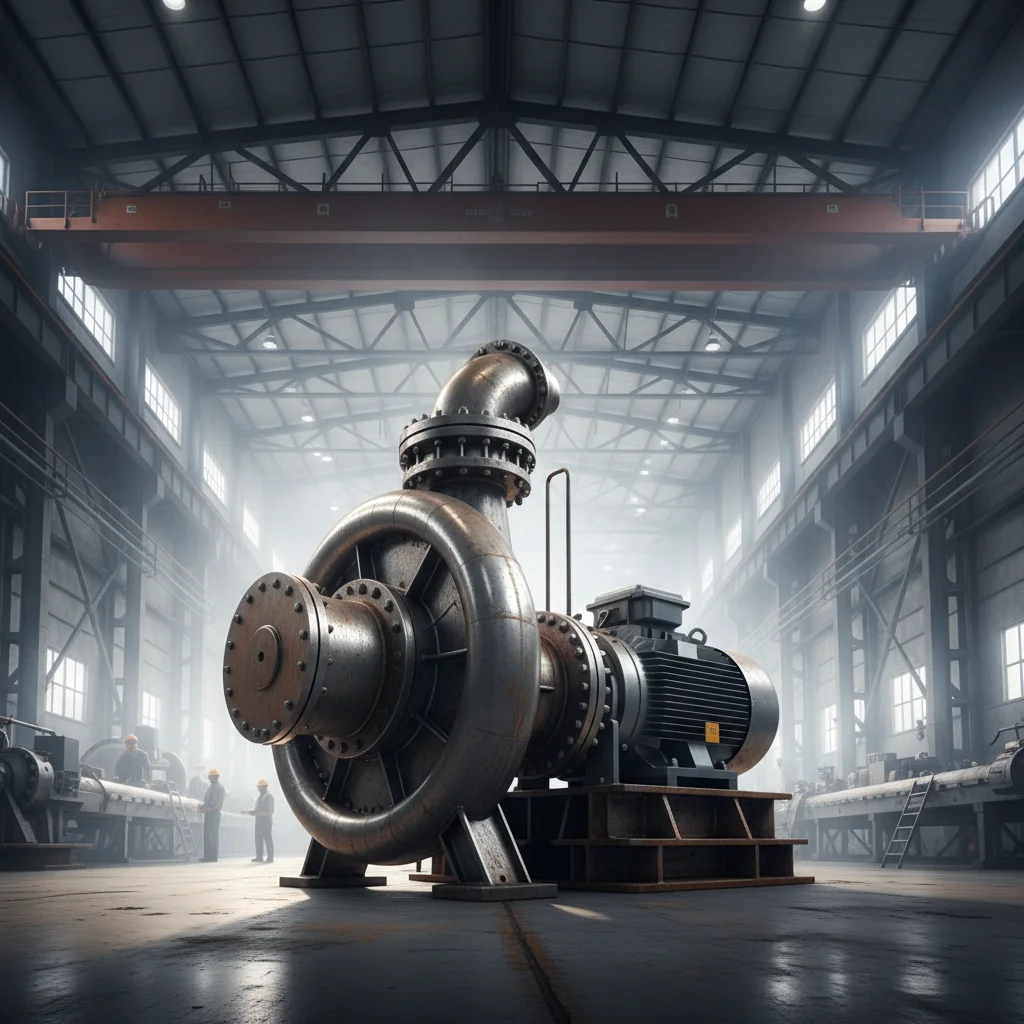
In the demanding world of industrial fluid management, the efficient removal of abrasive materials from collection pits is critical for operational continuity. A high-performance sump tank pump serves as the frontline defense against flooding and sediment buildup, ensuring that sand, gravel, and tailings do not compromise the structural integrity of industrial facilities. By integrating robust engineering with specialized materials, these systems allow for the continuous transport of heavy slurries without the constant threat of catastrophic equipment failure.
Globally, the demand for specialized slurry handling has surged as mining and metallurgical operations push into more challenging environments. The failure to implement a reliable pumping strategy often leads to unplanned downtime, which can cost industrial operators millions in lost productivity. The shift toward automated, submersible solutions reflects a broader industry trend toward reducing manual intervention and increasing safety in hazardous environments where hazardous fluids and heavy solids are prevalent.
Modern industrial standards now require equipment that can balance extreme wear resistance with energy efficiency. The HSSP Series, acting as a premier sump tank pump solution, addresses these needs through a unique impeller structure and an advanced mechanical seal design. By focusing on the synergy between hydraulic efficiency and material durability, these pumps ensure that even the most abrasive industrial waste is moved with precision and reliability.

The Technical Architecture of Sump Tank Pump Systems
The technical foundation of the HSSP series is based on a vertical single-shell axial suction centrifugal design. This specific architecture allows the pump to be installed directly into pits, minimizing the footprint required for installation while maximizing the suction capability for thick, abrasive slurries. By eliminating the need for a traditional shaft seal, the design significantly reduces potential leak points, which is a common failure mode in standard pumping systems.
To ensure stability, the system utilizes a dual-rail installation method and adjustable shaft lengths. This flexibility ensures that the pump can be precisely fitted to various pit depths, maintaining a steady center of gravity and reducing the risk of mechanical fatigue. The integration of grease-lubricated bearings further enhances the system's reliability, extending the intervals between scheduled maintenance and ensuring the motor remains protected from the harsh external environment.
Defining the Role of a Heavy Duty Sump Tank Pump
At its core, a heavy-duty sump tank pump is a specialized submersible device engineered to evacuate fluids containing high concentrations of solids. Unlike standard water pumps, these machines must withstand the constant erosive force of particles like cinder, sand, and tailings. Their primary role is to prevent the accumulation of sludge in industrial sumps, which could otherwise lead to overflow or the clogging of primary drainage systems.
In the context of modern industry, these pumps act as the "circulatory system" for waste management in mines and chemical plants. By maintaining a consistent flow of abrasive slurry from the collection point to the processing or disposal area, they ensure that the entire production line continues to operate without interruption. This capability is essential for maintaining a safe working environment and preventing the hazardous buildup of toxic or heavy materials.
Furthermore, the evolution of these pumps has moved toward "smart" integration. The inclusion of automatic water-level control systems transforms a simple mechanical tool into an autonomous management system. This means the pump can trigger its own operation based on real-time fluid levels, reducing the need for constant human monitoring and eliminating the risk of dry-running, which can destroy an impeller in a matter of minutes.
Core Components for Maximum Wear Resistance
The longevity of a sump tank pump depends heavily on the materials used in its high-wear zones. The HSSP series employs specialized hardened materials and a unique impeller structure—offering either single or double channel options—to effectively manage the impact of abrasive particles. This engineering choice ensures that the pump can handle discharge diameters ranging from 50mm to 700mm without immediate degradation.
A critical innovation in this series is the optimized volute chamber design. By carefully calculating the fluid dynamics within the chamber, the sump tank pump is able to operate with zero vibration and ultra-low noise levels. This stability is not just about comfort; it prevents the microscopic fractures in the pump casing that typically occur during high-vibration operations, thereby extending the overall lifecycle of the equipment.
Additionally, the lubrication system is a pillar of its durability. By utilizing grease-lubricated bearings rather than oil-bath systems, the pump minimizes the risk of contamination and simplifies the maintenance process. When combined with automatic protection devices, these components ensure that the pump remains operational even under the most strenuous conditions found in metallurgy and municipal dredging projects.
Performance Metrics and Efficiency Analysis
Evaluating the efficiency of a slurry pumping system requires a look at flow rate relative to the head pressure. The HSSP series demonstrates exceptional capability, with a flow rate range of 20 to 10,000 m³/h and a maximum head of up to 55m. This allows operators to move massive volumes of abrasive waste over significant distances and elevations, reducing the need for multiple relay pumping stations.
Efficiency is also measured by the Total Cost of Ownership (TCO). While traditional pumps may have a lower initial purchase price, their frequent impeller wear and high maintenance requirements lead to a higher TCO. In contrast, the high-durability materials and automated protections of the HSSP series result in significantly lower downtime and energy overhead.
Performance Comparison of Sump Tank Pump Variations
Global Industrial Applications and Use Cases
Across the globe, the HSSP series is deployed in the most rigorous environments. In the mining sector, specifically within tailings dams and ore processing plants, these pumps are essential for moving grit-laden water that would shred a standard pump in days. Their ability to handle gravel and cinder makes them the preferred choice for metallurgy plants where slag and metallic debris are common.
Beyond mining, municipal dredging and environmental protection projects utilize these pumps to clear urban drainage sumps of silt and debris. In chemical processing plants, the robust casing and lack of traditional shaft seals prevent hazardous leaks, ensuring that toxic slurries are contained and transported safely to treatment facilities, meeting strict ISO and environmental safety standards.
Long-Term Operational Value and Sustainability
The long-term value of investing in a high-tier sump tank pump is found in the reduction of "hidden costs." When a pump fails in a remote mining site, the cost is not just the price of a new impeller, but the cost of the crew to replace it and the lost revenue from the halted production line. By extending the wear life cycle through hardened materials, the HSSP series transforms maintenance from a reactive crisis into a scheduled, manageable task.
Sustainability is also achieved through energy optimization. The compact and powerful design maximizes the flow-per-kilowatt ratio, reducing the carbon footprint of the operation. By analyzing power consumption (KW) relative to output, operators can fine-tune their pumping schedules, ensuring they aren't wasting energy on inefficient, low-flow cycles.
Ultimately, the reliability of these systems provides peace of mind. The integration of fault detection systems that alert operators to abnormal vibrations or dry runs ensures that the equipment is protected against human error. This creates a cycle of trust and stability, allowing industrial managers to focus on production rather than worrying about the integrity of their waste management systems.
Future Innovations in Slurry Pumping Technology
The future of slurry management is moving toward full digital transformation. We are seeing the rise of "Predictive Maintenance," where sensors embedded in the pump casing monitor wear in real-time. Instead of changing a part every six months, the system will alert the operator exactly when the impeller has reached 90% wear, optimizing the spare parts inventory and reducing unnecessary labor.
Materials science is also evolving, with the introduction of nano-ceramic coatings and advanced alloys that can withstand even higher acidity and abrasiveness. These innovations will allow the HSSP series to enter even more volatile environments, such as deep-sea mining or highly corrosive chemical waste pits, without sacrificing the pump's structural integrity.
Furthermore, the integration of AI-driven control cabinets will allow pumps to adjust their RPM in real-time based on the density of the slurry. If the pump detects a surge in gravel content, it can automatically adjust its torque to maintain flow, preventing clogs and reducing energy spikes. This synergy of mechanical robustness and digital intelligence marks the next era of industrial pumping.
Comparative Analysis of Slurry Pumping Technologies
| Technology Type |
Wear Resistance |
Maintenance Level |
Automation Score |
| Standard Submersible |
Low |
High (Frequent) |
3/10 |
| HSSP Series Slurry Pump |
Very High |
Low (Automated) |
9/10 |
| Centrifugal Surface Pump |
Medium |
Medium |
5/10 |
| Peristaltic Pumps |
High |
Medium (Hose Wear) |
6/10 |
| Diaphragm Pumps |
Medium |
High |
4/10 |
| HSSP Smart Series |
Ultra High |
Very Low |
10/10 |
FAQS
The HSSP series utilizes a specialized impeller structure and advanced mechanical seals specifically engineered to resist erosion from sand, gravel, and tailings. Unlike standard pumps, its hardened materials prevent the rapid wearing down of internal components, ensuring long-term reliability even when pumping heavy-duty industrial slurries.
Yes, HSSP pumps are equipped with integrated automatic water level control systems and dedicated protection cabinets. This allows the pump to start and stop based on the actual fluid level in the sump tank, enabling unmanned operation and preventing the pump from running dry, which protects the motor and impeller.
They are widely used in mining, metallurgy, electric power generation, chemical processing, environmental protection, and municipal dredging projects. Any application that requires moving fluids containing abrasive solids—such as ore tailings or urban silt—is an ideal environment for the HSSP series.
The HSSP series utilizes grease lubrication for its bearings. This design choice ensures long-term durability and significantly reduces the maintenance burden by eliminating the need for frequent oil changes or complex oil-circulation systems, which are prone to contamination in slurry environments.
No, the HSSP series design eliminates the need for a traditional shaft seal. By removing this component, the pump eliminates one of the most common points of leakage and failure, which in turn reduces maintenance requirements and prevents abrasive slurry from entering the motor housing.
Depending on the specific model and configuration selected, the HSSP series can achieve a massive maximum flow rate of up to 10,000 m³/h. This makes it suitable for large-scale industrial operations that require the rapid evacuation of sumps or the continuous transport of heavy slurry.
Conclusion
The HSSP Series represents a pinnacle in the engineering of the industrial sump tank pump, blending extreme wear resistance with intelligent automation. By focusing on the critical needs of the mining, metallurgy, and chemical industries, this series effectively solves the perennial problem of abrasive wear and unplanned downtime. Through its unique impeller design, grease-lubricated bearings, and automatic level control, it provides a low-maintenance, high-efficiency solution that significantly reduces the total cost of ownership for industrial operators.
As industry 4.0 continues to reshape manufacturing, the integration of smarter, more durable pumping solutions will be the key to operational sustainability. We recommend that facility managers audit their current slurry handling systems to identify bottlenecks and transition toward automated submersible solutions. For those seeking a reliable, high-performance pumping solution that guarantees stability in the harshest conditions, visiting our website is the first step toward operational excellence. Visit our website: www.hihornpump.com