Industrial Dredge Pump vs Stainless Steel Sump Pump

Industrial Dredge Pump vs Stainless Steel Sump Pump

  • Home
  • Top Blog
  • Industrial Dredge Pump vs Stainless Steel Sump Pump
0%

Table of Contents

Efficient fluid management in demanding industrial environments often requires specialized equipment capable of handling abrasive materials and corrosive conditions. While many operators search for a stainless steel sump pump for general drainage, the reality of heavy-duty dredging and slurry transport demands an even more robust engineering approach to prevent premature equipment failure.

The global demand for high-capacity dredging solutions has surged as infrastructure projects expand and mining operations intensify. In these contexts, the ability to transport high concentrations of abrasive solids while maintaining structural integrity is the difference between a profitable project and costly operational downtime.

Understanding the technical nuances of high-performance dredge pumps, such as the HWN Series, allows engineers to optimize suction capacity and digging depth. By prioritizing material hardness and flow efficiency, industries can ensure a sustainable return on investment and superior operational longevity.

stainless steel sump pump

Global Relevance of High-Performance Pumping Systems

stainless steel sump pump

Across the globe, the management of slurry and dredging materials is critical for maintaining navigable waterways and extracting mineral resources. While a standard stainless steel sump pump is excellent for clean or mildly corrosive water, industrial dredging requires a level of abrasion resistance that only specialized alloys can provide.

The scale of these operations often involves moving thousands of cubic meters of material per hour. For instance, the HWN Series is engineered to handle flowrates up to 9000 m³/h, addressing the global challenge of rapid sediment removal and large-scale land reclamation projects.

Defining Industrial Dredge Pump Engineering

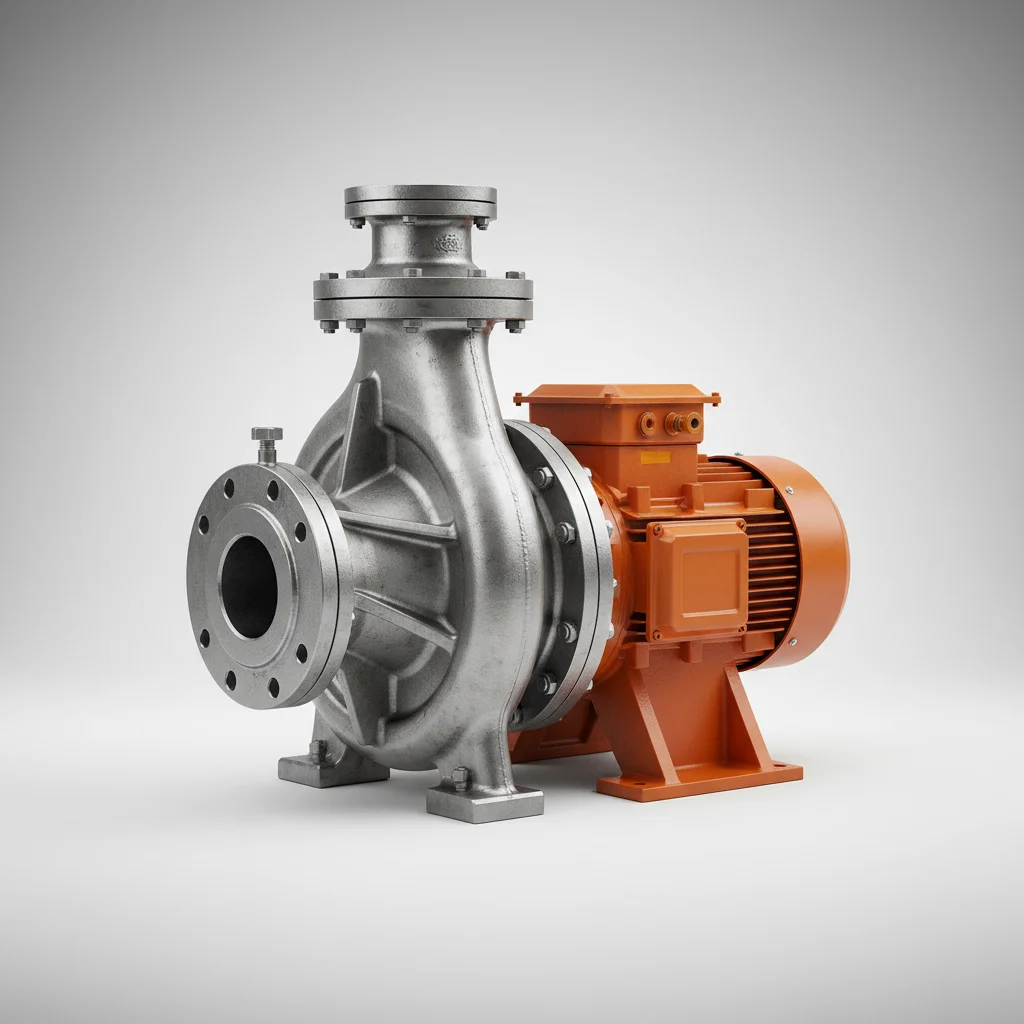
Industrial dredge pumps are high-performance machines designed to transport liquids containing high concentrations of abrasive solids. Unlike a typical stainless steel sump pump, which focuses on corrosion resistance and water removal, these pumps are built for "digging" efficiency and volumetric capacity.

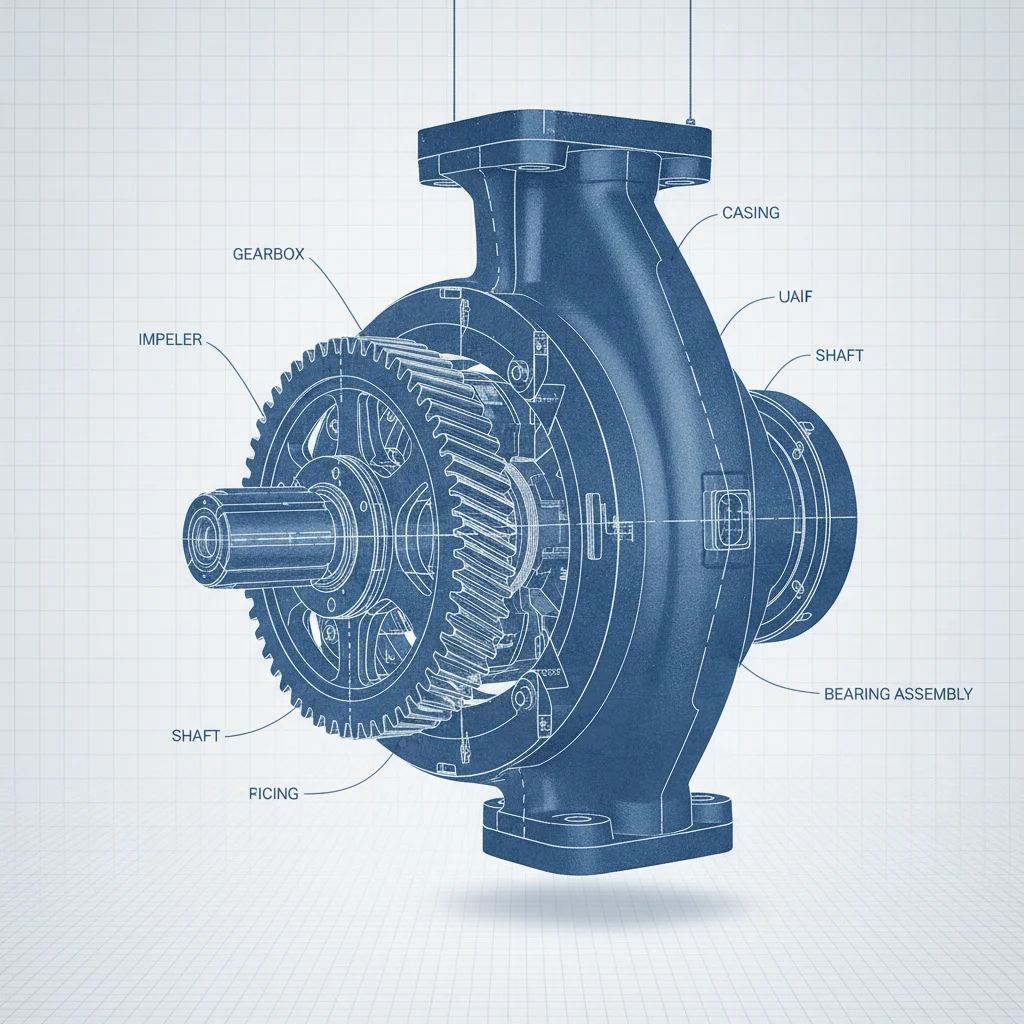
The HWN Series exemplifies this by utilizing a horizontal cantilever structure. Depending on the scale of the operation, models ranging from 200HWN to 500HWN utilize a single-pump casing, while the larger 600HWN to 1200HWN models transition to a reinforced double-pump casing to manage extreme volumes and pressures.

Ultimately, these systems serve as the heart of dredging operations, where the goal is to maximize the concentration of solids transported while minimizing the energy consumed, ensuring that the dredging depth and suction capacity are optimized for the specific site.

Core Components of the HWN Series Architecture

The foundation of the HWN Series lies in its superior wear resistance. While one might consider a stainless steel sump pump for its longevity in clean water, the HWN Series utilizes high-strength anti-wear alloy cast iron with a hardness of ≥ 50 HRC for its impellers, sheaths, and liners.

A critical design element is the synchronization of wear cycles. By strategically engineering the thickness and material of internal components, the pump ensures that the impeller and liner wear down at similar rates, which drastically reduces the frequency of unplanned maintenance and operational downtime.

Furthermore, the flexible lubrication options—supporting either oil or grease—ensure that bearings are protected against the ingress of abrasive particles, a common failure point in less specialized pumping equipment.

Operational Efficiency and Flow Adaptability

One of the most significant advantages of the HWN Series is its dynamic performance curve. The pump's ability to adapt quickly to changes in material density and displacement makes it far more versatile than a standard stainless steel sump pump in an active dredging environment.

Operators can fine-tune the output by adjusting the pump speed (RPM) or modifying the impeller diameter. This allows the equipment to be tailored to the specific viscosity of the slurry being moved, ensuring the pump operates within its peak efficiency range of 60% to 85%.

Performance Comparison: HWN Series vs Conventional Sump Pumps

Global Applications in Harsh Environments

The HWN Series is deployed globally in large-scale dredging projects where standard pumps would fail within days. From harbor deepening in Southeast Asia to mineral tailing management in South America, the ability to handle particles up to 220 mm makes it indispensable.

In remote industrial zones, the seamless integration with custom gearboxes and bracket configurations allows these pumps to be incorporated into complex OEM systems, providing a level of reliability and power that a simple stainless steel sump pump cannot match.

Long-Term Value and Maintenance Optimization

Investment in the HWN Series is characterized by a lower Total Cost of Ownership (TCO). By using anti-wear alloys (50HRC) and synchronized wear cycles, the pump minimizes the "maintenance spikes" often seen with standard equipment.

Operational analytics and predictive scheduling based on part life cycles allow companies to transition from reactive to proactive maintenance. This ensures that critical parts like impellers and liners are replaced just before failure, maintaining a zero-downtime environment.

Comparing the HWN series to traditional pumps reveals a significant shift in efficiency: where standard pumps suffer from limited suction depth and high maintenance frequency, the HWN series offers enhanced cavitation depth and optimized replacement cycles.

Future Trends in Abrasive Fluid Management

The future of industrial pumping is moving toward digital transformation. We are seeing the integration of real-time wear monitoring sensors that can alert operators to the exact thickness of a liner, moving beyond the general utility of a stainless steel sump pump toward "smart" dredging.

Automation in RPM adjustment is also becoming standard, allowing the pump to automatically react to changes in slurry viscosity and material density. This ensures that the pump always operates at its highest possible efficiency point, reducing energy waste and carbon footprints.

As environmental regulations tighten, the focus is shifting toward pumps that can handle higher concentrations of solids with less water, reducing the volume of wastewater that needs to be treated post-dredging.

Comparison of Pumping Solutions for Slurry and Sump Applications

Pump Type Primary Material Max Particle Size Wear Life Rating
HWN Series Dredge Anti-wear Alloy (50HRC) Up to 220 mm Exceptional
Standard Slurry Pump High Chrome Steel Up to 100 mm High
Stainless Sump Pump 316/304 Stainless Steel Small Particles Moderate (Corrosion focused)
Cast Iron Pump Gray Cast Iron Up to 50 mm Low
Rubber Lined Pump Natural Rubber/Steel Up to 80 mm High (Fine Slurry)
Plastic/Poly Pump HDPE/Polypropylene Minimal Low (Wear limited)

FAQS

What is the difference between the 200-500HWN and 600-1200HWN models?

The primary difference lies in the casing design. The 200-500HWN models utilize a single pump casing, which is ideal for moderate capacities. In contrast, the 600-1200HWN models employ a reinforced double pump casing, allowing them to handle significantly higher volumetric capacities and operating pressures required for massive dredging projects.

How does the HWN series handle highly abrasive materials?

Unlike a standard stainless steel sump pump, the HWN series is specifically built for abrasion. Critical overflow parts, including the impeller and liner, are manufactured from high-strength anti-wear alloy cast iron with a hardness of at least 50HRC, ensuring a perfect balance of impact resistance and extreme abrasion resistance.

Can the pump's performance be modified after installation?

Yes, the HWN series is highly adaptable. Performance outputs can be tailored to the site's specific needs by either adjusting the speed of the pump motor (RPM) or by altering the diameter of the impeller to match the desired flow rate and head pressure.

What lubrication methods are supported for the HWN series?

Depending on the specific configuration and model chosen, the HWN series supports either grease lubrication or oil lubrication. Both methods are designed to provide optimal protection for the bearings against the harsh, dusty, and wet environments typical of dredging sites.

How does the HWN pump minimize long-term maintenance costs?

The pump is engineered for synchronized wear. This means that various wear parts reach their replacement cycle at roughly the same time. By aligning the lifespan of the impeller and liner, operators can perform a single comprehensive maintenance stop rather than multiple small interruptions, reducing labor costs and downtime.

What is the advantage of the HWN pump's performance curve?

The HWN pump features a sharply dropping performance curve. This characteristic makes the pump significantly more adaptable to rapid changes in material density and displacement during active dredging, preventing the pump from becoming unstable when the slurry concentration fluctuates.

Conclusion

Selecting the right pumping solution requires a deep understanding of the material being moved. While a stainless steel sump pump is a valuable tool for corrosion-prone water drainage, the HWN Series Dredge Pump is the superior choice for abrasive, high-volume industrial operations. By combining 50HRC anti-wear alloys with a flexible, high-efficiency cantilever design, it ensures maximum uptime and operational efficiency.

As the industry moves toward more sustainable and automated dredging practices, investing in equipment that offers synchronized wear and adjustable performance is essential. We recommend conducting a site-specific analysis of slurry viscosity and particle size to fully leverage the adaptability of the HWN series. Visit our website: www.hihornpump.com for more technical specifications and customization options.

Ethan Bellwether

Ethan Bellwether

Ethan Bellwether serves as Hihorn Pump’s Lead Mechanical Engineer. With over 12 years of experience in fluid dynamics and pump design, Ethan is instrumental in the development of our advanced slurry pump models. He holds a Master’s degree in Mechanical Engineering from MIT and is a certified Six Sigma Black
Previous Industrial New Sump Pump Solutions for Slurry and Sewage
Next Reliable Industrial Solutions from Expert Sump Pump Contractors

If you are interested in our products, you can choose to leave your information here, and we will be in touch with you shortly.