Hydraulic slurry pumps are critical components in a wide range of industries, handling abrasive and highly concentrated mixtures that traditional pumps simply cannot manage. From mining and wastewater treatment to agriculture and construction, these pumps are essential for efficient and reliable material transfer. Understanding their capabilities, applications, and ongoing innovations is crucial for optimizing operations and minimizing downtime across these vital sectors.
The global demand for efficient and durable pumping solutions is constantly increasing, driven by growing industrialization and infrastructure development, particularly in emerging economies. Effective slurry management is not just about cost savings; it's about environmental responsibility, safety, and ensuring the longevity of critical infrastructure. Investing in appropriate hydraulic slurry pump technology is therefore a strategic imperative for businesses and governments alike.
The versatility of the hydraulic slurry pump stems from its robust design and ability to handle varying slurry compositions. This adaptability makes it invaluable in applications where consistent performance and minimal maintenance are paramount. The increasing focus on sustainable practices and resource recovery further elevates the importance of hydraulic slurry pumps, as they play a key role in processes like tailings management and dredging.
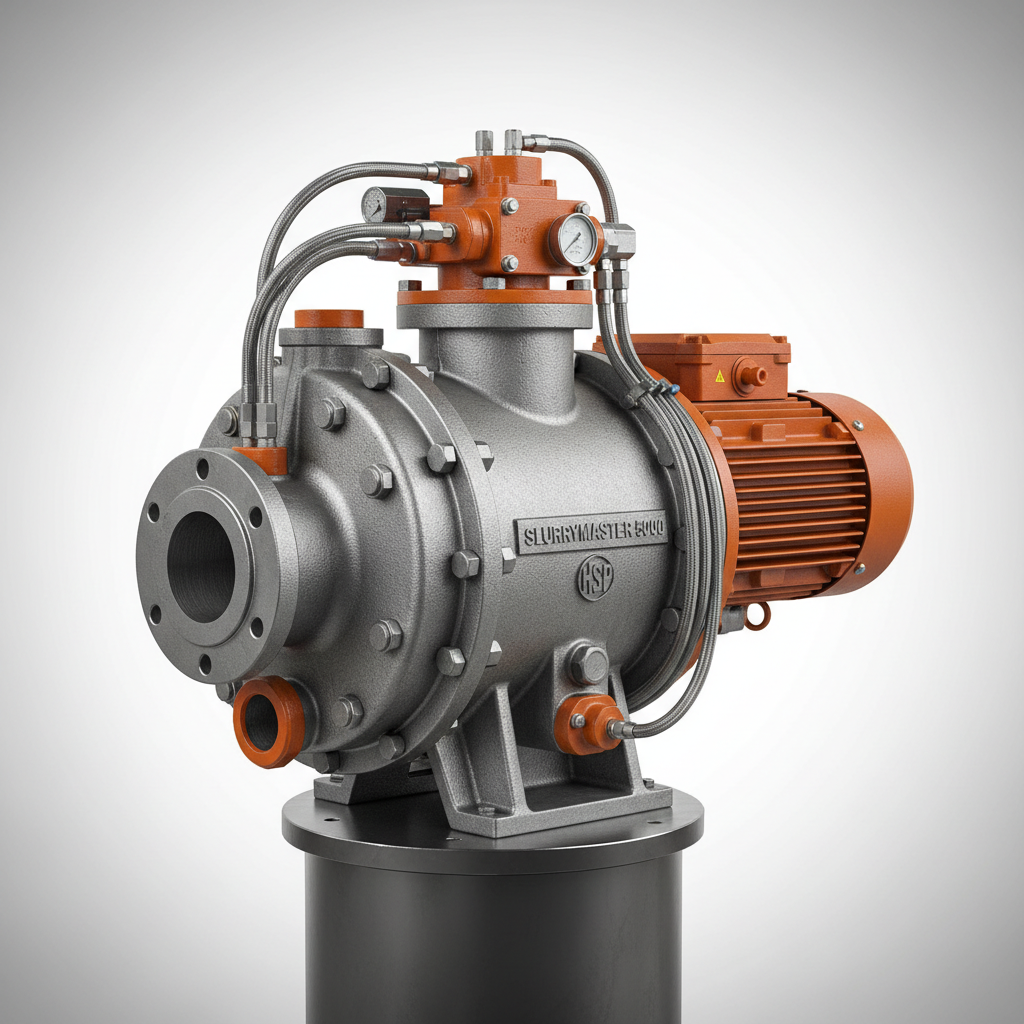
Introduction to Hydraulic Slurry Pumps
Hydraulic slurry pumps are engineered to efficiently transport dense, abrasive mixtures – slurries – that contain solid particles suspended in a liquid. These pumps are a mainstay in industries dealing with materials like sand, gravel, tailings, and chemical mixtures. Their robust construction and specialized design differentiate them from standard centrifugal pumps, offering superior performance and longevity in challenging environments.
The selection of the appropriate hydraulic slurry pump is critical for minimizing operational costs and maximizing efficiency. Factors like slurry composition, flow rate, head pressure, and abrasive particle size all influence pump selection. Careful consideration of these parameters ensures optimal performance and reduces the risk of premature wear and failure.
Defining Hydraulic Slurry Pumps
A hydraulic slurry pump is a type of positive displacement pump specifically designed to move slurries – heterogeneous mixtures of liquids and solid particles. Unlike centrifugal pumps, which rely on impeller rotation to generate flow, hydraulic slurry pumps utilize a reciprocating piston or diaphragm mechanism driven by hydraulic pressure. This positive displacement action enables them to handle high concentrations of solids without clogging or experiencing significant performance degradation.
The ability to consistently deliver a defined volume of fluid per stroke makes hydraulic slurry pumps ideal for applications requiring precise control and reliable operation, even with abrasive materials. They are often preferred in situations where continuous flow is not essential, such as intermittent discharge of settled solids or transfer of viscous slurries.
Hydraulic slurry pumps connect directly to modern industry, particularly in sectors focused on materials processing, waste management, and resource extraction. Their contribution extends to humanitarian needs by supporting efficient water and waste treatment facilities, ensuring access to clean resources and safe disposal practices.
Core Components & Operational Factors
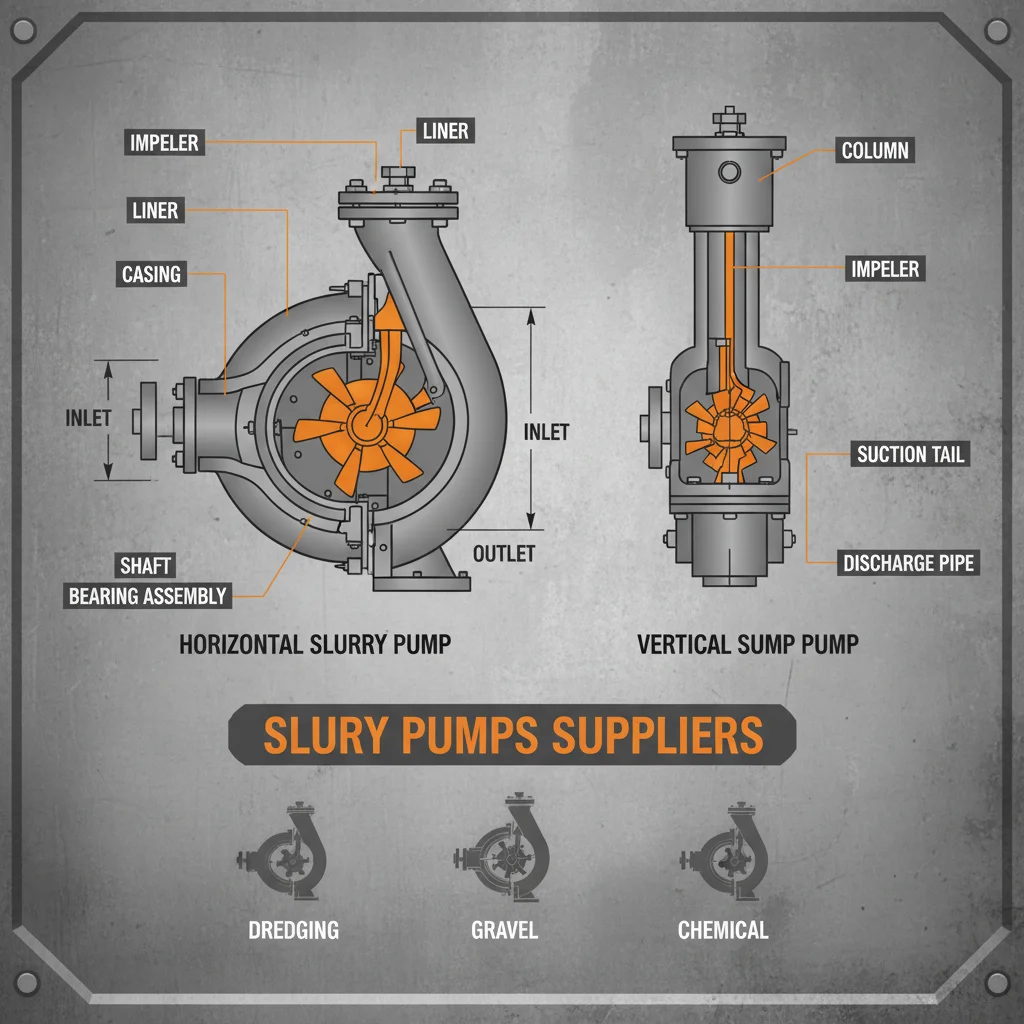
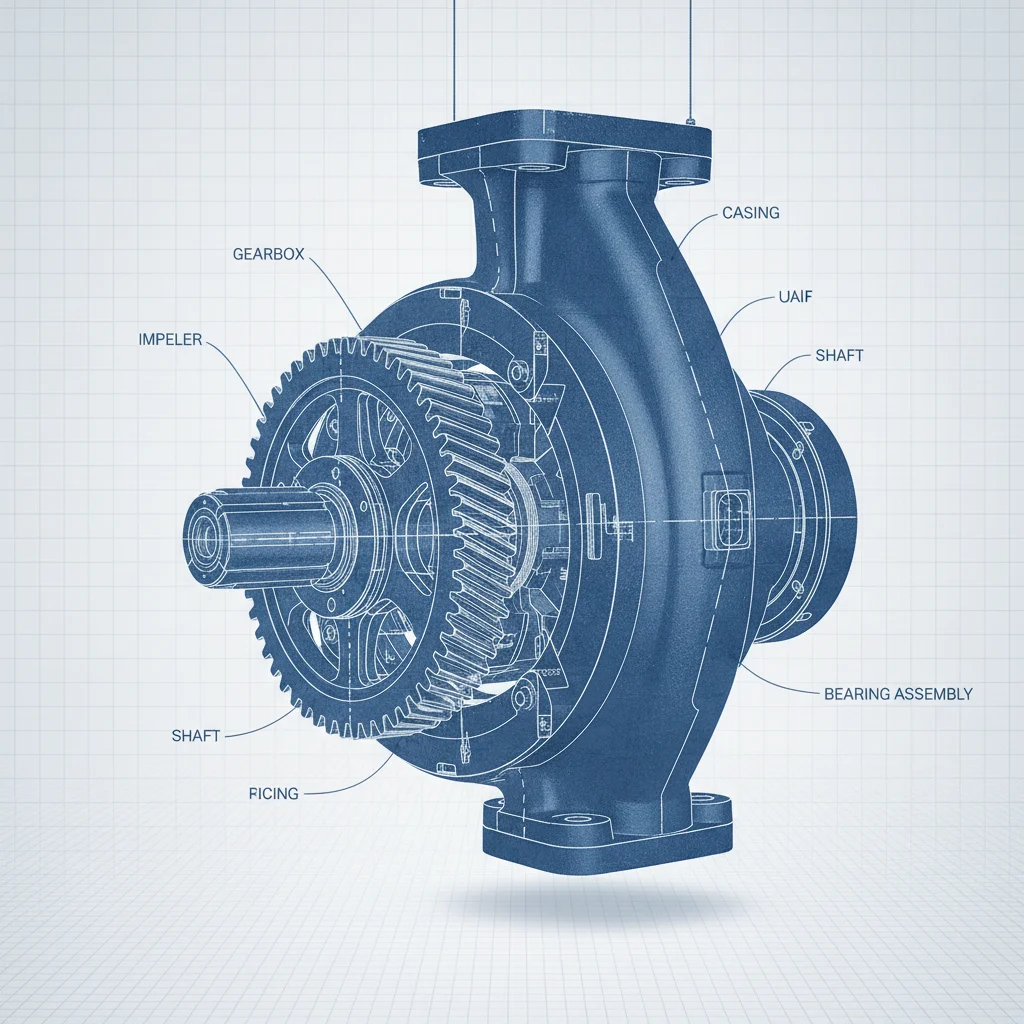
Several key factors determine the performance and reliability of a hydraulic slurry pump. Firstly, durability is paramount, with pumps often constructed from high-strength materials like hardened steel, ceramics, or specialized polymers to resist abrasion and corrosion. Secondly, hydraulic efficiency impacts overall energy consumption and operating costs; optimized hydraulic systems minimize losses and maximize the power delivered to the slurry.
Slurry composition is also a critical consideration. The size, shape, concentration, and abrasive nature of the solid particles significantly influence pump wear and performance. Flow rate and head pressure dictate the pump's capacity to move slurry over a specific distance and against a certain resistance. Finally, maintenance accessibility is crucial for reducing downtime and ensuring long-term operational efficiency.
Beyond these core components, the pump’s internal design – including the piston or diaphragm type and valve configuration – plays a significant role. Proper selection and regular inspection of wear parts are essential for maintaining optimal performance and preventing unexpected failures. The correct pump size and configuration are vital for matching the specific demands of the application.
Global Applications & Industry Use Cases
Hydraulic slurry pumps find widespread application across numerous industries globally. In the mining sector, they are essential for transporting tailings, processing ore slurries, and dewatering mines. The wastewater treatment industry utilizes them for handling sludge, grit, and other solid waste materials. In agriculture, they are employed for pumping manure, irrigation slurries, and transporting fertilizers.
Further afield, in construction, these pumps handle bentonite slurries used in tunneling and foundation work. In the oil and gas industry, they manage drilling muds and produced water. In post-disaster relief operations, portable hydraulic slurry pumps can be rapidly deployed to remove debris and manage contaminated water.
Regions with substantial mining activity, such as Australia, South America, and parts of Africa, are major consumers of hydraulic slurry pump technology. Emerging economies in Asia, undergoing rapid industrialization, also represent a significant growth market. Remote industrial zones and areas lacking robust infrastructure particularly benefit from the reliability and portability of these pumping solutions.
Comparison of Hydraulic Slurry Pump Methods
Advantages & Long-Term Value Proposition
The primary advantage of a hydraulic slurry pump lies in its ability to handle abrasive and highly concentrated slurries with minimal wear and tear. This translates to lower maintenance costs and reduced downtime compared to other pump types. The positive displacement action ensures consistent flow rates, even with varying slurry viscosities.
From a sustainability perspective, these pumps contribute to resource recovery by enabling efficient separation and processing of valuable materials from waste streams. They also promote safe and responsible waste management practices, minimizing environmental impact. The long-term value proposition extends to increased operational efficiency, reduced energy consumption, and a minimized carbon footprint.
Future Trends & Technological Innovations
Ongoing research and development efforts are focused on enhancing the efficiency, durability, and environmental performance of hydraulic slurry pumps. Innovations in materials science, such as the development of advanced ceramics and polymers, are leading to pumps with extended service lives and improved resistance to abrasion.
Digital transformation is also playing a significant role, with the integration of sensors and data analytics enabling predictive maintenance, remote monitoring, and optimized pump control. The adoption of automation technologies further enhances efficiency and reduces labor costs. A growing emphasis on green energy solutions is driving the development of hydraulic systems powered by renewable sources.
Challenges & Mitigation Strategies
Despite their advantages, hydraulic slurry pumps face certain challenges. High initial costs can be a barrier to adoption, particularly for smaller operations. Maintaining hydraulic systems requires specialized expertise, and potential leaks can pose environmental concerns. Pump selection must be carefully tailored to the specific slurry characteristics to avoid premature wear or failure.
Mitigation strategies include exploring cost-effective pump designs, investing in operator training, implementing robust leak detection and prevention systems, and conducting thorough slurry analysis to inform pump selection. Utilizing advanced modeling and simulation tools can optimize pump performance and minimize the risk of unexpected issues.
Proactive maintenance programs, including regular inspection and replacement of wear parts, are also essential for extending pump lifespan and ensuring reliable operation.
Summary of Hydraulic Slurry Pump Challenges & Solutions
| Challenge |
Impact on Operation |
Mitigation Strategy |
Cost of Implementation (1-10) |
| High Initial Cost |
Limited affordability for smaller companies |
Lease-to-own programs, phased implementation |
6 |
| Abrasive Slurry Wear |
Reduced pump lifespan, increased maintenance |
Utilize wear-resistant materials, optimize slurry flow |
7 |
| Hydraulic System Leaks |
Environmental contamination, system inefficiency |
Regular inspections, leak detection systems |
5 |
| Specialized Maintenance |
Need for trained personnel, increased labor costs |
Comprehensive training programs, remote diagnostics |
8 |
| Incorrect Pump Selection |
Inefficient operation, premature failure |
Thorough slurry analysis, expert consultation |
4 |
| Energy Consumption |
High operating costs, environmental impact |
Optimize hydraulic system, utilize variable speed drives |
6 |
FAQS
Centrifugal pumps are better suited for low-viscosity fluids with minimal solids, relying on impeller speed to generate flow. Hydraulic slurry pumps, however, utilize a positive displacement mechanism ideal for abrasive slurries with high solids concentrations. They offer consistent flow regardless of viscosity, superior abrasion resistance, and generally handle higher solid content without clogging, making them a more robust and reliable solution for challenging slurry applications.
Determining the correct size involves several factors. Primarily, analyze the slurry's composition (solids type, concentration, particle size), required flow rate, and total dynamic head (TDH). Consider factors like pipe length, elevation changes, and system pressure losses. Consulting with a pump specialist and providing detailed slurry characteristics will ensure optimal pump selection, preventing underperformance or premature wear.
The lifespan depends heavily on the slurry’s abrasiveness, the pump’s materials of construction, and the frequency/quality of maintenance. With proper maintenance – regular inspections, timely replacement of wear parts – a well-selected hydraulic slurry pump can operate reliably for 5-10 years or even longer. Highly abrasive slurries will naturally shorten lifespan, necessitating more frequent maintenance and component replacement.
Essential maintenance includes regular inspection of wear liners, pistons/diaphragms, seals, and hydraulic fluid levels. Monitoring for leaks, unusual noises, or performance degradation is critical. Scheduled lubrication, cleaning of strainers, and periodic hydraulic fluid analysis are also vital. Maintaining a detailed maintenance log and adhering to the manufacturer’s recommendations is highly recommended.
Compared to some other slurry handling methods, hydraulic slurry pumps can be highly energy-efficient, particularly when correctly sized and well-maintained. Their positive displacement action minimizes energy losses, and variable speed drives can optimize energy consumption based on demand. Modern designs also incorporate features to reduce hydraulic friction and improve overall efficiency.
Always adhere to the manufacturer’s safety guidelines. Ensure proper grounding to prevent electrical hazards. Implement lockout/tagout procedures during maintenance. Wear appropriate personal protective equipment (PPE), including eye protection, gloves, and respirators when handling slurries. Be aware of potential hydraulic fluid leaks and ensure adequate ventilation in enclosed spaces.
Conclusion
Hydraulic slurry pumps represent a cornerstone technology for industries grappling with abrasive and demanding slurry handling challenges. Their robust design, reliable performance, and adaptability to diverse applications make them invaluable assets in mining, wastewater treatment, construction, and beyond. By understanding the core principles, key components, and future trends shaping this field, businesses can optimize operations, reduce costs, and enhance sustainability.
Looking ahead, continued innovation in materials science, digital integration, and energy efficiency will further elevate the performance and value of hydraulic slurry pumps. Investing in these technologies and adopting proactive maintenance strategies will be crucial for ensuring long-term operational success and minimizing environmental impact. Visit our website at www.hihornpump.com to explore our range of hydraulic slurry pump solutions and discover how we can help optimize your slurry handling processes.