Understanding Hydraulic Slurry Pumps: A Comprehensive Guide
Hydraulic slurry pumps are essential components in various industries, handling abrasive and corrosive materials efficiently. These pumps utilize hydraulic power to move challenging slurries, offering significant advantages over traditional mechanical pumps. This article provides a detailed overview of hydraulic slurry pumps, including their applications, benefits, types, and considerations for choosing the right pump for your specific needs. Explore how HiHorn Pump delivers robust and reliable slurry pumping solutions. Understanding these pumps is crucial for optimizing operational efficiency and reducing maintenance costs.
What is a Hydraulic Slurry Pump?
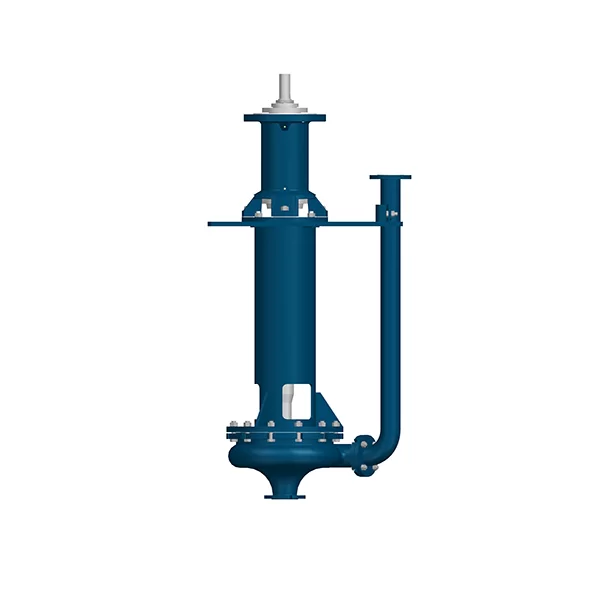
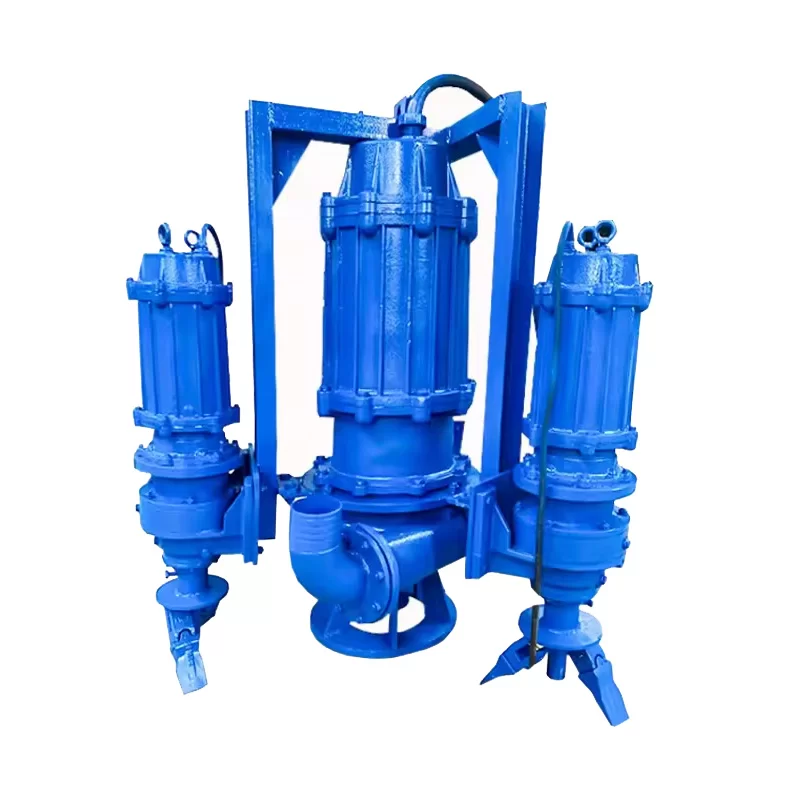
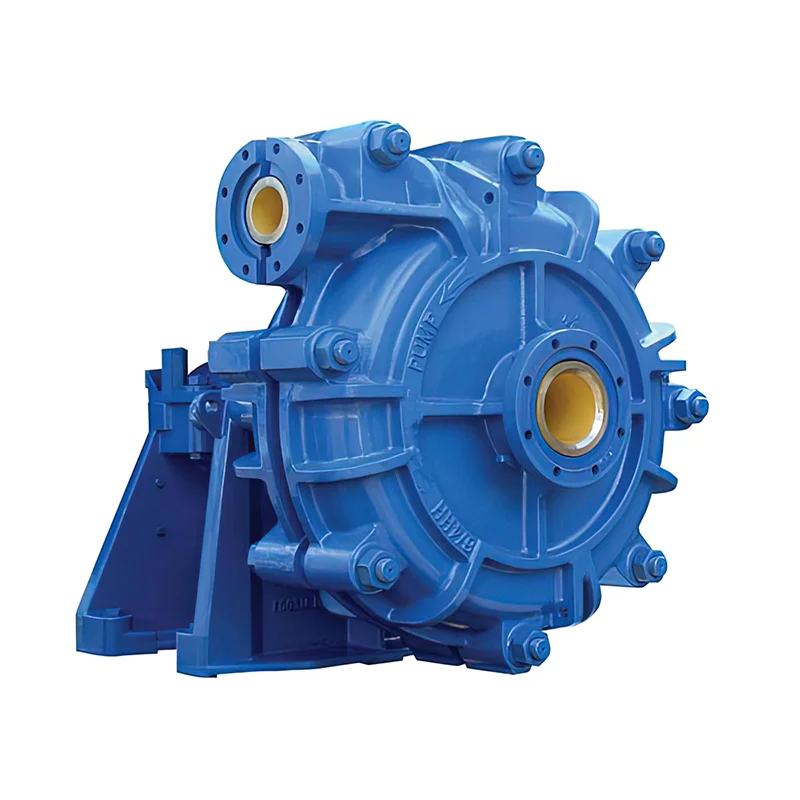
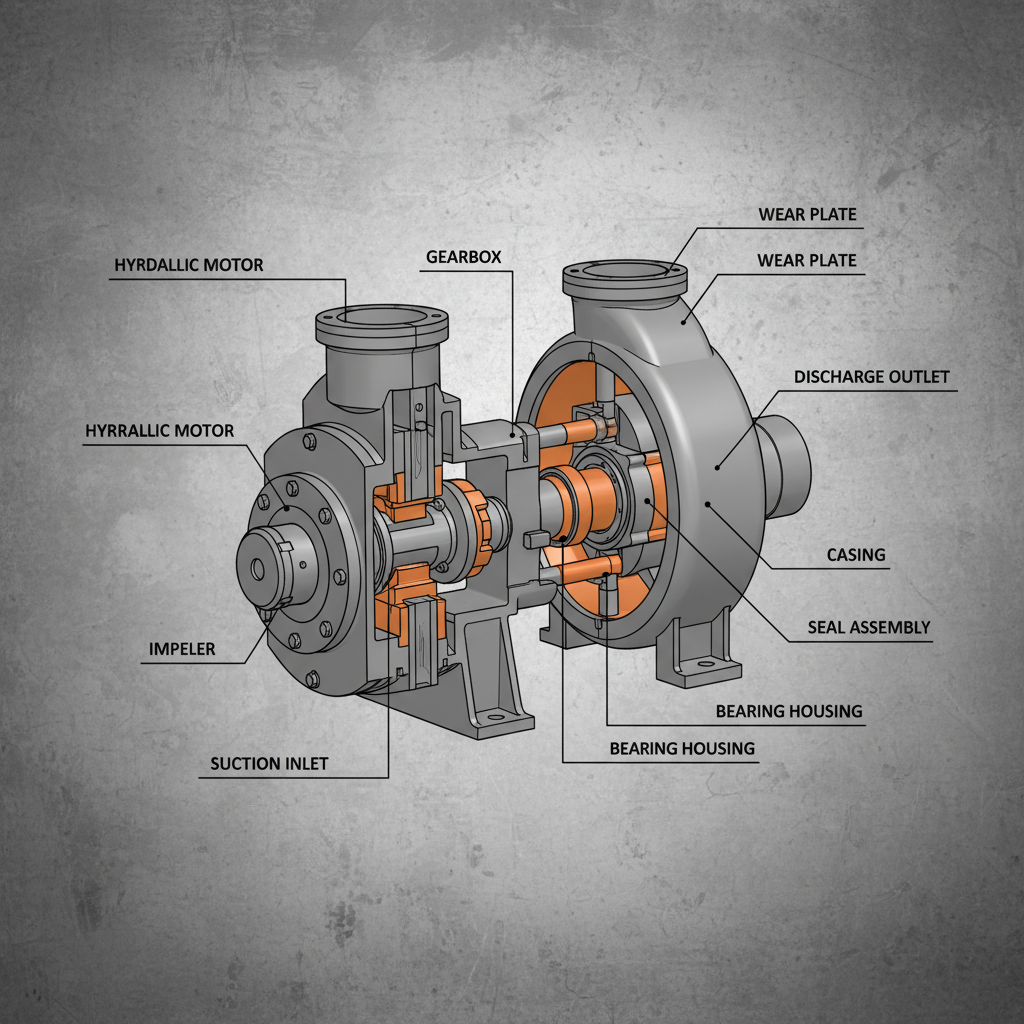
A hydraulic slurry pump uses hydraulic fluid to transmit power and move abrasive slurries. Unlike mechanical pumps with rotating impellers, hydraulic slurry pumps employ a piston or diaphragm mechanism. This design minimizes wear and tear from abrasive particles, making them ideal for handling materials like sand, gravel, mining tailings, and wastewater. The hydraulic system allows for precise control over flow rate and pressure, adapting to various application demands. HiHorn Pump's hydraulic slurry pumps are engineered for durability and performance in demanding environments.
Key Highlights: Hydraulic slurry pumps are known for their ability to handle highly abrasive slurries with minimal wear, offering a longer lifespan and reduced maintenance costs compared to conventional pumps.
Applications of Hydraulic Slurry Pumps
Hydraulic slurry pumps find wide application across numerous industries. In mining, they are used for transporting tailings, processing ore, and dewatering. The construction industry utilizes them for dredging, tunnel boring, and moving concrete slurry. Wastewater treatment plants rely on them to handle sludge and grit. Agriculture employs them for pumping manure and irrigation slurries. Furthermore, they are crucial in chemical processing, handling corrosive materials safely and effectively. HiHorn Pump offers tailored solutions for each of these applications.
Key Application Areas:
• Mining (Tailings, Ore Processing)
• Construction (Dredging, Tunnel Boring)
• Wastewater Treatment (Sludge Handling)
• Agriculture (Manure Pumping)
Types of Hydraulic Slurry Pumps
There are two primary types of hydraulic slurry pumps: piston diaphragm pumps and hydraulic diaphragm pumps. Piston diaphragm pumps utilize a reciprocating piston to pressurize the hydraulic fluid, which in turn actuates a diaphragm to create pumping action. Hydraulic diaphragm pumps use a separate hydraulic power unit to drive the diaphragm. Each type has its advantages. Piston diaphragm pumps are suitable for high-pressure applications and variable flow rates, while hydraulic diaphragm pumps offer greater efficiency and quieter operation. HiHorn Pump provides both types to cater to diverse customer requirements.
Key Considerations When Selecting a Hydraulic Slurry Pump
Choosing the right hydraulic slurry pump requires careful consideration of several factors. The slurry's composition (particle size, abrasiveness, corrosiveness), flow rate, pressure requirements, and operating environment are all critical. Material selection is paramount – the pump's wetted parts must be resistant to the slurry's chemical properties. Also, consider the pump's maintenance requirements and the availability of spare parts. HiHorn Pump's team of experts can assist you in selecting the optimal pump for your specific application.
Conclusion: Investing in Reliable Slurry Pumping Solutions
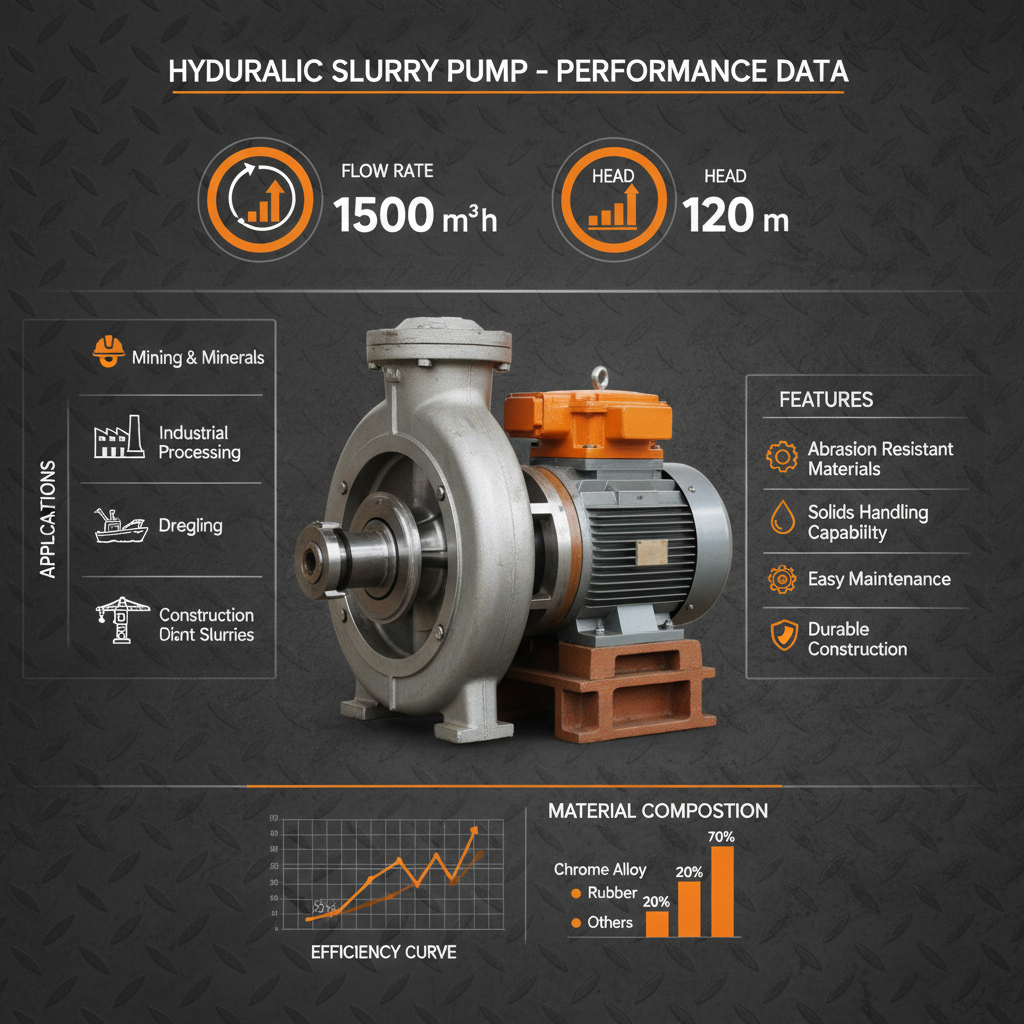
Choosing the right hydraulic slurry pump is a vital investment for optimizing operational efficiency, reducing downtime, and ensuring long-term reliability.
HiHorn Pump delivers high-quality, durable, and customizable hydraulic slurry pump solutions tailored to meet your specific needs. Contact us today to learn more about how we can help you achieve your pumping goals.
Frequently Asked Questions (FAQs)
What are the benefits of using a hydraulic slurry pump over a centrifugal pump?
Hydraulic slurry pumps excel in handling abrasive slurries where centrifugal pumps often struggle. Centrifugal pumps are susceptible to wear from solid particles, leading to reduced efficiency and frequent repairs. Hydraulic slurry pumps, with their piston or diaphragm mechanisms, minimize abrasive wear and can handle higher solid concentrations. Furthermore, hydraulic pumps offer better control over flow rate and pressure, making them suitable for varying application demands. They also tend to be more energy efficient in applications with high heads and lower flow rates.
What maintenance is typically required for a hydraulic slurry pump?
Regular maintenance for a hydraulic slurry pump includes checking the hydraulic fluid level and quality, inspecting the diaphragms and seals for wear, and lubricating moving parts. Periodic inspection of the pump casing for corrosion or erosion is also crucial. Filter replacement and hydraulic hose checks are essential for maintaining optimal performance. Following the manufacturer's recommended maintenance schedule will help prolong the pump's lifespan and prevent costly downtime. HiHorn Pump provides comprehensive maintenance support and readily available spare parts.
Can hydraulic slurry pumps handle corrosive materials?
Yes, hydraulic slurry pumps can be designed to handle corrosive materials by selecting appropriate materials for the wetted parts. Options include stainless steel, alloy steels, and specialized polymers. The choice of material depends on the specific corrosive properties of the slurry. HiHorn Pump offers pumps constructed from a variety of corrosion-resistant materials to suit diverse chemical applications.