Understanding Sand Slurry Pumps: A Comprehensive Guide
Sand slurry pumps are vital components in various industries dealing with abrasive materials. From dredging and mining to wastewater treatment and agriculture, these pumps efficiently transport mixtures of water and solid particles. Choosing the right sand slurry pump is crucial for operational efficiency and longevity. This article provides a detailed overview of sand slurry pumps, their applications, types, key considerations for selection, and maintenance tips. We will explore how HiHorn Pump delivers robust and reliable solutions for your slurry handling needs.
What is a Sand Slurry Pump?
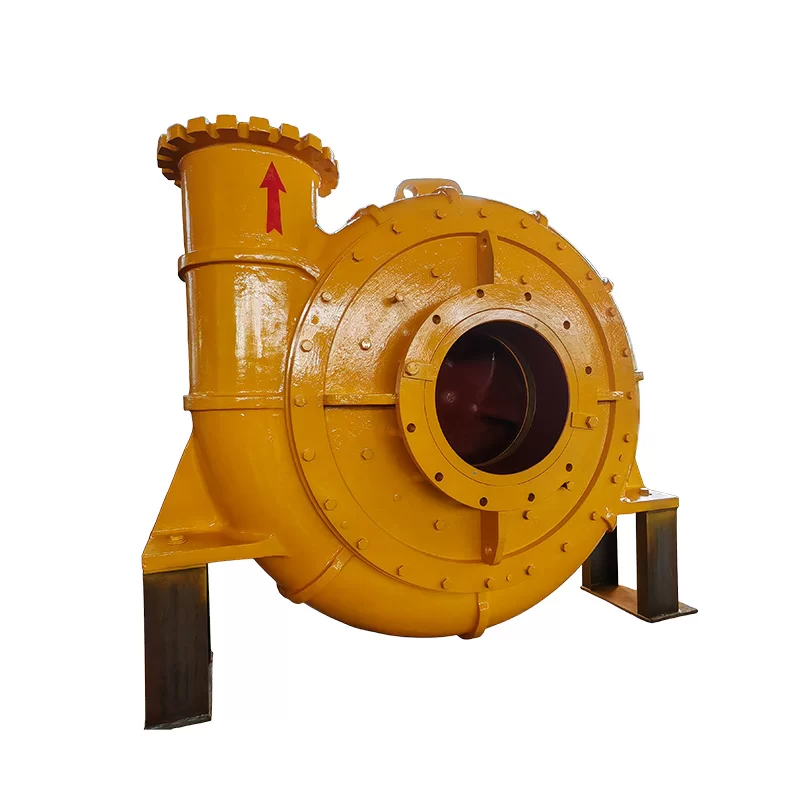
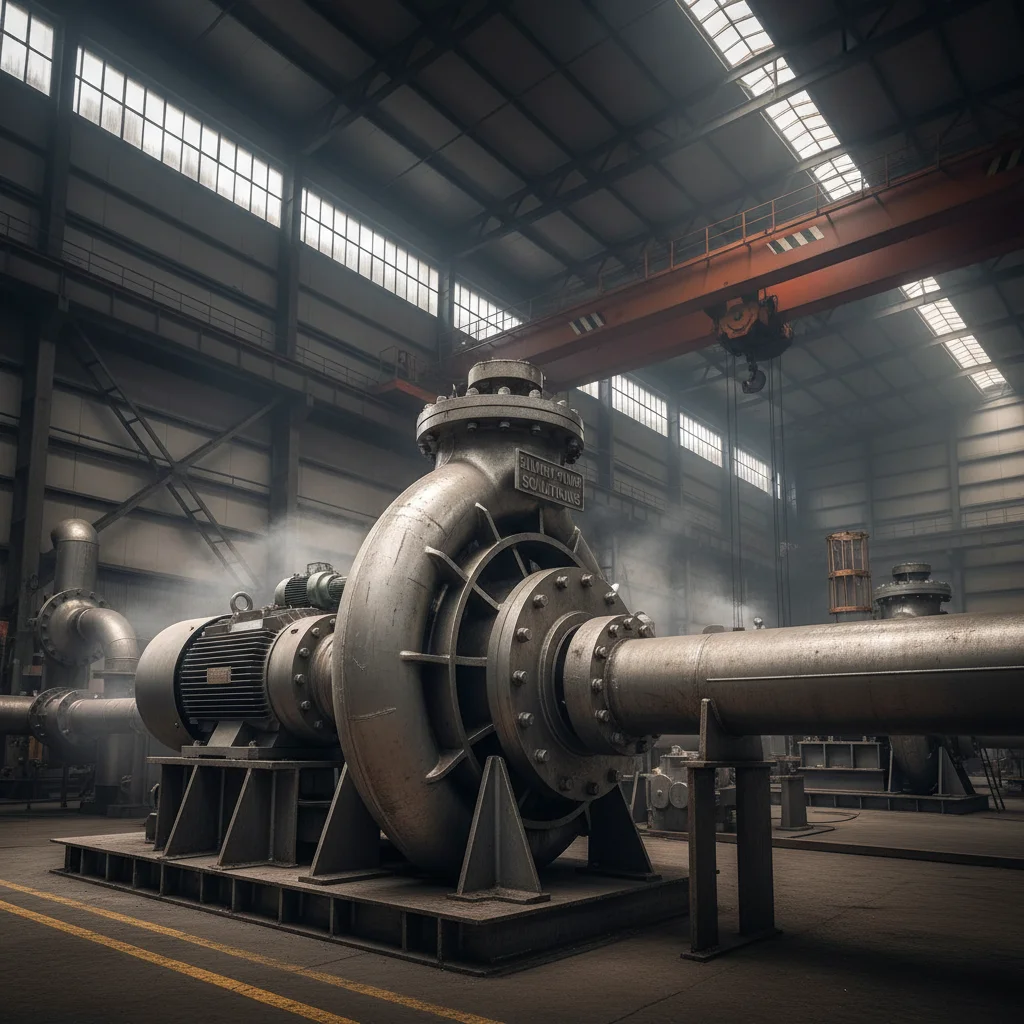
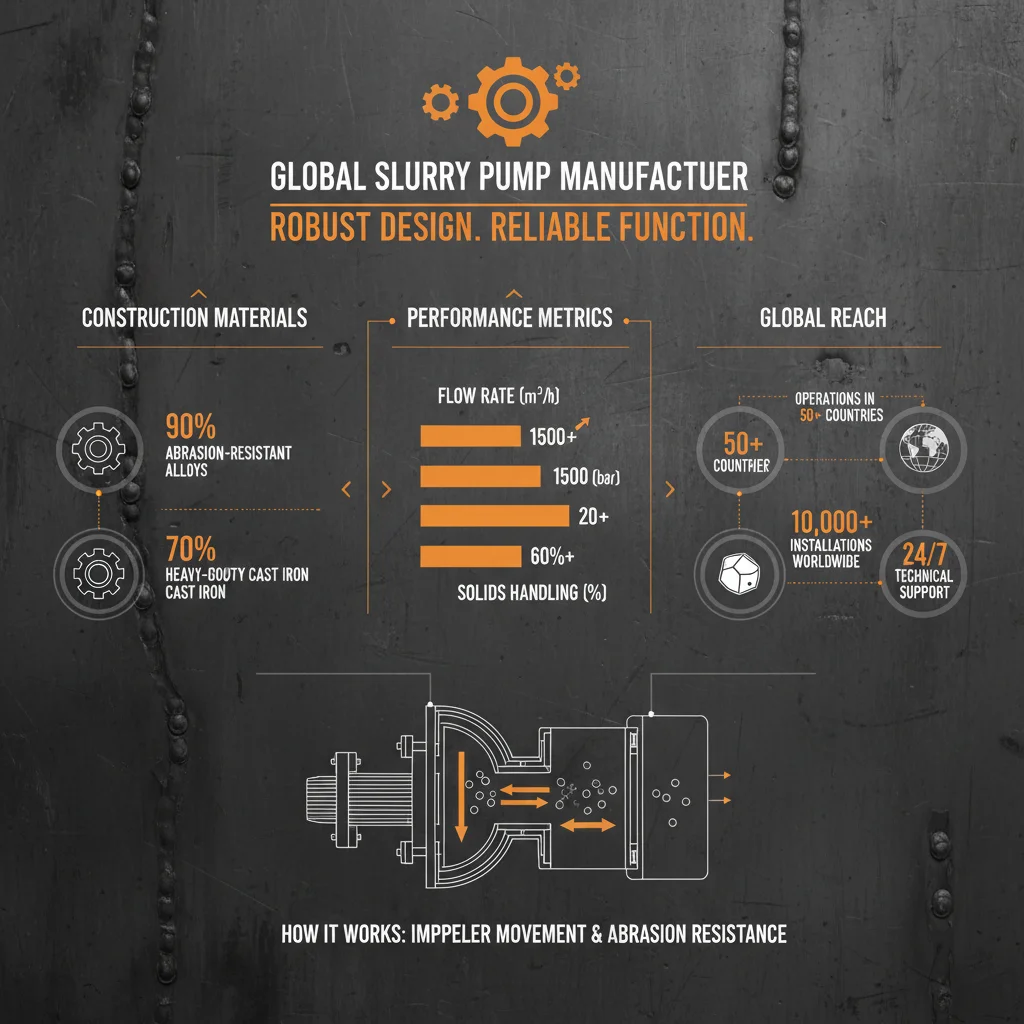
A sand slurry pump is specifically designed to handle a mixture of solids (sand, gravel, sediment) and liquids (typically water). Unlike standard pumps which are easily damaged by abrasive particles, slurry pumps incorporate features like hardened impellers, wear-resistant liners, and robust construction to withstand constant exposure to abrasive materials. These pumps are engineered to minimize wear and maintain pumping efficiency over extended periods. The ability to handle varying concentrations of solids is a key characteristic, making them versatile for diverse applications. HiHorn Pump specializes in developing slurry pumps that excel in these challenging environments.
Key Features: Hardened impellers, wear-resistant liners, robust construction, capability to handle high solid concentrations.
Types of Sand Slurry Pumps
Several types of sand slurry pumps cater to different application needs. The most common include:
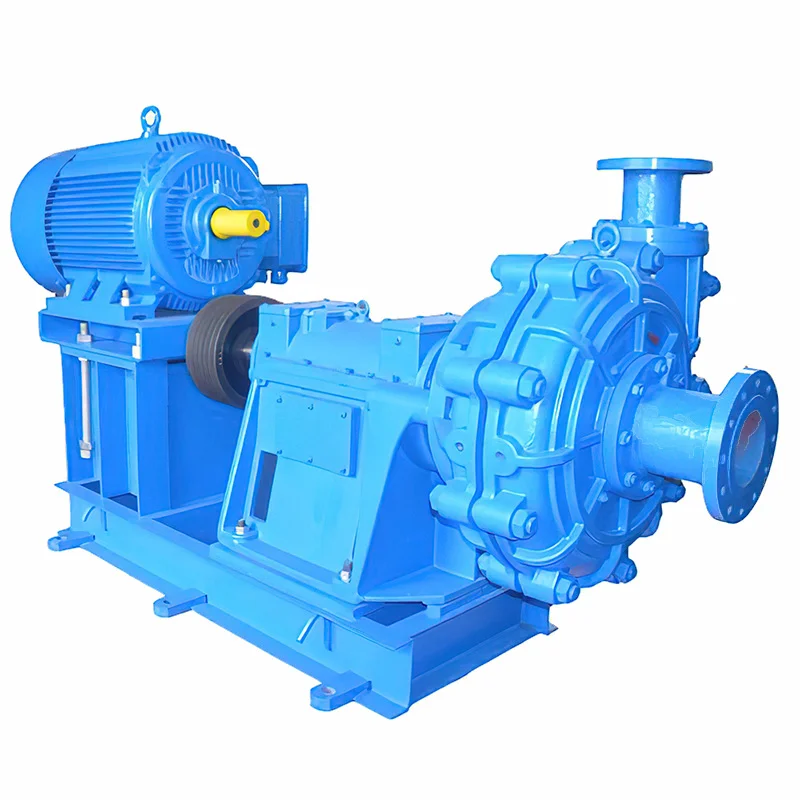
- Centrifugal Slurry Pumps: These are the most widely used type, offering a balance of efficiency and cost-effectiveness. They are suitable for applications with moderate solid concentrations.
- Positive Displacement Slurry Pumps: Ideal for high-viscosity slurries and applications requiring precise flow control. They are often used where a consistent flow rate is critical.
- Diaphragm Slurry Pumps: These pumps are self-priming and can handle highly abrasive slurries. They are often used in applications where leakage is a concern.
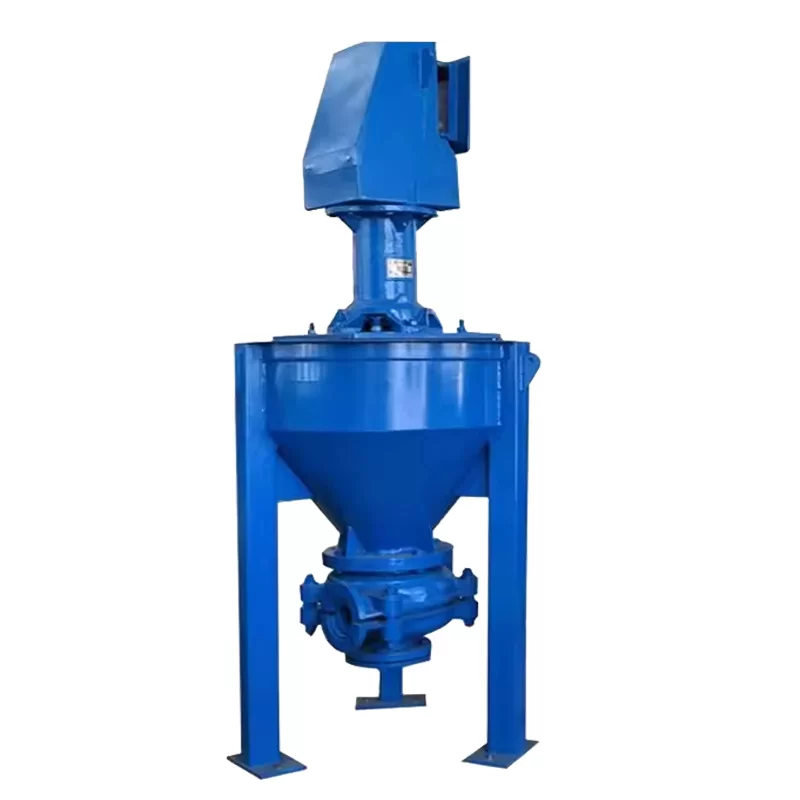
- Vertical Slurry Pumps: Designed for applications where space is limited, such as sump pumping.
Selecting the right type depends on factors like the size and concentration of solids, the required flow rate, and the characteristics of the slurry.
Pump Type Comparison:
• Centrifugal: Moderate solids, cost-effective, high flow rates.
• Positive Displacement: High viscosity, precise flow control.
• Diaphragm: Highly abrasive, self-priming, leak-proof.
• Vertical: Space-limited applications, sump pumping.
Key Considerations When Choosing a Sand Slurry Pump
Choosing the correct sand slurry pump requires careful consideration of several factors. These include:
- Slurry Composition: The size, shape, and concentration of solids in the slurry.
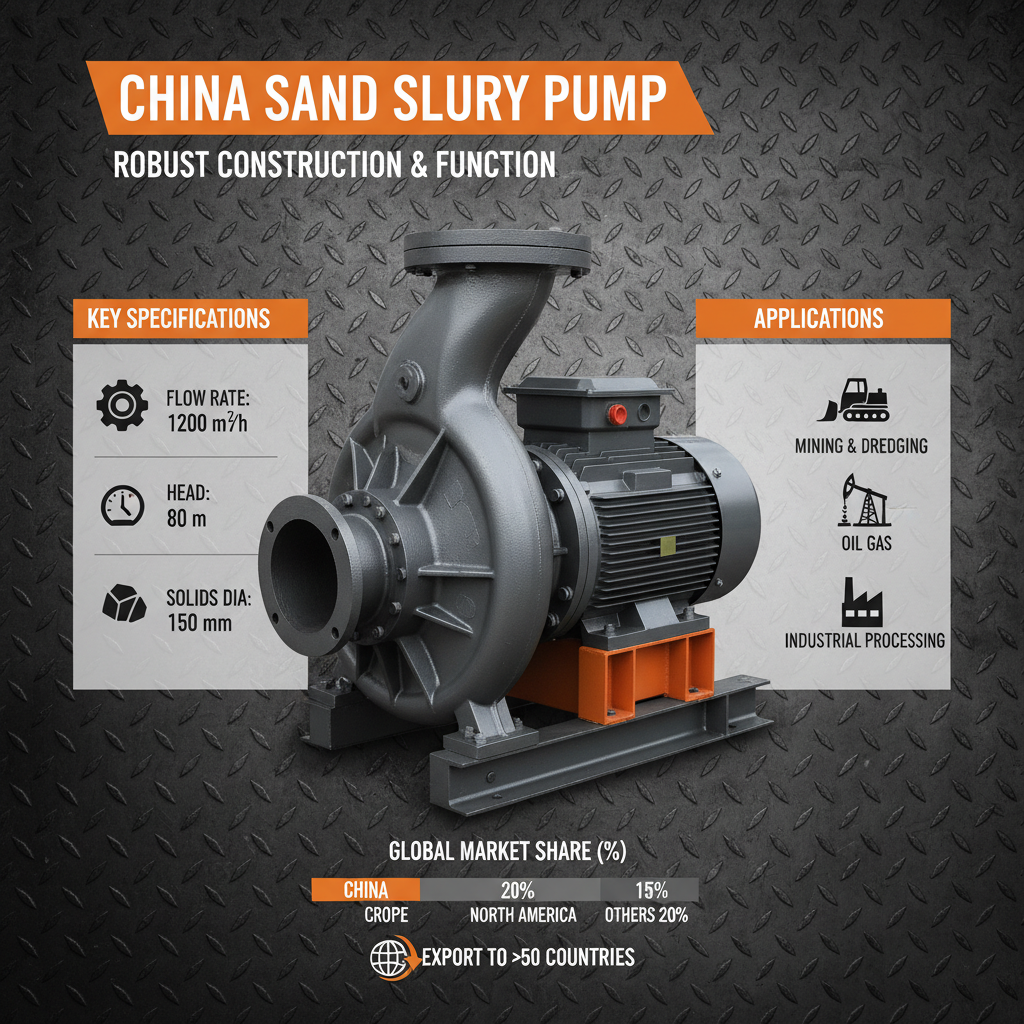
- Flow Rate and Head: The required volume of slurry to be pumped and the height to which it needs to be lifted.
- Abrasion Resistance: The level of abrasion posed by the solids. Harder materials require pumps with more wear-resistant components.
- Operating Temperature: The temperature of the slurry.
- Pump Material: Selecting materials compatible with the slurry to prevent corrosion and wear.
HiHorn Pump offers expert consultation to help you select the optimal pump for your specific needs.
Applications of Sand Slurry Pumps
Sand slurry pumps are utilized across a wide range of industries, including:
- Mining: Transporting ore slurries in mineral processing plants.
- Dredging: Removing sediment and debris from waterways.
- Wastewater Treatment: Handling sludge and grit in treatment facilities.
- Agriculture: Pumping irrigation water with high sediment content.
- Chemical Processing: Moving abrasive chemicals in slurry form.
The versatility and reliability of HiHorn slurry pumps make them a preferred choice for these applications.
Maintenance Tips for Sand Slurry Pumps
Regular maintenance is critical for maximizing the lifespan and efficiency of sand slurry pumps. Key maintenance tasks include:
- Regular Inspections: Check for wear and tear on impellers, liners, and seals.
- Lubrication: Follow the manufacturer’s recommendations for lubrication schedules.
- Monitoring Performance: Track flow rates and pressure to identify potential issues.
- Prompt Repairs: Address any issues immediately to prevent further damage.
HiHorn Pump provides comprehensive maintenance support and genuine spare parts to ensure optimal pump performance.
Conclusion: Selecting the Right Sand Slurry Pump
Choosing the right sand slurry pump is an investment in operational efficiency and longevity. By carefully considering your application requirements and selecting a pump from a reputable manufacturer like HiHorn Pump, you can ensure reliable performance and minimize downtime. We are dedicated to providing high-quality pumps and exceptional customer service.
Frequently Asked Questions (FAQs)
What is the typical lifespan of a sand slurry pump?
The lifespan of a sand slurry pump varies depending on the abrasiveness of the slurry, the operating conditions, and the quality of maintenance. Generally, with proper maintenance, a well-built slurry pump can last between 5 to 10 years. However, components like impellers and liners will require periodic replacement due to wear. Regularly scheduled inspections and proactive maintenance are crucial for maximizing the pump's lifespan. HiHorn Pump offers robust pumps designed for extended service life in demanding applications.
How often should I replace the impeller in a sand slurry pump?
The frequency of impeller replacement depends heavily on the abrasiveness of the slurry being pumped. For highly abrasive slurries, impellers may need to be replaced every 6-12 months. For less abrasive slurries, the lifespan can be extended to 2-3 years. Regularly inspect the impeller for signs of wear, such as erosion, pitting, or cracking. A noticeable decrease in pump performance is also an indicator that impeller replacement is necessary. Using high-quality, wear-resistant impellers from HiHorn Pump can significantly extend their service life.
What are the common causes of failure in sand slurry pumps?
Common causes of failure include abrasive wear of pump components (impellers, liners, casings), seal failure leading to leakage, cavitation due to insufficient suction head, and bearing failure due to inadequate lubrication. Regular inspections, proper maintenance, and selecting the correct pump for the application are essential for preventing these failures. Utilizing high-quality materials and following the manufacturer's recommendations for operation and maintenance are also crucial. HiHorn Pump's durable designs and comprehensive support minimize the risk of failure.
How do I prevent cavitation in my sand slurry pump?
Cavitation occurs when vapor bubbles form in the pump due to low pressure, then collapse violently, causing damage. To prevent it, ensure adequate suction head (the vertical distance between the pump and the slurry source), avoid obstructions in the suction line, and maintain a consistent slurry flow. Properly sized pumps and pipelines are also critical. If the slurry contains gas, degassing may be necessary. HiHorn Pump can help you select a pump and system configuration to minimize the risk of cavitation.