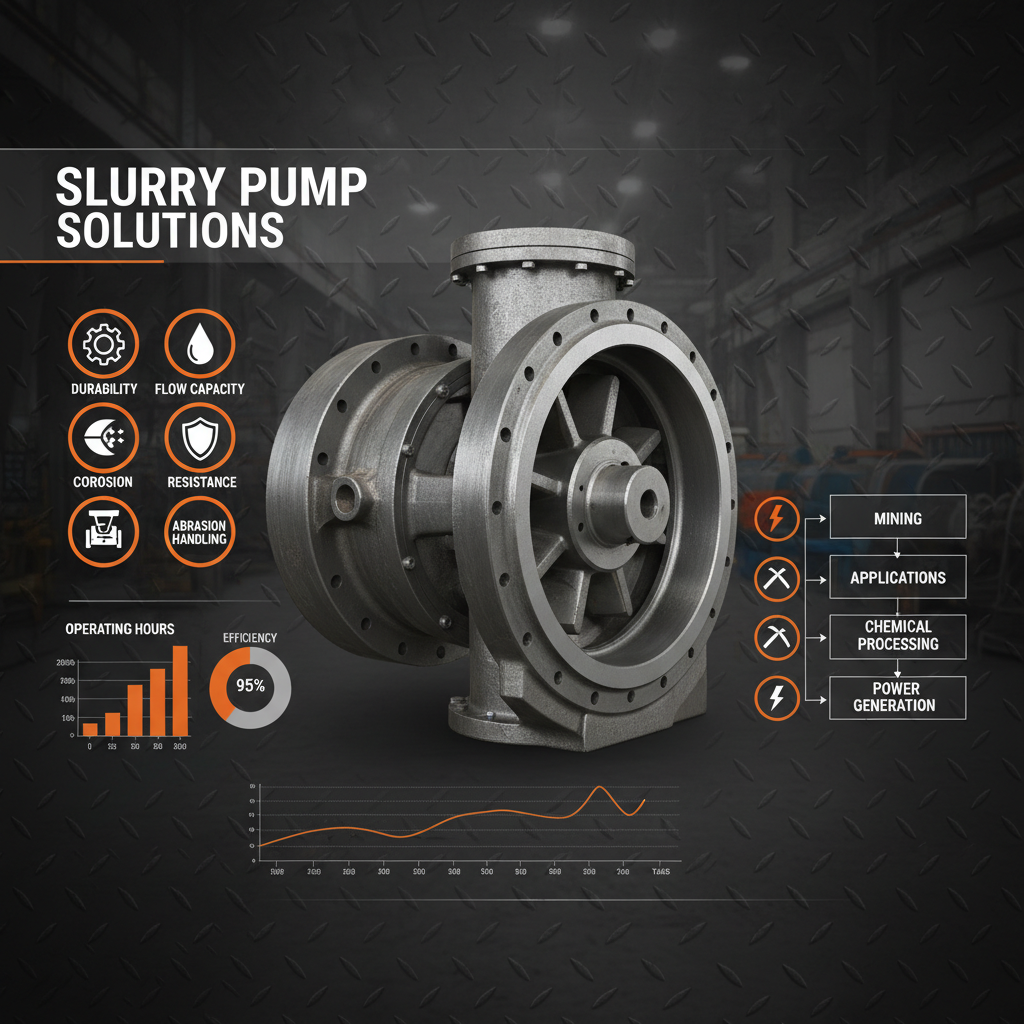
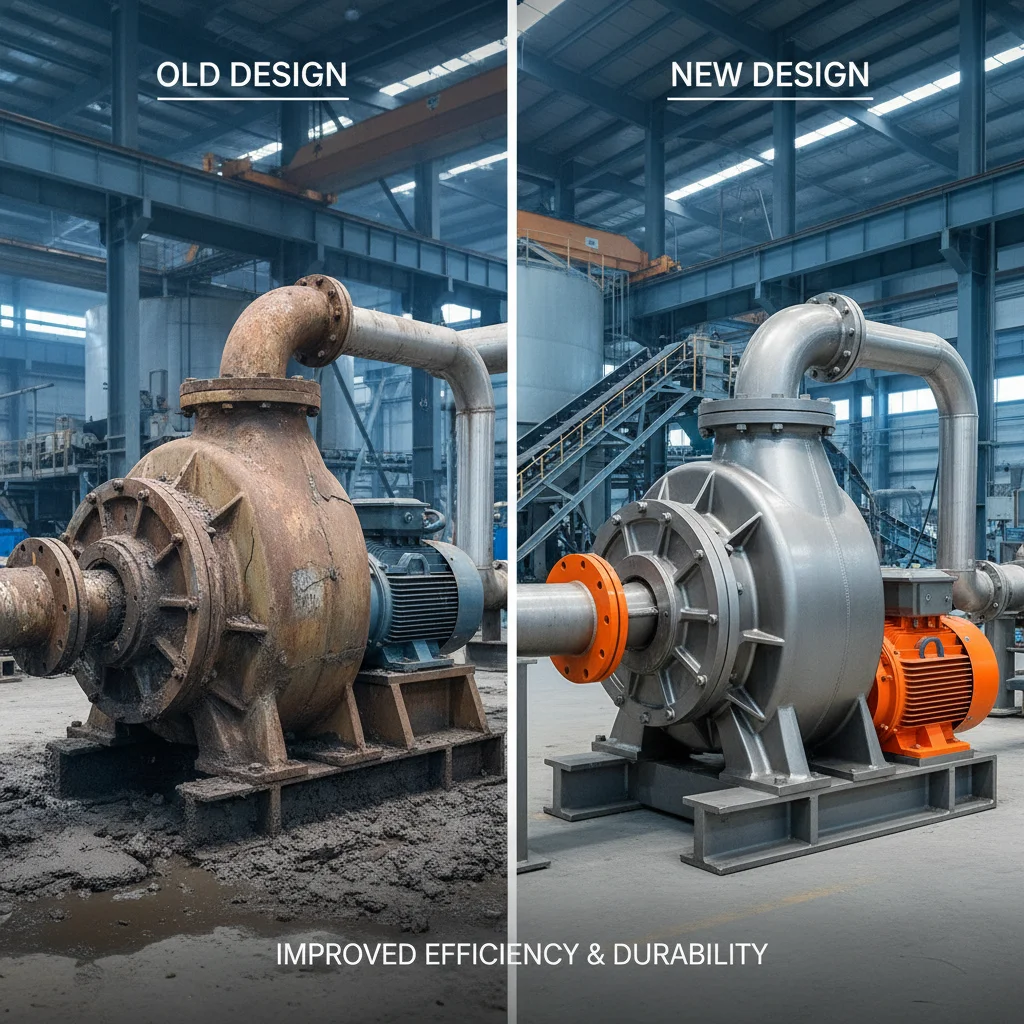
Slurry pump solutions are critical components in numerous industries, ranging from mining and wastewater treatment to agriculture and chemical processing. They are engineered to efficiently transport abrasive and highly concentrated mixtures of liquids and solids – slurries – that conventional pumps simply cannot handle. The global demand for robust and reliable slurry pump solutions is steadily increasing, driven by infrastructure development, resource extraction, and stricter environmental regulations. Understanding these solutions, their applications, and the latest advancements is paramount for optimizing operational efficiency, minimizing downtime, and ensuring long-term sustainability.
The escalating challenges posed by increasingly abrasive and corrosive slurries necessitate constant innovation in pump design and materials. This includes advancements in impeller geometry, sealing technology, and wear-resistant coatings. Furthermore, the growing emphasis on remote monitoring and predictive maintenance is driving the integration of smart sensors and data analytics into slurry pump systems. A comprehensive approach to slurry pump solutions considers not only the pump itself but also the entire system – piping, valves, and control mechanisms – to maximize performance and minimize total cost of ownership.
Ultimately, effective slurry pump solutions contribute directly to productivity gains, reduced operational expenses, and improved environmental performance across a wide spectrum of industries. Choosing the right pump for a specific application is crucial, and that’s where expertise and a deep understanding of slurry characteristics become invaluable. slurry pump solutions are at the forefront of addressing these complex challenges.
Introduction to Slurry Pump Solutions
Slurry pump solutions are engineered to tackle the unique challenges of handling abrasive and corrosive fluids. These pumps differ significantly from standard centrifugal pumps, utilizing robust designs and specialized materials to withstand the wear and tear associated with solid particle suspension. The effective deployment of slurry pump solutions impacts process efficiency and operational longevity.
The need for reliable slurry handling arises in diverse sectors, including mining, where ore slurries are transported, wastewater treatment facilities, and even the food and beverage industry where viscous products require pumping. A properly selected slurry pump extends equipment life, reduces maintenance costs, and ensures continuous operation. slurry pump solutions offer a range of options tailored to these specific needs.
Defining Slurry Pump Solutions
Slurry pump solutions encompass more than just the pump itself; it's a holistic approach to moving abrasive mixtures. It includes understanding the slurry’s properties – particle size, concentration, and corrosivity – and selecting a pump designed to handle these characteristics effectively. These solutions prioritize minimizing wear, maximizing efficiency, and ensuring reliable operation within a specific process.
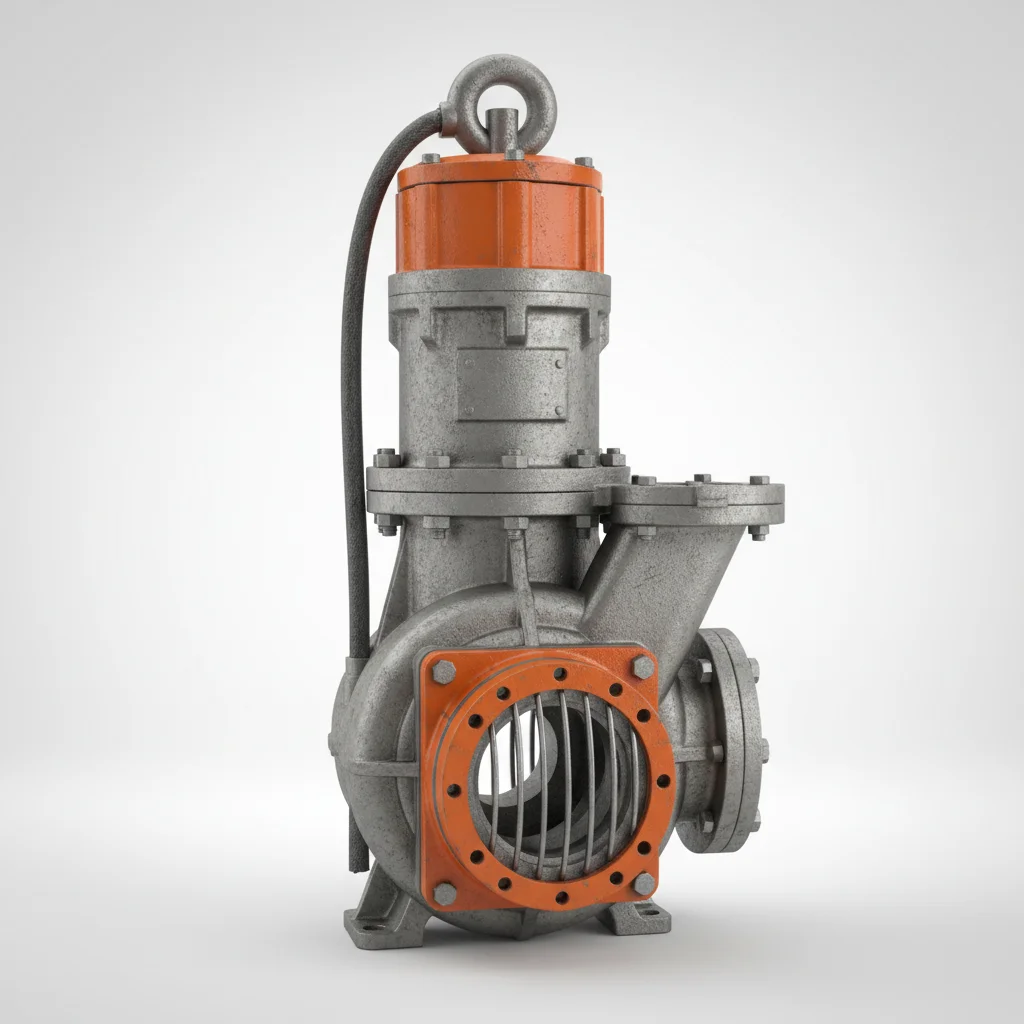
Unlike pumps designed for clean fluids, slurry pumps feature heavier construction, specialized impeller designs, and often utilize wear-resistant materials like high-chrome alloys or rubber linings. The selection process often involves considering flow rate, head requirements, and the specific composition of the slurry.
Slurry pump solutions are essential for modern industry and have significant humanitarian applications. For example, in disaster relief, these pumps can be used to rapidly dewater flooded areas containing debris. Investing in optimal slurry handling systems translates to cost savings and operational resilience.
Core Components of Effective Slurry Pump Solutions
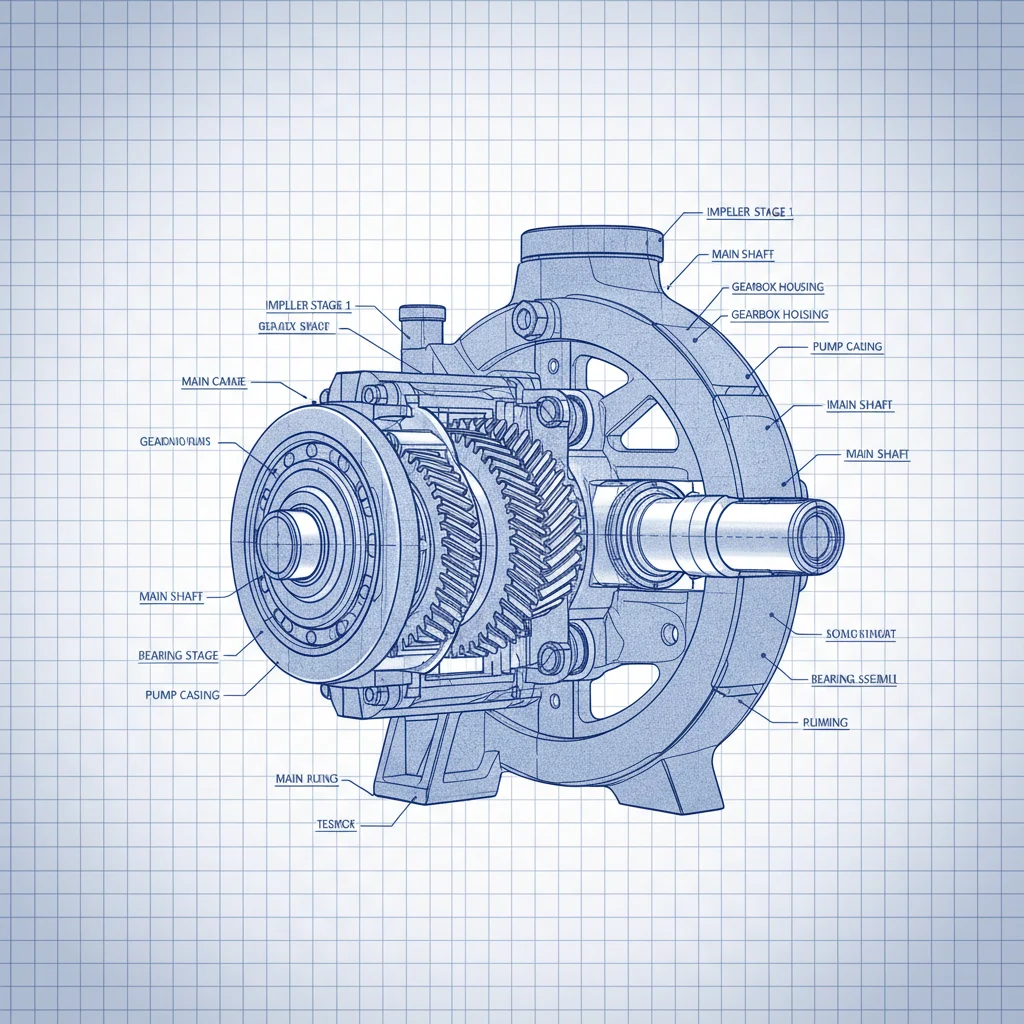
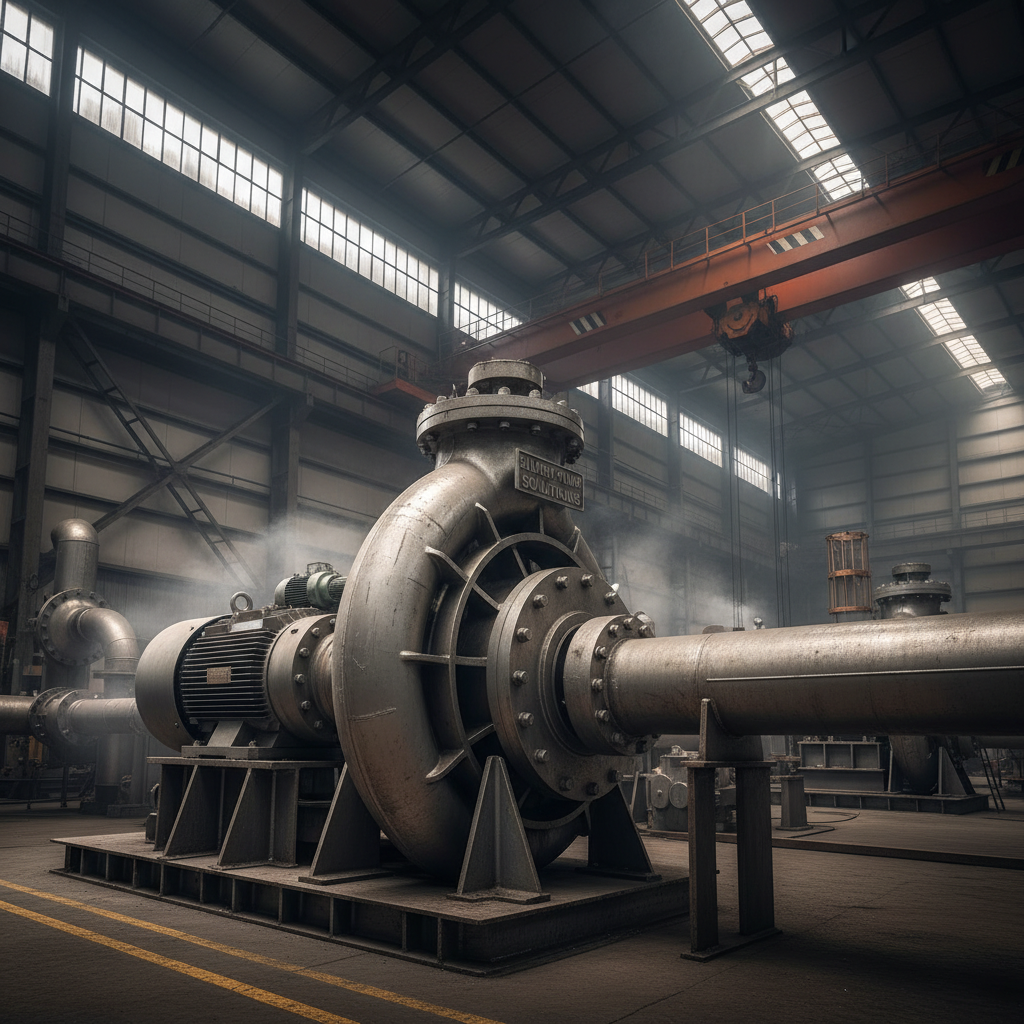
A robust slurry pump solution relies on several key components working in harmony. First, the impeller, typically designed with open or semi-open configurations, efficiently moves the slurry without clogging. Second, the pump casing, constructed from durable materials, protects internal components and withstands high pressures.
Third, the sealing system prevents leakage and contamination, using mechanical seals or packing glands tailored to the slurry's properties. Fourth, the drive system—motor and coupling—provides the necessary power for operation. Finally, the piping system and supporting structures ensure efficient slurry transfer and stability.
The synergy of these components, coupled with careful material selection, defines a truly effective slurry pump solution. Selecting the right combination necessitates a thorough understanding of the application's specific requirements and potential challenges.
Key Factors Influencing Slurry Pump Performance
Several factors significantly impact the performance and longevity of slurry pump solutions. Abrasion is a primary concern, as solid particles erode pump components over time. Corrosion, caused by the chemical composition of the slurry, can also degrade materials and reduce efficiency.
Flow rate and head pressure are crucial parameters that determine the pump's ability to move the slurry effectively. Slurry viscosity influences pump efficiency and power requirements, demanding careful consideration during pump selection.
Slurry Pump Solutions Performance Factors
Global Applications and Industry Use Cases
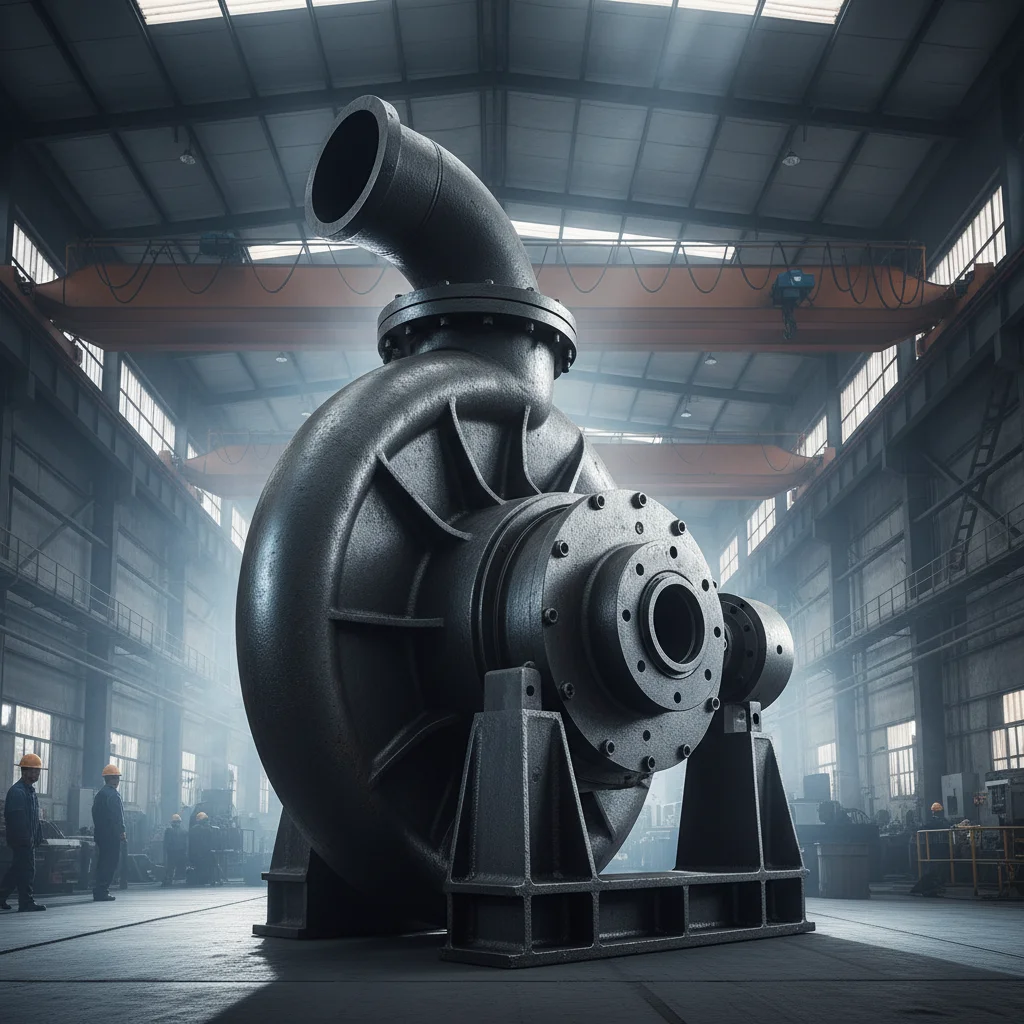
Slurry pump solutions are integral to the mining industry, facilitating the transportation of ore slurries from the extraction site to processing plants. In the oil and gas sector, they handle drilling muds and produced water, ensuring efficient operations and environmental compliance.
Wastewater treatment plants rely heavily on slurry pumps to manage sludge and other solid-laden waste streams. The chemical processing industry utilizes these pumps to transfer abrasive chemicals and reactants. In remote industrial zones, where access to maintenance is limited, the reliability of slurry pump solutions is particularly critical.
In post-disaster relief operations, slurry pumps are deployed to quickly remove debris and sediment from flooded areas, aiding in rescue efforts and restoring infrastructure. slurry pump solutions are employed globally to tackle these diverse challenges.
Advantages and Long-Term Value
Investing in high-quality slurry pump solutions yields significant long-term benefits. Cost savings are realized through reduced maintenance, lower energy consumption, and minimized downtime. Sustainability is enhanced by extending equipment life and reducing the need for frequent replacements.
Improved safety is another key advantage, as reliable pumps minimize the risk of leaks, spills, and process disruptions. The use of advanced materials and designs increases operational efficiency and boosts overall productivity. The trust and reliability provided by a dependable slurry pump system are invaluable assets.
Future Trends and Innovations
The future of slurry pump solutions is marked by exciting innovations. Smart pumps, equipped with sensors and data analytics, enable predictive maintenance and optimize performance. The development of new wear-resistant materials, like advanced ceramics and composites, extends pump life and reduces maintenance requirements.
Integration with digital twins allows for virtual testing and optimization of pump systems before deployment. Sustainable design principles, focusing on energy efficiency and reduced environmental impact, are gaining prominence. The adoption of automation and remote monitoring systems further enhances operational efficiency and reduces labor costs.
These trends are driving the evolution of slurry pump solutions towards greater reliability, efficiency, and sustainability. The integration of green energy sources into pump operations also presents opportunities for reducing carbon footprints.
Challenges and Solutions
Despite advancements, several challenges remain in the field of slurry pump solutions. Clogging, caused by large particles or changes in slurry composition, is a common issue. Wear and tear, particularly in highly abrasive environments, continue to pose a significant challenge. Maintaining optimal pump efficiency across varying flow rates and slurry concentrations can also be complex.
Table Summarizing Key Challenges and Solutions in Slurry Pump Applications
| Challenge |
Solution Approach |
Implementation Details |
Expected Outcome |
| Abrasive Wear |
Advanced Materials |
Using high-chrome alloys or ceramic linings. |
Extended pump life and reduced maintenance. |
| Clogging |
Impeller Design Optimization |
Implementing open or semi-open impeller configurations. |
Reduced blockages and improved flow rate. |
| Corrosion |
Corrosion-Resistant Coatings |
Applying epoxy or rubber coatings to pump components. |
Protection against chemical attack and increased lifespan. |
| Inefficient Operation |
Variable Frequency Drives (VFDs) |
Adjusting pump speed to match flow rate demands. |
Reduced energy consumption and optimized performance. |
| Seal Failure |
Advanced Sealing Systems |
Utilizing mechanical seals with advanced materials and designs. |
Minimized leakage and improved reliability. |
| Lack of Monitoring |
Remote Monitoring Systems |
Integrating sensors and data analytics for real-time performance tracking. |
Predictive maintenance and optimized operational efficiency. |
FAQS
Centrifugal pumps are designed for clean, low-viscosity fluids, while slurry pumps are specifically engineered to handle abrasive and highly concentrated mixtures of liquids and solids. Slurry pumps feature heavier construction, specialized impeller designs, and wear-resistant materials to withstand the erosive forces of solid particles. The internal geometry and materials are optimized for handling slurries without clogging or excessive wear.
Selecting the correct slurry pump requires careful consideration of several factors. These include the slurry's particle size, concentration, abrasiveness, and chemical composition. Flow rate and head requirements must also be accurately determined. Understanding the pump’s operating environment and any specific regulatory requirements is crucial for making an informed decision. Consulting with a slurry pump specialist is highly recommended.
The primary causes of wear in slurry pumps include abrasion, corrosion, and erosion. Abrasion occurs when solid particles impact and erode pump components. Corrosion results from the chemical reactivity of the slurry with pump materials. Erosion is a combined effect of abrasion and corrosion. Selecting appropriate materials, such as high-chrome alloys or rubber linings, can mitigate these effects.
Implementing a proactive maintenance program is key to minimizing downtime. Regularly inspect pump components for wear and tear, lubricate bearings, and replace worn parts promptly. Utilizing advanced monitoring systems can help predict potential failures before they occur. Proper training for maintenance personnel is also essential for ensuring effective upkeep.
Recent advancements include the integration of smart sensors for real-time performance monitoring, the development of new wear-resistant materials, and the adoption of variable frequency drives (VFDs) for energy efficiency. Remote monitoring systems and digital twin technology are also gaining traction, enabling predictive maintenance and optimized operations. These innovations are aimed at improving reliability, reducing costs, and extending pump lifespan.
Yes, environmental considerations are increasingly important. Selecting energy-efficient pumps, minimizing leakage, and ensuring proper disposal of worn parts are all crucial. Choosing pumps that meet relevant environmental regulations and standards helps reduce the overall environmental impact. Exploring sustainable materials and designs can further enhance environmental performance.
Conclusion
Slurry pump solutions are foundational to many critical industries, enabling the safe and efficient transportation of abrasive materials. Understanding the core components, key performance factors, and emerging trends is essential for maximizing operational efficiency, reducing costs, and ensuring long-term sustainability. Investing in high-quality pumps and implementing proactive maintenance strategies delivers substantial returns.
Looking ahead, the future of slurry pump solutions will be driven by innovation in materials, monitoring technologies, and sustainable design principles. By embracing these advancements, industries can optimize their processes, minimize environmental impact, and build more resilient and reliable operations. For tailored slurry pump solutions and expert guidance, visit our website: www.hihornpump.com.