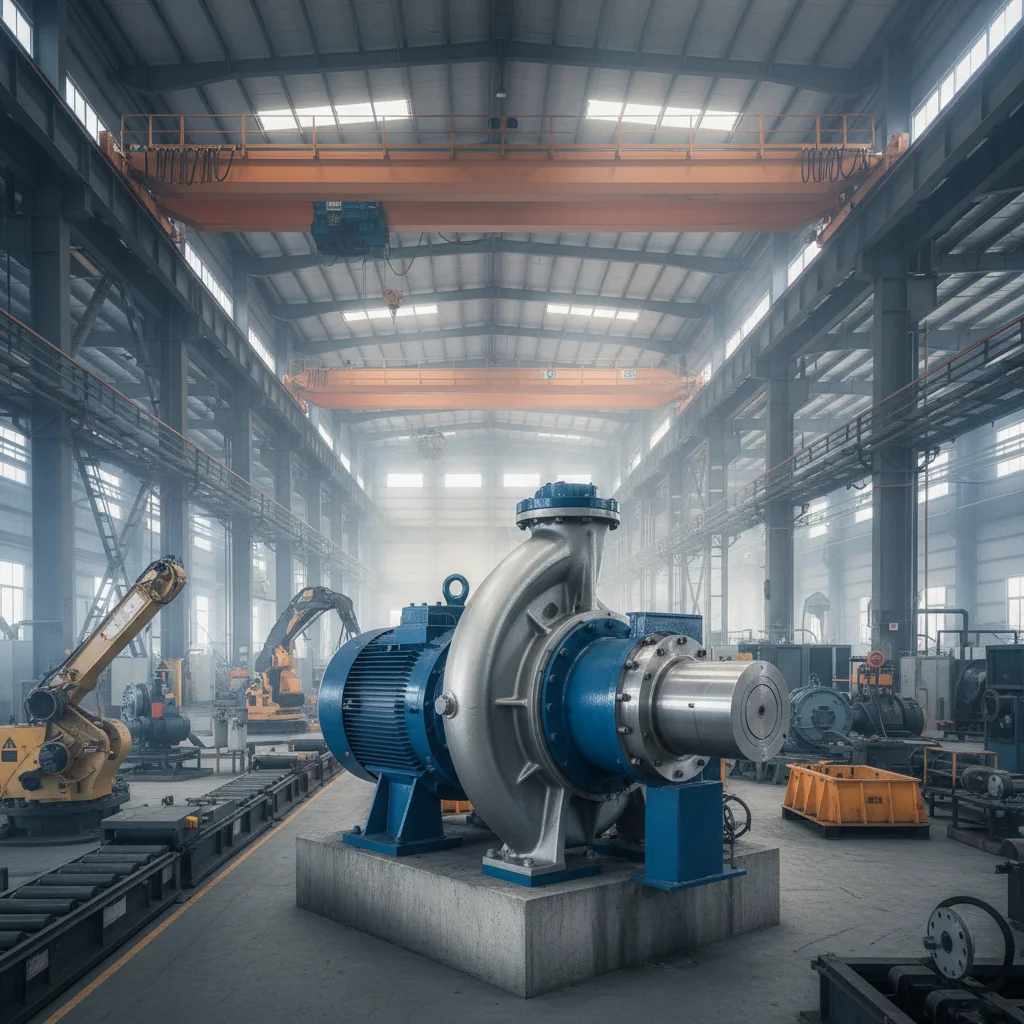
Slurry Pump Solutions: A Comprehensive Guide
Dealing with abrasive and dense fluids? Finding the right slurry pump solutions is crucial for efficient and reliable operations across various industries. From mining and wastewater treatment to chemical processing and agriculture, the demands on slurry pumps are significant. This article will explore the challenges of slurry pumping, the types of pumps available, key considerations for selection, and how HiHorn Pump delivers tailored solutions to meet your specific needs. We will cover everything from centrifugal pumps to positive displacement options and highlight the importance of material selection for optimal performance and longevity.

Understanding the Challenges of Slurry Pumping
Slurry pumping presents unique challenges compared to handling clean fluids. The abrasive nature of solids within the slurry causes rapid wear and tear on pump components, particularly impellers and liners. The density of the slurry increases energy consumption and can lead to issues like settling and clogging. Furthermore, chemical compatibility is a critical factor, as the slurry may contain corrosive substances. Successfully addressing these challenges requires selecting a pump designed specifically for slurry service, along with appropriate materials of construction and a robust maintenance program. HiHorn Pump specializes in overcoming these hurdles with engineered solutions tailored to demanding applications.
Key Considerations: Abrasive wear, high density, potential for clogging, and chemical compatibility.
Types of Slurry Pump Solutions
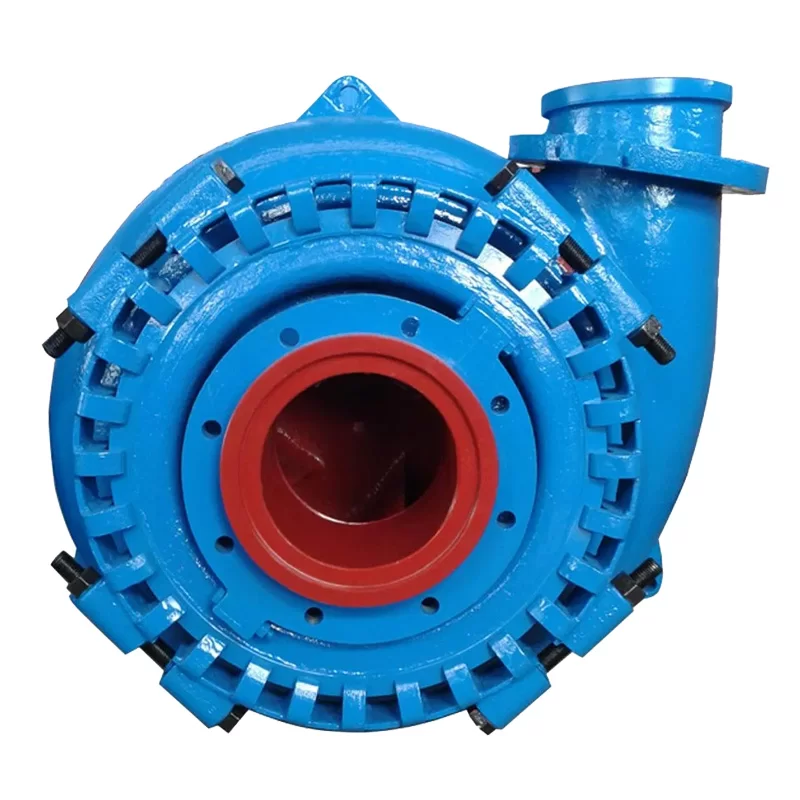
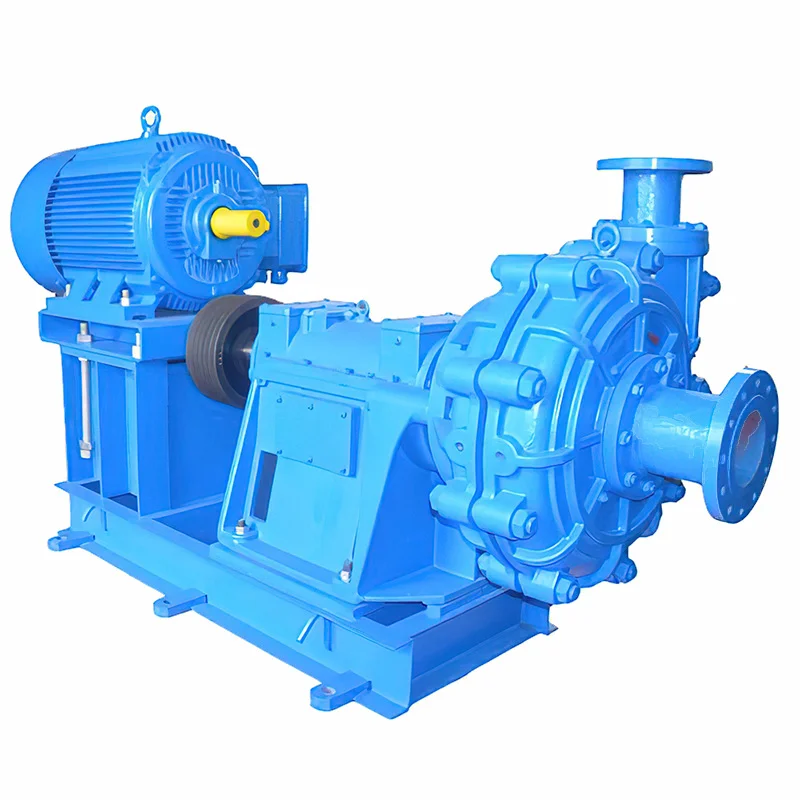
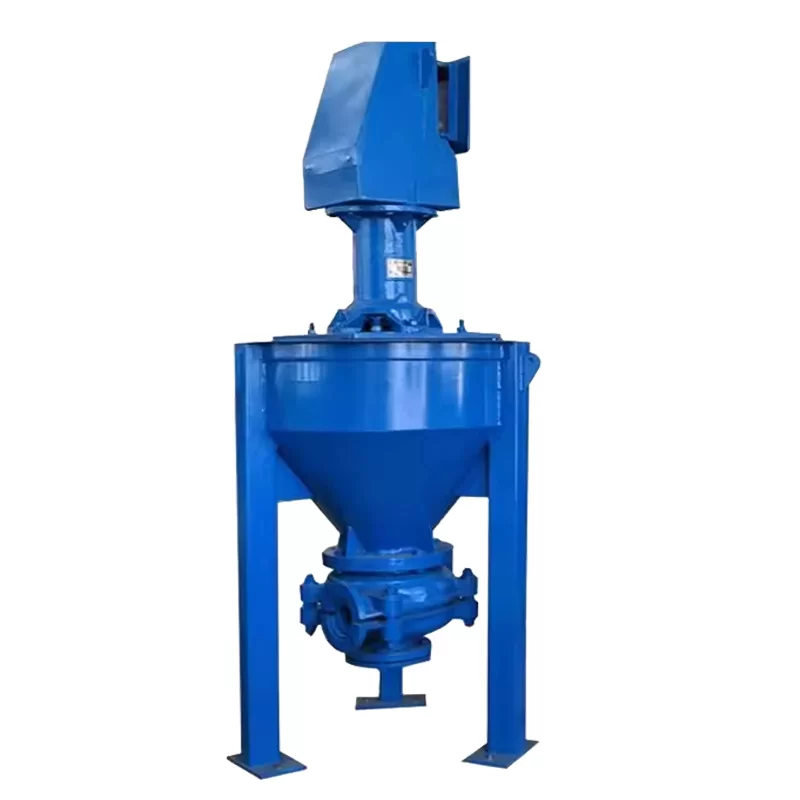
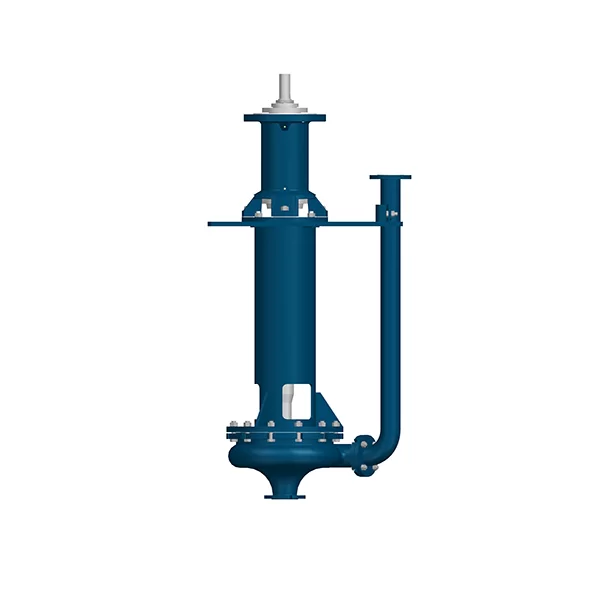
Several types of pumps are employed for slurry applications, each with its own advantages and disadvantages. Centrifugal pumps are the most common due to their simplicity and cost-effectiveness, but they are susceptible to wear from abrasive particles. Positive displacement pumps, such as diaphragm pumps or progressing cavity pumps, offer better efficiency and can handle higher solids concentrations. The choice depends on the slurry's characteristics, flow rate requirements, and pressure head. HiHorn Pump offers a diverse range of slurry pump solutions, including both centrifugal and positive displacement options, ensuring a suitable pump for any application.
Pump Selection Guide:
• Low Solids Concentration: Centrifugal pumps
• High Solids Concentration: Positive Displacement Pumps (Diaphragm, Progressive Cavity)
• Abrasive Slurries: Hardened Materials (High Chrome, Ceramic Liners)
• Corrosive Slurries: Specialized Alloys (Stainless Steel, Hastelloy)
Key Considerations for Selecting the Right Slurry Pump
Choosing the optimal slurry pump involves careful consideration of several factors. The slurry’s solid concentration, particle size distribution, and abrasiveness are paramount. The flow rate and head requirements must be accurately determined to ensure proper system performance. Material selection is critical to resist wear and corrosion; common materials include high-chrome cast iron, rubber linings, and specialized alloys. Finally, maintenance accessibility and total cost of ownership should be factored into the decision. HiHorn Pump’s engineering team can assist in analyzing your specific application and recommending the most suitable pump configuration.
HiHorn Pump: Tailored Slurry Pump Solutions
HiHorn Pump is a leading provider of innovative slurry pump solutions. We specialize in designing and manufacturing pumps that withstand the harshest conditions. Our pumps are known for their durability, reliability, and efficiency, minimizing downtime and reducing operating costs. We offer a comprehensive range of pump types and materials, and our experienced engineers can customize solutions to meet your specific requirements. From initial consultation and pump selection to installation and ongoing support, HiHorn Pump is your trusted partner for all your slurry pumping needs.
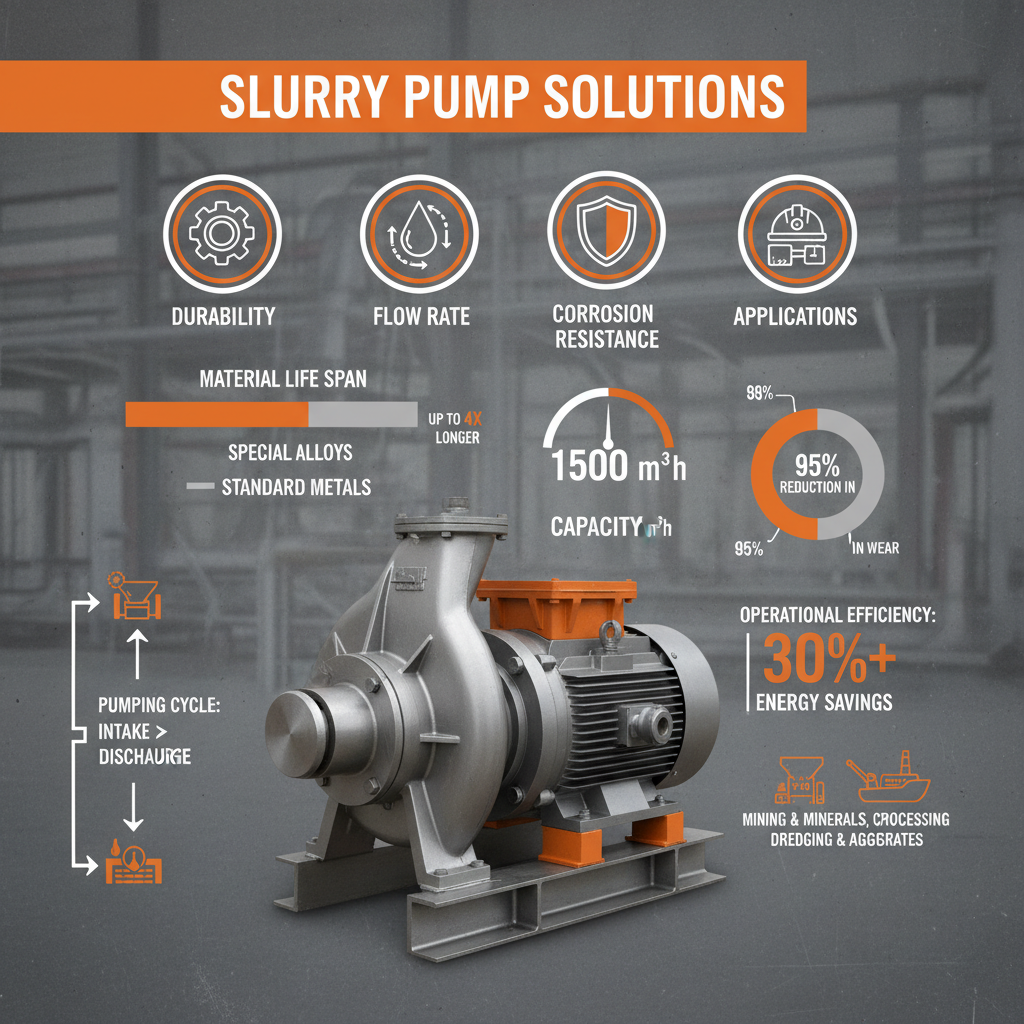
Conclusion: Ensuring Optimal Performance with the Right Slurry Pump
Selecting the right slurry pump solutions is a critical investment for any operation dealing with abrasive or dense fluids. By carefully considering the slurry’s characteristics, flow rate requirements, and material compatibility, you can ensure optimal performance, minimize downtime, and reduce long-term costs. HiHorn Pump provides the expertise and innovative solutions you need to overcome the challenges of slurry pumping. Contact us today to discuss your specific application and discover how we can help you achieve your operational goals.
Frequently Asked Questions (FAQs)
What is the importance of selecting the right material for a slurry pump?
The material of construction is crucial for a slurry pump because it directly impacts its resistance to abrasion and corrosion. Slurries often contain abrasive particles that can rapidly wear down pump components made from unsuitable materials. Furthermore, many slurries are chemically corrosive, leading to material degradation and failure. Selecting materials like high-chrome cast iron, specialized alloys, or rubber linings tailored to the specific slurry’s composition ensures a longer pump lifespan, reduced maintenance costs, and reliable operation. HiHorn Pump offers a wide range of material options to suit various slurry applications.
How do I determine the optimal flow rate for my slurry pump?
Determining the optimal flow rate requires a thorough understanding of your process requirements. Factors to consider include the volume of slurry to be pumped, the distance it needs to travel, and the desired settling velocity. An excessively high flow rate can lead to erosion and increased energy consumption, while a low flow rate can cause settling and clogging. Calculating the system head loss is also essential. HiHorn Pump's engineers can assist in accurately calculating the optimal flow rate for your application.
What maintenance is required for slurry pumps?
Slurry pumps require regular maintenance to ensure reliable operation and prevent premature failure. Key maintenance tasks include inspecting and replacing worn impellers, liners, and seals. Lubricating bearings and checking for leaks are also essential. Implementing a preventative maintenance schedule based on operating hours and slurry characteristics can significantly extend the pump's lifespan and minimize downtime. HiHorn Pump offers comprehensive maintenance services and spare parts to support our customers.
Can slurry pumps handle variations in slurry density?
Some slurry pumps are better equipped to handle variations in slurry density than others. Positive displacement pumps, like progressing cavity pumps, are generally more tolerant of density fluctuations than centrifugal pumps. However, centrifugal pumps can be designed with variable frequency drives (VFDs) to adjust the pump speed and maintain optimal performance across a range of densities. It's important to specify the expected range of densities when selecting a slurry pump to ensure it can operate efficiently and reliably. HiHorn Pump can recommend the best solution for your specific density requirements.