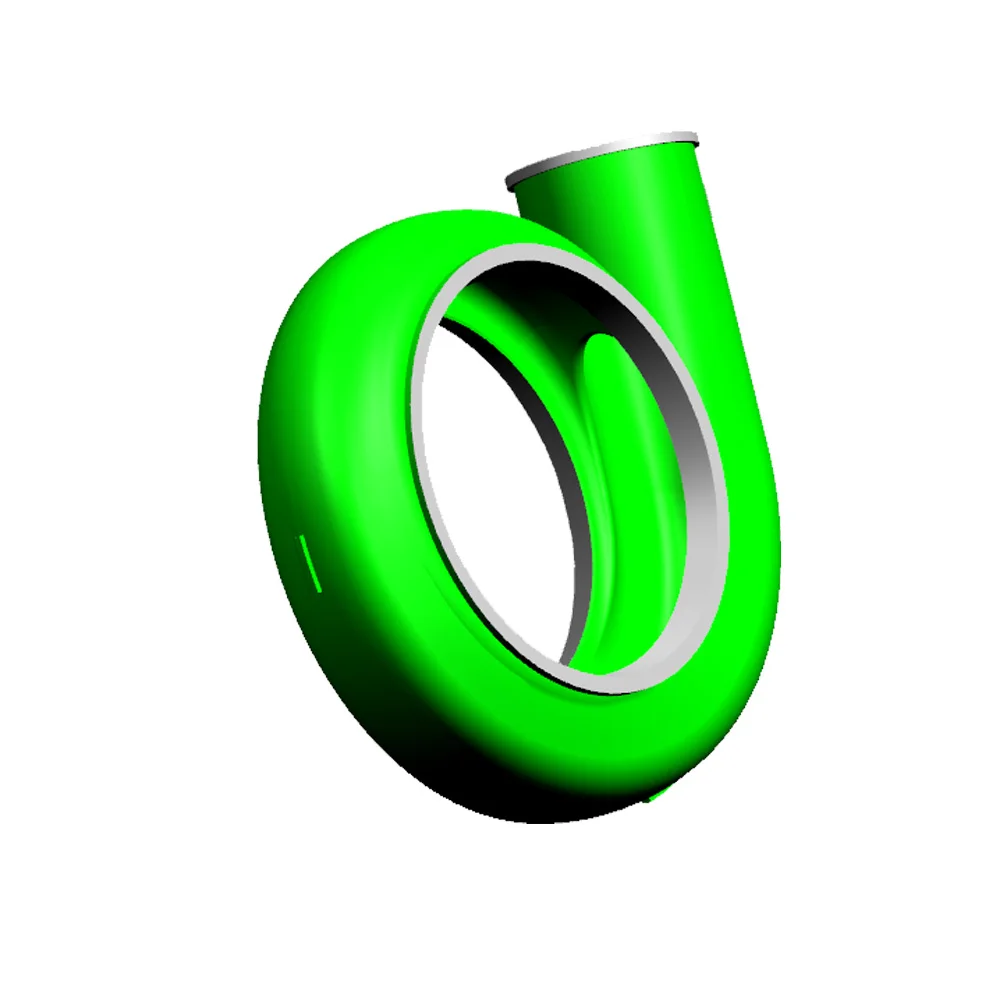
Heavy Duty Slurry Pumps for South Sudan’s Industrial Needs

Heavy Duty Slurry Pumps for South Sudan’s Industrial Needs

Heavy Duty Slurry Pumps for South Sudan's Industrial Needs

Providing reliable and efficient pump solutions for demanding applications across South Sudan.

Heavy Duty Slurry Pumps for South Sudan's Industrial Needs

Offering a comprehensive range of heavy duty slurry pumps, designed for the unique challenges of South Sudan’s industrial sector.

Current Landscape of Slurry Pump Demand in South Sudan

Understanding the challenges and opportunities in the South Sudanese market.

South Sudan, a relatively new nation, is undergoing significant infrastructure development, particularly in oil extraction, mining, and agriculture. These sectors heavily rely on efficient fluid handling, creating a consistent demand for slurry pumps. However, logistical challenges, a developing infrastructure, and economic instability pose obstacles to widespread adoption of advanced pumping technologies.

The country’s geographical characteristics – including areas prone to flooding and heavy sedimentation – necessitate robust and durable pumps capable of handling abrasive materials. The reliance on imported equipment also influences cost and lead times, emphasizing the need for reliable local support and readily available spare parts. The availability of skilled technicians for maintenance and repair is also a critical factor.

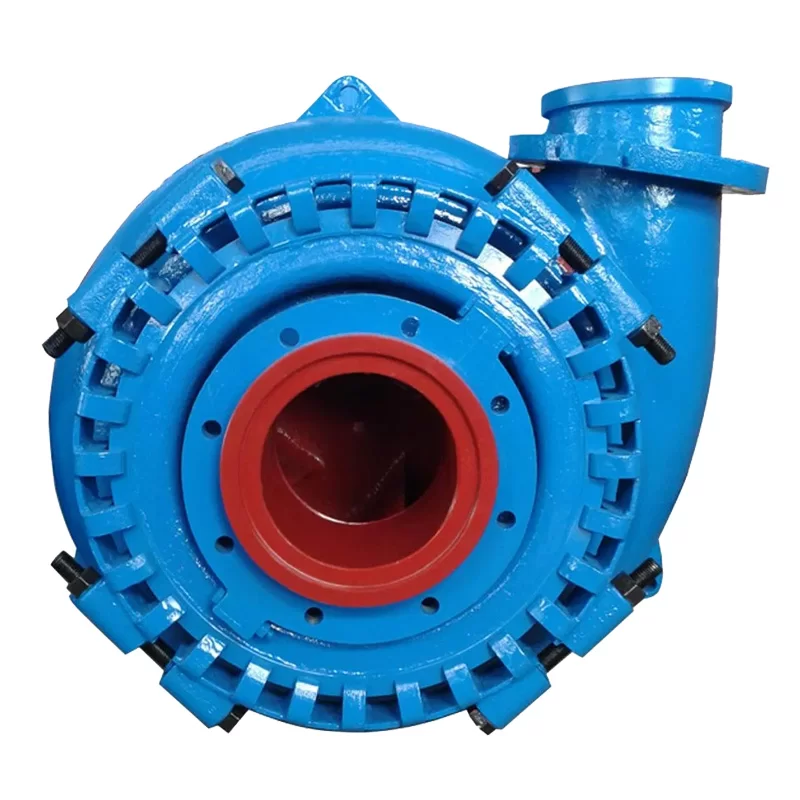
Despite these challenges, the potential for growth is substantial, fueled by ongoing investment in key industries. The demand is particularly strong for gravel pump solutions for river dredging, and reliable industrial sump pump systems for dewatering construction sites and processing plants.

Evolution of Slurry Pump Technology and its Adoption in South Sudan

Tracing the development from basic centrifugal pumps to advanced slurry handling systems.

Market Development History

Initially, the pumping needs in South Sudan were met with basic centrifugal pumps, often imported secondhand. These pumps frequently lacked the durability and efficiency required for handling the abrasive slurries encountered in local operations. Early 2000s saw a gradual introduction of more robust, cast iron pumps, still primarily reliant on external sourcing.

Around 2010, with the rise of the oil industry, demand surged for specialized pumps capable of handling high concentrations of sand and solids. This period witnessed the introduction of high-chrome alloy pumps offering improved wear resistance. However, logistical constraints continued to hamper widespread adoption. A significant turning point came with increasing awareness of lifecycle cost analysis, shifting the focus from initial purchase price to long-term operational efficiency.

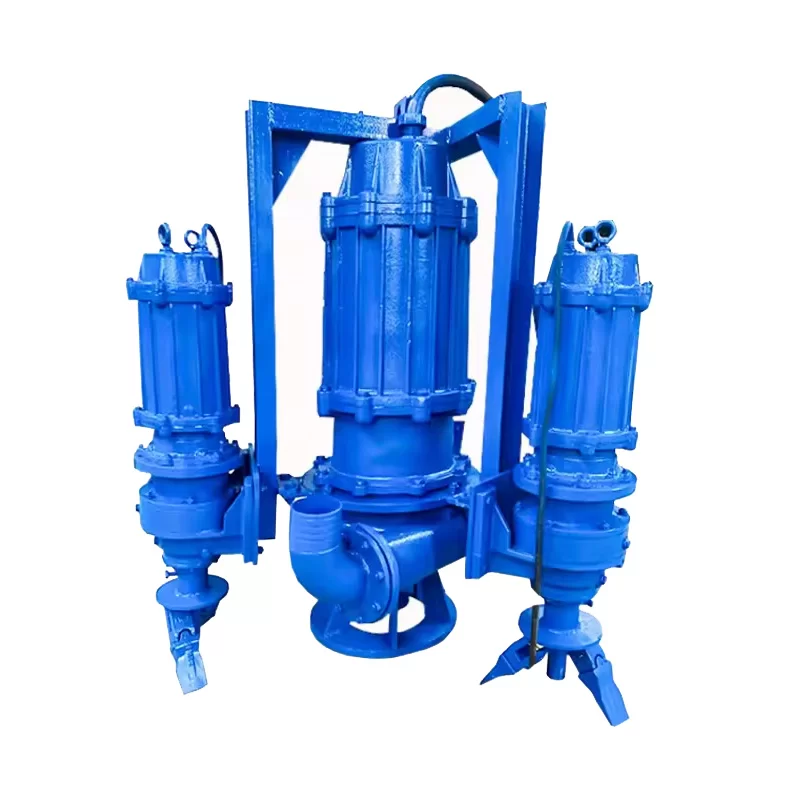
The past 5 years have seen a growing interest in more advanced technologies like submersible sump pump systems for remote locations, driven by the need for reliable and autonomous operation. Improved availability of spare parts and local maintenance support are becoming increasingly crucial for sustainable operation.

Future Development Trends

Increased Demand for Wear-Resistant Materials

The abrasive nature of many South Sudanese industrial processes will drive demand for pumps constructed from advanced materials like high-chrome alloys, ceramics, and even rubber linings. Google Trends data indicates a consistent search volume for "wear resistant pumps" alongside related terms.

Integration of IoT and Remote Monitoring

Expect to see increasing adoption of Internet of Things (IoT) enabled pumps allowing for remote monitoring of performance, predictive maintenance, and optimized operation. Search queries relating to “remote pump monitoring” are experiencing a noticeable uptick globally.

Energy Efficiency and Variable Speed Drives

Growing emphasis on sustainable practices will lead to increased demand for energy-efficient pumps and variable speed drives (VSDs) to reduce energy consumption and optimize flow rates. Google Trends confirms a rising interest in "energy efficient pumps."

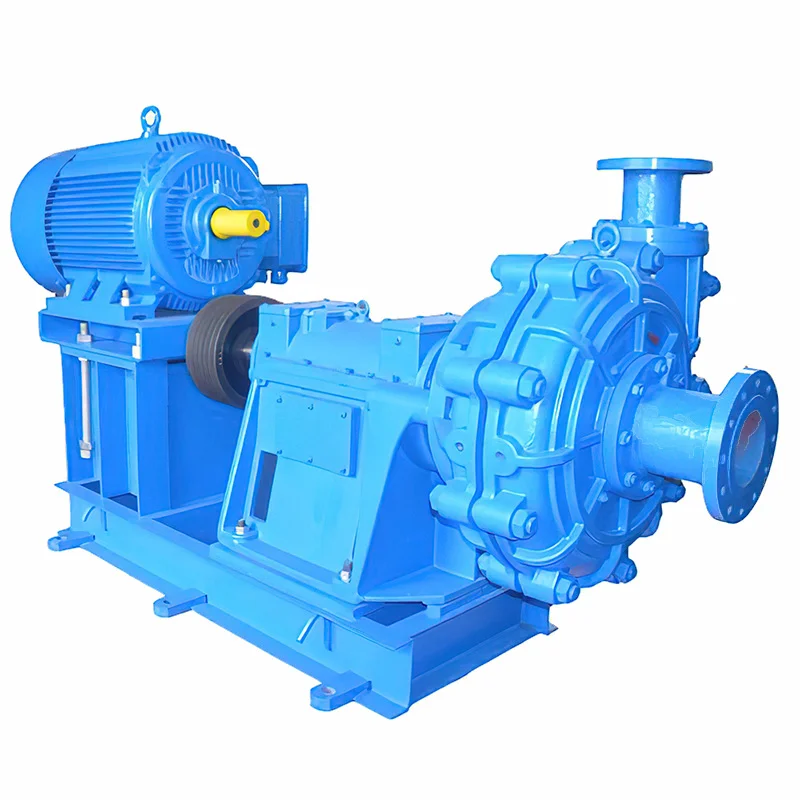
Industry Trends and Future Outlook for Slurry Pumps in South Sudan

Analyzing emerging trends and forecasting future demands.

Increased Demand for Durable Construction
South Sudan's challenging operating conditions require pumps built to withstand abrasive slurries and harsh environments.
Growth in Submersible Pump Applications
Remote locations and the need for autonomous operation will drive the adoption of submersible sump pump systems.
Increasing Focus on Lifecycle Costs
Clients will prioritize long-term value and operational efficiency over initial purchase price, leading to demand for high-quality, reliable pumps.
Improved Local Support Networks
The establishment of robust local service and spare parts networks will be critical for sustainable pump operation.

Industry Outlook

The South Sudanese slurry pump market is poised for moderate growth over the next 3-5 years, driven by ongoing infrastructure development and increasing investment in key industries. Success will depend on providing durable, reliable, and cost-effective solutions tailored to the unique challenges of the region.

The ability to offer comprehensive after-sales support, including maintenance, repair, and spare parts availability, will be a key differentiator. Companies that prioritize building strong relationships with local partners and investing in local expertise will be best positioned to capture market share.

Local Application Scenarios for Slurry Pumps in South Sudan

Exploring specific use cases relevant to the South Sudanese context.

1. Oil Field Dewatering and Waste Management

South Sudan’s oil industry generates significant volumes of wastewater containing sand, silt, and other solids. Heavy duty slurry pumps are crucial for dewatering production sites, transporting waste materials, and managing drilling mud.

2. River Dredging and Sediment Removal

The Nile River and its tributaries are susceptible to sedimentation, hindering navigation and impacting irrigation systems. Gravel pumps are utilized to remove accumulated sediment, maintaining navigable waterways and supporting agricultural practices.

3. Mining Operations – Gold and Aggregate

Small-scale and artisanal mining operations are prevalent in South Sudan. Slurry pumps are essential for transporting ore, separating materials, and managing wastewater generated during the extraction process.

4. Construction Site Dewatering and Drainage

Rapid infrastructure development requires effective site dewatering to maintain safe and productive working conditions. Industrial sump pumps and submersible sump pump are widely used for removing groundwater and surface runoff from construction sites.

Brand Story

Shijiazhuang Hongpeng Pump Industry Co., Ltd.'s Global Development Journey

Established Expertise in Slurry Pump Manufacturing

Founded in Shijiazhuang, China, we've dedicated years to designing and manufacturing high-performance slurry pumps for global industries.

Commitment to Quality and Innovation

We utilize advanced materials and rigorous quality control processes to ensure the reliability and longevity of our pumps.

Expanding Global Reach

We are committed to providing robust pump solutions to emerging markets like South Sudan, understanding the unique operational challenges.

Customer-Centric Approach

We prioritize building long-term partnerships with our clients, offering tailored solutions and comprehensive after-sales support.

Solving the Challenges of Abrasive Slurries

Our mission is to empower industries with pumps that withstand the harshest conditions, minimizing downtime and maximizing operational efficiency.

Complete Product Portfolio for the Local Market

Offering a wide range of pumps to meet diverse industrial needs in South Sudan.

Frequently Asked Questions About Slurry Pumps in South Sudan

Addressing common queries from our clients in South Sudan.

What type of slurry pump is best suited for handling highly abrasive gold mining slurries in South Sudan?

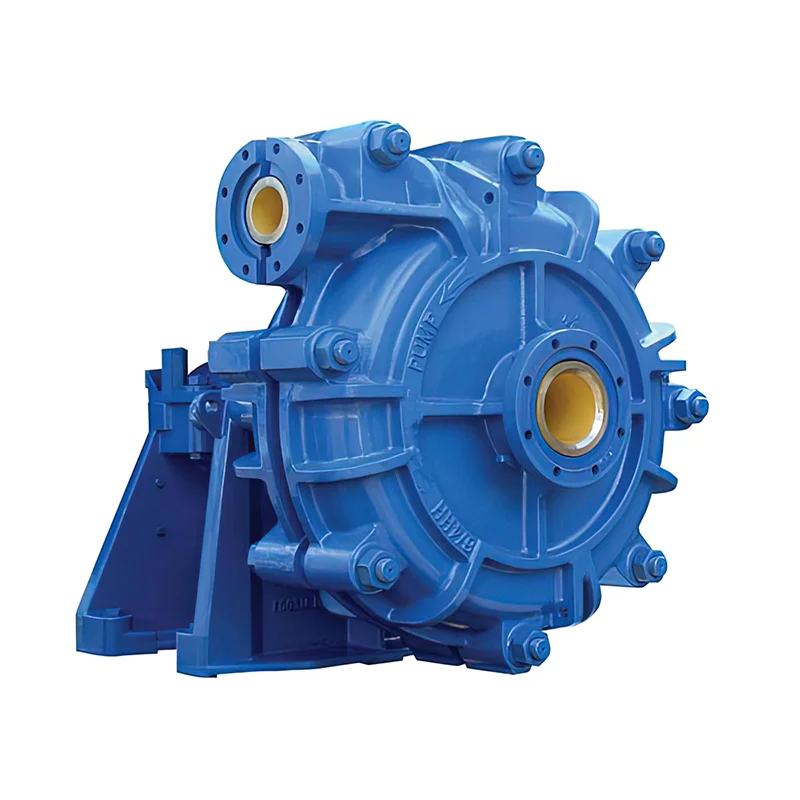
For highly abrasive gold mining slurries, a high-chrome alloy slurry pump with a robust impeller and wear plate is recommended. These pumps are designed to withstand the constant impact of solid particles, ensuring long-term reliability.

How can I ensure the longevity of my slurry pump in a South Sudanese environment with frequent power fluctuations?

Installing a surge protector and employing a soft starter can mitigate the impact of power fluctuations. Regular maintenance, including bearing lubrication and seal inspection, is also crucial.

What are the key considerations when selecting a submersible sump pump for dewatering a remote construction site in South Sudan?

Consider the pump's lifting capacity, solids handling capability, and energy efficiency. A robust, corrosion-resistant construction is essential for harsh environments. Also, ensure availability of local spare parts and service support.

What is the typical lead time for delivering a heavy duty slurry pump to South Sudan?

Lead times can vary depending on the pump's complexity and current demand. Generally, expect a delivery timeframe of 6-8 weeks, including transportation and customs clearance.

How do I determine the appropriate pump size for my specific application in the South Sudanese oil fields?

Factors to consider include the flow rate, head pressure, slurry density, and particle size. Consulting with a pump specialist is highly recommended to ensure proper sizing and optimal performance.

What after-sales services and support do you offer for slurry pumps purchased in South Sudan?

We provide comprehensive after-sales support, including installation guidance, commissioning assistance, maintenance training, and a readily available supply of spare parts. We also offer remote troubleshooting and on-site support when required.

Get in Touch with Our Experts

We are dedicated to providing pump solutions tailored to the industrial needs of South Sudan. Contact us today for a consultation.

Contact Us Now

If you are interested in our products, you can choose to leave your information here, and we will be in touch with you shortly.