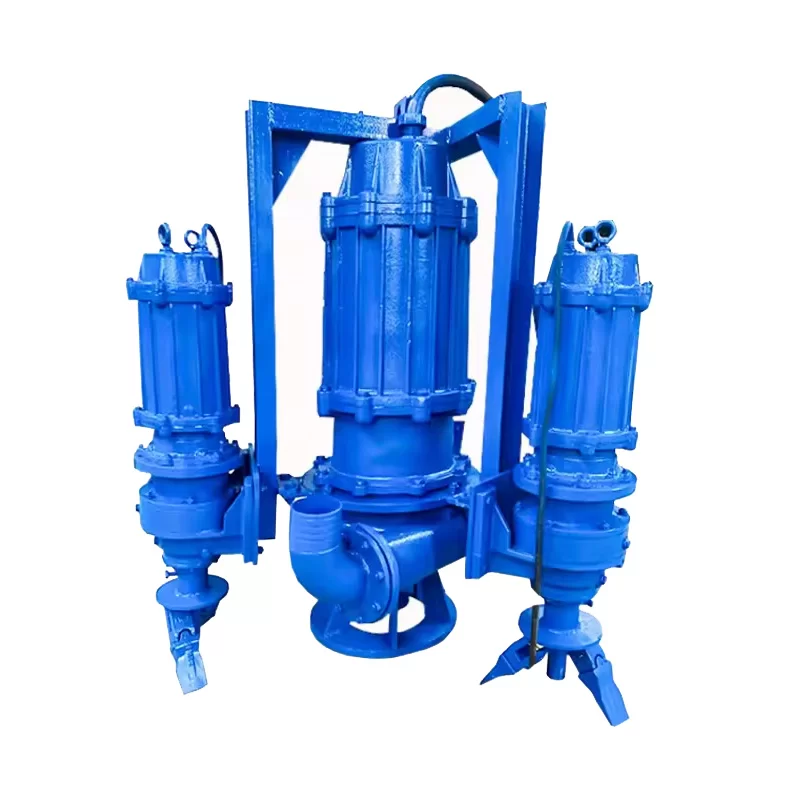
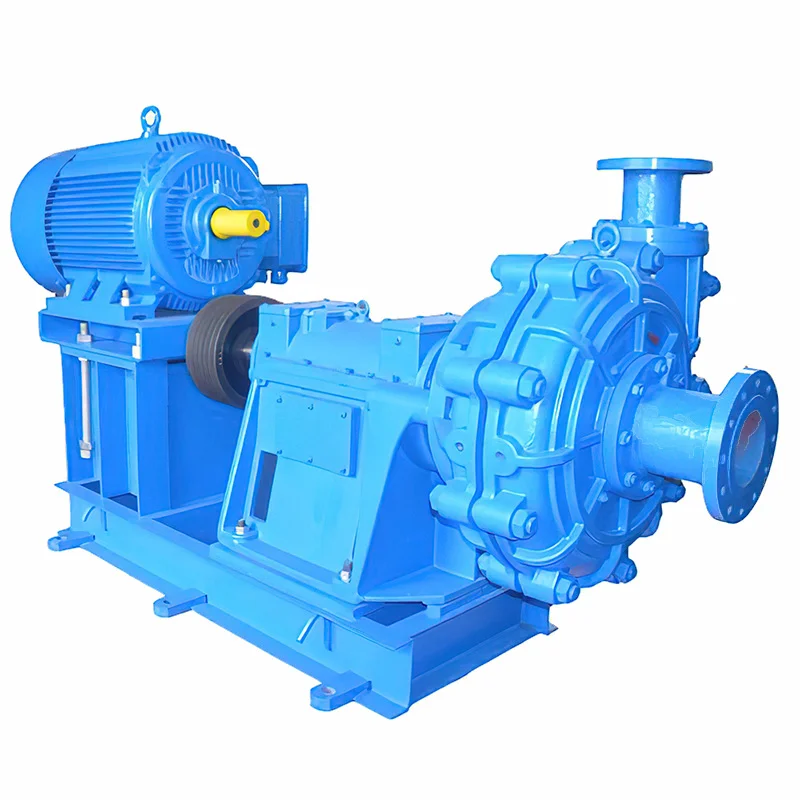
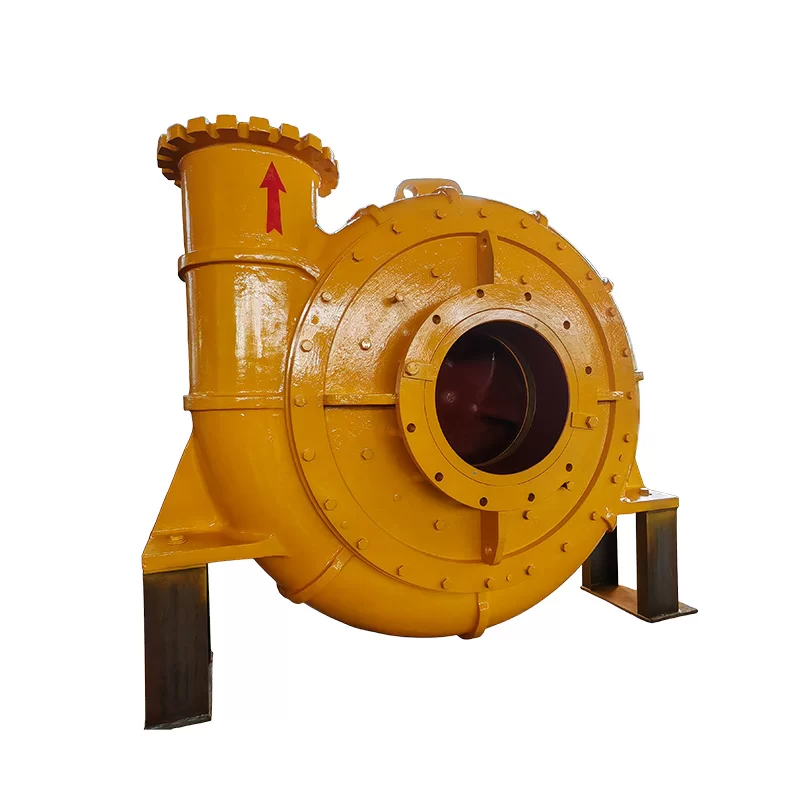
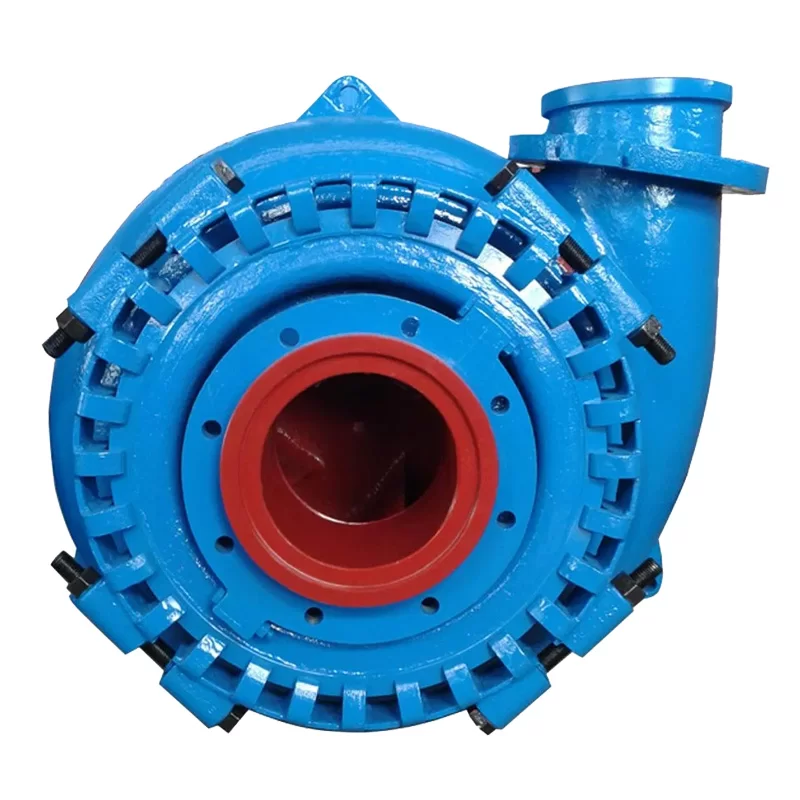
Tracing the development from basic centrifugal pumps to advanced slurry handling systems.
Market Development History
Initially, the pumping needs in South Sudan were met with basic centrifugal pumps, often imported secondhand. These pumps frequently lacked the durability and efficiency required for handling the abrasive slurries encountered in local operations. Early 2000s saw a gradual introduction of more robust, cast iron pumps, still primarily reliant on external sourcing.
Around 2010, with the rise of the oil industry, demand surged for specialized pumps capable of handling high concentrations of sand and solids. This period witnessed the introduction of high-chrome alloy pumps offering improved wear resistance. However, logistical constraints continued to hamper widespread adoption. A significant turning point came with increasing awareness of lifecycle cost analysis, shifting the focus from initial purchase price to long-term operational efficiency.
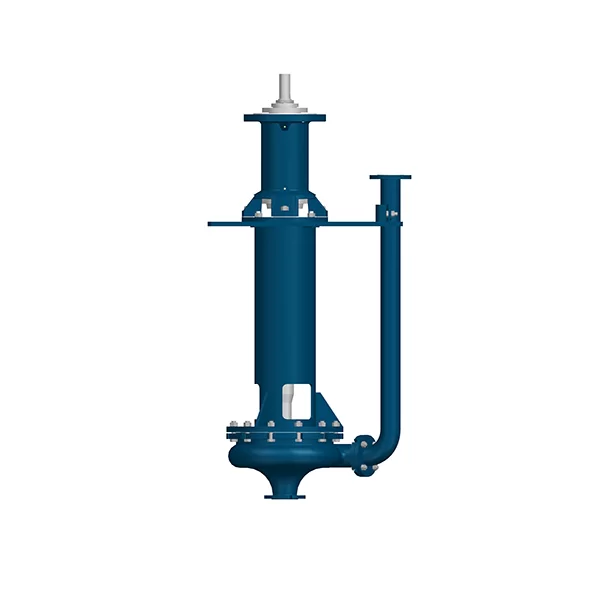
The past 5 years have seen a growing interest in more advanced technologies like submersible sump pump systems for remote locations, driven by the need for reliable and autonomous operation. Improved availability of spare parts and local maintenance support are becoming increasingly crucial for sustainable operation.
Future Development Trends
Increased Demand for Wear-Resistant Materials
The abrasive nature of many South Sudanese industrial processes will drive demand for pumps constructed from advanced materials like high-chrome alloys, ceramics, and even rubber linings. Google Trends data indicates a consistent search volume for "wear resistant pumps" alongside related terms.
Integration of IoT and Remote Monitoring
Expect to see increasing adoption of Internet of Things (IoT) enabled pumps allowing for remote monitoring of performance, predictive maintenance, and optimized operation. Search queries relating to “remote pump monitoring” are experiencing a noticeable uptick globally.
Energy Efficiency and Variable Speed Drives
Growing emphasis on sustainable practices will lead to increased demand for energy-efficient pumps and variable speed drives (VSDs) to reduce energy consumption and optimize flow rates. Google Trends confirms a rising interest in "energy efficient pumps."