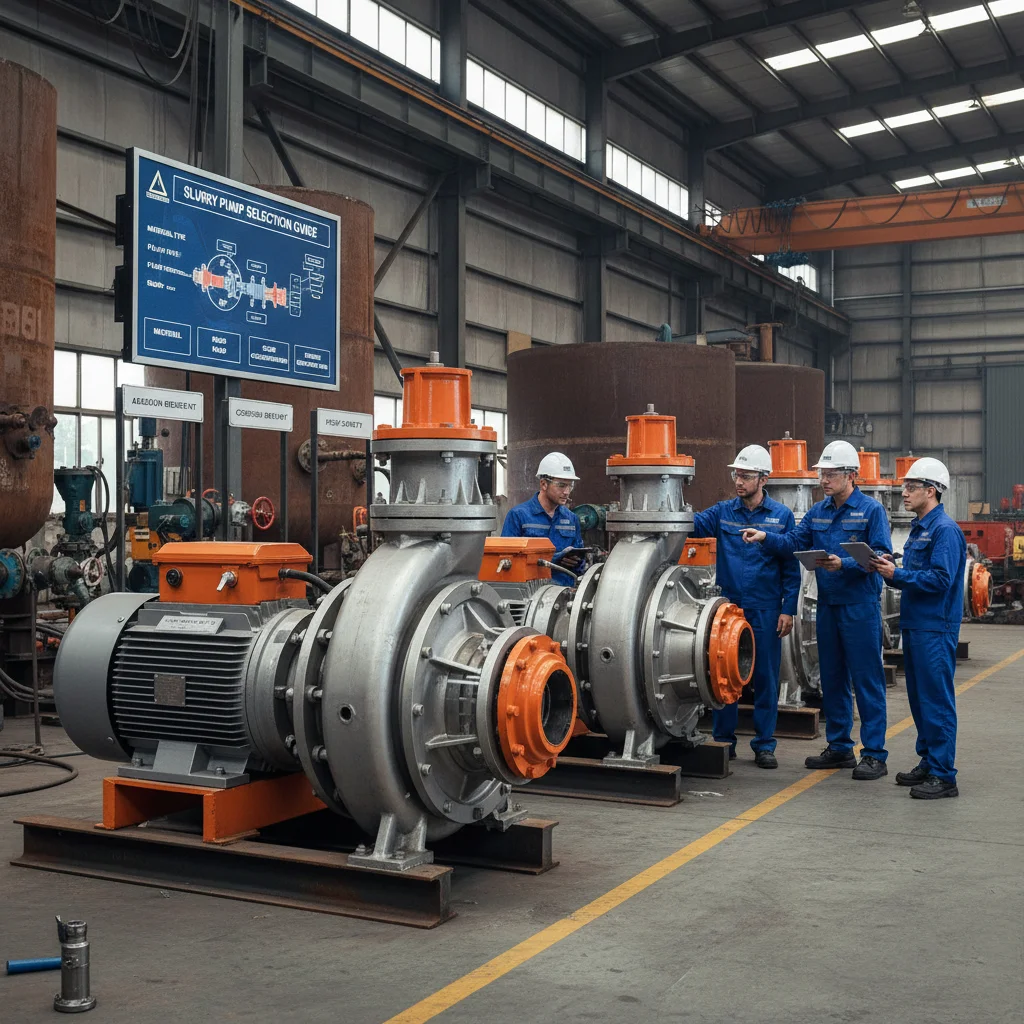
Finding the Right Slurry Pumps Supplier for Industrial Efficiency
In the demanding world of mining, dredging, and industrial waste management, the ability to transport abrasive materials without frequent system failures is critical. Choosing a reliable slurry pumps supplier is not just about purchasing equipment; it is about securing a partnership that ensures operational uptime and long-term cost-efficiency. Whether you are dealing with heavy mineral ores or chemical sludge, the quality of your pumping system determines your project's profitability. This guide explores how to identify a top-tier supplier and what technical specifications you should prioritize to maximize the lifespan of your machinery.
Essential Capabilities of a Professional Slurry Pumps Supplier
A professional slurry pumps supplier should offer more than just a product catalog. They must provide comprehensive engineering support, from calculating the critical solids concentration to selecting the ideal liner material. The most reputable suppliers focus on wear resistance and hydraulic efficiency, ensuring that the pumps can handle high-density slurries without excessive energy consumption. By integrating advanced metallurgy, such as high-chrome alloys, they help clients reduce the frequency of maintenance shutdowns, which are often the most expensive part of any industrial operation.
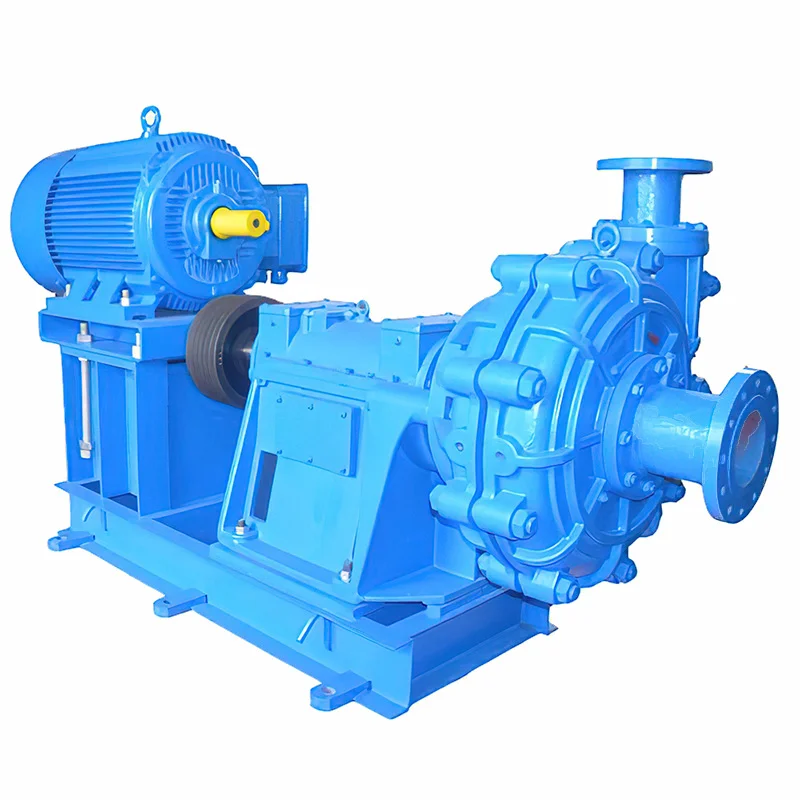
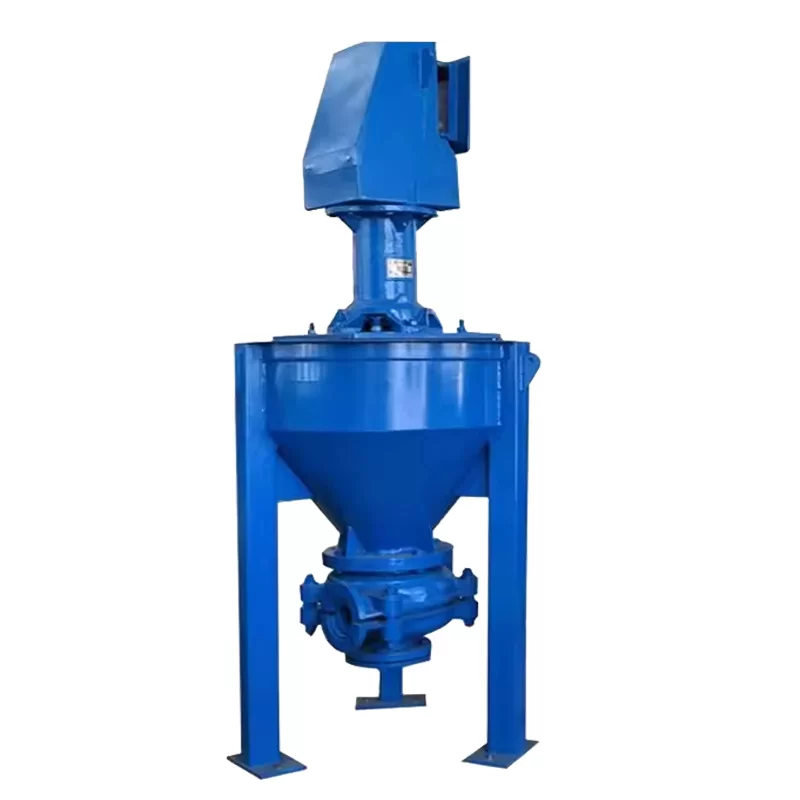
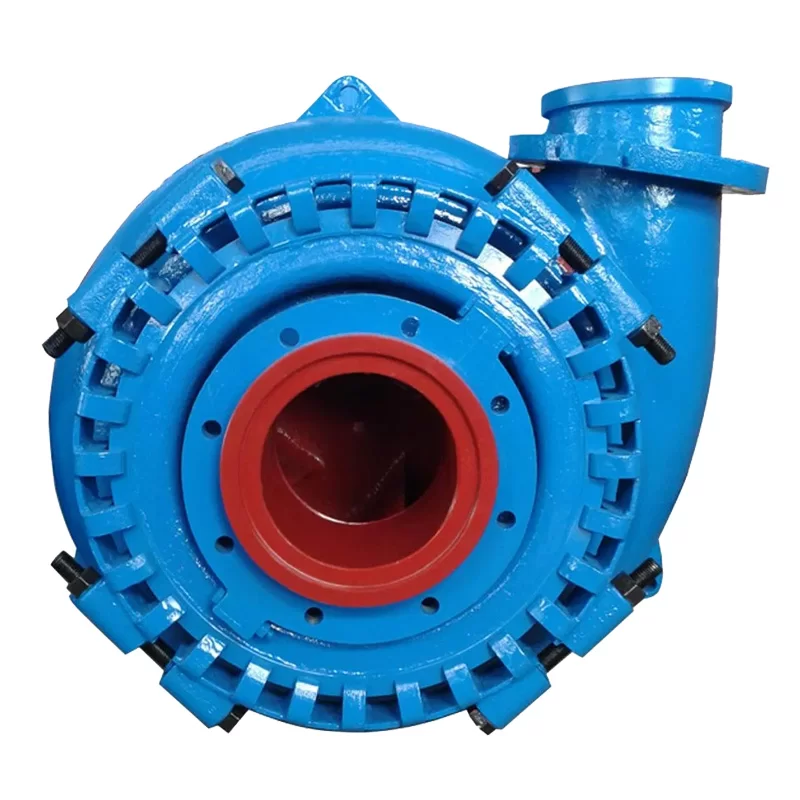
Industry Standard: Top suppliers typically provide a combination of centrifugal slurry pumps and peristaltic options, tailored to the specific pH levels and particle sizes of the medium being transported.
Comparing Slurry Pump Materials for Maximum Durability
One of the primary decisions when working with a slurry pumps supplier is choosing the right material for the impeller and casing. The choice depends heavily on the "abrasiveness" and "corrosiveness" of the slurry. For instance, high-chrome iron is ideal for abrasive minerals, while rubber linings are superior for finer, more corrosive particles. Understanding this balance is the key to preventing premature wear and ensuring a stable flow rate over thousands of operating hours.
How to Evaluate a Slurry Pumps Supplier's Technical Support
Buying a pump is a one-time transaction, but maintaining it is a lifelong process. A top slurry pumps supplier will offer detailed guidance on "Net Positive Suction Head" (NPSH) to prevent cavitation, which can destroy an impeller in a matter of days. Furthermore, they should provide clear documentation on spare parts availability. Because slurry pumps are designed to wear out, the speed at which you can source a replacement impeller or liner is directly linked to your plant's overall efficiency. Look for suppliers who offer 24/7 technical assistance and a robust global distribution network.
Typical Product Specifications for Industrial Slurry Pumps
When reviewing quotes from a slurry pumps supplier, it is essential to look beyond the price tag and analyze the technical specifications. The flow rate (m³/h) and head (m) must be precisely matched to your piping system to avoid excessive friction loss. Additionally, check for the "maximum particle size" the pump can handle to ensure it won't clog when encountering larger solids. Below is a typical specification table for a heavy-duty industrial slurry pump series.
Operational Best Practices for Slurry Systems
Even the best equipment from a world-class slurry pumps supplier can fail if operated incorrectly. To maximize your ROI, it is vital to maintain the "critical velocity"—the minimum speed at which particles remain suspended in the fluid. If the velocity drops too low, solids will settle in the pipes, leading to blockages and sudden pressure spikes. Regularly monitoring pump vibration and noise levels can provide an early warning of impeller wear, allowing you to schedule maintenance before a catastrophic failure occurs.
Maintenance Checklist:
• Daily check of gland seal water flow and pressure
• Weekly inspection of pump casing for external leaks
• Monthly measurement of impeller clearance
• Quarterly analysis of lubricant quality and contamination
Conclusion: Scaling Your Operations with a Trusted Partner
Investing in high-performance pumping technology is the foundation of any successful slurry handling operation. By choosing a slurry pumps supplier that prioritizes technical precision, material science, and after-sales support, you can significantly reduce operational downtime and lower your total cost of ownership. Whether you are optimizing an existing plant or designing a new facility, prioritize durability and efficiency to ensure your operations remain competitive in an ever-evolving industrial landscape.
Frequently Asked Questions (FAQs)
How do I choose between a rubber-lined or chrome-lined pump?
The choice depends entirely on the nature of the slurry. Rubber linings are highly effective for "fine" abrasive particles and corrosive liquids, as rubber absorbs the impact of small particles. However, rubber can be cut by large, sharp rocks. High-chrome alloys, on the other hand, are designed for "coarse" abrasive materials where hardness is required to resist the grinding action of large particles. Your slurry pumps supplier should help you analyze a sample of your material to make the correct recommendation.
What is the most common cause of slurry pump failure?
Cavitation and operating below the critical velocity are the most common causes. Cavitation occurs when the pump does not have enough suction pressure (NPSH), creating vapor bubbles that implode and pit the impeller surface. Operating below critical velocity leads to "sanding," where solids settle in the pump or pipe, causing blockages and excessive wear. Regular training for operators and precise system design from the supplier can mitigate these risks significantly.
Can one slurry pump handle different types of materials?
While a pump can physically move different liquids, its efficiency and lifespan will vary. A pump designed for light tailings will wear out rapidly if used for heavy mineral concentrates. Furthermore, the chemical compatibility of the liner must match the slurry. Using a rubber-lined pump for an oil-based slurry, for example, would lead to the rubber degrading quickly. It is always best to have a pump tailored to the specific density and chemical profile of your medium.
How often should slurry pump impellers be replaced?
There is no fixed timeline, as it depends on the slurry's abrasiveness and the pump's operating hours. However, most industrial sites implement a monitoring program. When you notice a drop in discharge pressure or an increase in energy consumption for the same flow rate, it usually indicates that the impeller has worn down and the internal clearances have increased. A high-quality slurry pumps supplier will provide a wear-prediction model based on your specific application.