Finding High-Performance Slurry Pumps for Sale: The Ultimate Buyer's Guide
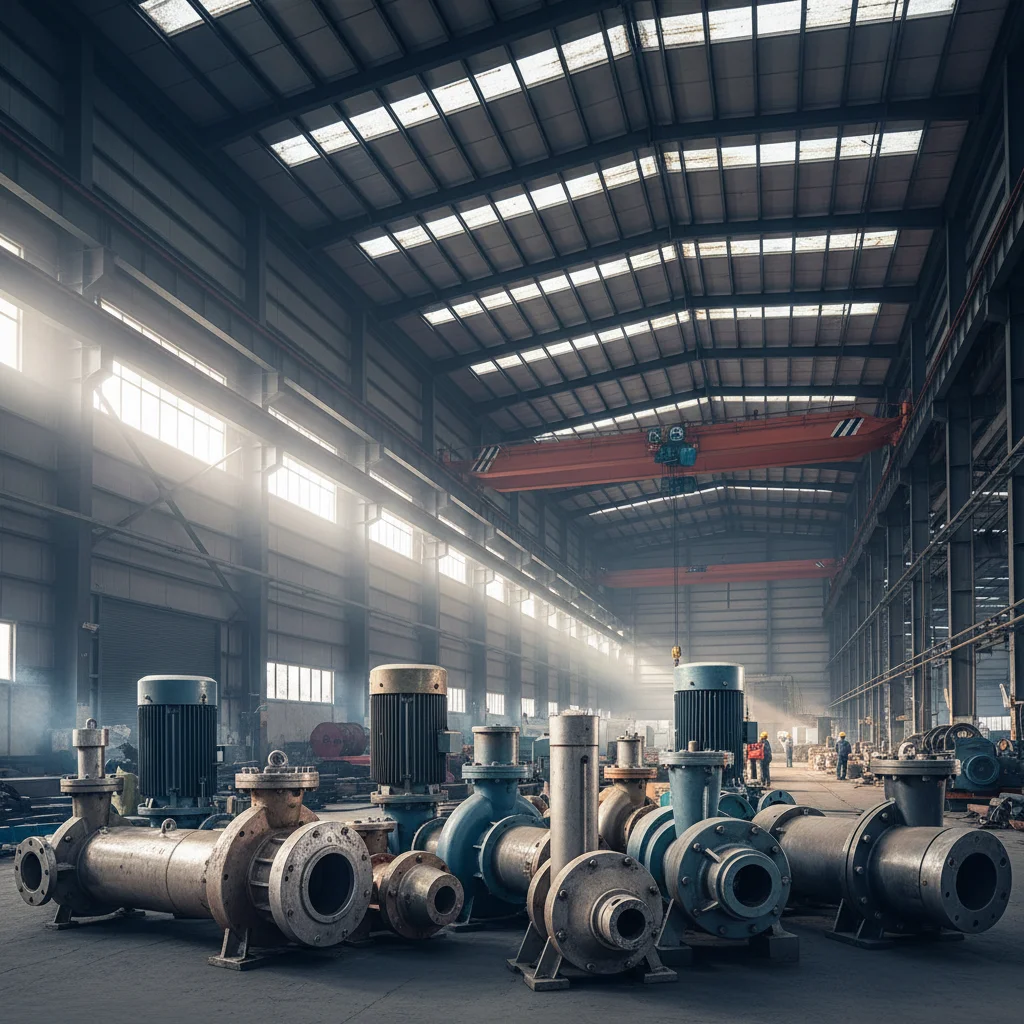
In heavy industrial operations, handling abrasive materials is one of the most challenging tasks. Whether you are managing a mining site, a dredging project, or a chemical processing plant, finding the right slurry pumps for sale is critical to maintaining operational efficiency and reducing downtime. A slurry pump is specifically engineered to transport fluids containing suspended solids, which would quickly erode a standard centrifugal pump. This guide provides an expert look at how to select a pump that balances durability with energy efficiency, ensuring your investment delivers long-term value in the harshest environments.
The Critical Role of Material Selection in Slurry Pumps
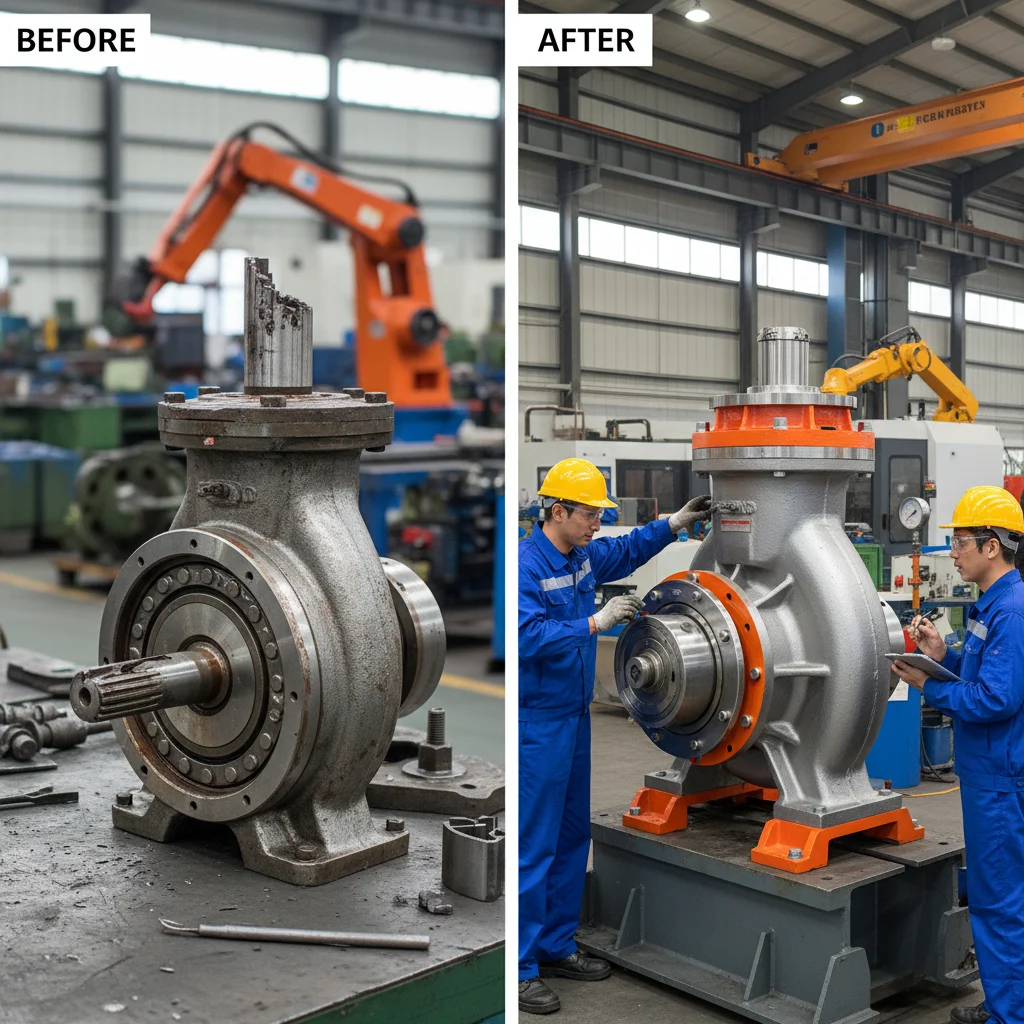
When browsing slurry pumps for sale, the first thing you must examine is the material of construction. Because slurry is inherently abrasive, the internal components—specifically the impeller and liner—must withstand constant friction. High-chrome alloys are typically preferred for high-concentration abrasive slurries, while natural rubber is ideal for finer particles that cause more surface wear than impact damage. Choosing the wrong material can lead to premature failure, resulting in costly emergency repairs and lost production time.
Expert Tip: Always match the pump liner material to the specific mineralogy of your slurry. High-impact sites require alloys, while corrosive, fine-particle environments benefit from specialized elastomers.
Key Design Features of Industrial Slurry Pumps
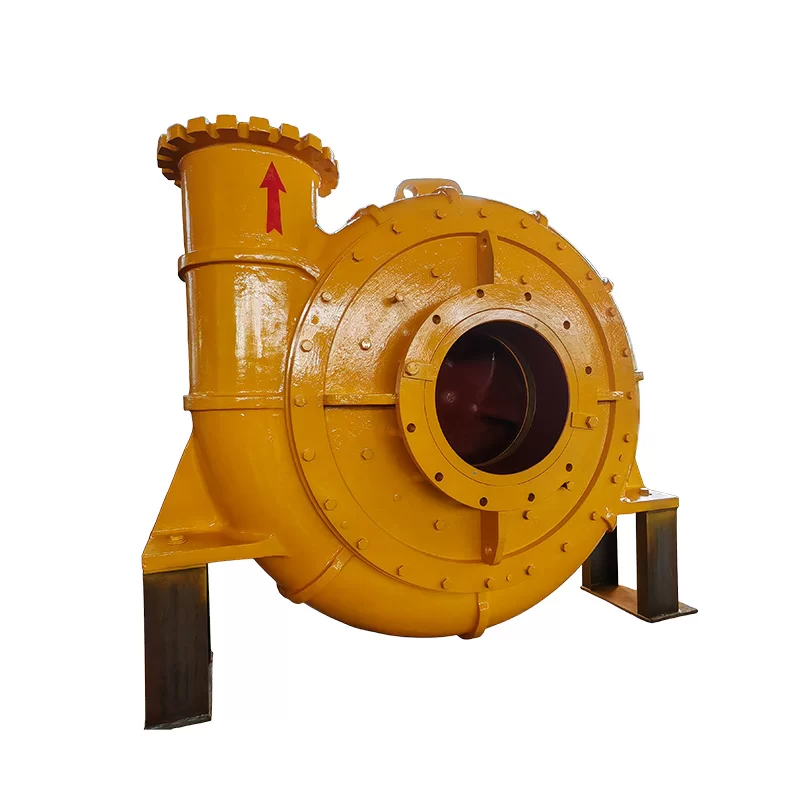
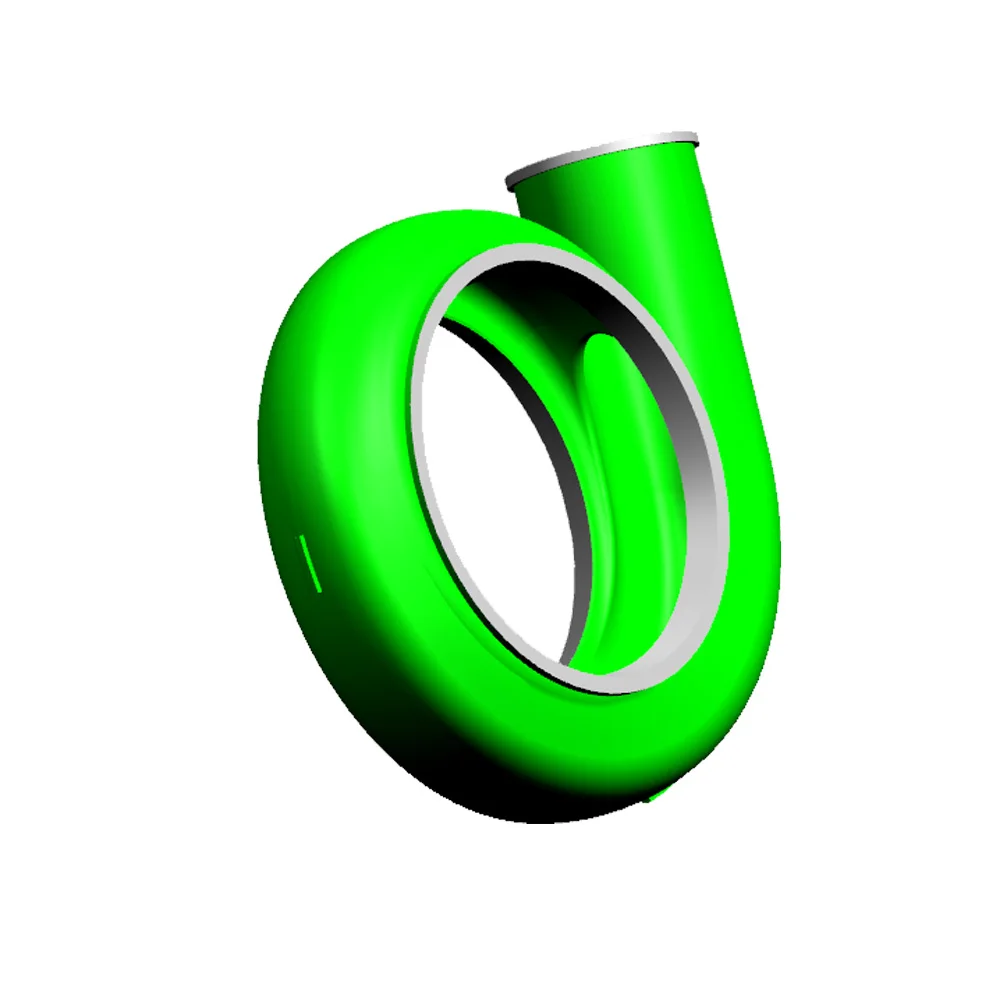
Modern industrial pumps are designed to minimize turbulence and maximize flow. Key features include heavy-duty casings that prevent external deformation and optimized impeller geometries that reduce the velocity of the fluid at the walls, thereby slowing the rate of erosion. Furthermore, the ability to adjust the impeller clearance is a vital feature for maintaining pump efficiency as the internals wear down over time. For those searching for slurry pumps for sale, focusing on these engineering details ensures a longer mean time between maintenance (MTBM).
Comparing Slurry Pump Types for Different Applications
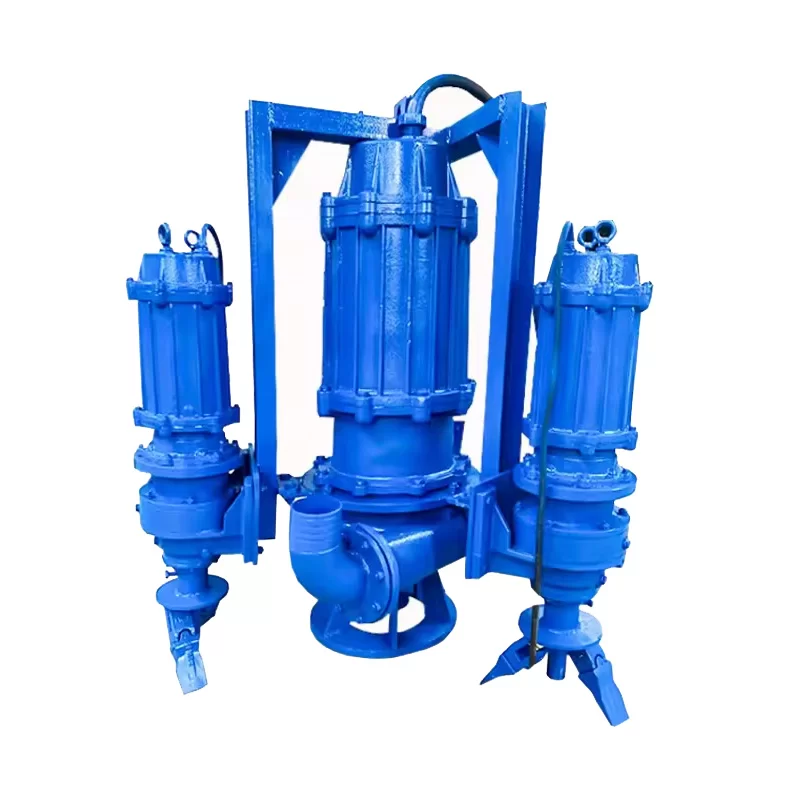
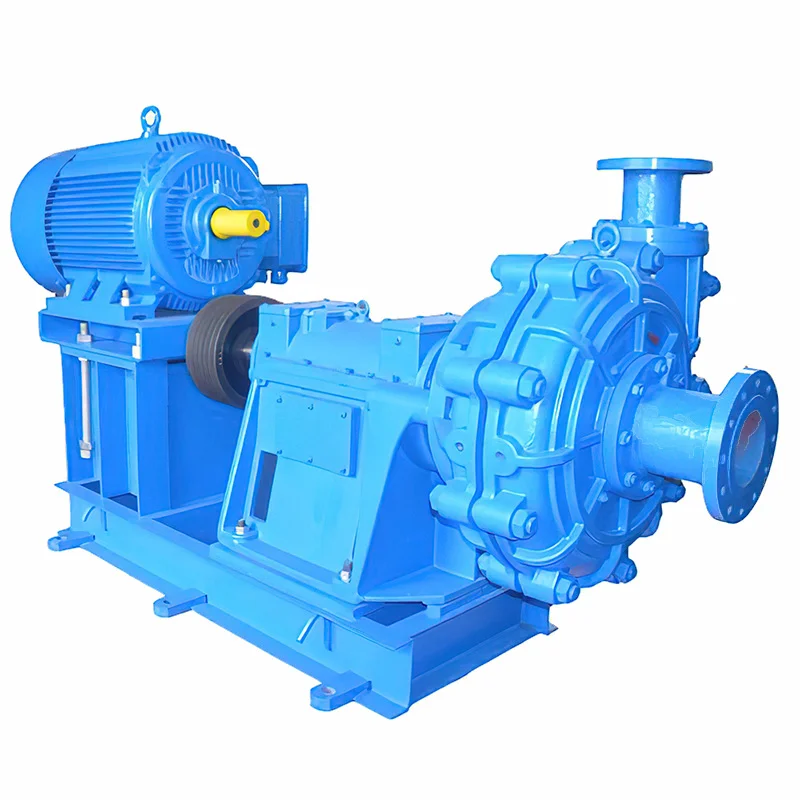
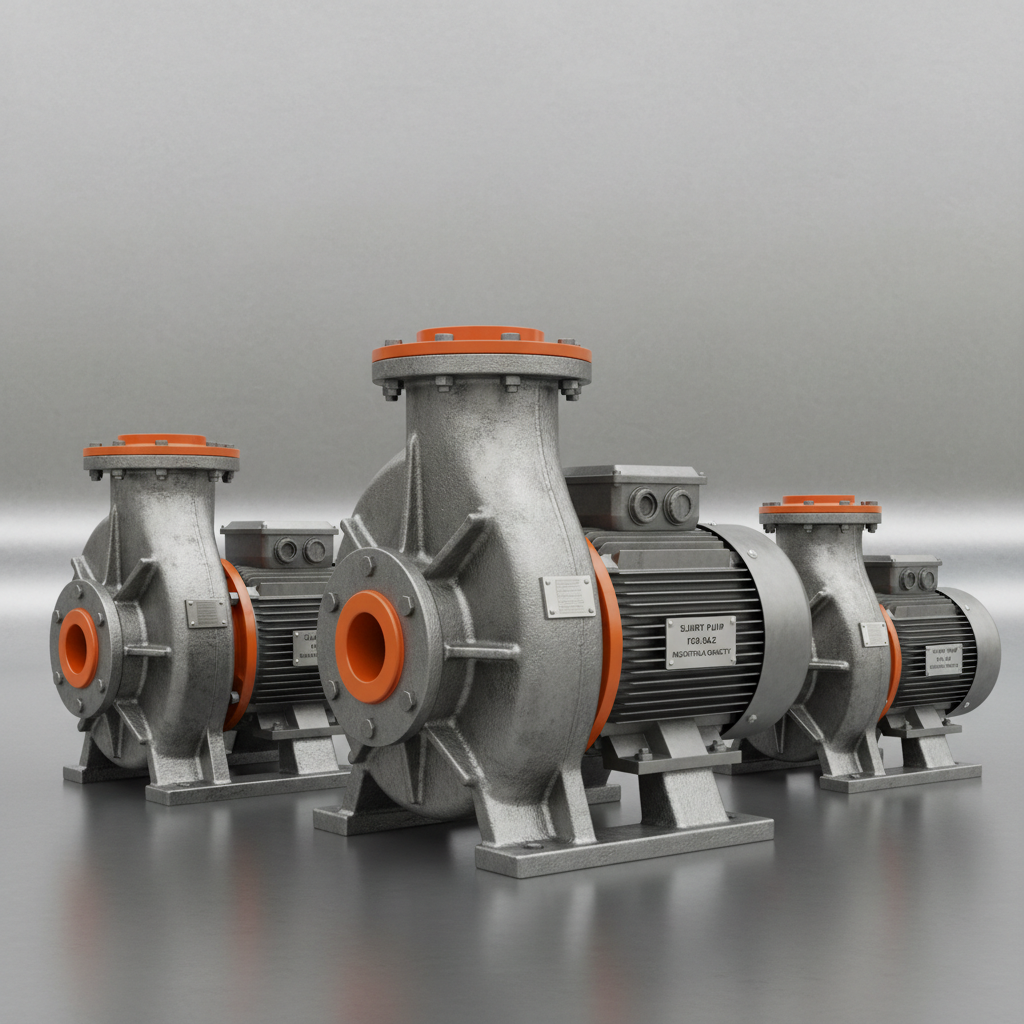
Not all slurry pumps are created equal. Depending on whether you need a horizontal, vertical, or submersible design, the performance characteristics will vary significantly. Horizontal pumps are the industry standard for tailings and mineral processing, while vertical pumps are often used in sump applications. When evaluating slurry pumps for sale, comparing these types helps in selecting a system that fits your physical space and hydraulic requirements.
Maximizing Efficiency When Buying Slurry Pumps for Sale
Efficiency in slurry transport is not just about the pump, but the entire system. When evaluating slurry pumps for sale, consider the "critical velocity"—the minimum speed required to keep solids suspended in the fluid. If the pump operates below this speed, solids will settle, causing pipe blockages. Conversely, operating too fast accelerates wear. A professional supplier will help you calculate the optimal flow rate to balance these two extremes, ensuring energy savings and extended equipment life.
Technical Specifications for Heavy-Duty Pumps
Understanding the technical datasheet is essential for any procurement manager. You should pay close attention to the Total Dynamic Head (TDH) and the specific gravity of the slurry. The following table outlines the typical specifications you will encounter when reviewing slurry pumps for sale from high-end manufacturers.
Conclusion: Securing the Best Slurry Pumps for Your Operation
Choosing from the various slurry pumps for sale requires a strategic approach that considers material science, hydraulic engineering, and total cost of ownership. By focusing on high-quality alloys, optimal flow velocities, and reputable manufacturers like Hihorn Pump, you can significantly reduce operational overhead and increase the reliability of your slurry handling system. Investing in the right pump today prevents the costly failures of tomorrow.
Frequently Asked Questions (FAQs)
How do I choose between a rubber-lined and a chrome-lined slurry pump?
The choice depends primarily on the nature of the solids being pumped. Rubber liners are superior for handling "fine" abrasive particles (like sand or silica) and are generally more resistant to corrosion. However, they can be damaged by sharp, large rocks or high temperatures. High-chrome alloy liners are designed for "coarse" abrasive materials and high-impact environments, such as tailings from a gold or iron mine. When browsing slurry pumps for sale, analyze your slurry's particle size and chemistry first to make the right selection.
What causes most slurry pump failures?
The most common causes of failure are abrasive wear, cavitation, and operating below the critical velocity. Abrasive wear is inevitable, but choosing the wrong material accelerates it. Cavitation occurs when the pump is starved of fluid, creating vacuum bubbles that implode and pit the impeller. Finally, if the flow is too slow, solids settle in the pipes, creating blockages that force the pump to work harder, eventually leading to motor burnout or seal failure. Regular maintenance and monitoring are essential for any system utilizing professional slurry pumps for sale.
Can I use a standard water pump for light slurry?
It is strongly discouraged. Standard water pumps are made of cast iron or stainless steel without the specialized liners found in slurry pumps. Even "light" slurry will act like sandpaper, eroding the impeller and casing of a water pump in a fraction of the time it would take to wear down a dedicated slurry pump. While the initial cost of slurry pumps for sale might be higher, the reduction in replacement frequency and downtime makes them the far more economical choice for any application involving solids.