When it comes to handling the most abrasive materials in mining and dredging, the expertise of leading gravel pump manufacturers is indispensable. These specialized pumps are engineered to transport heavy solids, coarse gravel, and corrosive slurries without succumbing to rapid wear and tear, ensuring that industrial operations remain seamless and productive.
The global demand for efficient mineral processing and infrastructure development has pushed gravel pump manufacturers to innovate beyond standard centrifugal designs. By integrating advanced metallurgy and fluid dynamics, these manufacturers provide solutions that minimize downtime and maximize the lifecycle of critical equipment in the harshest environments on earth.
Understanding the nuances of pump selection—from the HG Series Gravel Pump to the HAH Series Heavy Duty Slurry Pump—allows operators to optimize their energy consumption and maintenance schedules. Choosing the right partner among gravel pump manufacturers is not just a procurement decision, but a strategic investment in operational reliability and long-term cost efficiency.
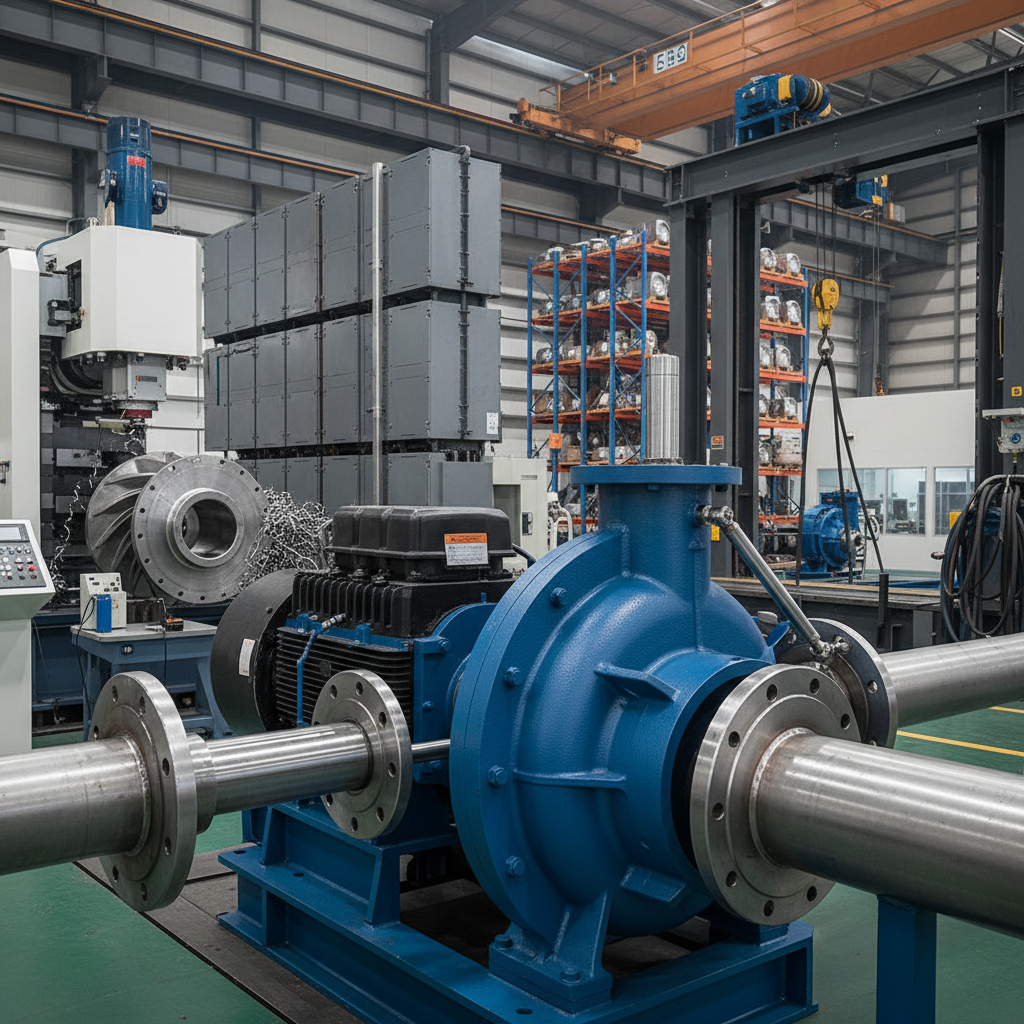
Global Industry Context of Gravel Pump Manufacturers
The global mining and aggregates sector is currently facing an unprecedented surge in demand, driven by rapid urbanization in Asia and Africa. As a result, gravel pump manufacturers have become central to the supply chain, providing the heavy-duty machinery required to move millions of tons of raw material. According to industry benchmarks, the efficiency of slurry transport can dictate up to 30% of a mine's operational overhead.
However, the industry struggles with the extreme erosive nature of gravel and tailings. Traditional pumping systems often fail prematurely, leading to catastrophic downtime. This has forced world-class gravel pump manufacturers to move toward "intelligent" wear-resistant materials, such as high-chrome alloys and specialized elastomers, to meet ISO standards for durability and environmental safety.
Defining the Role of Gravel Pump Manufacturers
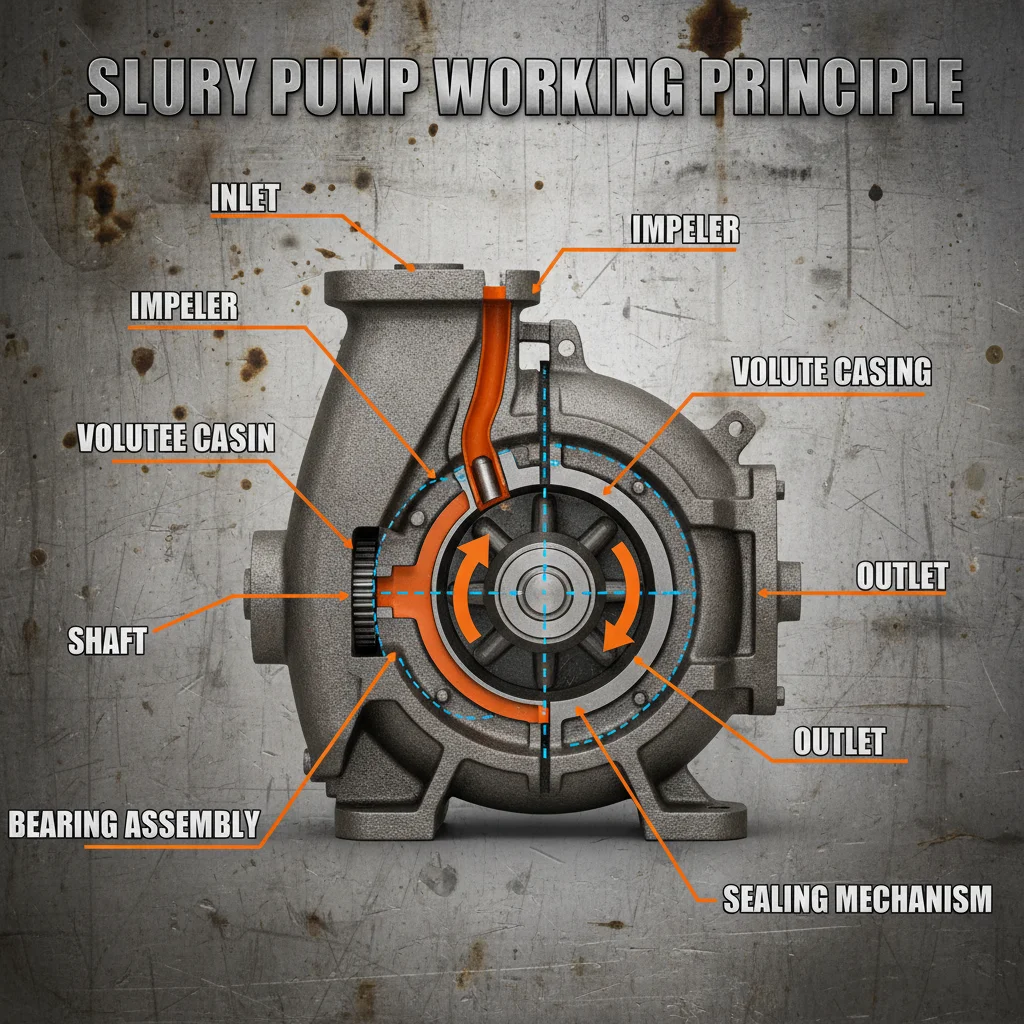
At its core, gravel pump manufacturers are the architects of fluid-solid transport systems. Unlike standard water pumps, gravel pumps are specifically designed to handle high-density fluids containing large, abrasive particles. These manufacturers focus on the intersection of hydraulic efficiency and material science to ensure that particles do not clog the impeller or erode the casing.
In the modern industrial landscape, the role of these manufacturers extends beyond simple assembly. They act as engineering consultants, helping clients choose between a HAF Series Froth Pump for mineral flotation or a HWN Series Dredge Pump for deep-water reclamation. This technical guidance is crucial for ensuring that the pump matches the specific gravity and particle size of the medium being moved.
Furthermore, gravel pump manufacturers are pivotal in supporting humanitarian and infrastructure projects. From clearing sediment in vital waterways to supporting the construction of dams and highways, the equipment they produce facilitates the movement of the earth's raw materials, bridging the gap between natural resources and urban development.
Core Components of High-Performance Gravel Pumps
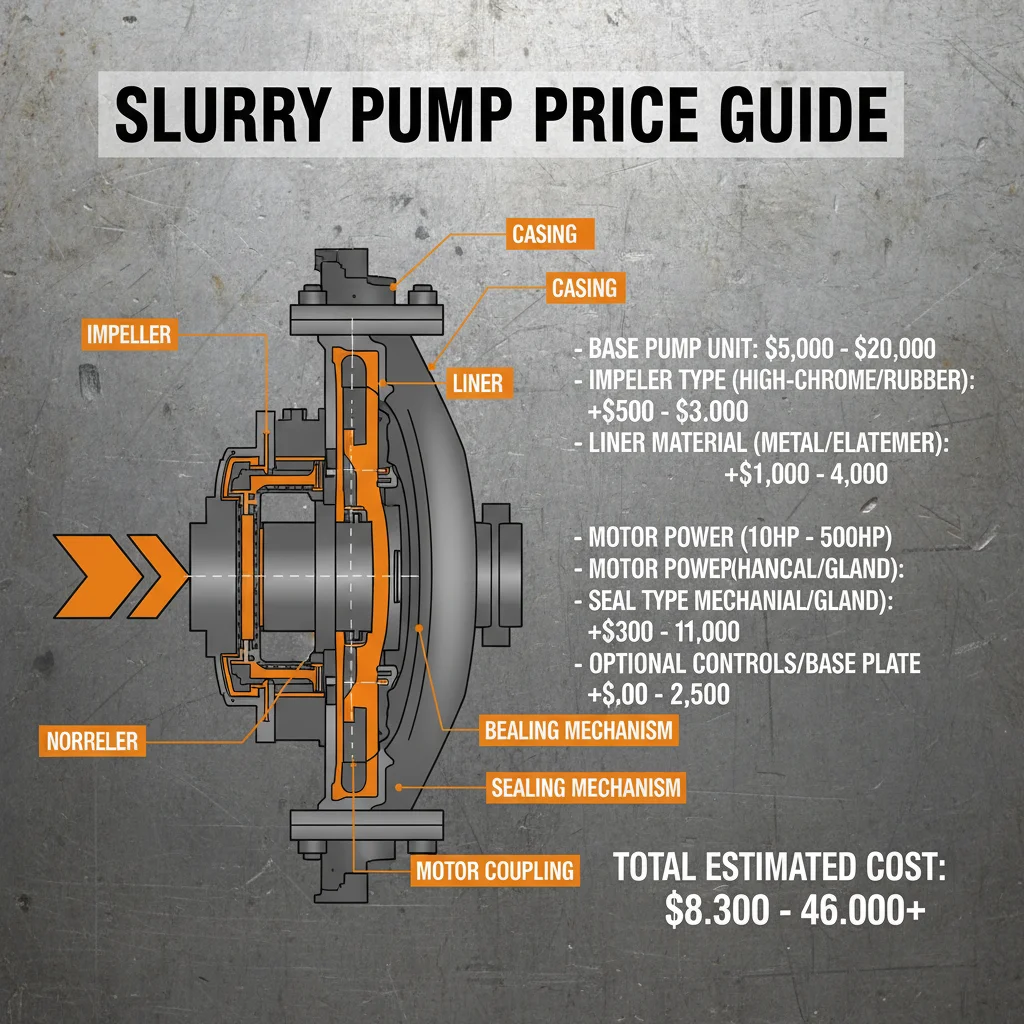
Durability is the primary metric for success among gravel pump manufacturers. The use of high-chromium cast iron and natural rubber liners ensures that the pump can withstand the constant bombardment of gravel particles. This material selection prevents the "scouring" effect that typically destroys lower-grade pumps in weeks.
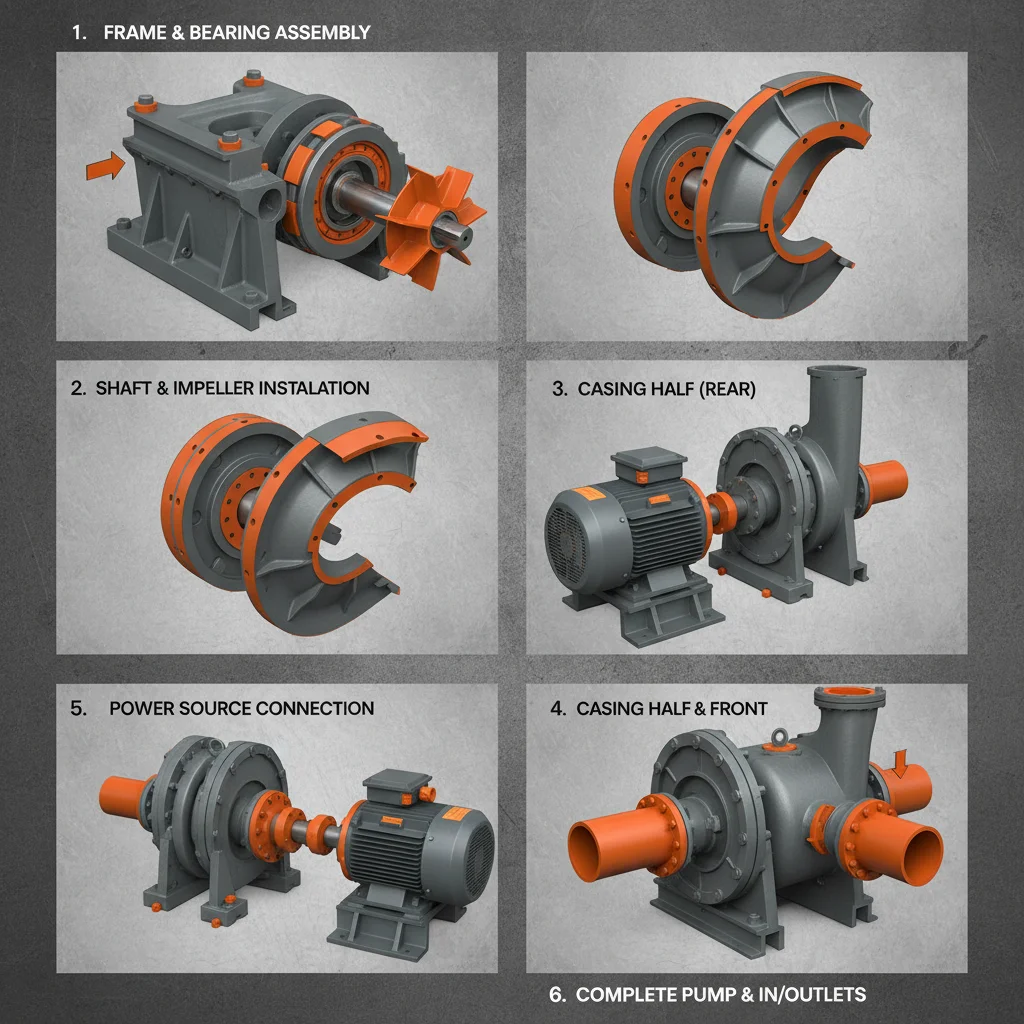
Scalability and versatility are equally important. Leading gravel pump manufacturers offer modular designs, such as the HG Series, which allow for easy upgrades to impeller sizes or liner materials based on changing slurry concentrations. This flexibility prevents the need for complete system replacements as a project evolves.
Finally, cost efficiency is achieved through precision engineering of the hydraulic flow path. By reducing turbulence within the pump casing, manufacturers can lower the energy required to move heavy solids, significantly reducing the total cost of ownership (TCO) over the equipment's 10-to-20-year lifespan.
Global Applications and Use Cases
The applications for equipment from gravel pump manufacturers span across diverse geographies. In the copper mines of Chile or the gold fields of Australia, HAH Series Heavy Duty Slurry Pumps are used to transport ore from the pit to the processing plant, where reliability is the only way to maintain a 24/7 production cycle.
In urban development projects, such as the expansion of ports in Southeast Asia, HWN Series Dredge Pumps are deployed to remove seabed gravel and silt. Similarly, in post-flood recovery operations in flood-prone regions, HSP Series Sump Pumps are critical for rapidly removing slurry-mixed water to allow for road repairs and structural stabilization.
Performance Metrics by Gravel Pump Manufacturers Solution
Long-Term Value and Strategic Advantages
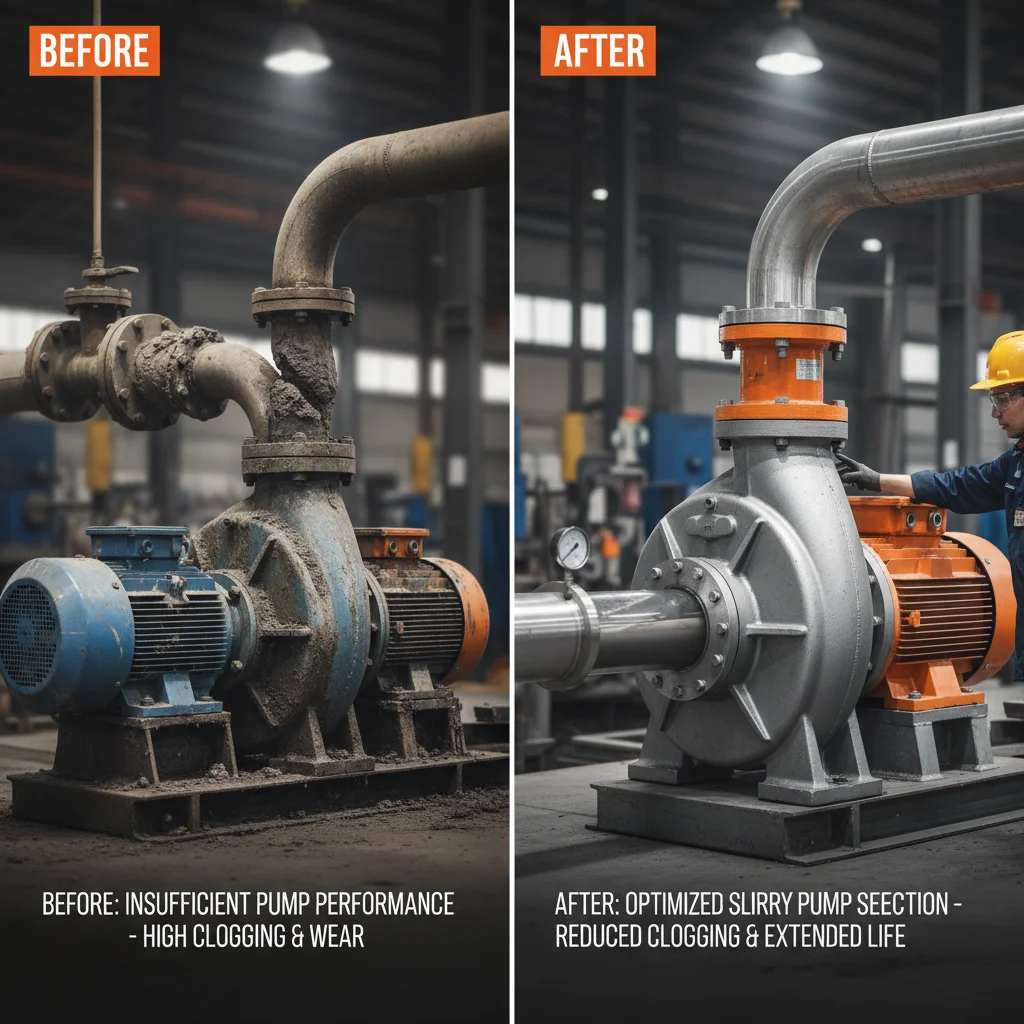
Investing in high-tier equipment from reputable gravel pump manufacturers translates directly into operational stability. The primary tangible benefit is the drastic reduction in unplanned downtime. When a pump is built to handle the actual particle size of the site, the frequency of liner replacements drops, and the safety of the workforce is increased by reducing the need for emergency repairs in hazardous zones.
Beyond the numbers, there is a logical and emotional value in trust. Knowing that a pump can operate under extreme head pressure without cavitation provides peace of mind to site managers. Moreover, the shift toward sustainability—using pumps that require less energy to move the same volume of gravel—helps companies meet ESG (Environmental, Social, and Governance) goals, making them more attractive to global investors.
Future Trends in Slurry Handling Technology
The next frontier for gravel pump manufacturers is the integration of the Industrial Internet of Things (IIoT). We are seeing a move toward "Smart Pumps" equipped with vibration sensors and acoustic wear-monitoring systems. These allow operators to predict exactly when a liner will fail, moving maintenance from a reactive to a predictive model.
Material science is also evolving. The development of ceramic-metal composites (Cermets) promises a leap in hardness that could potentially double the lifespan of impellers in the HG and HAH series. This innovation will allow pumps to handle even more aggressive tailings with less frequent intervention.
Finally, there is a strong push toward green energy. Many manufacturers are optimizing pump hydraulics to be compatible with variable frequency drives (VFDs) powered by solar or wind arrays in remote mining sites, reducing the carbon footprint of heavy industry.
Overcoming Challenges in Pump Maintenance
Despite the advancements by gravel pump manufacturers, challenges such as "plugging" and "cavitation" remain common. Plugging occurs when oversized gravel blocks the suction, while cavitation happens when the pressure drops too low, causing bubbles that implode and pit the metal.
The solution lies in a combination of better system design and operator training. Expert manufacturers now recommend the installation of automated slurry density controllers and suction-side screens to ensure a consistent feed. This systemic approach prevents the pump from being pushed beyond its hydraulic limits.
Additionally, the availability of OEM spare parts is a critical bottleneck. To solve this, leading manufacturers are establishing regional distribution hubs and providing detailed digital manuals, ensuring that a replacement impeller for a HZ Series pump can be delivered and installed within hours, not weeks.
Comparison of Maintenance Strategies Across Various Slurry Pump Series
|
Pump Series
|
Primary Wear Factor
|
Recommended Material
|
Maintenance Cycle (Days)
|
| HG Series Gravel |
High-impact abrasion |
High-Chrome Alloy |
90-120 |
| HAH Heavy Duty |
Severe slurry erosion |
Cr-Mo Steel |
60-90 |
| HAF Froth |
Chemical corrosion |
Duplex Stainless |
180-240 |
| HSSP Submersible |
Silt accumulation |
Rubber Lining |
45-75 |
| HWN Dredge |
Deep-water pressure |
Hardened Alloy |
120-150 |
| HZ Series Slurry |
Mixed particle wear |
Chrome Iron |
100-130 |
FAQS
When evaluating gravel pump manufacturers, look beyond the price tag. Focus on their material certifications (e.g., ASTM or ISO standards), the availability of OEM spare parts, and their ability to provide a custom hydraulic analysis for your specific slurry density. A manufacturer that offers a range of series, like the HG and HAH, demonstrates the versatility needed for complex projects.
It depends on the material. While standard gravel pumps focus on abrasion resistance, specific series like the HAF Froth Pump are engineered for both abrasion and corrosion. If your medium is chemically aggressive, ensure your chosen gravel pump manufacturer provides duplex stainless steel or specialized polymer coatings to prevent chemical pitting.
With high-quality equipment from professional gravel pump manufacturers, the pump casing can last several years. However, the "wear parts" (impellers and liners) typically require replacement every 3 to 6 months depending on the gravel size and flow rate. Using predictive monitoring can extend the life of the main chassis by preventing catastrophic failures.
Submersible pumps, like the HSSP Series, are ideal for sump applications where the pump must be immersed in the fluid to avoid suction issues. Centrifugal pumps are better for long-distance transport and higher volumes. The choice depends on whether you are removing gravel from a pit (submersible) or moving it through a pipeline (centrifugal).
Weekly visual inspections of the discharge pressure and vibration levels are recommended. A drop in head pressure usually indicates that the impeller has worn down. Top gravel pump manufacturers now suggest installing wear sensors that provide real-time data, allowing you to schedule maintenance during planned shutdowns rather than emergency stops.
Yes. While generic parts may be cheaper initially, OEM parts from the original gravel pump manufacturers are designed to the exact tolerances of the pump. Third-party parts often lead to imbalance, increased vibration, and accelerated wear on the shaft and bearings, which ultimately increases the total cost of ownership.
Conclusion
The strategic selection of equipment from experienced gravel pump manufacturers is the cornerstone of any successful large-scale mining or dredging operation. From the raw power of the HAH Series to the specialized application of the HWN Dredge Pump, these machines transform the challenge of abrasive transport into a manageable industrial process. By focusing on material durability, hydraulic efficiency, and predictive maintenance, operators can ensure their projects remain viable and profitable.
Looking ahead, the integration of smart sensors and sustainable energy will redefine the standards of slurry handling. We encourage operators to move toward an integrated approach—combining high-grade hardware with data-driven maintenance to maximize uptime. For those seeking reliable, high-performance pumping solutions tailored to the harshest environments, we invite you to explore our full range of industrial pumps. Visit our website: www.hihornpump.com