Finding reliable gravel pump suppliers is a critical strategic decision for any industrial operation dealing with abrasive solids. Whether it is in large-scale mining, dredging projects, or municipal waste management, the ability to move heavy gravel and slurry without constant equipment failure determines the overall profitability of the site. Understanding the nuances of pump engineering ensures that companies don't just buy a piece of machinery, but invest in a long-term operational solution.
Globally, the demand for high-performance slurry handling has surged as infrastructure projects expand into more challenging terrains. The role of professional gravel pump suppliers has shifted from mere hardware providers to technical partners who optimize flow rates and minimize wear-and-tear. With the rise of stricter environmental regulations and the need for higher energy efficiency, selecting a supplier that integrates advanced metallurgy with hydraulic precision is more important than ever.
In this comprehensive guide, we will explore the essential criteria for evaluating pump vendors, the technical specifications that differentiate a standard pump from a heavy-duty gravel specialist, and how to maximize the lifecycle of your equipment. By focusing on durability, material science, and application-specific design, operators can significantly reduce unplanned downtime and lower the total cost of ownership.
The Global Importance of Gravel Pump Suppliers
On a global scale, the infrastructure and mining sectors rely heavily on the output of gravel pump suppliers to maintain the flow of raw materials. According to industrial benchmarks, unplanned downtime due to pump failure in abrasive environments can cost mining operations thousands of dollars per hour. This highlights the necessity of sourcing equipment from suppliers who understand the volatile nature of slurry and the physical demands of moving large particulate matter.
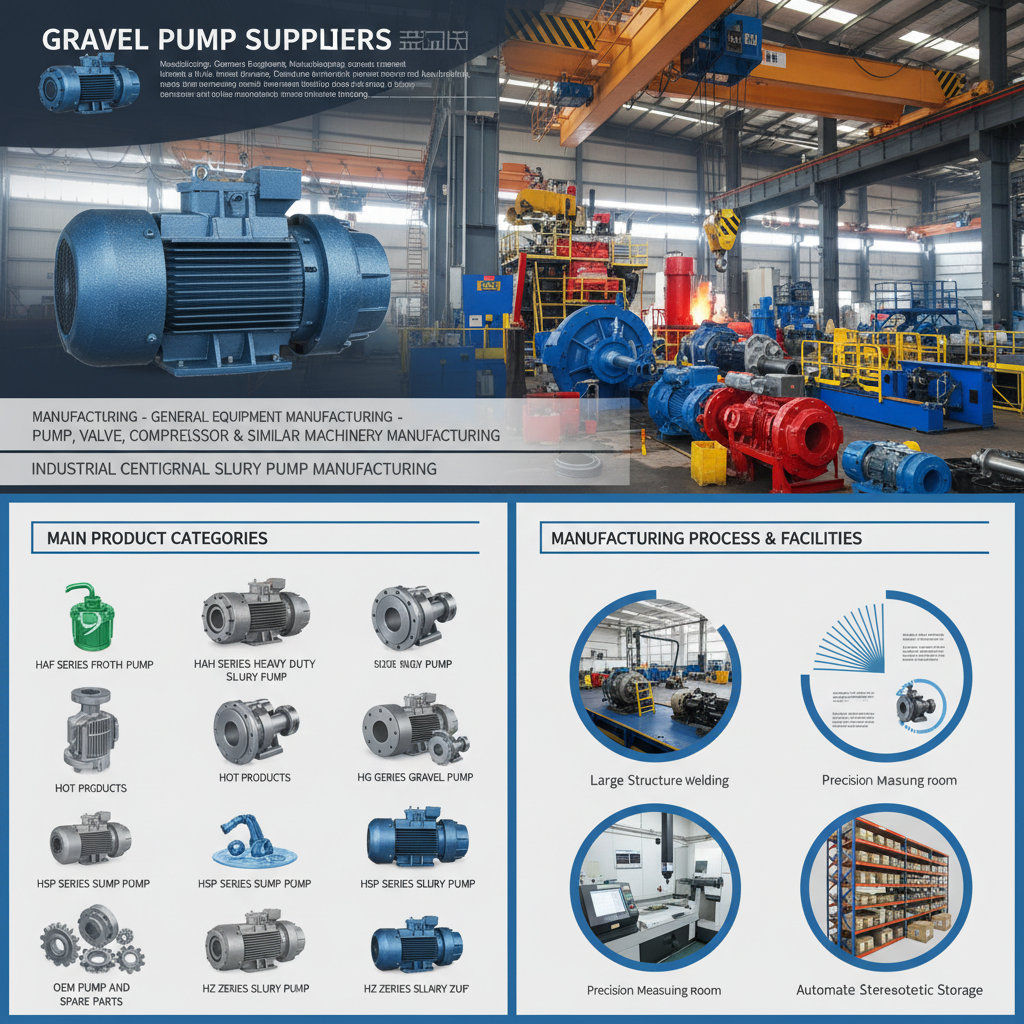
Furthermore, as emerging economies invest in massive urbanization, the need for efficient dredging and land reclamation has increased. Suppliers who can provide scalable solutions—from the HG Series Gravel Pumps for heavy aggregates to HZ Series Slurry Pumps for finer materials—allow these projects to meet deadlines while adhering to ISO quality standards. The ability to provide rapid spare parts and OEM support is what separates top-tier suppliers from generic manufacturers.
Defining the Role of Professional Pump Suppliers
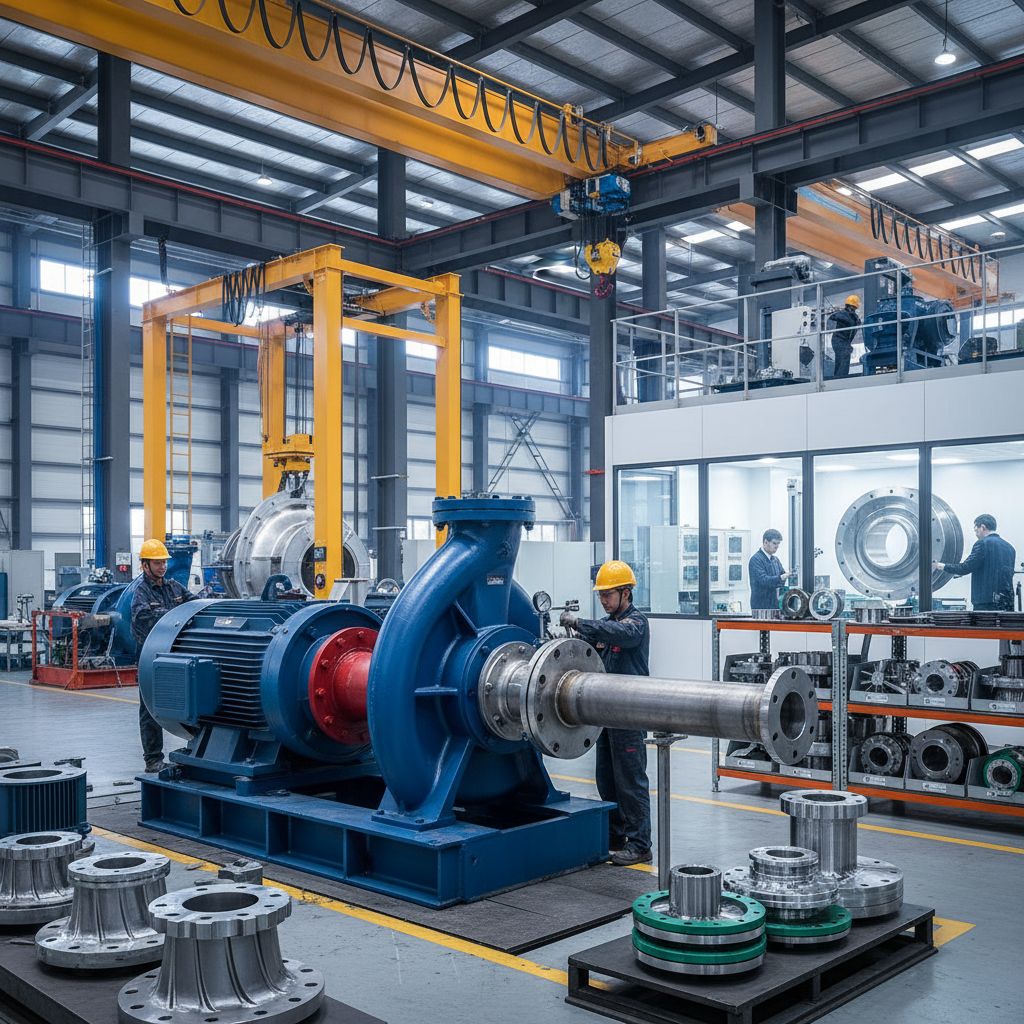
At its core, gravel pump suppliers are not just vendors of hardware; they are engineers of fluid dynamics. A professional supplier specializes in providing centrifugal pumps designed specifically to handle high concentrations of solids without clogging or premature erosion. This involves a deep understanding of the "critical velocity"—the speed at which solids remain suspended in the liquid to prevent sedimentation within the pump casing.
Beyond the machinery, these suppliers provide the vital link between raw industrial requirements and technical execution. They analyze the chemical composition of the slurry, the particle size of the gravel, and the required head pressure to recommend the correct pump series. Whether it's a submersible solution like the HSSP Series or a heavy-duty surface pump like the HAH Series, the supplier's expertise ensures the system is balanced for efficiency and longevity.
In the modern industrial landscape, this role extends to humanitarian and environmental needs. For instance, during flood recovery or post-disaster debris removal, the rapid deployment of high-capacity gravel pumps is essential for restoring critical infrastructure. Professional suppliers ensure that these machines are rugged enough for remote deployment and simple enough for field maintenance.
Core Components of High-Performance Gravel Pumps
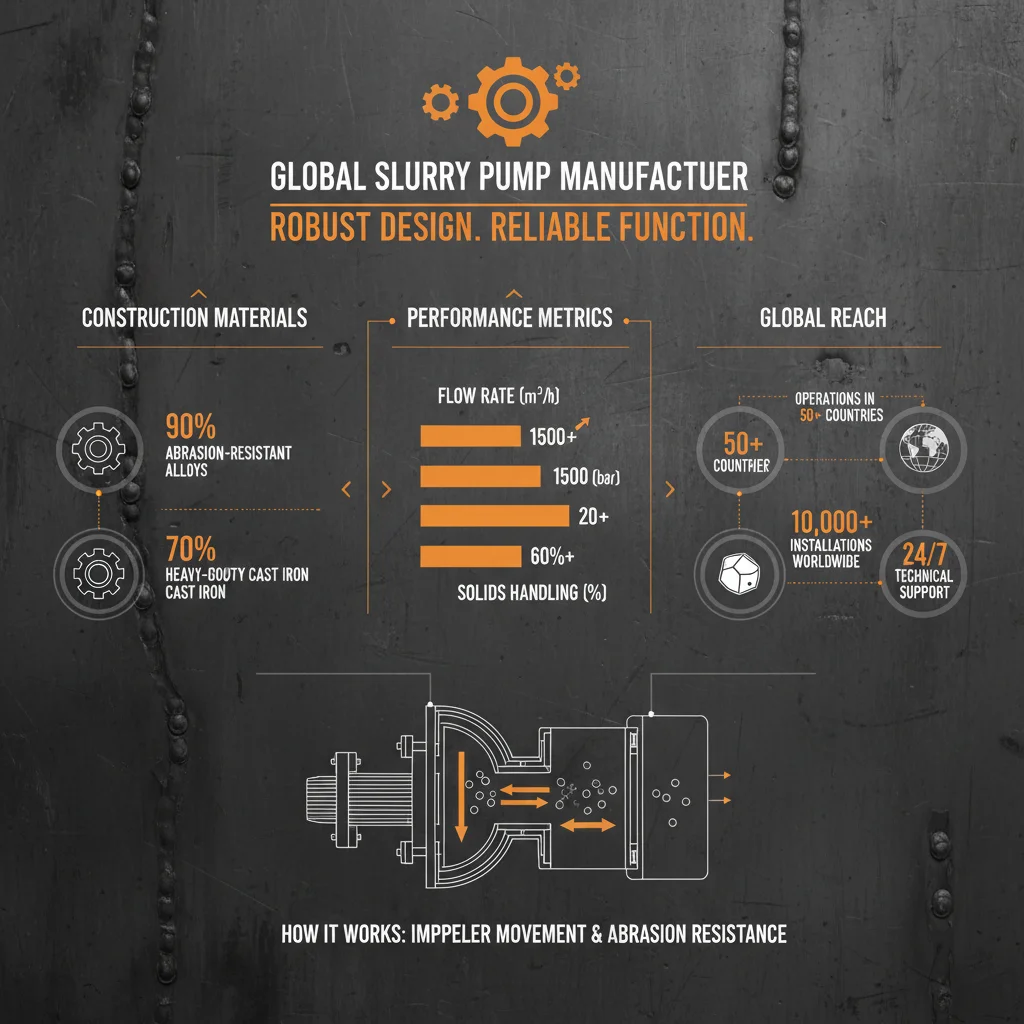
When evaluating gravel pump suppliers, one must look closely at the materials used in the wetted parts. High-chrome alloys and natural rubber linings are the gold standard for combating the abrasive nature of gravel. The impeller design is equally crucial; a semi-open or open impeller is typically required to allow larger solids to pass through without causing internal blockages.
Another critical factor is the sealing mechanism. Leading gravel pump suppliers often implement expeller seals or double mechanical seals to prevent abrasive particles from entering the bearing housing. This innovation significantly extends the Mean Time Between Failures (MTBF) and reduces the frequency of costly teardowns in the field.
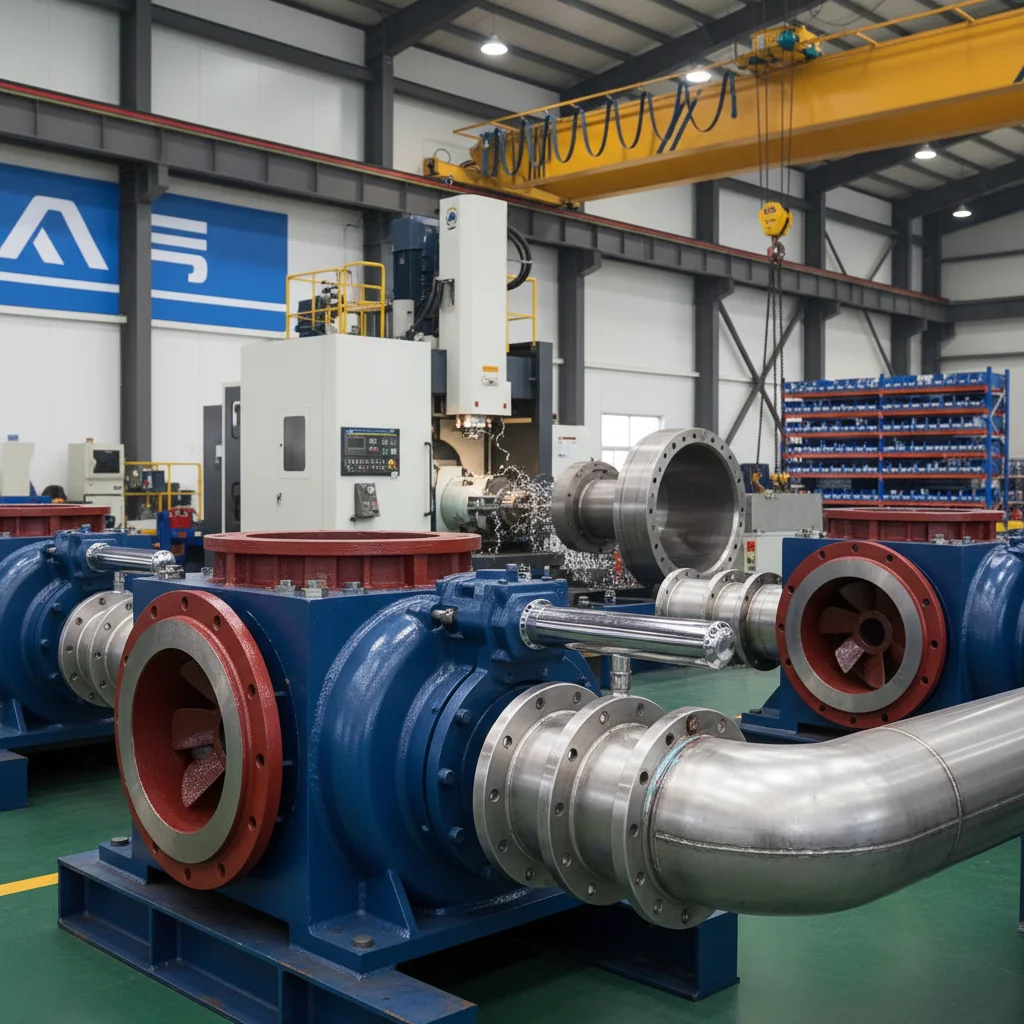
Finally, the structural rigidity of the pump casing determines how well the machine handles pressure surges. Heavy-duty castings and reinforced flanges ensure that the pump can withstand the physical impact of large stones. By integrating these core components, suppliers provide a product that balances high volumetric efficiency with extreme wear resistance.
Operational Efficiency and Cost Factors
The true value provided by experienced gravel pump suppliers is the optimization of Total Cost of Ownership (TCO). While the initial purchase price is a factor, the operational expenditure—including electricity, wear part replacement, and labor—is where the real costs lie. An efficiently designed pump reduces energy consumption by minimizing internal turbulence and optimizing the hydraulic path.
Furthermore, the ability to perform "in-situ" maintenance reduces downtime. Suppliers who offer modular designs, allowing for the replacement of liners and impellers without removing the entire pump from the piping, provide a massive competitive advantage to the end-user.
Comparative Performance Ratings from Gravel Pump Suppliers
Global Applications and Use Cases
The versatility of equipment from gravel pump suppliers allows for deployment in diverse environments. In the mining regions of Australia and Canada, the HAH Series Heavy Duty Slurry Pumps are utilized for transporting tailings and raw ore, where the consistency of the material can change rapidly. These pumps are engineered to handle the shock loads associated with large rock fragments.
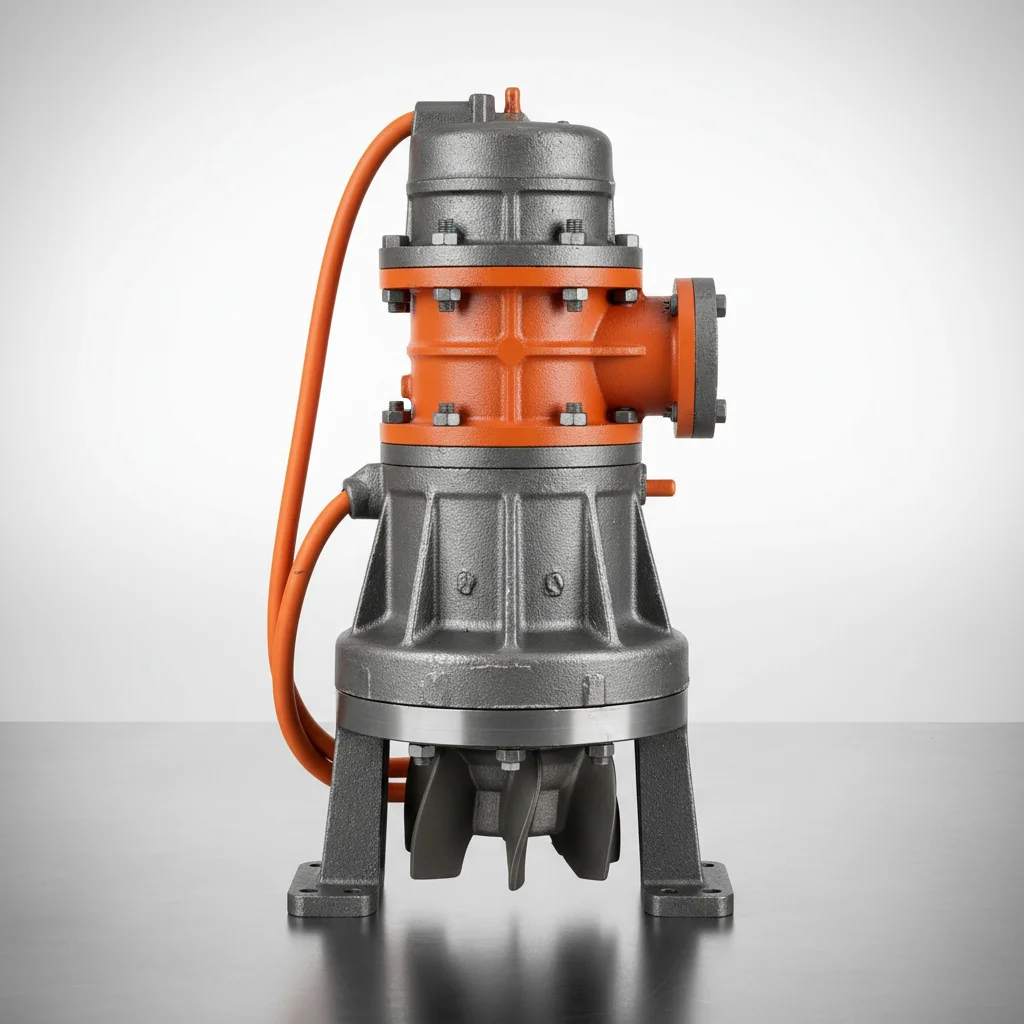
In Southeast Asia, dredging operations for port expansion rely heavily on the HWN Series Dredge Pumps. These systems are designed to lift sandy gravel from seabed levels and transport it over long distances. Similarly, in municipal settings, the HSP Series Sump Pumps are essential for managing storm-water runoff containing grit and gravel, preventing urban flooding while protecting city sewage infrastructure.
Long-Term Value and Sustainability
Investing in premium gravel pump suppliers provides tangible long-term value through increased reliability. When a pump is matched perfectly to the application, the risk of catastrophic failure is minimized. This reliability translates to safer working environments, as fewer emergency repairs mean fewer technicians exposed to hazardous industrial zones.
Sustainability is also a key driver. Modern pumps are designed with higher hydraulic efficiency, meaning they require less kilowatt-hours per ton of material moved. By reducing energy waste and extending the life of wear parts through better material science, these suppliers help companies reduce their overall carbon footprint.
Moreover, the trust established with a supplier who provides comprehensive OEM spare parts ensures that the machinery can be refurbished rather than replaced. This circular approach to equipment management reduces industrial waste and ensures that the initial capital investment provides value for decades.
Future Trends in Slurry Pumping Technology
The landscape of gravel pump suppliers is currently being transformed by digital integration. The introduction of IoT sensors allows for "predictive maintenance," where vibration and temperature data are monitored in real-time. This allows operators to replace a liner exactly when it reaches its wear limit, rather than relying on a fixed schedule, thus optimizing uptime.
Material science is also advancing with the development of nano-composite coatings that offer even higher hardness than traditional high-chrome alloys. These innovations are enabling pumps to handle more aggressive slurries with even lower friction coefficients, further driving down energy costs.
Automation is the final frontier, with smart control systems that automatically adjust pump speed based on the density of the incoming gravel. This prevents "slugging" and ensures a consistent flow, protecting the entire pipeline from wear and reducing the manual oversight required for operation.
Technical Comparison of Gravel Pump Series for Different Industrial Needs
| Pump Series |
Primary Application |
Wear Resistance |
Efficiency Score |
| HG Series |
Heavy Gravel/Mining |
Extreme |
8/10 |
| HAH Series |
Heavy Duty Slurry |
Very High |
9/10 |
| HWN Series |
Dredging/Sand |
High |
9/10 |
| HSSP Series |
Submersible Slurry |
Medium-High |
7/10 |
| HZ Series |
General Slurry |
High |
8/10 |
| HSP Series |
Sump Pumping |
Medium |
8/10 |
FAQS
You should evaluate suppliers based on their material expertise (specifically high-chrome alloys), their ability to provide customized impeller designs for your specific gravel size, and their after-sales support for OEM spare parts. A supplier that offers a full range, from heavy-duty HAH series to submersible options, usually indicates a higher level of engineering versatility.
Standard pumps are designed for clean liquids and will fail rapidly if exposed to solids. Gravel pumps from specialized suppliers feature abrasion-resistant linings, larger internal clearances to prevent clogging, and reinforced casings to handle the physical impact of stones and grit without cracking.
Replacement frequency depends on the slurry's abrasiveness and the pump's operating speed. However, professional suppliers recommend regular ultrasonic thickness testing of the liner. With high-quality chrome alloys, intervals are extended, but critical components like impellers should be inspected every 3-6 months in high-intensity operations.
Generally, surface pumps like the HG series are designed for the absolute heaviest aggregates due to their larger intake diameters. However, modern submersible slurry pumps (like the HSSP series) are increasingly capable, provided the solids are within the specified maximum particle size for that particular model.
Actually, the opposite is often true. Energy efficiency in pumps is usually a result of better hydraulic design, which reduces internal turbulence. Less turbulence means less erratic wear on the pump internals, which can actually lower the frequency of maintenance compared to inefficient, "brute-force" pump designs.
Many top-tier suppliers offer OEM and cross-compatible spare parts. Because the standards for high-chrome alloys and rubber linings are relatively consistent across the industry, specialized manufacturers can often provide higher-quality alternatives to original equipment, reducing costs for the end-user.
Conclusion
Selecting the right gravel pump suppliers is a decision that impacts every facet of an industrial operation, from daily energy costs to long-term equipment reliability. By focusing on advanced material science, precise hydraulic engineering, and a robust supply chain for spare parts, companies can ensure that their slurry handling systems remain efficient even under the most abrasive conditions. The integration of high-performance series, such as the HAH and HG pumps, provides the necessary durability to tackle the world's toughest gravel and mining challenges.
Looking forward, the industry is moving toward a more intelligent, data-driven approach where predictive maintenance and automated flow controls will become standard. For operators, the key to success lies in partnering with a supplier who not only sells a product but provides a comprehensive technical ecosystem. To optimize your slurry handling and reduce downtime, we invite you to explore professional solutions tailored to your specific needs. Visit our website: www.hihornpump.com