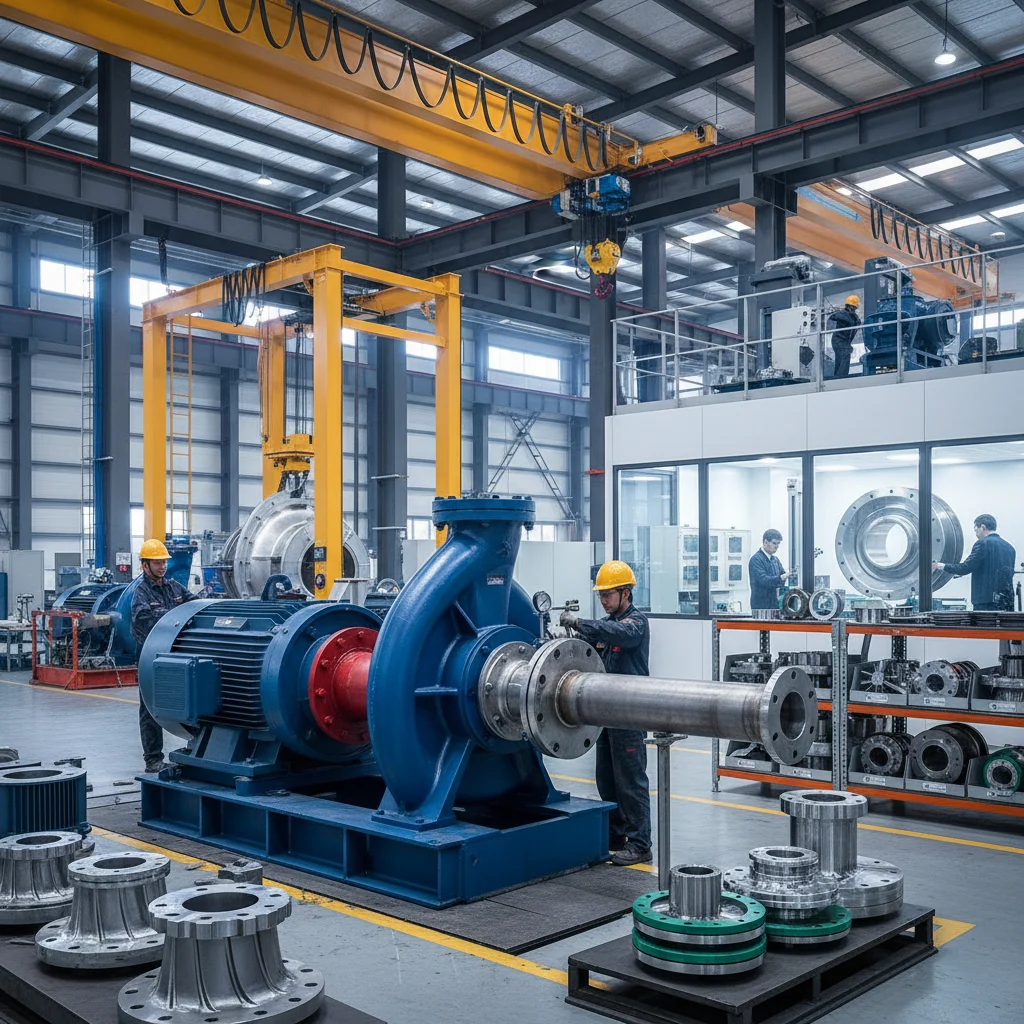
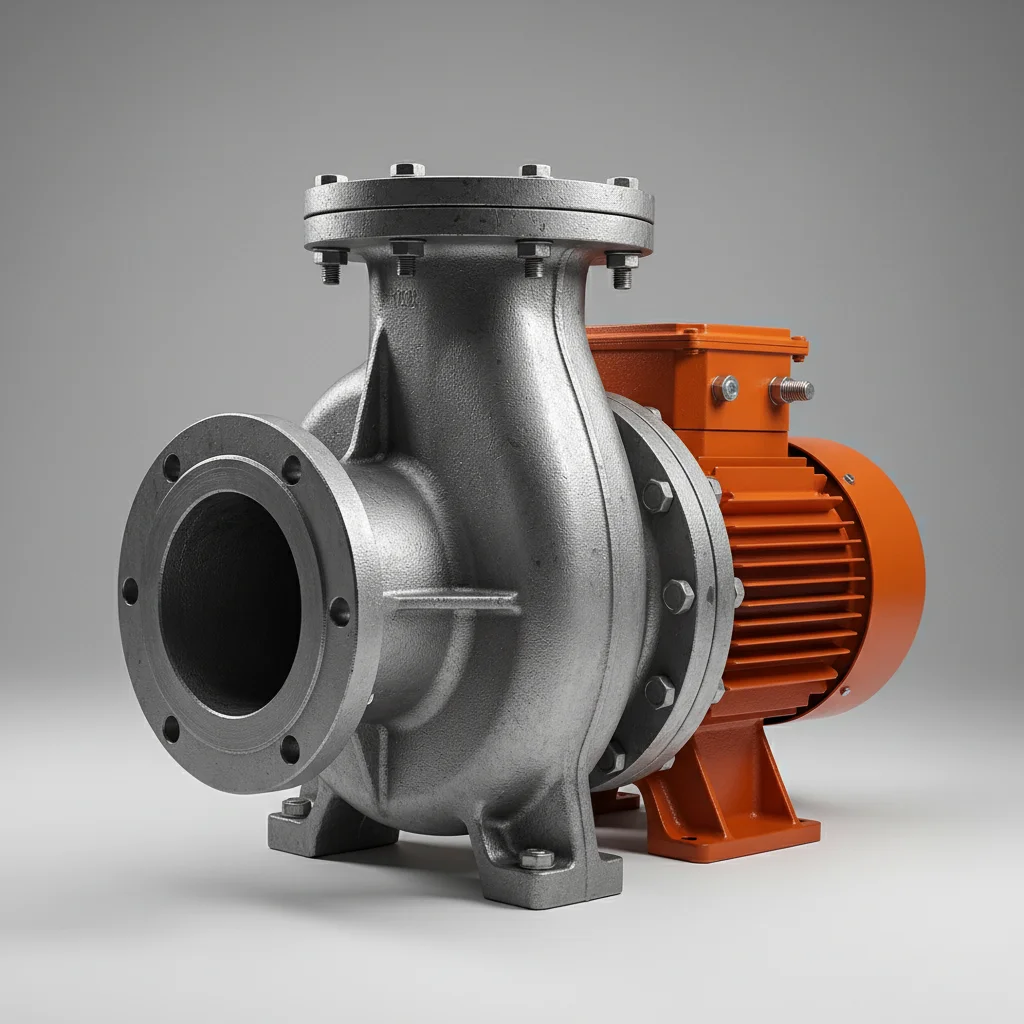
In the demanding landscape of industrial mining and dredging, selecting the right equipment is the difference between operational efficiency and costly downtime. A professional gravel pump factory does more than just assemble machinery; it engineers solutions for some of the most abrasive environments on earth, ensuring that heavy solids and coarse gravel are transported without compromising the integrity of the system.
The global demand for high-performance slurry handling has surged as infrastructure projects expand and mining depths increase. Understanding the technical nuances of how a gravel pump factory optimizes impeller design and liner materials allows operators to reduce maintenance cycles and maximize the throughput of essential minerals and aggregates.
Whether you are managing a large-scale dredging operation or a mineral processing plant, the reliability of your pumping system is paramount. By partnering with a specialized gravel pump factory, industries can leverage cutting-edge metallurgy and hydraulic engineering to tackle the challenges of high-density slurry transport with confidence and precision.
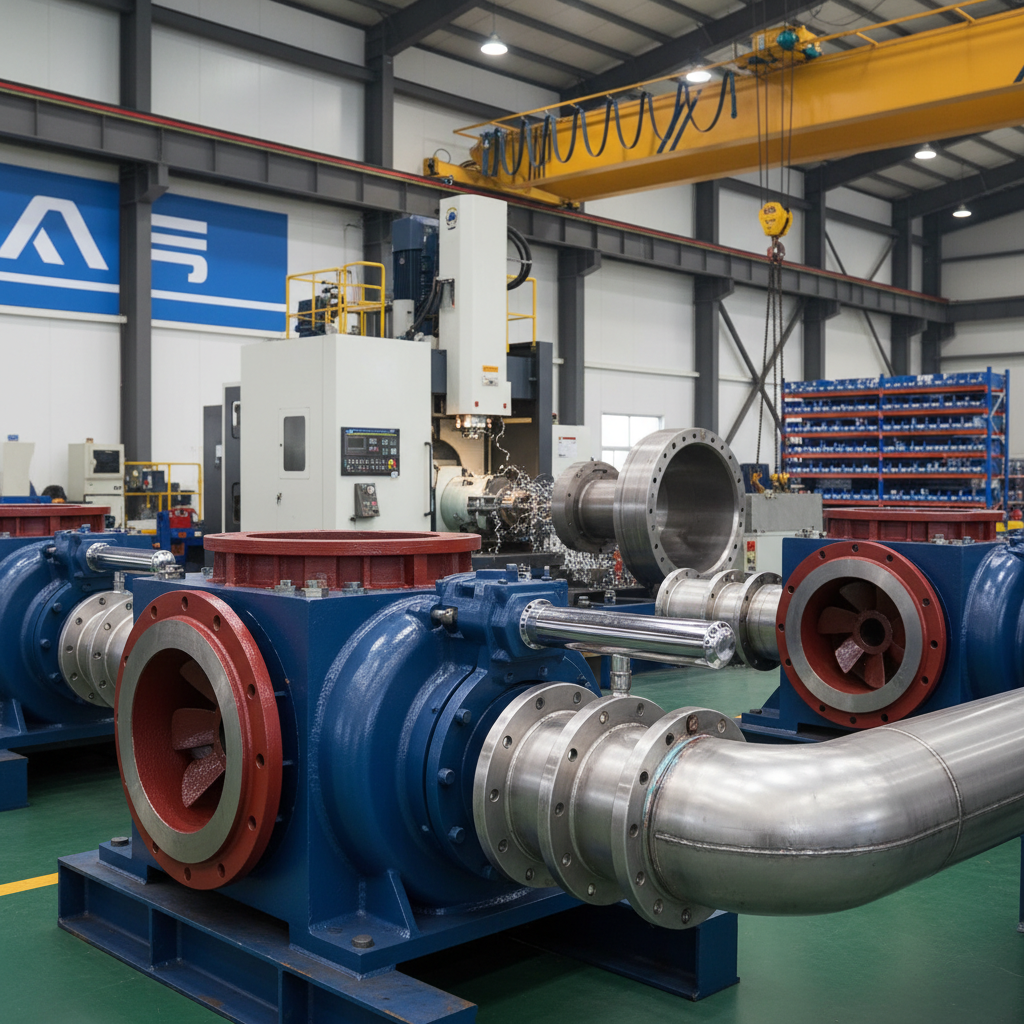
Global Impact of the Gravel Pump Factory
The role of a gravel pump factory extends far beyond simple manufacturing; it is a cornerstone of global infrastructure and resource extraction. As cities grow and the need for construction aggregates increases, the ability to efficiently move gravel and sand through slurry systems becomes a critical economic driver. According to industrial standards, the efficiency of these pumps directly correlates to the energy consumption of mining sites, making the engineering precision of the factory essential for sustainable development.
Furthermore, the global shift toward deeper dredging and more complex mineral recovery requires equipment that can withstand extreme pressures and abrasive wear. A top-tier gravel pump factory implements rigorous ISO-certified quality controls to ensure that pumps can operate in diverse climates, from the frozen tundras of the north to the humid tropical regions of Southeast Asia, thereby supporting global supply chains for raw materials.
Defining the Modern Gravel Pump Factory
In simple terms, a gravel pump factory is a specialized industrial facility dedicated to the design, casting, and assembly of centrifugal pumps specifically engineered to handle "heavy" slurries—liquids containing large, abrasive particles like gravel, crushed stone, and ore. Unlike standard water pumps, these factories focus on "wear-resistance," utilizing high-chrome alloys and natural rubber linings to prevent the pump from being eaten away by the very materials it transports.
Modern factories integrate advanced CFD (Computational Fluid Dynamics) software to simulate the flow of gravel within the pump volute. This allows engineers to minimize turbulence and dead zones, which are the primary causes of premature wear. By optimizing the hydraulic path, a gravel pump factory ensures that the equipment can maintain a high flow rate even when transporting high-density solids.
Beyond the machinery, these factories serve as hubs of humanitarian and industrial support. For example, in post-flood recovery or land reclamation projects, the rapid deployment of heavy-duty gravel pumps provided by these factories is essential for clearing debris and restoring navigable waterways, proving that their impact is both commercial and societal.
Core Engineering Factors for Durability
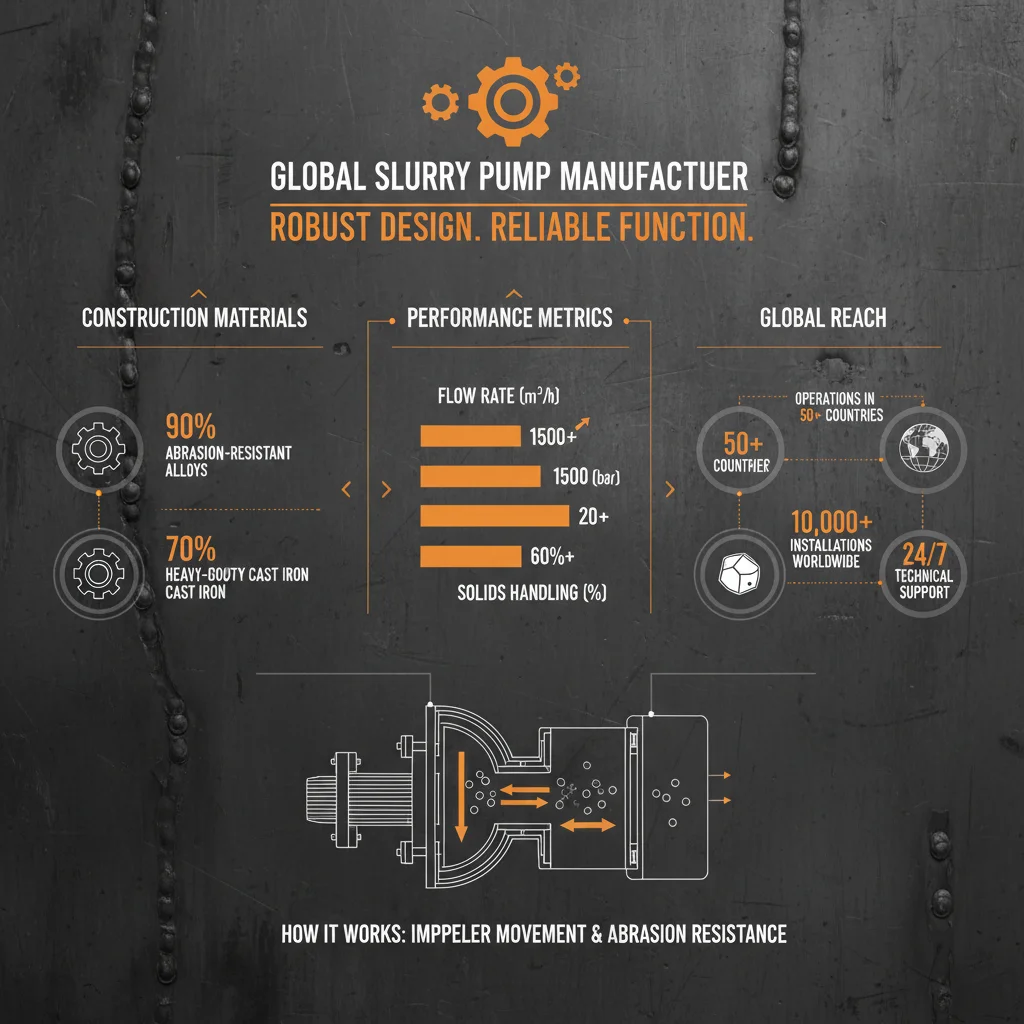
The primary focus of any leading gravel pump factory is material science. To combat the aggressive nature of gravel, factories employ specialized alloys such as High Chrome (27% Cr) and duplex stainless steels. These materials provide the hardness necessary to resist abrasion while maintaining the toughness required to prevent cracking under the impact of large stones.
Another critical component is the "impeller geometry." A professional gravel pump factory designs open or semi-open impellers with wide passages to prevent clogging. By precisely calculating the vane angle and thickness, they ensure that the pump can move large particles without causing excessive vibration or cavitation, which would otherwise lead to mechanical failure.
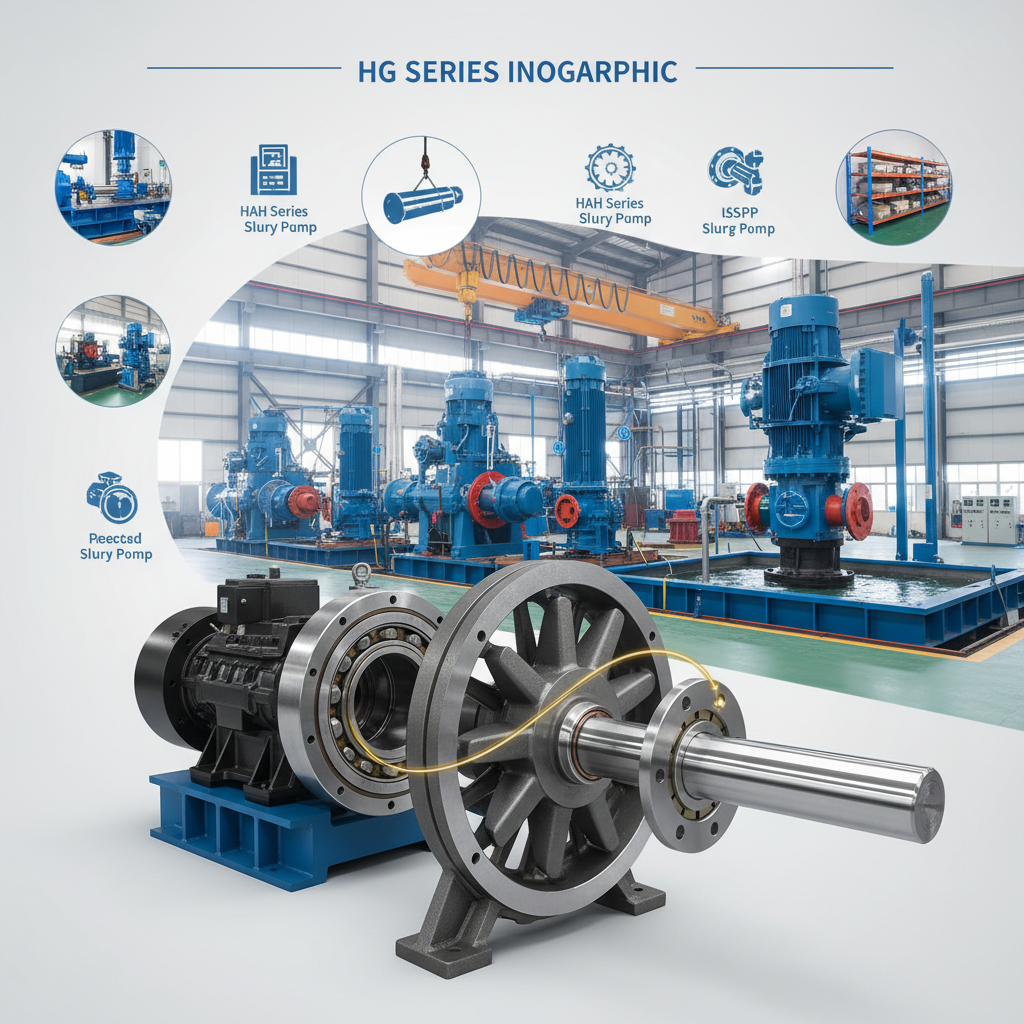
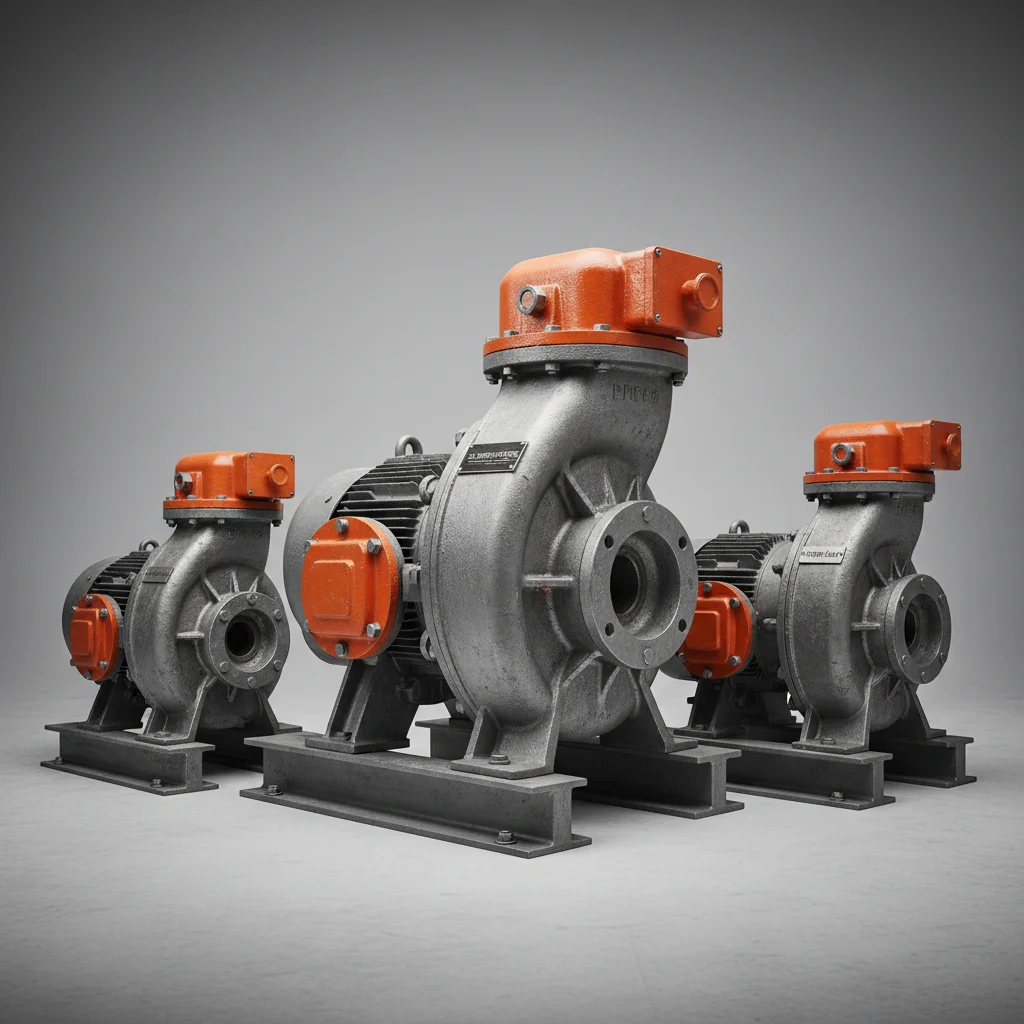
Finally, scalability and modularity are key. A gravel pump factory must provide a range of options—from the HG Series Gravel Pumps for heavy-duty dredging to HSP Series Sump Pumps for site drainage. This flexibility ensures that whether a client is operating a small quarry or a massive open-pit mine, the equipment is perfectly matched to the specific particle size and slurry density of the project.
Comparative Performance Metrics in Production
Measuring the success of a production line in a gravel pump factory involves analyzing several Key Performance Indicators (KPIs). These include the Mean Time Between Failures (MTBF), the energy efficiency ratio (kWh per cubic meter of slurry), and the wear rate of the liners. By comparing different design iterations, factories can pinpoint which materials and geometries offer the best balance of longevity and cost.
For instance, comparing a standard chrome alloy liner to a ceramic-composite liner reveals a significant difference in operational lifespan. While the initial cost may be higher, the reduction in downtime makes the high-end options more viable for 24/7 mining operations. The following data represents typical performance ratings across different manufacturing approaches used in the industry.
Performance Efficiency by Gravel Pump Factory Method
Global Applications and Use Cases
The products of a gravel pump factory are deployed in a variety of high-stakes environments. In the mining sector, HG Series Gravel Pumps are used to transport tailings and raw ore from the pit to the processing plant. This prevents the need for expensive conveyor belts over long distances and allows for more flexible site layouts.
In coastal engineering, HWN Series Dredge Pumps are indispensable for harbor deepening and land reclamation. In regions like the UAE or Singapore, these pumps are used to move massive quantities of seabed gravel to create new landmasses. These applications require pumps that can operate continuously for weeks, highlighting the need for the extreme reliability provided by specialized factory engineering.
Long-Term Value and Strategic Advantages
Investing in equipment from a reputable gravel pump factory provides long-term economic value that far exceeds the initial purchase price. By reducing the frequency of part replacements—such as impellers and wear plates—companies can drastically lower their Total Cost of Ownership (TCO). Reliability also means safer operations; fewer manual interventions for pump repairs mean a lower risk of workplace accidents in hazardous mining zones.
Beyond the financial metrics, there is the psychological value of trust. When a project manager knows their pumping system is sourced from a factory that provides comprehensive OEM Pump and Spare Parts support, they can plan their production schedules with certainty. This stability allows for more aggressive growth and the ability to take on more challenging contracts.
Sustainability is also a key factor. High-efficiency pumps reduce the electricity consumption of the entire plant. By optimizing the hydraulic efficiency, a gravel pump factory helps industrial clients meet their ESG (Environmental, Social, and Governance) targets, reducing the carbon footprint of the extraction process without sacrificing output.
Future Innovations in Slurry Pumping
The next frontier for the gravel pump factory lies in the integration of "Smart Pumping" technologies. IoT sensors are now being embedded into pump casings to monitor vibration and wear in real-time. This shift toward predictive maintenance allows operators to replace a liner just before it fails, rather than following a rigid calendar schedule or waiting for a catastrophic breakdown.
Material science is also evolving with the introduction of nano-ceramic coatings and 3D-printed alloy components. These innovations allow a gravel pump factory to create customized impeller shapes that were previously impossible to cast, further reducing turbulence and increasing the lifespan of the pump by up to 30%.
As the world moves toward green energy, the demand for lithium and cobalt is increasing. These minerals often require specialized slurry handling. The gravel pump factory of the future will be defined by its ability to adapt to these new chemical compositions, ensuring that the pumps are not only abrasion-resistant but also corrosion-resistant to handle the acids used in modern leaching processes.
Comparison of Slurry Pump Technologies by Application
| Pump Series |
Primary Application |
Wear Resistance Score |
Efficiency Rating |
| HG Series Gravel Pump |
Coarse Sand & Gravel |
9.5 |
8.8 |
| HAH Heavy Duty |
Mining Tailings |
9.8 |
8.2 |
| HAF Froth Pump |
Mineral Flotation |
8.0 |
9.2 |
| HSSP Submersible |
Sump Dewatering |
7.5 |
8.5 |
| HWN Dredge Pump |
River/Sea Dredging |
9.0 |
9.0 |
| HZ Slurry Pump |
General Slurry |
8.5 |
8.7 |
FAQS
A professional gravel pump factory focuses exclusively on abrasive fluid dynamics. While general manufacturers use standard cast iron or stainless steel, a slurry-specialized factory uses high-chrome alloys and specialized rubber linings designed specifically to resist the "scouring" effect of gravel and stones, ensuring the pump doesn't wear out in a matter of days.
The choice depends on the particle size and concentration. For large, coarse gravel and heavy solids, the HG Series is ideal. For submersible applications where the pump must sit in the slurry, the HSSP series is best. We recommend consulting the factory's technical charts to match the "maximum particle size" specification with your actual material.
Replacement intervals vary based on slurry density and flow velocity. However, most high-chrome impellers in heavy-duty gravel applications last between 3 to 12 months. Utilizing IoT monitoring sensors can help you transition to predictive maintenance, replacing parts based on actual wear rather than estimated timeframes.
Yes, but it requires specific material selection. While high-chrome is great for abrasion, it may struggle with high acidity. A versatile gravel pump factory can provide duplex stainless steel or specialty polymer linings that offer both abrasion and corrosion resistance, depending on the chemical makeup of your slurry.
Absolutely. OEM parts are engineered to the exact tolerances of the original pump. Using generic parts often leads to poor sealing and increased vibration, which can destroy the pump shaft or bearings. Buying directly from the factory ensures material consistency and maximizes the lifespan of the entire unit.
Standard series like the HG or HZ pumps often have shorter lead times. However, custom-engineered solutions involving specific alloy casting and CFD optimization typically take 4 to 8 weeks. We recommend planning your procurement around project milestones to ensure seamless integration.
Conclusion
In conclusion, the operational success of any heavy-duty slurry project depends on the technical capabilities of the gravel pump factory providing the equipment. From the precise selection of high-chrome alloys to the implementation of advanced hydraulic geometries, every detail contributes to a pump's ability to withstand the brutal reality of gravel transport. By prioritizing durability, energy efficiency, and strategic OEM support, industrial operators can ensure their systems remain productive and sustainable.
Looking forward, the integration of smart monitoring and nano-materials will continue to redefine the boundaries of slurry pumping. For those seeking to optimize their mining or dredging operations, the key is to partner with a manufacturer that views pumping not just as a mechanical task, but as a complex engineering challenge. We invite you to explore our full range of industrial solutions to elevate your operational efficiency. Visit our website: www.hihornpump.com