Industrial Gravel Pump Price Guide and Value Analysis

Industrial Gravel Pump Price Guide and Value Analysis

  • Home
  • Top Blog
  • Industrial Gravel Pump Price Guide and Value Analysis
0%

Table of Contents

When evaluating the operational costs of mining and dredging projects, the gravel pump price often emerges as a critical variable that dictates the overall project budget and long-term profitability. Understanding that the initial investment is only one part of the total cost of ownership allows engineers to balance upfront capital expenditure with the necessity of high-abrasion resistance.

Across the global industrial landscape, the volatility of material costs and energy efficiency standards has shifted how procurement teams view the gravel pump price. It is no longer just about the lowest sticker price, but about the "cost per ton" of material moved, which incorporates wear-life, maintenance intervals, and power consumption.

For companies utilizing HG Series Gravel Pumps or HAH Series Heavy Duty Slurry Pumps, securing a competitive gravel pump price without compromising on metallurgy is the primary challenge. This guide explores the intricate factors that influence pricing and how to maximize the return on investment in harsh pumping environments.
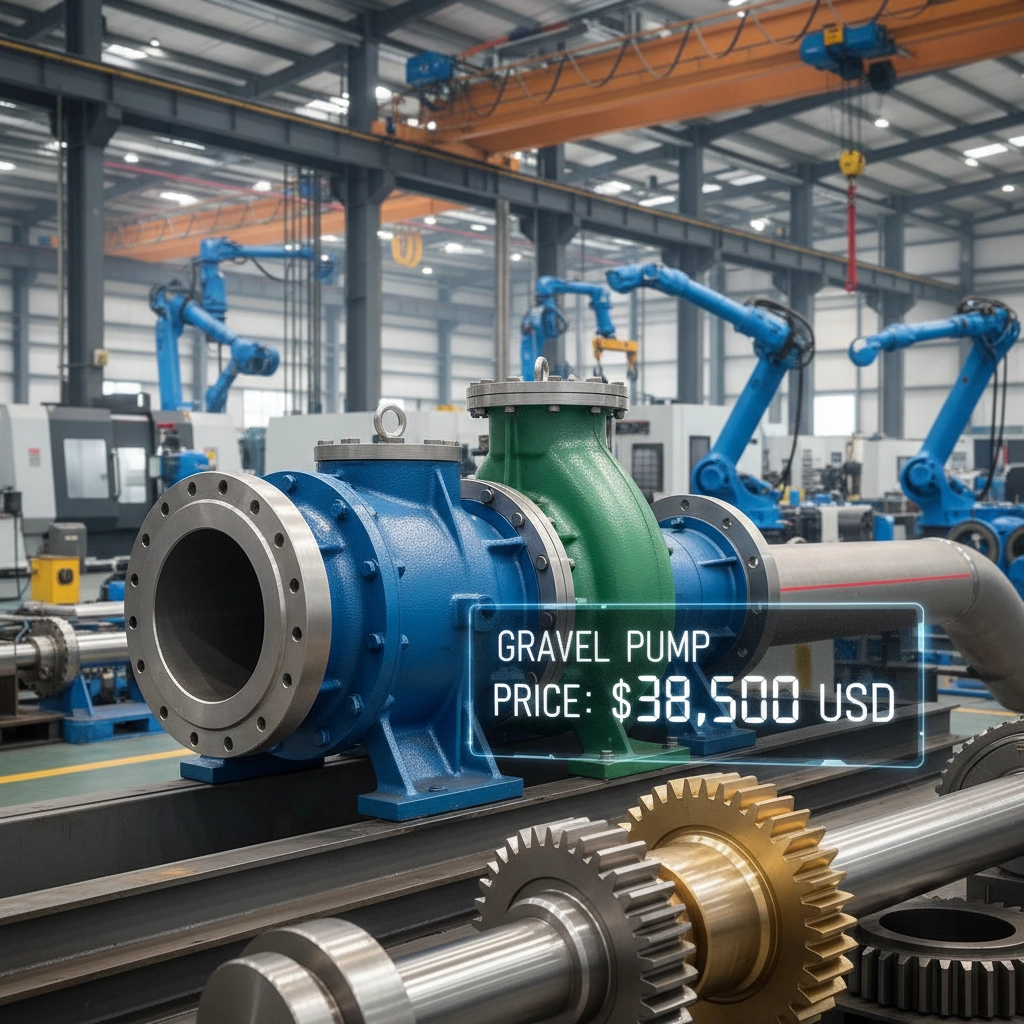
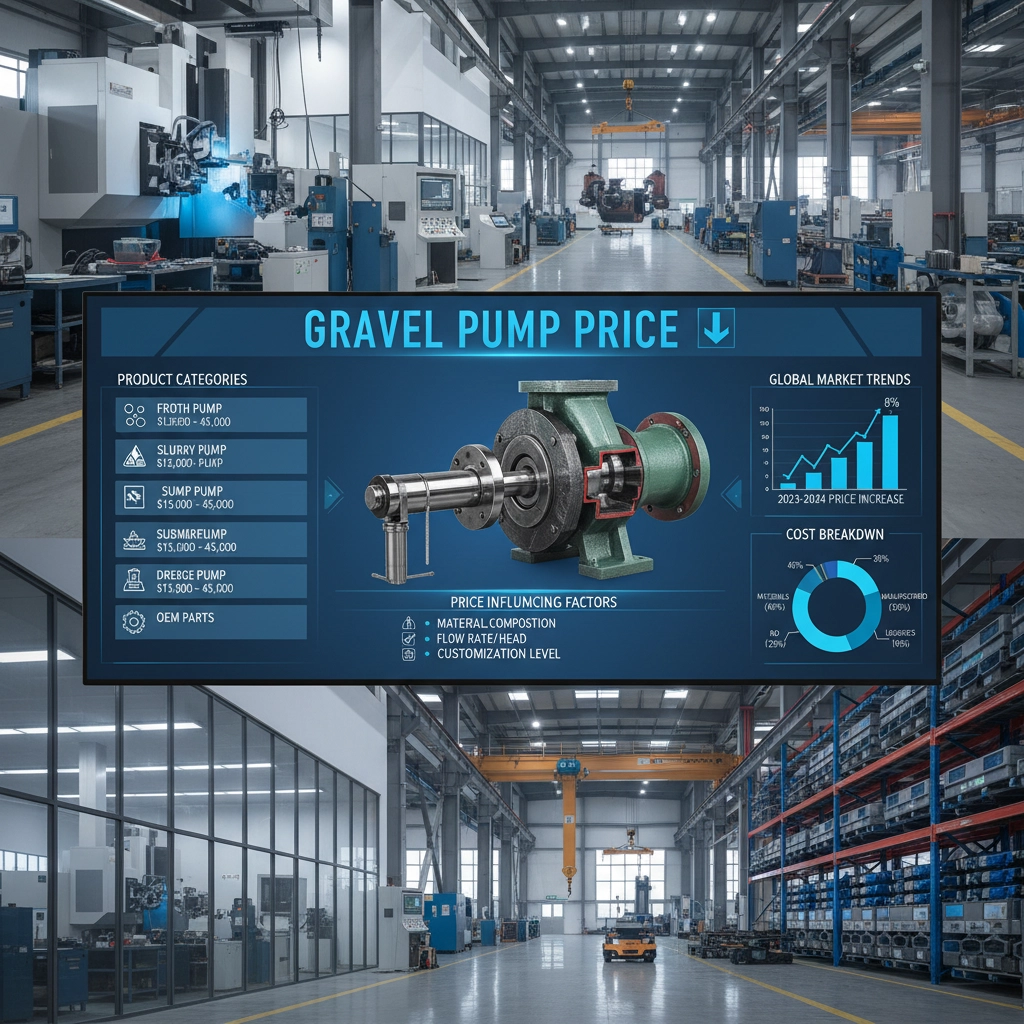
gravel pump price

Global Market Dynamics of Gravel Pump Price

gravel pump price

The global market for industrial slurry pumps is heavily influenced by the rising demand for aggregates and mineral processing. As infrastructure projects expand in Southeast Asia and Africa, the gravel pump price is often swayed by the cost of high-chrome alloys and specialized casting processes required to withstand extreme abrasion.

Furthermore, ISO standards for mechanical reliability have forced manufacturers to integrate more precise engineering, which naturally elevates the baseline gravel pump price. However, this increase is offset by a reduction in unplanned downtime, which is the most expensive hidden cost in any mining operation.

Core Components Influencing Investment Costs

The most significant driver of the gravel pump price is the material of construction. High-chrome white iron (e.g., 27% Cr) is the industry standard for gravel pumps because it provides the hardness necessary to resist the scouring action of coarse particles. The precision of the casting and the heat treatment process directly impact the price point.

Beyond the metallurgy, the design of the impeller and volute casing plays a role. A pump designed for "heavy-duty" use, such as the HAH Series, requires thicker walls and reinforced housings to prevent cavitation erosion, which adds to the manufacturing complexity and the final gravel pump price.

Finally, the integration of advanced sealing systems—such as mechanical seals or specialized gland packing—can cause a variation in the gravel pump price. While higher-end seals increase the initial cost, they drastically reduce the frequency of leak-related shutdowns and manual interventions.

Defining Value in Heavy Duty Slurry Equipment

When we discuss the gravel pump price, it is essential to distinguish between "cost" and "value." Cost is the amount paid at the time of purchase, whereas value is the total utility delivered over the machine's lifespan, including its ability to handle high-density solids without frequent failure.

A lower gravel pump price often indicates a compromise in the hardness of the liners or the precision of the tolerances. In a gravel-rich environment, a pump that is 20% cheaper but lasts 50% less time is actually the more expensive option in the long run.

Therefore, the most strategic approach to managing gravel pump price is to analyze the Lifecycle Cost (LCC). This includes the acquisition price, energy consumption, spare parts replacement, and labor costs for maintenance.

Cost Efficiency and Performance Metrics

To justify the gravel pump price, operators must look at the efficiency curve of the pump. A pump operating at its Best Efficiency Point (BEP) consumes less power and experiences less internal turbulence, which slows the rate of wear and reduces the total cost per cubic meter of slurry moved.

Comparing different models, such as the HG Series versus a standard slurry pump, reveals that specialized gravel pumps have a higher initial gravel pump price but offer significantly better throughput for larger solids, reducing the need for multiple pumping stages.

Comparative Value Analysis of Gravel Pump Price Options

Global Applications and Budgetary Impact

In the dredging industry, particularly in regions like the Mekong Delta or the Mississippi River, the gravel pump price is balanced against the volume of sediment removed. Using HWN Series Dredge Pumps allows for higher capacity, which effectively lowers the operational gravel pump price per ton of material handled.

In mining operations across Australia and Canada, the extreme hardness of the ore means that any fluctuation in the gravel pump price is a secondary concern compared to the cost of unplanned downtime. In these remote zones, the availability of OEM Pump And Spare Parts is often bundled into the initial pricing to ensure seamless operation.

Long-Term Value and Sustainability Gains

Investing in a higher gravel pump price often yields dividends in energy sustainability. Modern pumps are designed with CFD (Computational Fluid Dynamics) to reduce internal friction, meaning a pump that costs more upfront can save thousands of dollars in electricity costs over five years.

From a reliability standpoint, a premium gravel pump price reflects a commitment to safety. Pumps that are engineered to handle surge pressures without catastrophic failure protect the workers and the surrounding environment from hazardous spills.

Ultimately, the social impact of choosing quality over the lowest gravel pump price is seen in the stability of the supply chain. Reliable equipment ensures that critical materials—like sand for construction or minerals for technology—are moved efficiently and sustainably.

Future Innovations and Pricing Trends

The future of the gravel pump price will be driven by the integration of "Smart Pumping" technologies. IoT sensors that monitor wear in real-time will allow operators to replace parts exactly when needed, moving from a scheduled maintenance model to a predictive one, which optimizes the total gravel pump price.

We are also seeing a trend toward new ceramic-metal composites. While these materials will initially increase the gravel pump price, their near-diamond hardness could potentially triple the life of the impeller, fundamentally changing the economics of slurry transport.

As global environmental policies tighten, "green" manufacturing processes will also influence the gravel pump price. Pumps manufactured using recycled alloys or carbon-neutral foundries may command a premium but will help companies meet their ESG (Environmental, Social, and Governance) goals.

Analysis of Factors Influencing the Long-Term Cost of Gravel Pumps

Material Grade Impact on Initial Price Wear Life Extension Overall Value Score
Standard Cast Iron Low Short (1-3 months) 3/10
High Chrome (27% Cr) Medium Medium (6-12 months) 7/10
Double-Hardened Alloy Medium-High Long (12-18 months) 8/10
Ceramic Lined High Very Long (24+ months) 9/10
Custom Tungsten Carbide Very High Extreme (36+ months) 10/10
Hybrid Polymer Coat Medium Medium (4-8 months) 6/10

FAQS

Why does the gravel pump price vary so much between brands?

The variance in gravel pump price is primarily due to differences in metallurgy and quality control. Premium brands use vacuum-casting and precise heat-treatment processes to ensure uniform hardness across the impeller. Cheaper alternatives may have "soft spots" in the casting, leading to premature failure. Additionally, the inclusion of specialized seals and energy-efficient hydraulic designs adds to the price but reduces operating costs.

Is a cheaper gravel pump price a risk for mining operations?

Yes, choosing a pump based solely on a low gravel pump price often leads to higher "Total Cost of Ownership." In mining, the cost of labor to replace a worn impeller and the lost revenue from production downtime far exceed the initial savings. High-quality pumps from the HAH or HG series provide the durability needed to ensure that the cost per ton moved remains low over the long term.

How do material choices affect the long-term gravel pump price?

Material choices are the biggest driver of the gravel pump price. High-chrome alloys increase the initial cost but extend the pump's life by several hundred percent compared to standard iron. When you factor in fewer replacement cycles and lower maintenance labor, the "effective" price of a high-grade pump is actually lower than that of a budget-grade pump over a 3-year window.

Can I reduce the gravel pump price by opting for OEM spare parts?

Using high-quality OEM spare parts can help manage the ongoing gravel pump price lifecycle. While generic parts might be cheaper, OEM parts are engineered to the exact tolerances of the original machine. This ensures optimal hydraulic efficiency and prevents the premature wear of associated components, such as the shaft and bearings, which would otherwise increase maintenance costs.

What is the typical lead time and its impact on gravel pump price?

Customized configurations, such as those for the HWN Series, may have longer lead times, which can slightly affect the gravel pump price due to specialized production runs. However, planning procurement in advance allows for better pricing. Urgent, "off-the-shelf" replacements often carry a premium price due to the expedited shipping and immediate availability requirements.

How does energy efficiency influence the gravel pump price?

Pumps with advanced CFD-optimized internals may have a higher gravel pump price because of the research and precision manufacturing involved. However, these pumps reduce electricity consumption by 5-15%. In high-volume operations, these energy savings can pay for the price difference within the first year of operation, making them the most cost-effective choice.

Conclusion

In summary, the gravel pump price is a multifaceted figure that represents far more than just the cost of metal and labor. It is an investment in operational stability, energy efficiency, and wear resistance. By analyzing the relationship between material grade, hydraulic efficiency, and the total cost of ownership, industrial operators can move beyond the "lowest bid" mentality and select equipment—such as the HG or HAH series—that ensures maximum uptime and minimal waste.

Looking forward, the industry will likely see a convergence of material science and digital monitoring, where the gravel pump price will increasingly include integrated intelligence and sustainability certifications. We recommend that procurement teams focus on the "cost per ton" metric to truly evaluate the value of their pumping solutions. For more information on selecting the right equipment for your specific abrasion needs, visit our website: www.hihornpump.com.

Marcus Thorne

Marcus Thorne

Marcus Thorne is the Production Manager at Hihorn Pump, overseeing our intelligent production lines and quality control processes. Bringing 15 years of experience in manufacturing and operations, Marcus ensures that every Hihorn pump meets our stringent standards for performance and durability. He previously held leadership positions at several leading industrial
Previous High Performance Gravel Pump Factory for Industrial Mining
Next Industrial Sand Pump Guide for Mining and Dredging Efficiency

If you are interested in our products, you can choose to leave your information here, and we will be in touch with you shortly.