The industrial landscape of mineral processing and dredging relies heavily on the efficiency of fluid transport, where the sand pump serves as the critical heartbeat of the operation. These specialized machines are engineered to handle high-density slurries, ensuring that abrasive particles are moved without causing catastrophic wear to the system. Understanding the nuances of these pumps is essential for operators looking to maximize uptime and reduce the staggering costs associated with unplanned maintenance in harsh environments.
Globally, the demand for efficient sand transport has surged due to the expansion of coastal reclamation projects and the intensification of mining activities. Whether it is managing tailings in a remote gold mine or clearing silt from a busy shipping port, the performance of a sand pump directly impacts the economic viability of the project. The challenge lies in balancing the high flow rates required for productivity with the extreme abrasion resistance needed to survive the abrasive nature of silica and other minerals.
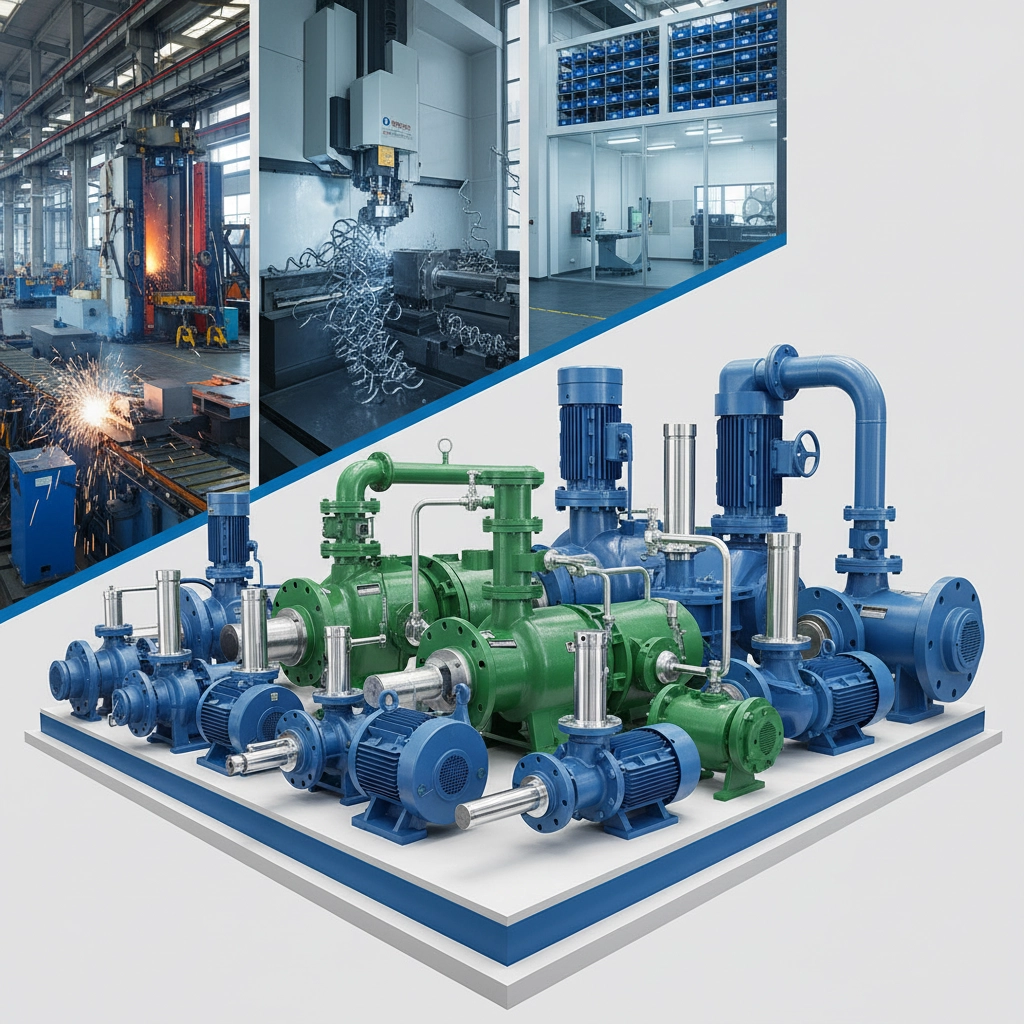
By integrating advanced materials and precision engineering, modern slurry solutions have evolved beyond simple water pumps. Today, selecting the right configuration—such as the HAH Series Heavy Duty Slurry Pump or the HG Series Gravel Pump—allows industries to optimize their energy consumption and extend the lifespan of their equipment. This guide explores the technical depth and practical applications of these systems to help professionals make informed procurement and operational decisions.
The Technical Fundamentals of Sand Pump Design
A sand pump is fundamentally a centrifugal pump modified to handle solids. Unlike standard water pumps, these units feature widened flow passages and specialized impeller geometries to prevent clogging when transporting heavy sand and gravel. The design focuses on maintaining a critical velocity—the minimum speed at which solids remain suspended in the fluid—to prevent sedimentation within the pump casing.
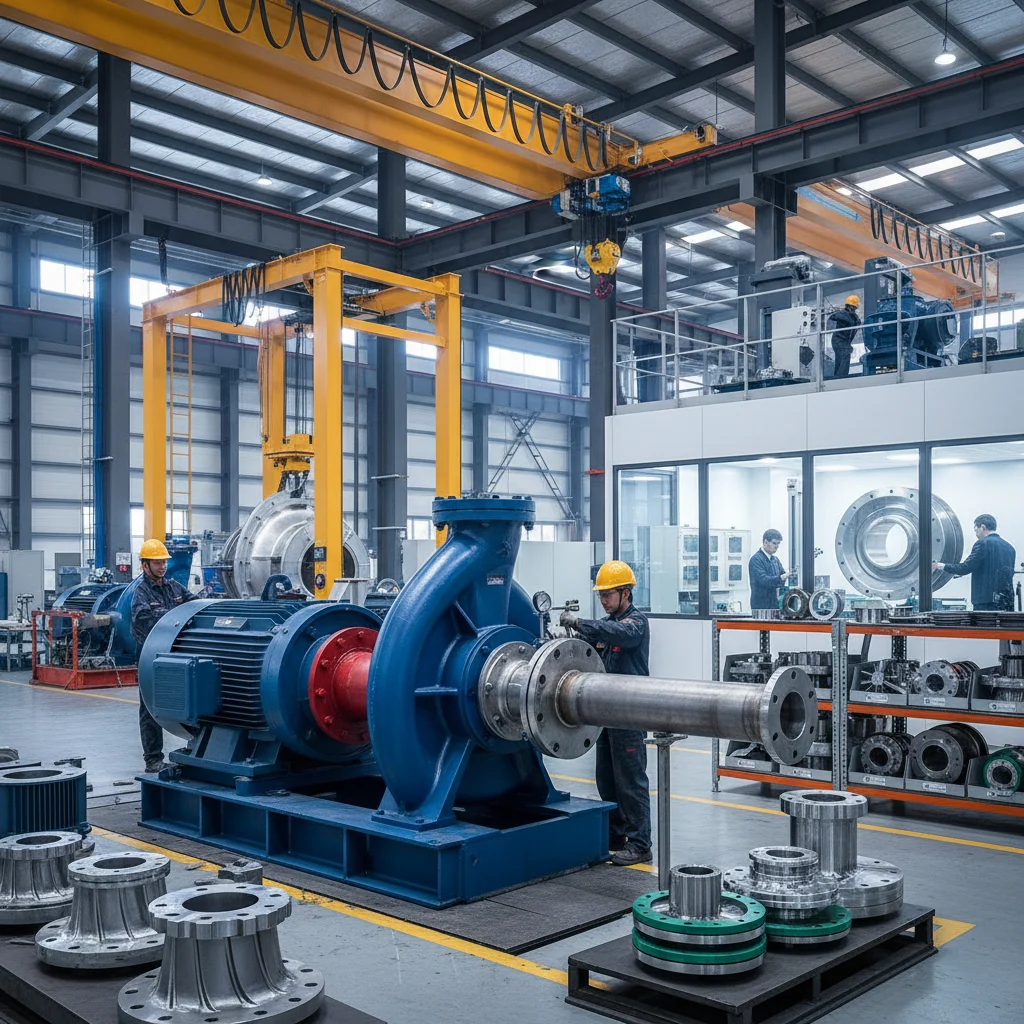
Precision in the casting process and the use of high-chrome alloys are what separate industrial-grade pumps from generic equipment. By optimizing the hydraulic profile, engineers can reduce turbulence, which is the primary cause of localized erosion. This ensures that the pump operates efficiently over thousands of hours, even when processing some of the most abrasive materials found in nature.
Global Market Drivers and Industry Context
The global demand for dredging and mineral transport is closely tied to urban expansion and the global construction boom. According to industry trends observed in ISO-standardized mining operations, the need for reliable slurry transport has increased as deposits become deeper and more complex. The sand pump has become indispensable in these scenarios, allowing for the efficient movement of raw materials from the extraction point to the processing plant.
In regions like Southeast Asia and the Middle East, massive land reclamation projects have pushed the limits of pumping technology. The challenge is no longer just about moving sand, but doing so with minimal environmental impact and maximum energy efficiency. This has led to a shift toward heavy-duty series, such as the HAH Series, which are designed to handle the extreme pressures associated with long-distance transport.
Furthermore, the rise of sustainable mining practices requires pumps that can handle tailings with higher solid concentrations. By reducing the amount of water needed for transport, companies can lower their environmental footprint and reduce the size of tailings ponds, making the sand pump a key tool in the transition toward "green" mining.
Core Components for Maximum Abrasion Resistance
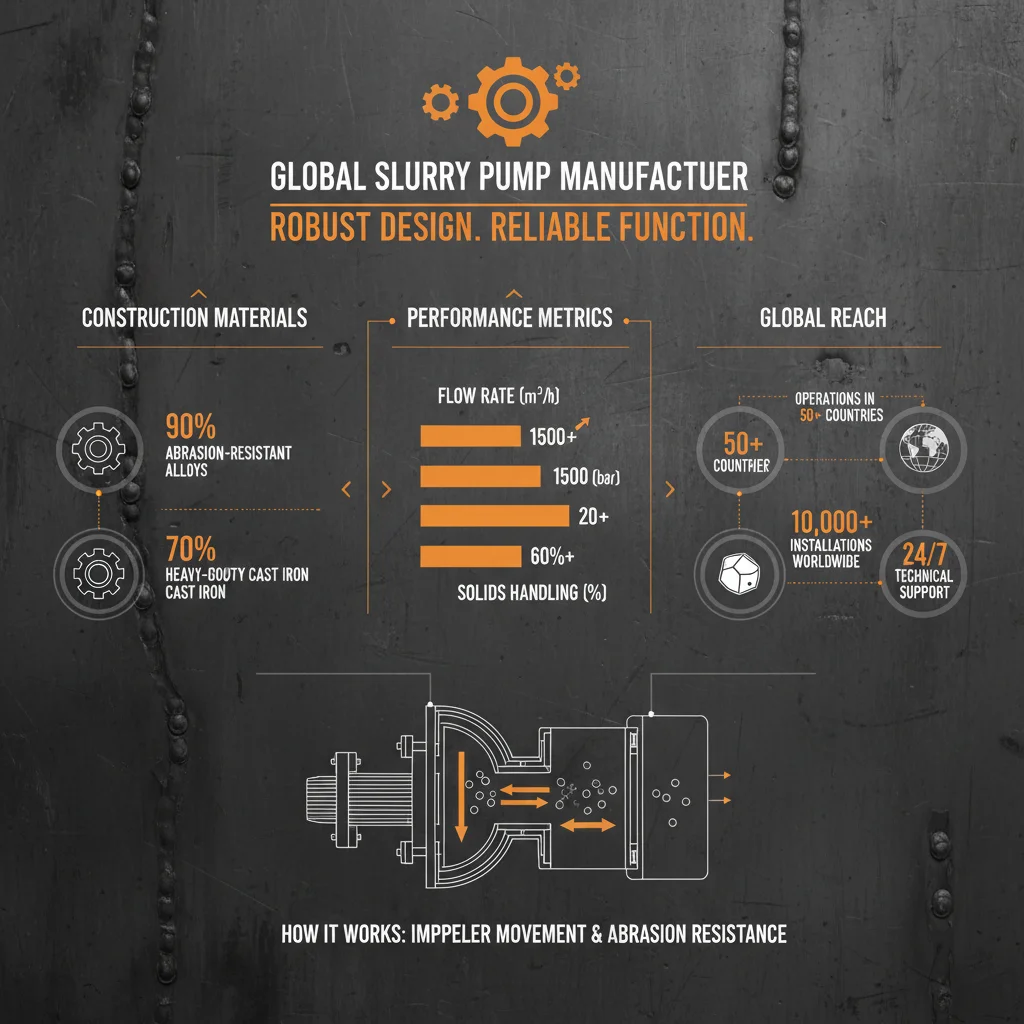
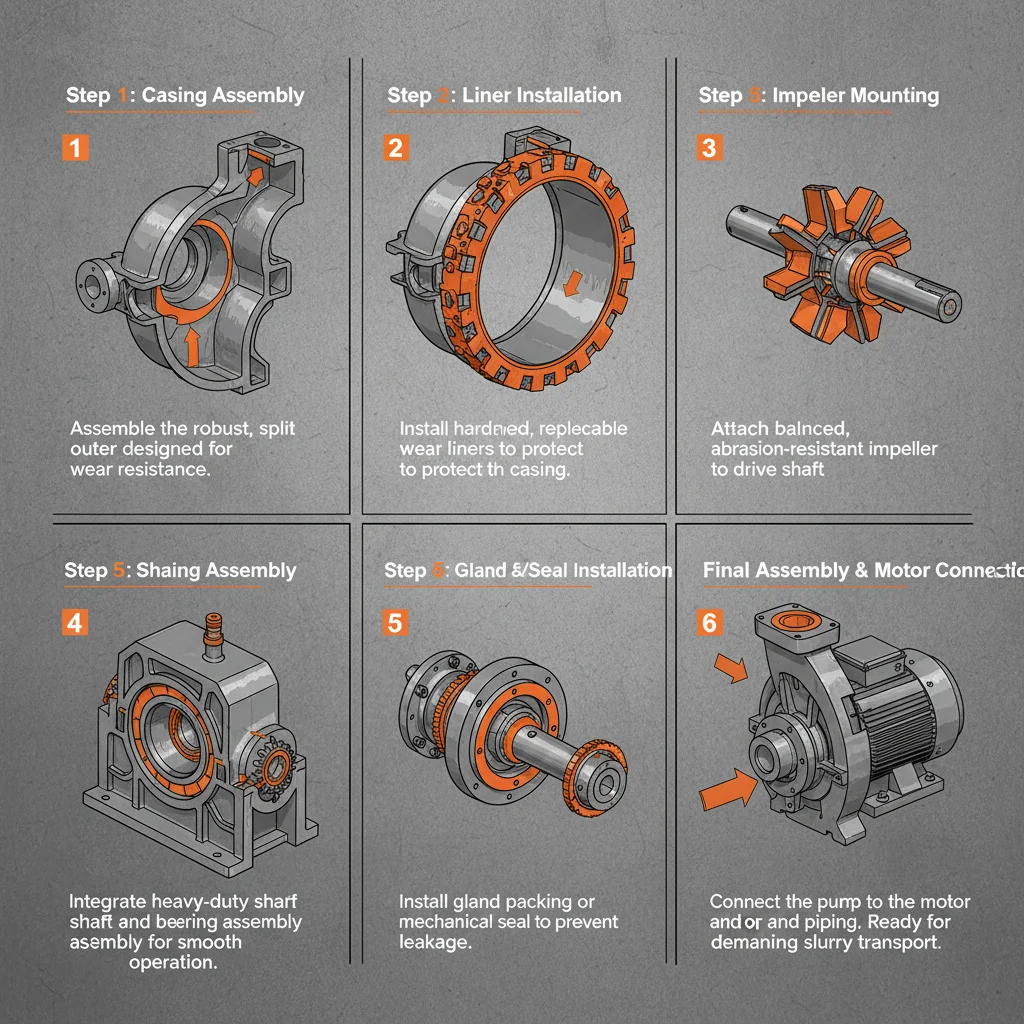
The longevity of a sand pump depends heavily on its material composition. High-chromium white iron is the industry standard for impellers and liners due to its exceptional hardness and resistance to abrasive wear. These materials are engineered to withstand the constant "sandblasting" effect that occurs inside the pump volute.
A critical component often overlooked is the seal system. In a high-performance sand pump, expeller seals are used to create a centrifugal barrier, preventing abrasive particles from entering the bearing housing. This protective measure is what allows the pump to operate in the most grueling conditions without frequent seal failures.
Additionally, the modular design of modern pumps, such as those in the HZ Series, allows for the rapid replacement of wear parts. By utilizing interchangeable liners, operators can maintain the pump's original hydraulic efficiency without needing to replace the entire casing, significantly lowering the total cost of ownership.
Performance Comparison of Slurry Handling Methods
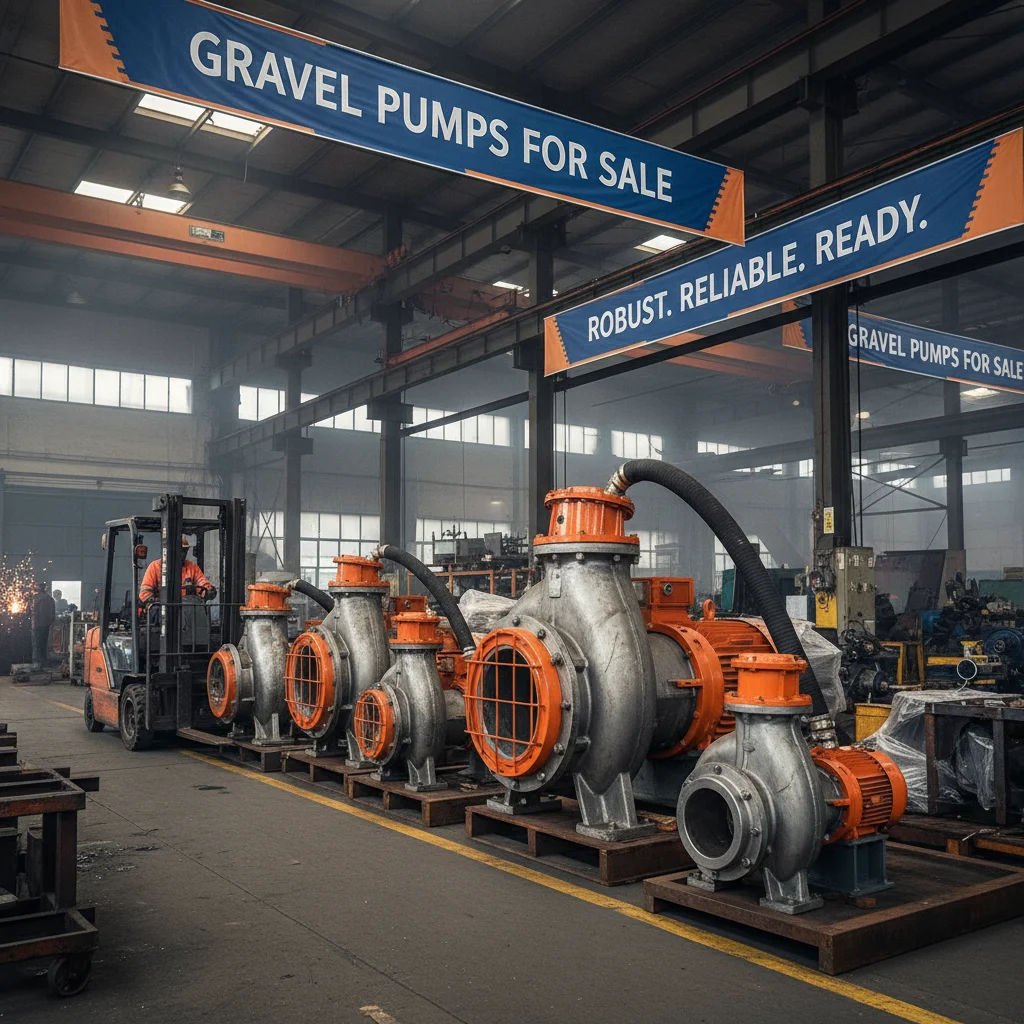
When choosing a sand pump, operators must evaluate the trade-off between flow volume and abrasion resistance. Different pump series are optimized for different solid sizes; for instance, the HG Series Gravel Pump is specifically designed for larger particles, whereas the HAF Series Froth Pump is optimized for the specialized needs of flotation cells in mining.
Evaluating these systems requires a look at the "Wear Life Index," which measures how long a component lasts relative to the volume of material processed. This metric helps engineers determine whether a high-initial-cost alloy pump is more economical than a standard pump that requires more frequent replacements.
Comparative Efficiency of Sand Pump Configurations
Strategic Global Applications and Use Cases
In the realm of coastal engineering, the sand pump is the primary tool for beach nourishment and harbor deepening. In the Netherlands and Singapore, high-capacity dredge pumps are used to maintain navigable channels, ensuring that global trade remains uninterrupted by siltation. These applications require pumps that can operate submerged for extended periods, making the HSSP Series Submersible Slurry Pump a preferred choice.
Beyond the coast, the mining sector in Australia and Chile utilizes these pumps for tailings management. In these remote industrial zones, the reliability of the equipment is paramount; a single pump failure can halt the entire production line. By deploying heavy-duty slurry pumps, these operations ensure that waste materials are transported safely to containment areas, protecting the surrounding ecosystem and maintaining operational continuity.
Long-Term Economic Value and Sustainability
The true value of a high-quality sand pump is realized not at the point of purchase, but over its entire lifecycle. While lower-cost alternatives may seem attractive, the frequent downtime and replacement costs of inferior alloys quickly erode any initial savings. A premium pump reduces the "Mean Time Between Failures" (MTBF), providing a predictable operational schedule and lower labor costs.
From a sustainability perspective, modern pump design focuses on hydraulic efficiency to reduce kilowatt-hour consumption per ton of material moved. This not only lowers utility bills but also reduces the carbon footprint of the mining or dredging site. Energy-efficient motors and optimized impeller blades ensure that more power is converted into fluid movement rather than wasted as heat or vibration.
Moreover, the ability to handle higher solid percentages means less water is required for transport. This water conservation is critical in arid mining regions, where water rights are strictly regulated and expensive. By maximizing the slurry density, companies can achieve greater throughput while minimizing their reliance on local water sources.
Future Innovations in Sand Pump Technology
The future of the sand pump is being shaped by the digital transformation of industry. The integration of IoT sensors into pump casings now allows for real-time wear monitoring. Instead of scheduled maintenance based on guesswork, operators can use predictive analytics to replace liners exactly when they reach their wear limit, eliminating unnecessary downtime.
Material science is also evolving, with the introduction of ceramic composites and nano-structured coatings that offer even greater hardness than traditional high-chrome irons. These materials are expected to double the lifespan of impellers in extreme conditions, further reducing the environmental waste associated with replacing heavy metal parts.
Automation is another key trend, with variable frequency drives (VFDs) allowing pumps to adjust their speed in real-time based on the slurry density. This ensures that the pump always operates at its best efficiency point (BEP), preventing the energy spikes and premature wear associated with running a pump too fast or too slow for the current load.
Comparative Analysis of Sand Pump Material and Design Evolution
| Material Grade |
Abrasion Resistance |
Typical Lifespan |
Best Application |
| Cast Iron |
Low (3/10) |
Short |
Low-concentration silt |
| High Chrome Alloy |
High (8/10) |
Long |
Heavy mining slurry |
| Rubber Lined |
Medium (6/10) |
Medium |
Fine sand/Soft slurry |
| Ceramic Composite |
Extreme (10/10) |
Very Long |
Highly corrosive sands |
| Duplex Stainless |
Medium (7/10) |
Long |
Seawater sand dredging |
| Hardened Alloy |
High (9/10) |
Long |
Coarse gravel transport |
FAQS
A standard pump is designed for clean liquids and will erode rapidly if used with solids. A sand pump is specifically engineered with abrasion-resistant materials (like high-chrome alloys), wider flow passages to prevent clogging, and specialized seal systems to protect the bearings from abrasive grit, ensuring a significantly longer operational life in harsh environments.
For coarse materials, you should prioritize pumps with larger impeller openings and heavy-duty liners. The HG Series Gravel Pump is specifically designed for this purpose, offering the necessary clearances to pass larger stones without clogging while providing the structural integrity needed to resist the impact of heavy particles.
Replacement frequency depends on the concentration and hardness of the slurry. However, most industrial operations implement a monitoring schedule every 3-6 months. Using IoT sensors for real-time wear tracking is the most accurate method, allowing you to replace the liner just before it reaches the casing wall, thus preventing costly structural damage.
Yes, but material selection is key. While high-chrome alloys are great for abrasion, duplex stainless steel or specialized coatings are better for combined corrosion and abrasion. The HWN Series Dredge Pump is often configured with corrosion-resistant materials specifically for marine and coastal applications.
The most common failures are seal leaks and impeller erosion. Seal leaks usually occur when the expeller seal is damaged or improperly installed, allowing sand into the bearings. Impeller erosion is typically caused by operating the pump too far from its Best Efficiency Point (BEP), creating turbulence that accelerates wear.
Submersible pumps, like the HSSP Series, eliminate the need for suction piping, which removes the risk of cavitation and priming issues. This makes them more efficient for deep-pit applications. However, surface pumps are generally easier to maintain and can often handle higher flow volumes for long-distance transport.
Conclusion
The deployment of a high-performance sand pump is not merely a purchase of hardware, but a strategic investment in operational stability. From the selection of high-chrome alloys to the implementation of predictive maintenance via IoT, every detail contributes to reducing downtime and maximizing throughput. Whether dealing with the coarse gravel of a quarry or the fine silts of a harbor, the right pump configuration ensures that abrasion is managed and efficiency is maintained.
Looking forward, the industry is moving toward a more sustainable, automated future where energy-efficient designs and ultra-hard materials minimize both environmental and financial costs. For operators seeking to optimize their slurry handling, prioritizing quality and technical compatibility over the lowest initial price is the only way to ensure long-term success. Visit our website for professional guidance and high-performance solutions: www.hihornpump.com