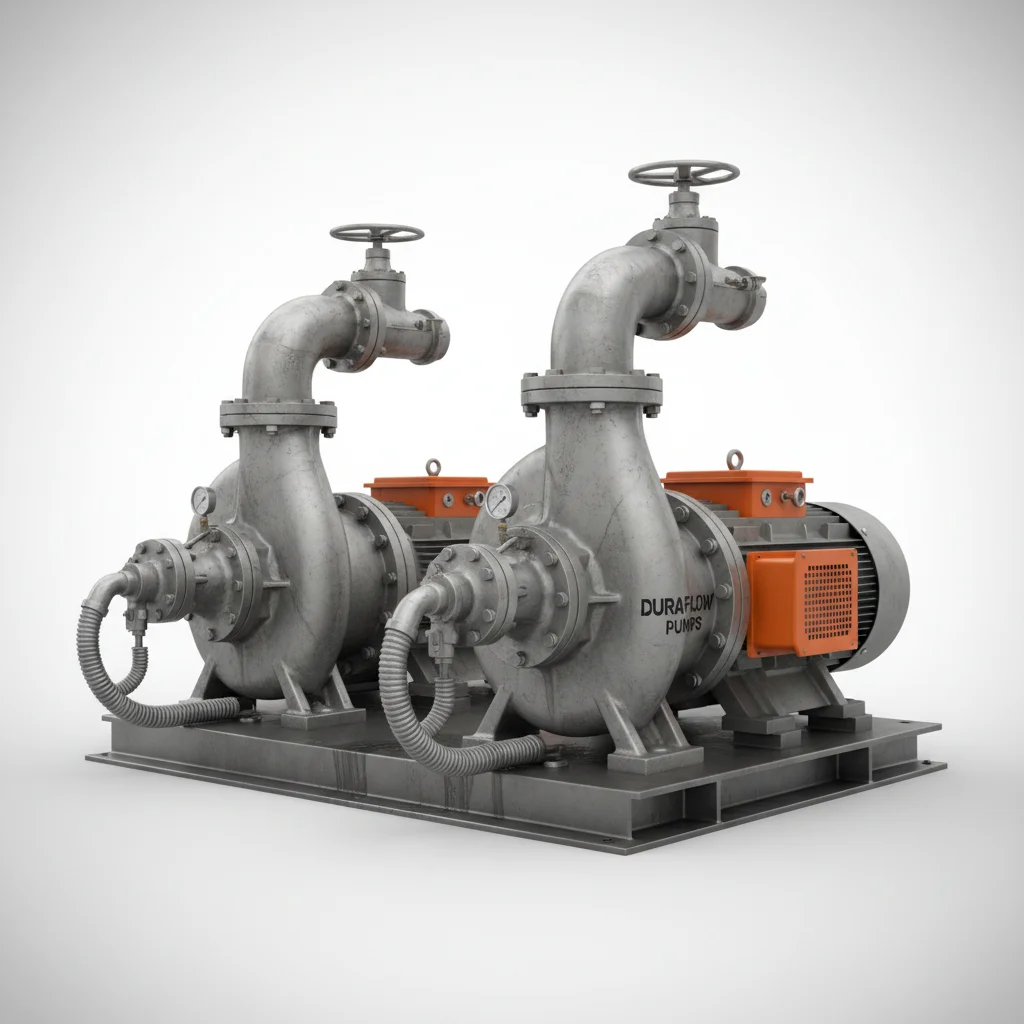
Centrifugal slurry pumps are vital components in numerous industrial processes, effectively moving abrasive or dense fluids. Their robust design and efficiency make them indispensable across diverse sectors, from mining and wastewater treatment to chemical processing and construction. Understanding these pumps is crucial for optimizing operations, minimizing downtime, and ensuring cost-effective fluid management. A well-chosen centrifugal slurry pump can dramatically impact a project’s success.
The global demand for efficient and reliable slurry pumping solutions is consistently increasing, driven by expanding infrastructure projects and stringent environmental regulations. The United Nations Sustainable Development Goals, particularly those related to clean water and sanitation (SDG 6), and responsible industrialization (SDG 9), necessitate robust and efficient slurry handling systems. The market is projected to experience steady growth, fueled by innovation in materials and pump design to handle increasingly challenging slurry compositions and demanding operating conditions.
Addressing the challenges of handling abrasive slurries is paramount in maintaining operational efficiency and minimizing environmental impact. Centrifugal slurry pumps offer a practical and dependable solution, making them a critical technology in modern industrial landscapes. Properly specified and maintained pumps contribute significantly to reduced maintenance costs, enhanced safety, and a more sustainable industrial approach.
Introduction to Centrifugal Slurry Pumps
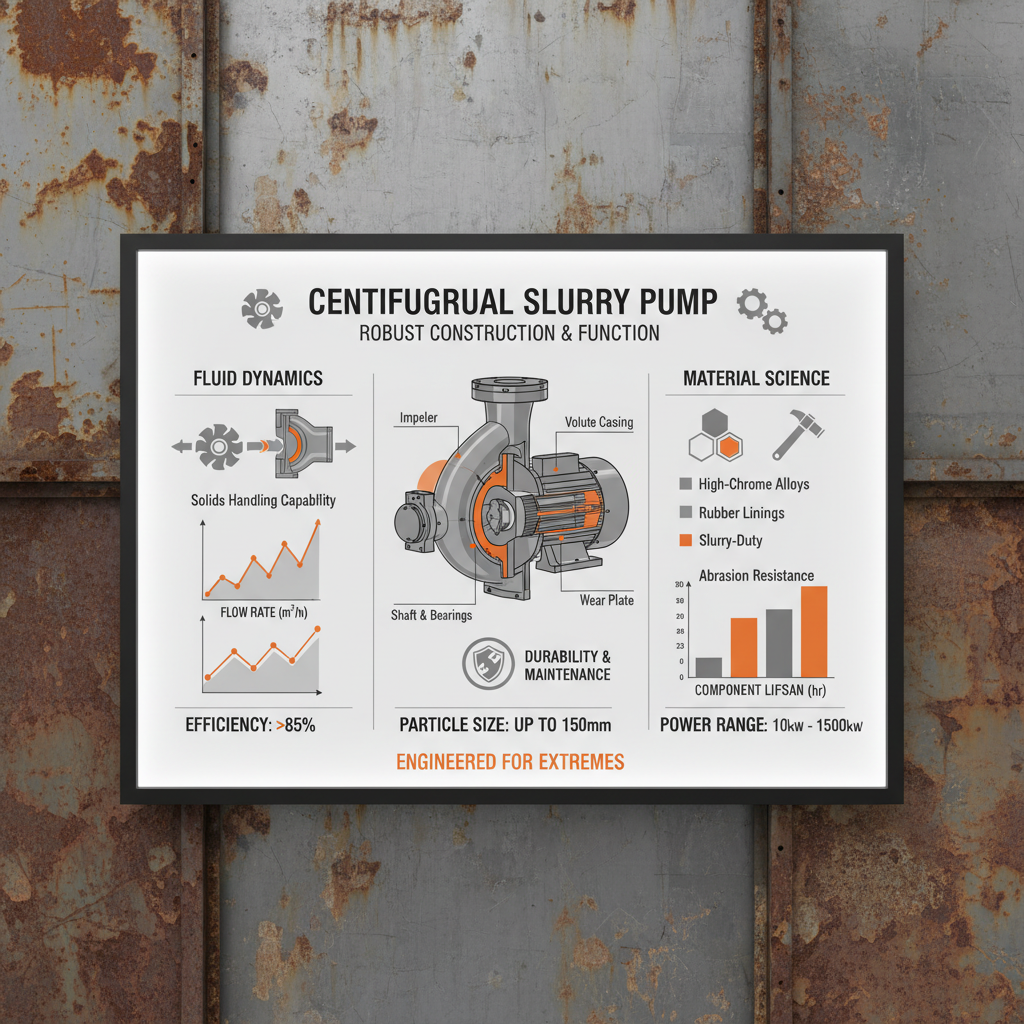
Centrifugal slurry pumps are specifically engineered to handle mixtures of liquids and solid particles – collectively known as slurries. These pumps utilize a rotating impeller to generate centrifugal force, transferring energy to the slurry and propelling it through the pump’s discharge. They differ from standard centrifugal pumps through their robust construction, oversized flow passages, and wear-resistant materials which address the challenges presented by abrasive particles.
The efficiency and reliability of a centrifugal slurry pump depend on several factors, including the slurry’s composition, particle size, flow rate, and the pump's internal design. Selecting the correct pump for a specific application requires a thorough understanding of these parameters to maximize performance and minimize wear and tear. Utilizing a high quality centrifugal slurry pump is essential.
Defining Centrifugal Slurry Pumps
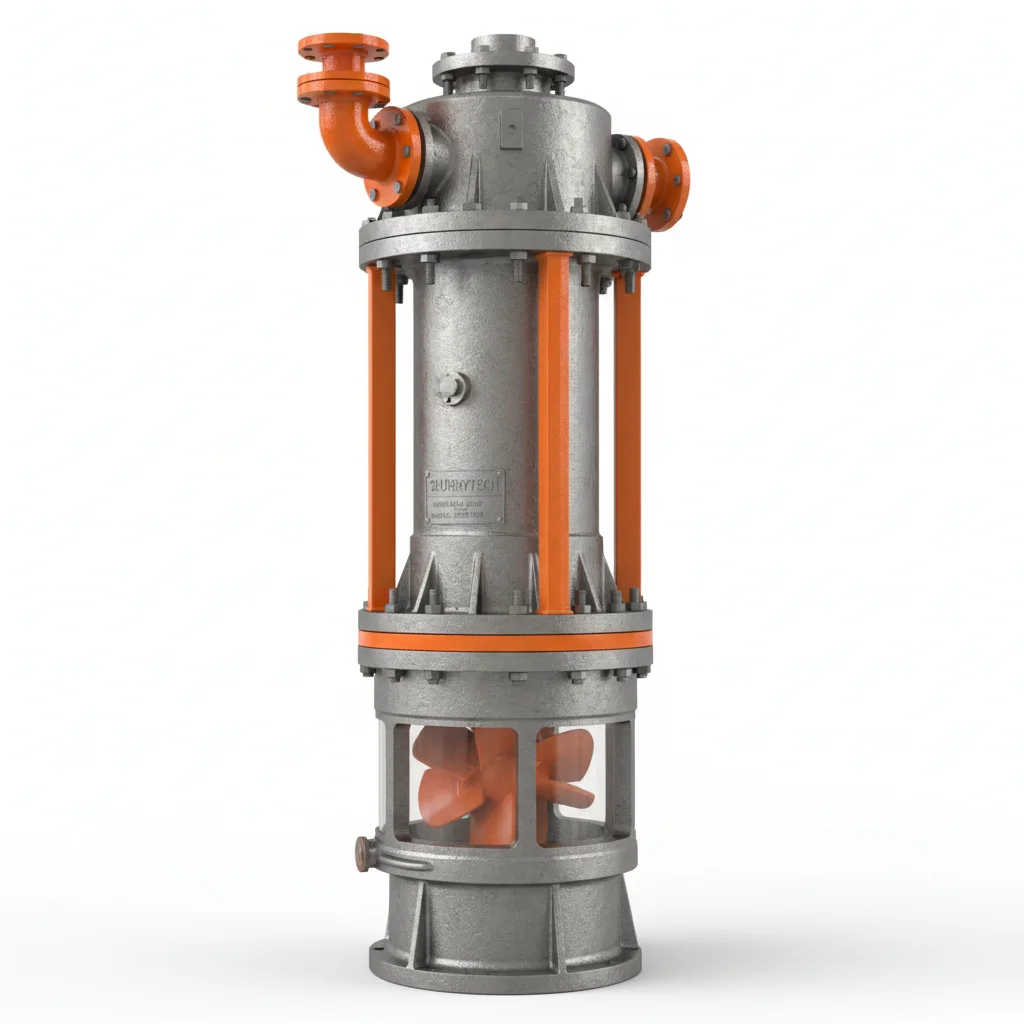
A centrifugal slurry pump is a mechanical device designed to move abrasive, corrosive, or highly viscous fluid mixtures. It differentiates itself from typical centrifugal pumps by its ability to handle substantial concentrations of solid particles suspended in the liquid. The key distinction lies in the pump's construction, featuring materials resistant to abrasion and erosion, and larger internal clearances to prevent clogging.
These pumps play a critical role in various industrial applications where the transportation of slurries is essential. From the removal of tailings in mining operations to the processing of wastewater and the delivery of chemical mixtures, centrifugal slurry pumps provide a robust and efficient solution. They directly support critical infrastructure and industrial productivity, enabling efficient resource extraction and waste management.
Their relevance extends to humanitarian needs as well. Following natural disasters, the ability to quickly pump away floodwaters and debris – often containing significant solid contaminants – is paramount. Portable centrifugal slurry pumps can be rapidly deployed to restore access and provide essential support in emergency situations.
Core Components & Operational Factors
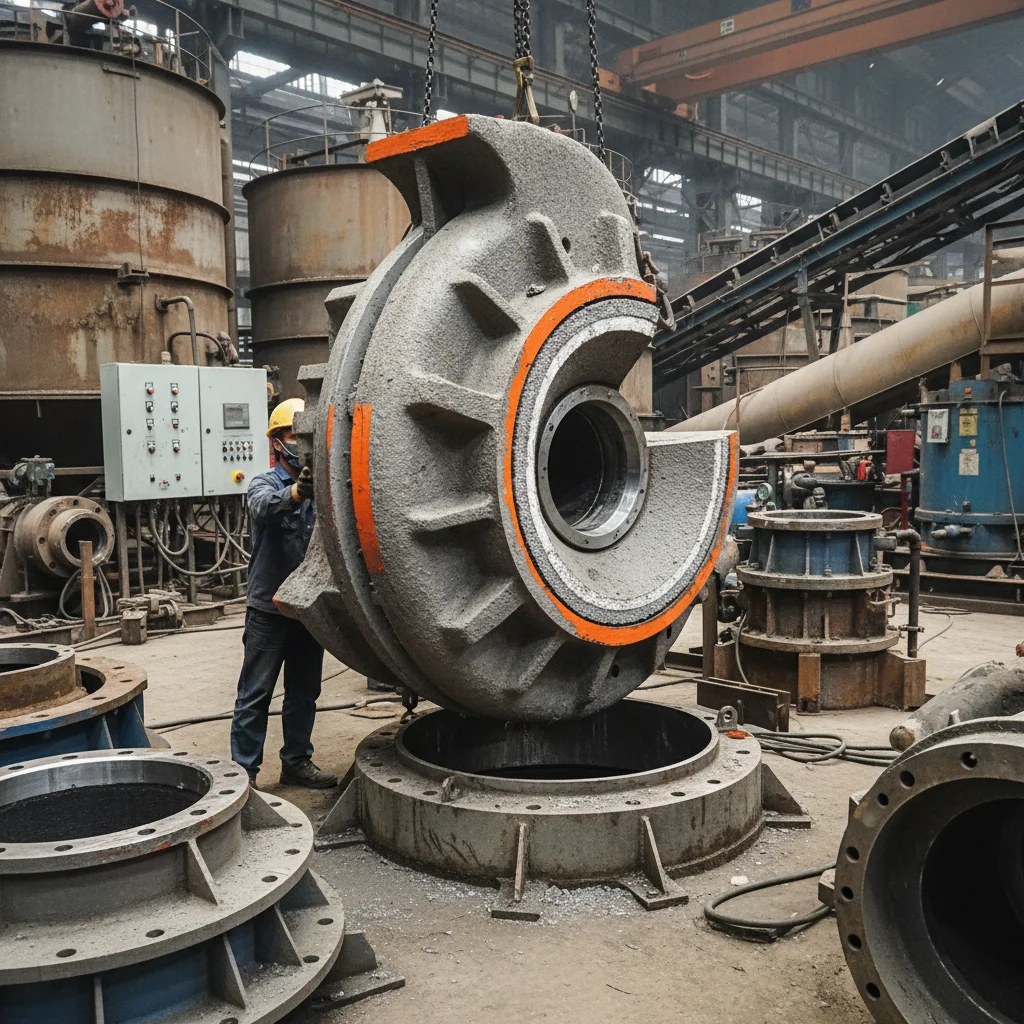
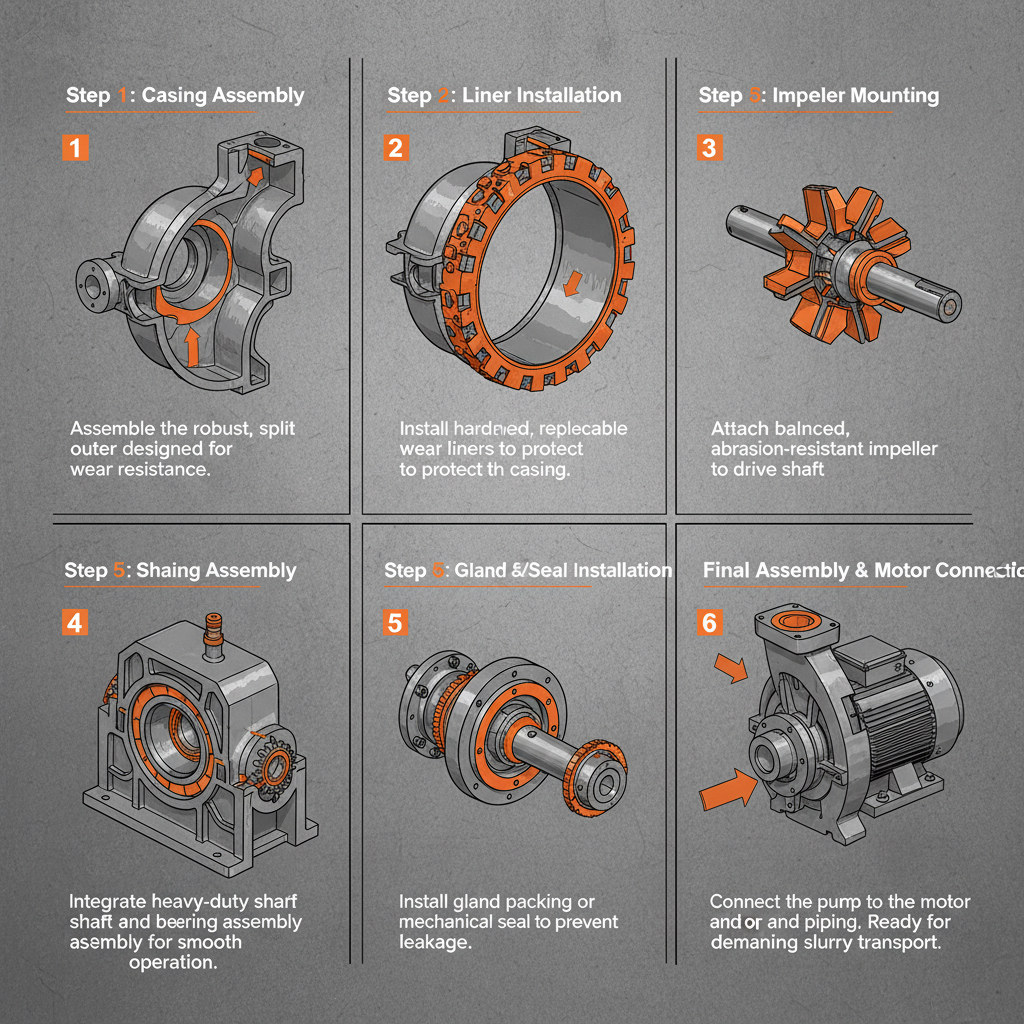
The performance and longevity of a centrifugal slurry pump are determined by several key components. The impeller, constructed from wear-resistant materials like high-chrome alloys or ceramics, is responsible for imparting energy to the slurry. The pump casing, also built with robust materials, contains and directs the flow of the slurry. Seals are crucial for preventing leakage and maintaining pump efficiency.
Beyond the physical components, operational factors significantly impact performance. Slurry composition – particle size, density, and abrasiveness – dictates the appropriate pump selection and maintenance schedule. Flow rate and head pressure requirements determine the pump’s required power and impeller design. Understanding these factors allows for optimized pump selection and operation.
Proper pump sizing and selection are paramount to preventing premature wear and ensuring optimal efficiency. Oversized pumps can lead to energy waste, while undersized pumps can suffer from excessive wear and frequent failures. Regular monitoring of pump performance indicators, such as discharge pressure and power consumption, is essential for proactive maintenance and ensuring long-term reliability.
Global Applications & Industry Impact
Centrifugal slurry pumps are employed across a broad spectrum of industries globally. In the mining sector, they are essential for transporting ore slurries, tailings, and process water. The construction industry utilizes these pumps for handling concrete, grout, and excavated materials. Wastewater treatment plants rely on them for managing sludge and screenings.
Geographically, regions with significant mining activity – such as Australia, Chile, and South Africa – represent major markets for centrifugal slurry pumps. Expanding infrastructure projects in developing nations, particularly in Asia and South America, are also driving demand. Furthermore, countries with stringent environmental regulations requiring efficient wastewater treatment are seeing increased adoption of these pumps.
In post-disaster relief operations, portable centrifugal slurry pumps are deployed to quickly remove floodwaters and debris, facilitating rescue efforts and infrastructure restoration. In remote industrial zones, where access to maintenance expertise may be limited, the reliability and durability of these pumps are particularly crucial for uninterrupted operation.
Centrifugal Slurry Pump Performance Comparison
Advantages and Long-Term Value Proposition
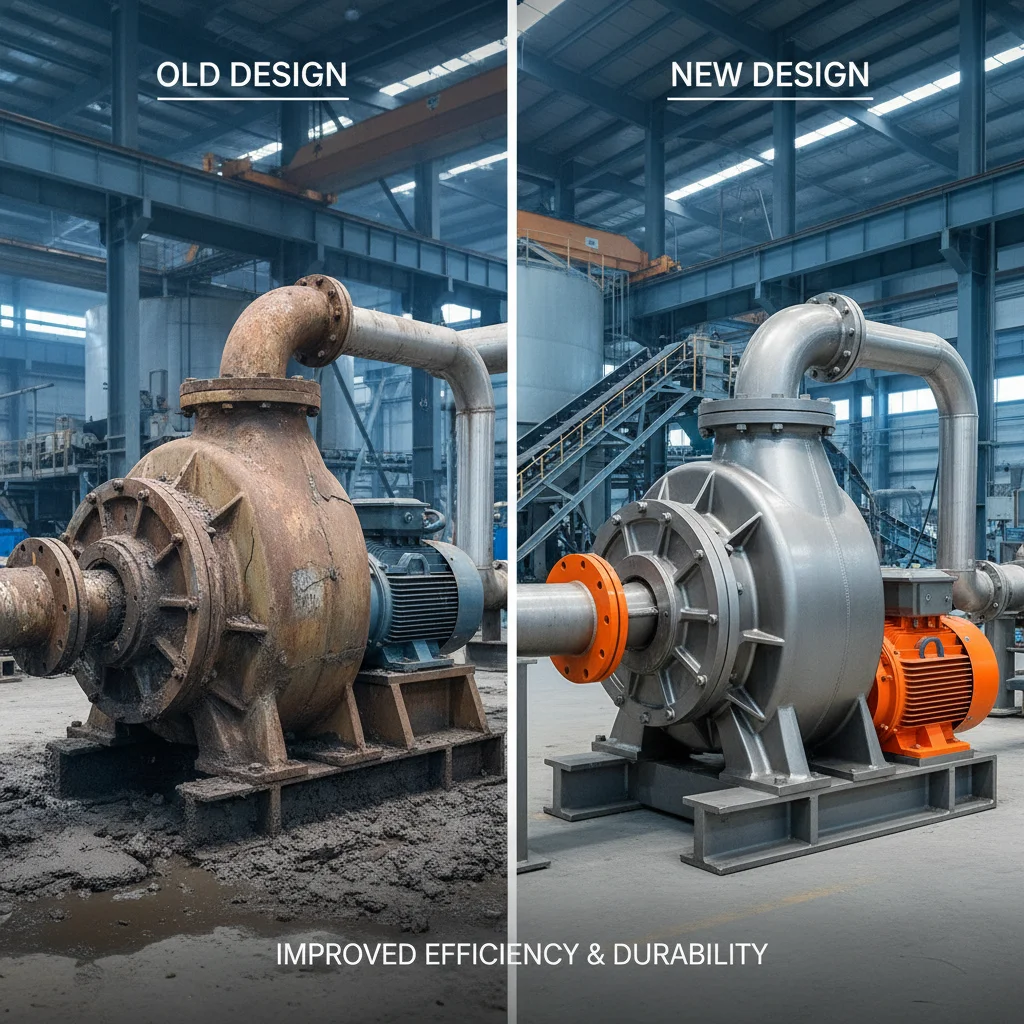
The advantages of utilizing centrifugal slurry pumps extend beyond simple fluid transfer. These pumps offer exceptional durability, reducing maintenance costs and minimizing downtime. Their robust construction allows them to withstand harsh operating conditions and abrasive slurry compositions, ensuring a longer service life compared to other pump types.
From a sustainability perspective, efficient slurry pumping contributes to reduced energy consumption and minimized environmental impact. Optimized pump performance reduces the need for frequent replacements, decreasing resource depletion and waste generation. Investing in a reliable centrifugal slurry pump represents a long-term commitment to operational efficiency and environmental responsibility.
Future Trends and Innovations in Slurry Pumping
The future of centrifugal slurry pumping is characterized by ongoing innovation in materials science, pump design, and digital technologies. Researchers are developing new wear-resistant alloys and ceramic materials to further enhance pump longevity and performance. Advanced impeller designs are optimizing hydraulic efficiency and reducing energy consumption.
The integration of smart sensors and data analytics is enabling predictive maintenance, allowing operators to identify potential issues before they lead to failures. Remote monitoring and control systems are enhancing operational efficiency and reducing the need for on-site personnel. Digital twins and simulation tools are facilitating optimized pump selection and system design.
Challenges and Optimization Strategies
Despite their benefits, centrifugal slurry pumps face challenges related to abrasion, corrosion, and clogging. Abrasive particles can cause significant wear to pump components, reducing efficiency and requiring frequent replacements. Corrosive slurries can damage pump materials, leading to leakage and failures. Clogging can disrupt flow and cause pump overheating.
Optimizing pump performance requires a proactive approach to maintenance and monitoring. Implementing regular inspection and repair schedules, utilizing wear-resistant materials, and employing advanced filtration systems can mitigate these challenges. Furthermore, optimizing slurry composition and flow rate can minimize abrasion and clogging.
Proper pump selection, tailored to the specific slurry characteristics and application requirements, is crucial for maximizing performance and longevity. Consulting with experienced pump engineers and utilizing advanced modeling tools can ensure that the chosen pump is optimally suited for the task.
Summary of Centrifugal Slurry Pump Optimization Strategies
| Challenge |
Mitigation Strategy |
Implementation Cost (1-10) |
Expected Impact (1-10) |
| Abrasion |
Use wear-resistant materials (high-chrome alloys, ceramics) |
7 |
9 |
| Corrosion |
Select corrosion-resistant materials (stainless steel, specialized coatings) |
8 |
8 |
| Clogging |
Implement filtration systems and optimize slurry composition |
5 |
7 |
| Inefficient Operation |
Regular performance monitoring and data analytics |
4 |
6 |
| Premature Failure |
Predictive maintenance and proactive repairs |
6 |
8 |
| Incorrect Pump Sizing |
Detailed system analysis and expert consultation |
3 |
9 |
FAQS
Choosing the right centrifugal slurry pump requires careful consideration of several factors. These include the slurry’s composition (particle size, concentration, and abrasiveness), flow rate, head pressure, operating temperature, and the pump’s required duty cycle. Material compatibility is also crucial to prevent corrosion and wear. Selecting a pump from a reputable manufacturer like Hihorn Pump ensures quality and reliability.
Minimizing wear involves several strategies. Regularly inspect the pump for signs of damage and replace worn parts promptly. Utilize wear-resistant liners and impellers. Optimize slurry composition and flow rate to reduce abrasion. Implement a preventative maintenance schedule, including lubrication and seal replacement. Consider using advanced monitoring systems to detect potential problems early.
Centrifugal slurry pumps are best suited for high-volume, low-to-medium head applications, handling fluids with suspended solids. They are generally more cost-effective and require less maintenance. Positive displacement pumps, however, are ideal for high-viscosity fluids or applications requiring precise flow control. They deliver a consistent flow rate regardless of pressure variations.
Maintenance frequency depends on operating conditions and slurry characteristics. Generally, a visual inspection should be performed weekly, looking for leaks, unusual noises, or excessive vibration. Regular lubrication of bearings and seals should occur monthly. More extensive maintenance, such as impeller inspection and seal replacement, should be scheduled annually or based on operating hours.
A VFD allows for precise control of the pump’s speed, enabling optimization of flow rate and energy consumption. It can reduce stress on the pump and piping system, extending their lifespan. VFDs also provide soft starting and stopping, minimizing water hammer and reducing energy costs, especially in applications with fluctuating demand.
Hihorn Pump (https://www.hihornpump.com) is a leading manufacturer of high-quality centrifugal slurry pumps. We offer a wide range of pumps to meet diverse application requirements and provide comprehensive technical support, including pump selection, installation guidance, and maintenance assistance.
Conclusion
Centrifugal slurry pumps are indispensable components in a wide range of industries, enabling efficient and reliable fluid handling in challenging applications. Their robustness, adaptability, and increasingly sophisticated designs are crucial for optimizing operations, reducing costs, and minimizing environmental impact. Understanding the core principles of slurry pump operation, proper selection criteria, and proactive maintenance strategies are key to maximizing long-term value.
As technology continues to evolve, we can expect further advancements in materials science, pump design, and digital integration, leading to even more efficient, reliable, and sustainable slurry pumping solutions. Investing in high-quality equipment from a trusted supplier like Hihorn Pump is an investment in operational excellence and a commitment to a more sustainable future.