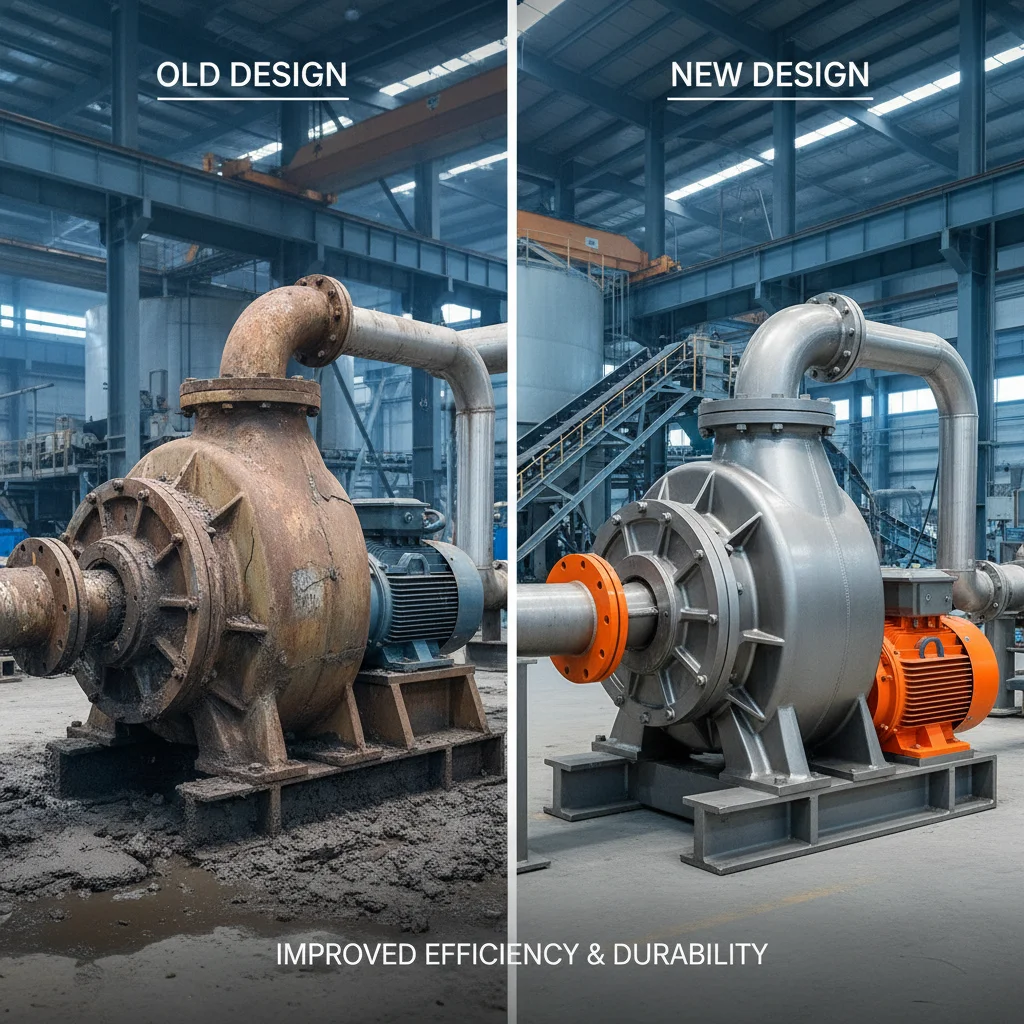
Slurry pumps are critical components in a vast array of industrial and environmental applications, facilitating the movement of abrasive or dense fluids. From mining and wastewater treatment to construction and agriculture, these robust pumps ensure efficient material handling, minimizing downtime and optimizing processes. Understanding the principles and advancements in slurry pump technology is increasingly vital for operational efficiency, cost reduction, and environmental sustainability.
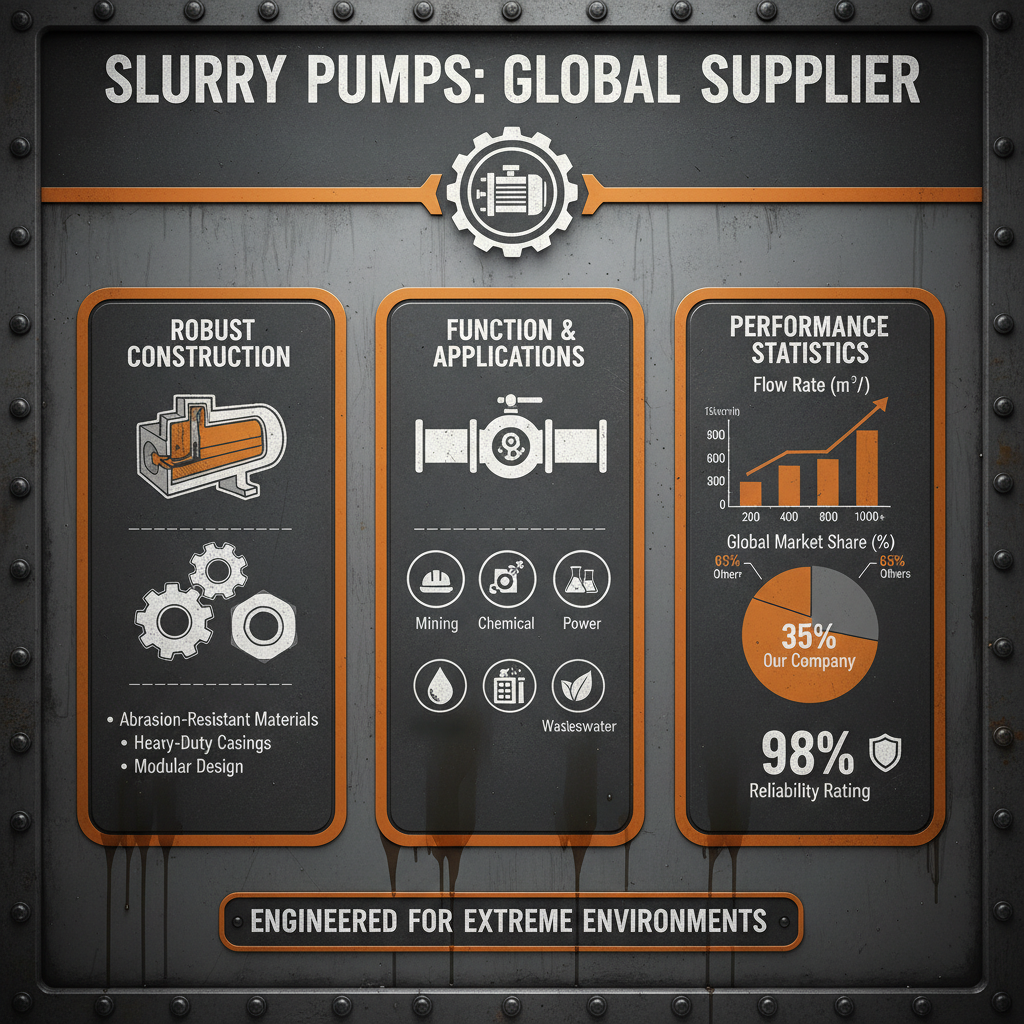
The global demand for slurry pumps is directly linked to the growth of key industries like mining, oil & gas, and infrastructure development. According to a report by MarketsandMarkets, the global slurry pump market is projected to reach USD 6.2 billion by 2027, growing at a CAGR of 4.8% from 2022 to 2027. This growth is fueled by increasing investments in water and wastewater treatment facilities, particularly in emerging economies.
Successfully tackling challenges in fluid transport hinges on the right pumping solution. Slurry pumps provide reliable and effective means to address these challenges, bolstering productivity and safeguarding environmental standards across multiple sectors. The increasing demand for efficiency and reduced environmental impact continuously drives innovation within the slurry pump industry.
Introduction to Slurry Pumps
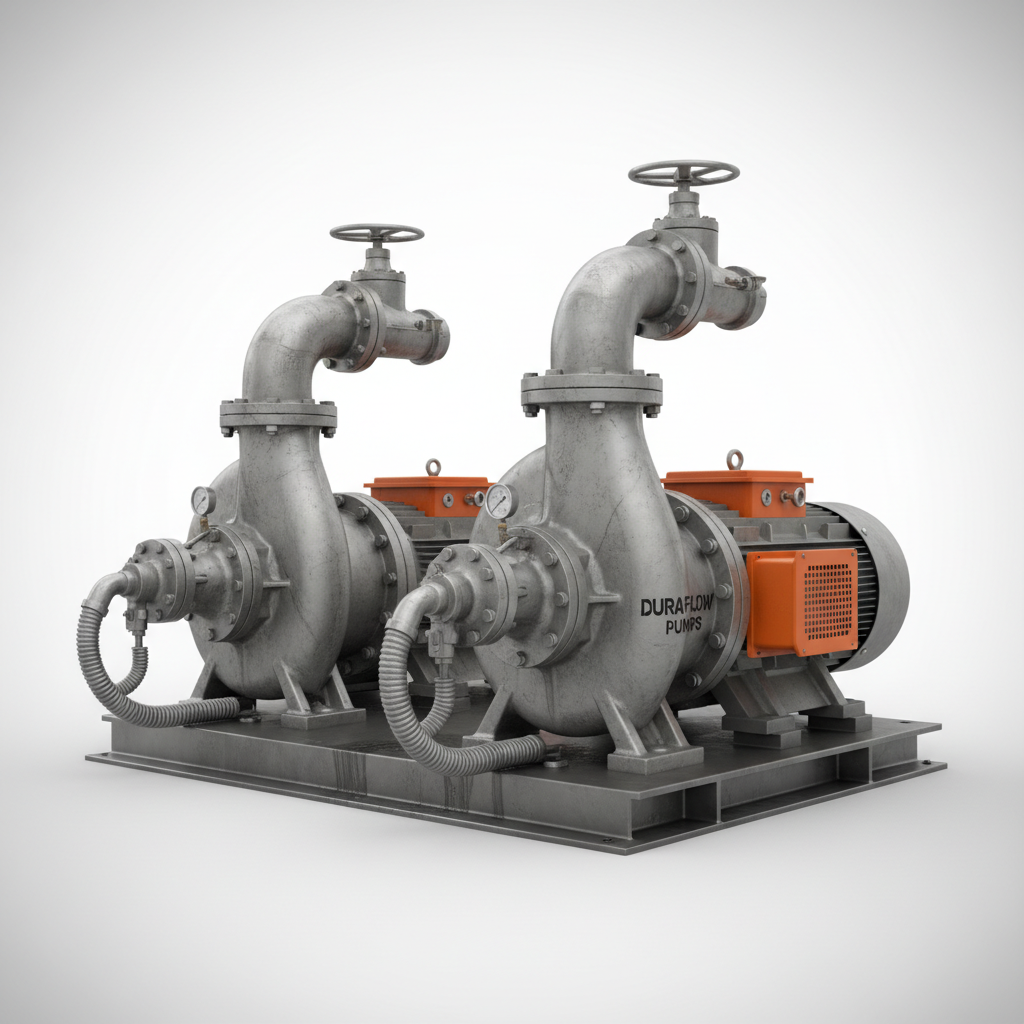
Slurry pumps are engineered to handle liquids containing solid particles – a mixture known as a slurry. These pumps differ significantly from standard water pumps due to their robust construction and specialized impeller designs, designed to resist abrasion and maintain efficiency even with highly abrasive materials. Their ability to effectively move these challenging fluids is fundamental to many industrial processes.
The selection of the right slurry pump is crucial for optimal performance and longevity. Factors such as slurry composition, particle size, flow rate, and head pressure must be carefully considered to ensure the pump can withstand the specific demands of the application. A properly chosen slurry pump can dramatically reduce maintenance costs and maximize operational uptime.
Defining Slurry Pumps and Their Significance
Simply put, a slurry pump is a type of pump specifically designed for pumping fluids containing solid particles. Unlike clear fluid pumps, slurry pumps must withstand the corrosive and abrasive effects of these solids. They are widely used across diverse industries because of their ability to handle harsh environments and maintain consistent performance.
Slurry pumps play a pivotal role in modern industry, particularly in sectors where processing materials with solid content is essential. Their significance extends beyond merely moving liquids; they're integral to resource extraction, waste management, and overall process efficiency. Without reliable slurry pumping solutions, many industrial operations would face significant challenges.
Their application directly addresses crucial humanitarian needs as well, particularly in disaster relief efforts where rapid removal of debris and contaminated water is vital. By ensuring clean water access and facilitating the removal of hazardous materials, slurry pumps contribute to public health and environmental protection.
Key Components and Performance Factors
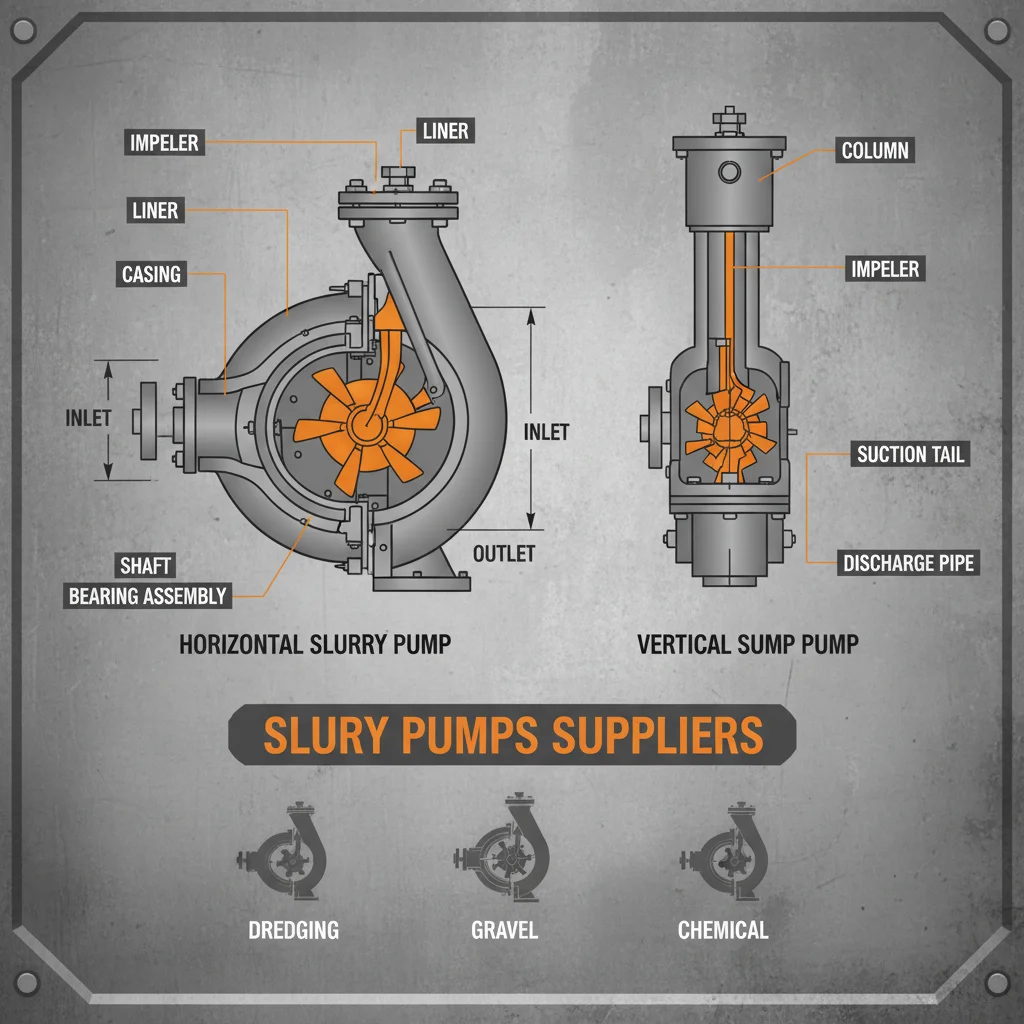
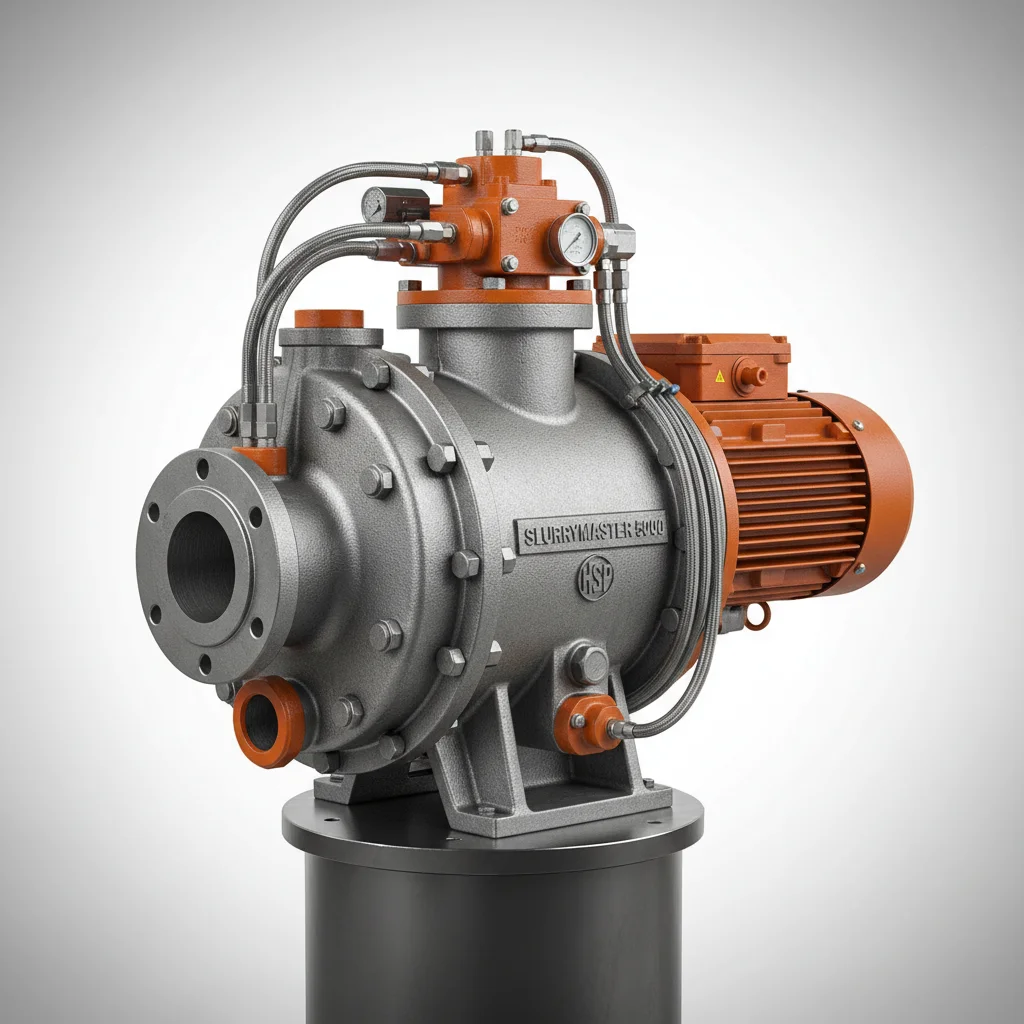
Several key components contribute to the performance and durability of a slurry pump. The impeller, often made of hardened metal or ceramic, is the heart of the pump, generating the centrifugal force to move the slurry. The volute casing directs the flow of slurry and increases pressure. Liners, typically rubber or metal, protect the casing from abrasion. Seals prevent leakage and contamination.
Critical performance factors include flow rate (volume of slurry pumped per unit time), head pressure (the height to which the slurry can be lifted), and solids handling capability (the maximum size and concentration of solids the pump can handle). Pump efficiency, measured by the ratio of hydraulic power output to power input, is also a key metric. Selecting a pump with the right balance of these factors is critical for optimal operation.
Material selection is paramount. Pump components are frequently exposed to abrasive and corrosive slurries, necessitating the use of materials like high-chrome iron, stainless steel, and specialized polymers. Proper material selection directly correlates to pump life, reducing downtime and maintenance requirements.
Global Applications of Slurry Pumps
Slurry pumps are indispensable across numerous industries worldwide. In the mining sector, they transport ore slurries from the mine site to processing plants. In the oil & gas industry, they move drilling muds and produced water. Wastewater treatment plants rely on slurry pumps for handling sludge and grit.
Construction projects utilize slurry pumps for dewatering excavations and handling concrete waste. Agriculture employs them for irrigation and the transfer of fertilizer mixtures. Regions with significant mining activity, such as Australia, South America, and parts of Africa, exhibit high demand for robust slurry pumps.
In post-disaster relief operations, slurry pumps are vital for rapidly removing floodwater and debris. In remote industrial zones, where infrastructure is limited, they provide a reliable means of transporting essential materials. Increasingly, slurry pumps are integrated with automated control systems to enhance efficiency and reduce manual intervention.
Slurry Pump Application Distribution
Advantages and Long-Term Value Proposition
Employing appropriate slurry pumps offers substantial cost savings through reduced maintenance and increased operational efficiency. The durability and reliability of modern slurry pumps minimize downtime, preventing costly production disruptions. Investing in high-quality pumps translates to long-term financial benefits.
From a sustainability perspective, efficient slurry pumping reduces energy consumption and minimizes waste. Choosing pumps designed for longevity decreases the need for frequent replacements, lessening the environmental impact. A robust slurry pump is a tangible step towards responsible industrial practices.
Future Trends and Technological Advancements
The future of slurry pump technology is focused on enhanced efficiency, automation, and sustainability. Developments in materials science, such as the use of advanced ceramics and composites, are leading to pumps with increased wear resistance and longer lifespans. Digitalization and remote monitoring capabilities are gaining prominence.
Integrating AI-powered predictive maintenance systems allows for proactive identification of potential issues, preventing unexpected failures and optimizing pump performance. Energy-efficient pump designs and variable speed drives are reducing energy consumption and lowering operational costs. The convergence of these technologies promises a more reliable and sustainable future for slurry pumping.
Challenges and Innovative Solutions
Common challenges in slurry pumping include abrasion, corrosion, and the potential for clogging. Abrasive particles can rapidly wear down pump components, while corrosive fluids can degrade materials. Clogging can disrupt flow and damage the pump.
Innovative solutions are addressing these challenges. Self-priming pumps are designed to handle slurries with entrained air. Impeller designs are being optimized to reduce clogging. The use of advanced coatings and materials enhances abrasion and corrosion resistance.
Furthermore, implementing closed-loop monitoring systems coupled with automated flushing mechanisms helps maintain optimal performance and prevents blockages. Continuous research and development are key to overcoming the inherent complexities of slurry handling.
Summary of Slurry Pump Maintenance Best Practices
| Maintenance Task |
Frequency |
Potential Issues Identified |
Preventative Action |
| Impeller Inspection |
Monthly |
Wear, erosion, cavitation |
Replacement or repair |
| Seal Check |
Weekly |
Leakage, deterioration |
Replacement of seals |
| Bearing Lubrication |
Bi-Monthly |
Overheating, noise, vibration |
Re-lubrication with appropriate grease |
| Casing Inspection |
Quarterly |
Corrosion, erosion, cracks |
Repair or liner replacement |
| Volute Examination |
Semi-Annually |
Blockages, build-up, wear |
Cleaning and inspection for damage |
| Performance Monitoring |
Continuous |
Reduced flow rate, increased energy consumption |
Detailed analysis and corrective action |
FAQS
Selecting the correct slurry pump requires careful consideration of the slurry’s characteristics – particle size, solids concentration, abrasiveness, and chemical composition. Additionally, factors like flow rate, head pressure, and pipeline length are crucial. Consulting with a slurry pump specialist is highly recommended to ensure optimal performance and longevity. Understanding these factors helps avoid costly mistakes and ensures the pump meets your specific needs.
Preventing abrasive wear involves selecting pumps constructed from wear-resistant materials like high-chrome iron or ceramics, especially for impeller and casing components. Minimizing the slurry velocity, optimizing impeller design, and implementing effective seals can also significantly reduce wear. Regular inspections and proactive component replacement are key to extending pump life.
The lifespan of a slurry pump varies significantly depending on the application and maintenance practices. Generally, a well-maintained slurry pump can last between 5 to 15 years. However, pumps handling highly abrasive slurries may require more frequent component replacements, reducing the overall lifespan. Proper selection, installation, and regular maintenance are essential for maximizing pump longevity.
Clogging can often be resolved by reducing slurry flow rate, ensuring proper pump priming, and checking for obstructions in the suction line. In severe cases, manual cleaning of the impeller and volute may be necessary. Implementing a self-priming pump or incorporating a strainer can help prevent future clogging issues. Regular monitoring of pump performance can also identify potential problems before they escalate.
Essential maintenance tasks include regular inspection of the impeller, seals, and bearings, as well as lubrication of moving parts. Monitoring performance parameters like flow rate and pressure is crucial for detecting early signs of wear or degradation. Periodic cleaning of the pump casing and volute helps prevent buildup and maintain efficiency. Following a preventative maintenance schedule is vital for maximizing pump uptime and reducing costly repairs.
Yes, there are slurry pumps specifically designed for environmentally sensitive applications, featuring leak-proof seals and robust containment systems. These pumps often utilize corrosion-resistant materials and are engineered to minimize environmental impact. Selecting a pump certified for relevant environmental standards ensures compliance and responsible operation. slurry pumps can be customized to meet stringent environmental regulations.
Conclusion
Slurry pumps are integral to numerous industries, providing essential solutions for handling abrasive and dense fluids. Their durability, reliability, and adaptability make them crucial for optimizing operations, reducing costs, and minimizing environmental impact. Investing in high-quality slurry pumps and implementing proactive maintenance practices are key to long-term success.
As technology advances, we can expect even more efficient, sustainable, and intelligent slurry pumping solutions. Embracing these innovations will not only improve operational performance but also contribute to a more environmentally responsible industrial landscape. To learn more about our range of slurry pumps and find the perfect solution for your application, visit our website: www.hihornpump.com.