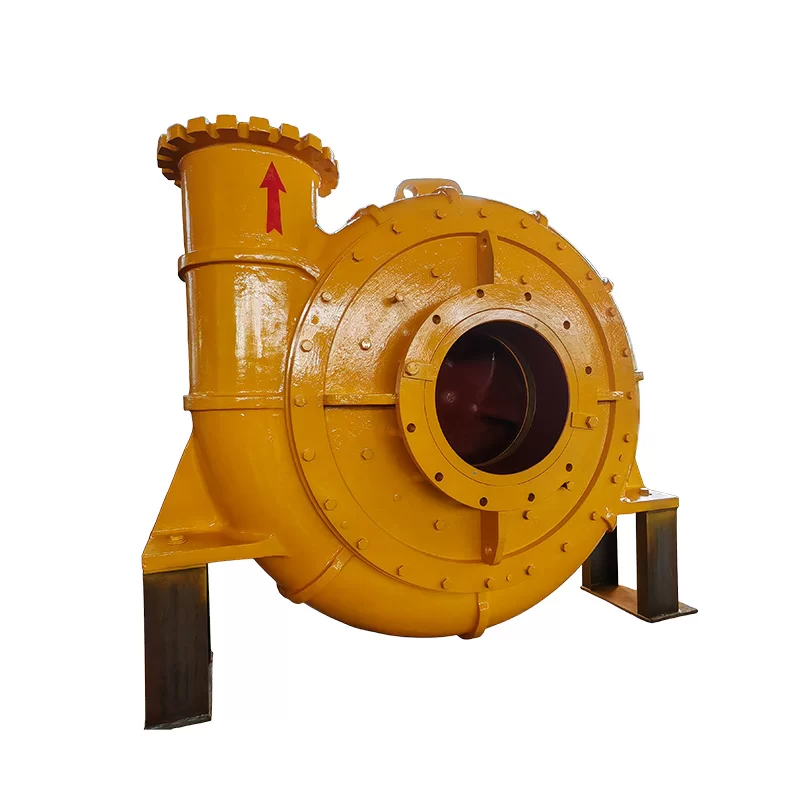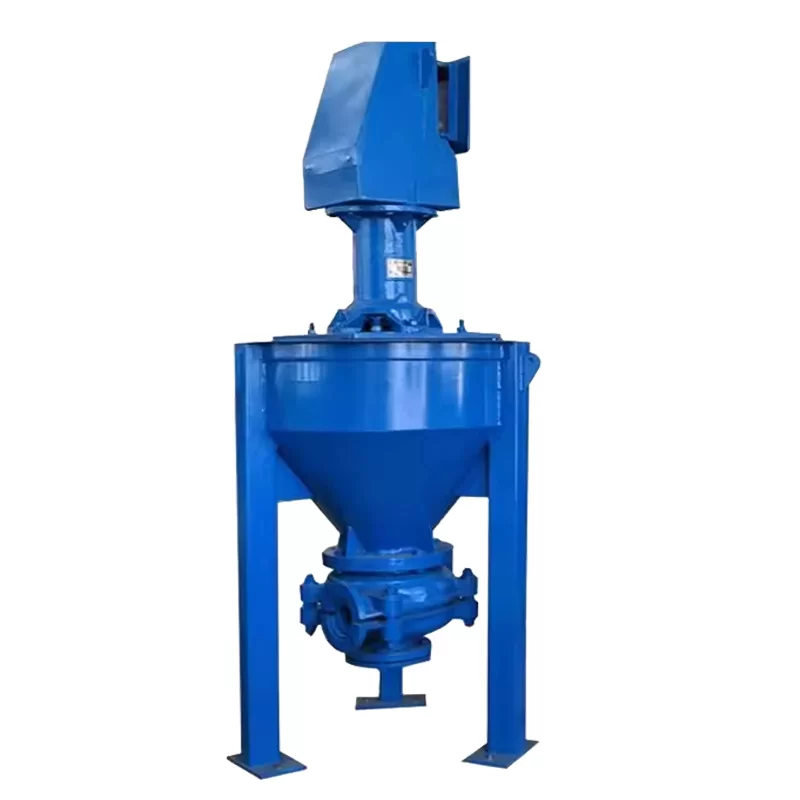
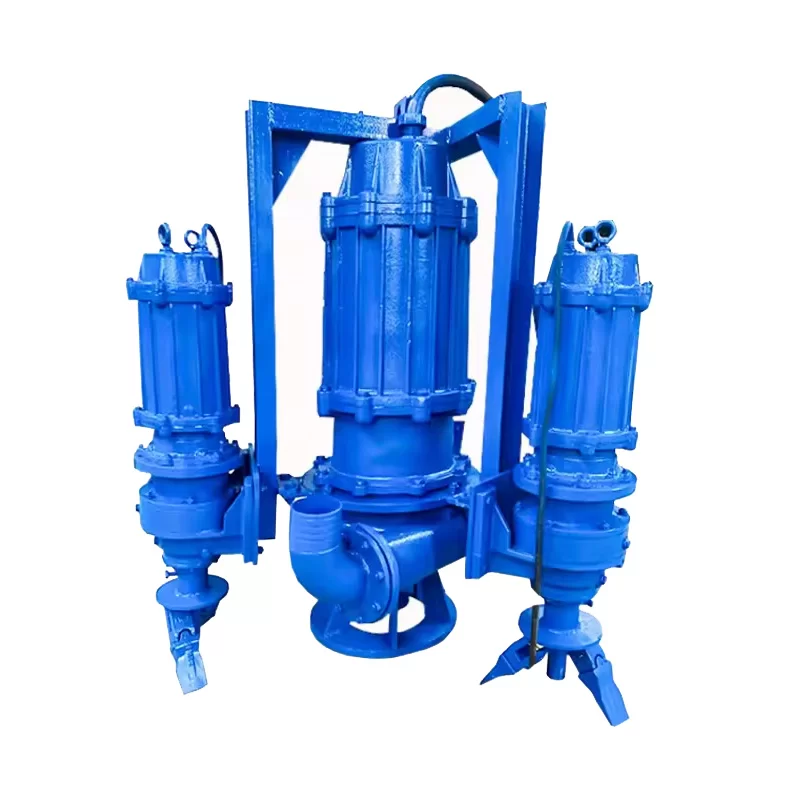
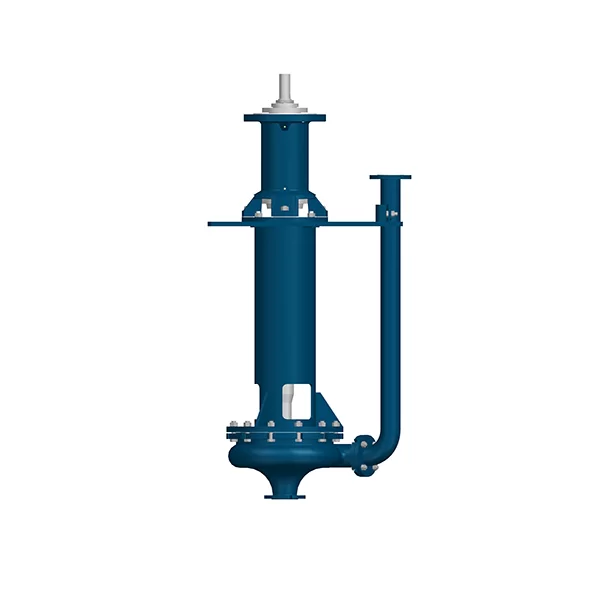

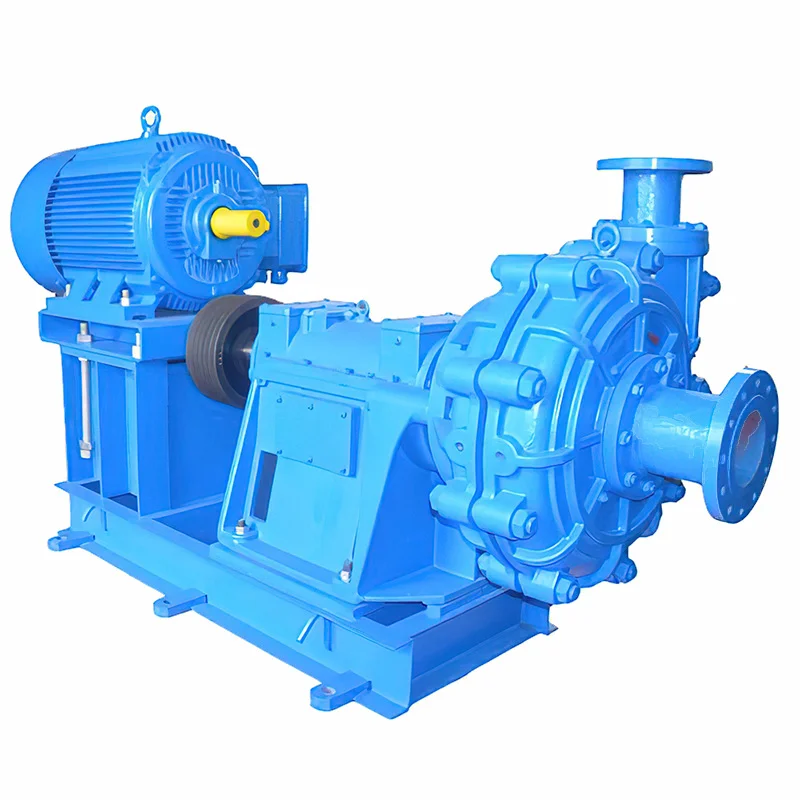
Brazil’s robust mining and agricultural sectors are key drivers for the demand of slurry pumps. The country's vast mineral resources, including iron ore, bauxite, and gold, require efficient and reliable slurry transportation systems. Geographically, the concentration of mining activity in states like Minas Gerais, Pará, and Mato Grosso do Sul creates localized hotspots for pump demand.
The Brazilian climate, characterized by intense rainfall in certain regions and prolonged droughts in others, impacts slurry consistency and pump operation. Pumps must be designed to handle varying slurry densities and abrasive particle loads. Economic fluctuations also play a role, with investment in infrastructure and commodity prices influencing pump procurement cycles.
Increasing environmental regulations regarding water management and tailings disposal are pushing the demand for more sustainable and energy-efficient industrial sump pumps. Companies are seeking solutions that minimize water consumption and reduce the environmental impact of their operations.