Understanding Heavy Duty Slurry Pumps
In industries dealing with abrasive materials and high volumes of fluid, the reliable operation of pumps is paramount. Heavy duty slurry pumps are specifically engineered to handle these challenging conditions, ensuring efficiency and minimizing downtime. This article will delve into the intricacies of these pumps, exploring their applications, key features, types, and maintenance requirements. Choosing the right slurry pump is crucial for the longevity of your operations and cost-effectiveness.
What are Heavy Duty Slurry Pumps?
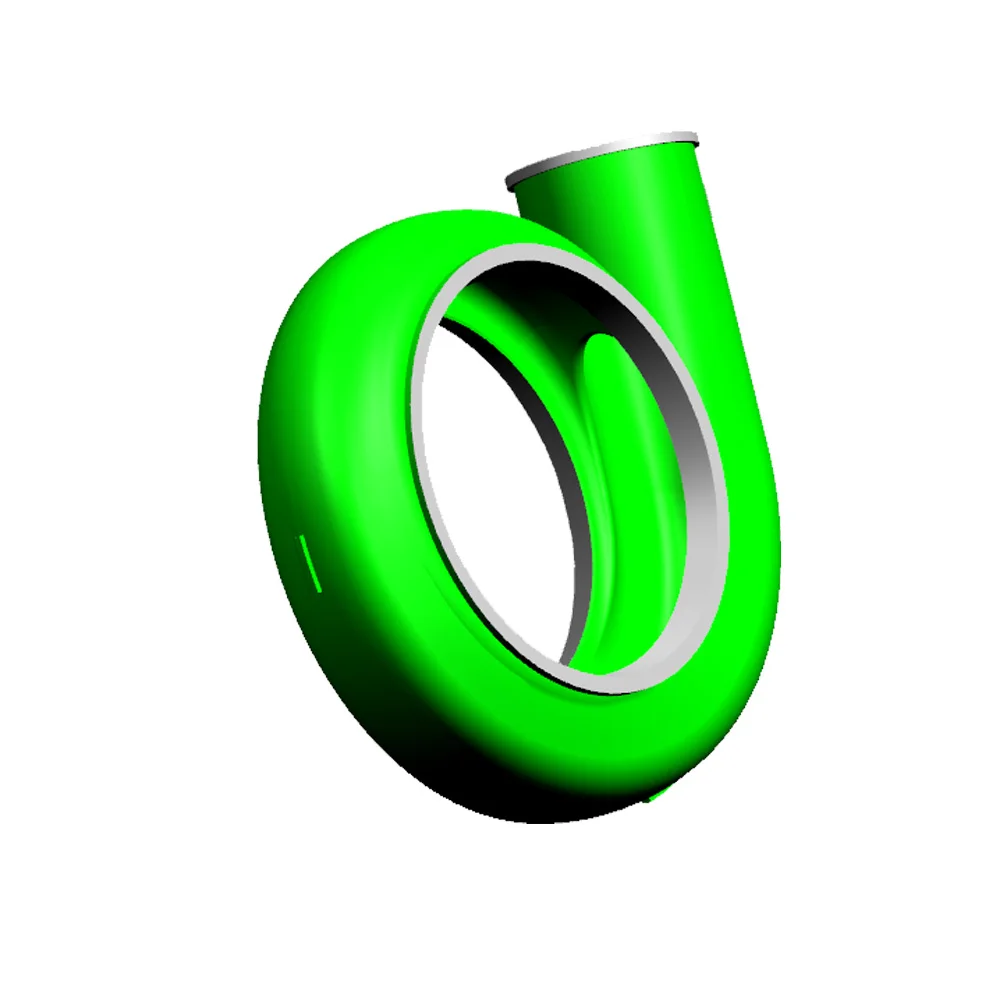
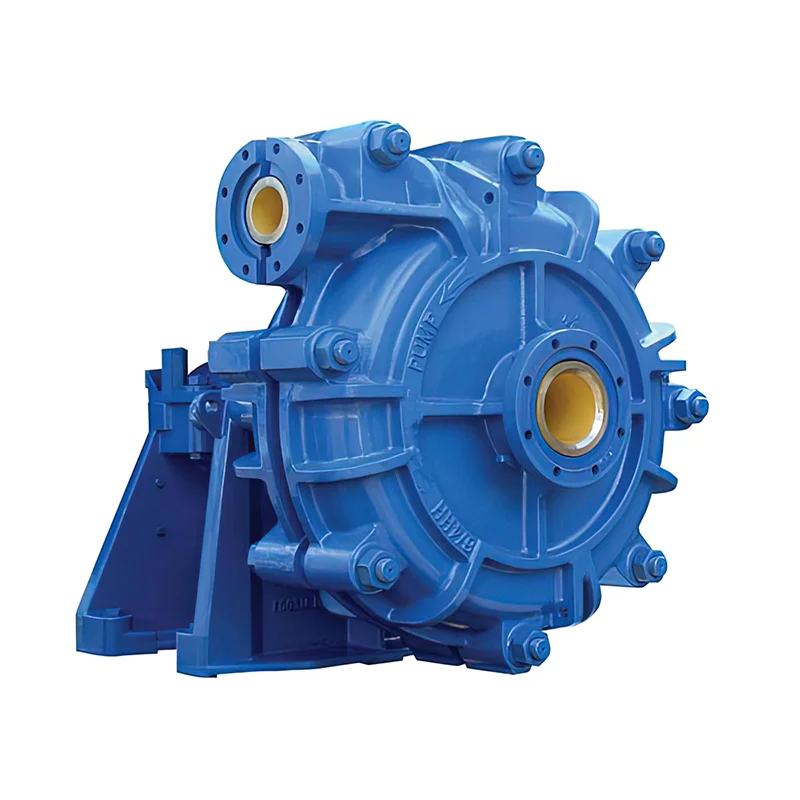
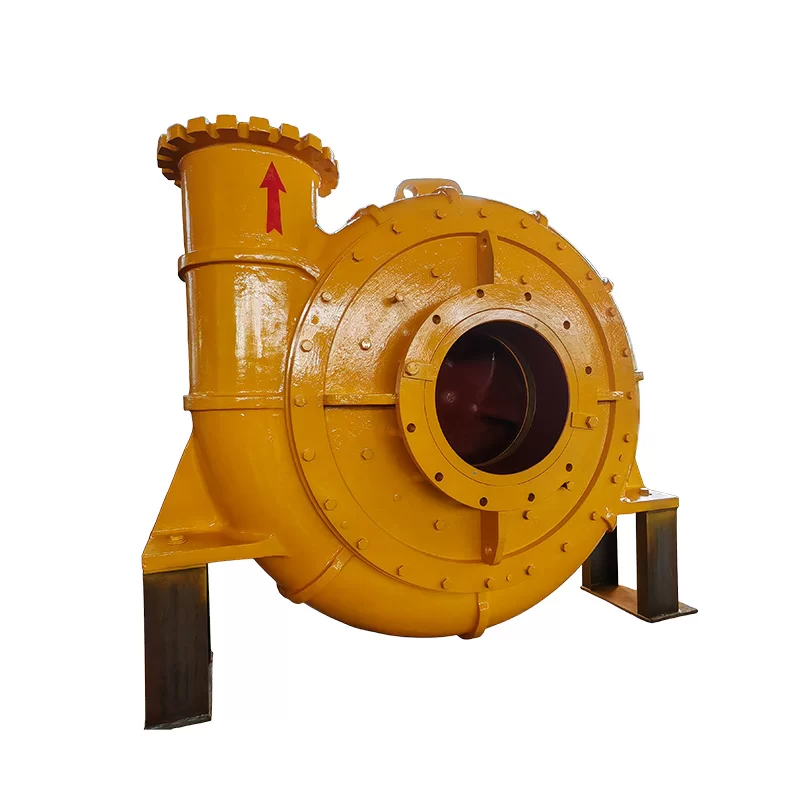
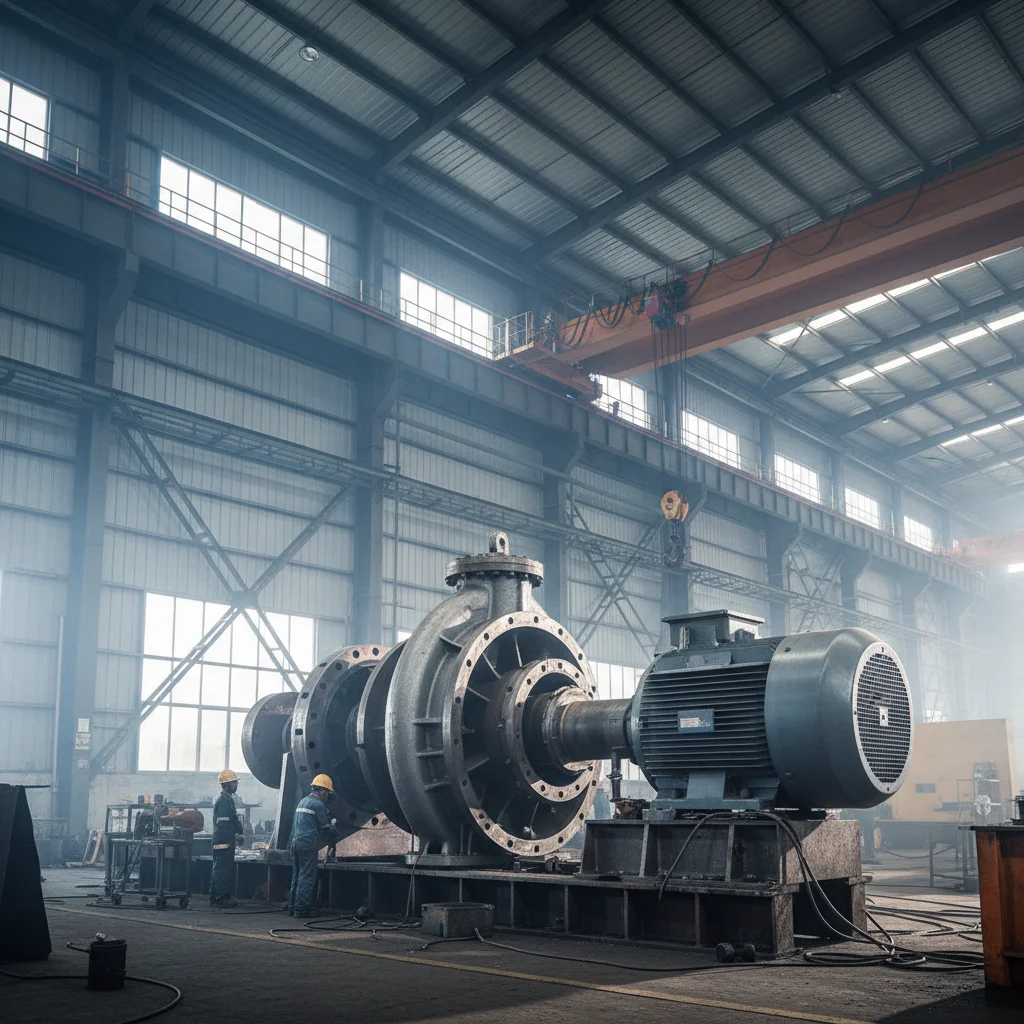
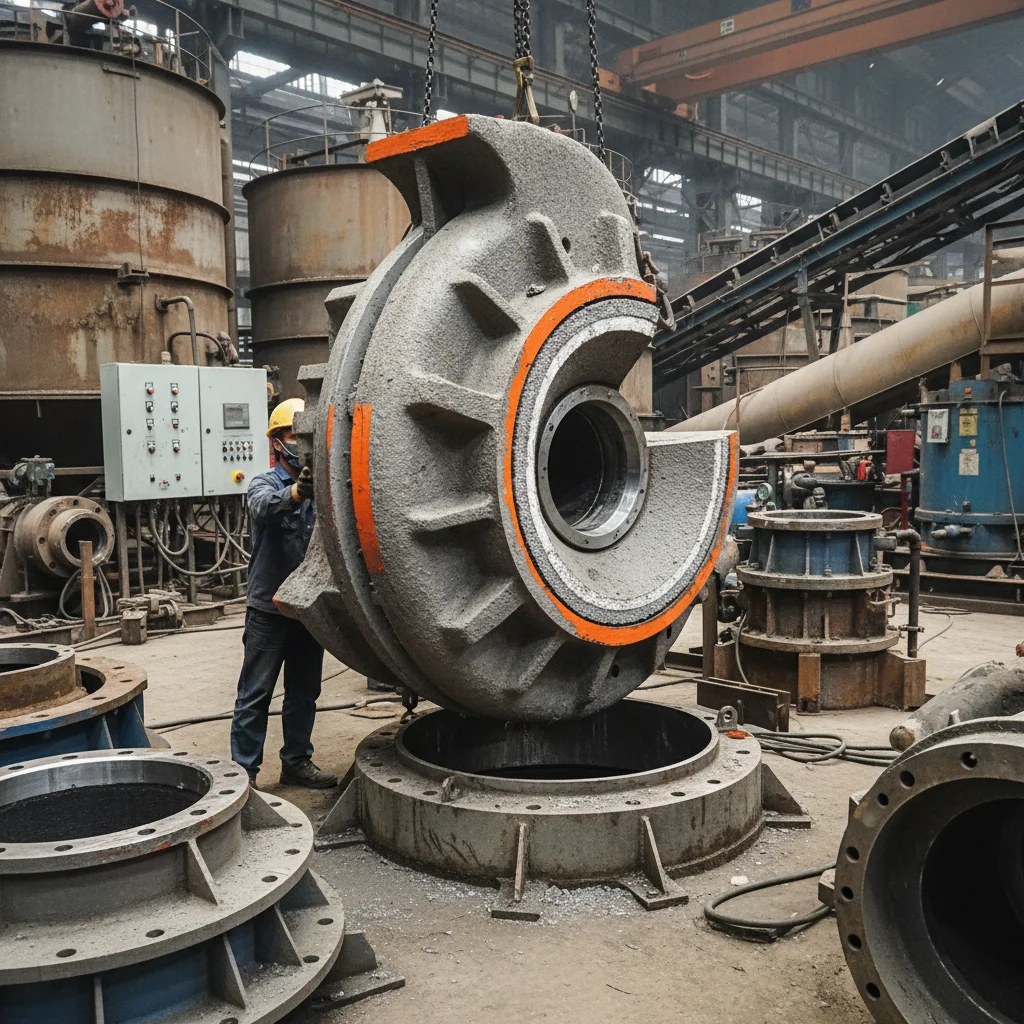
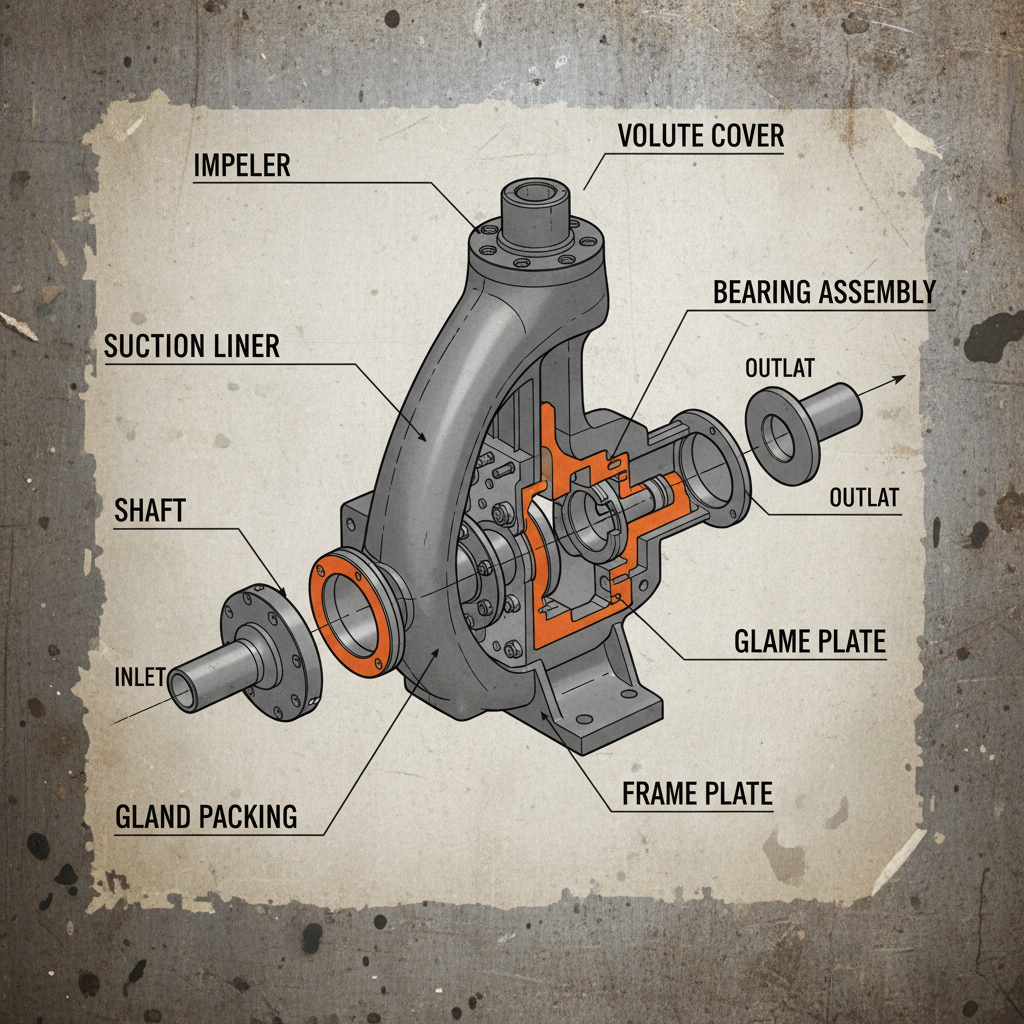
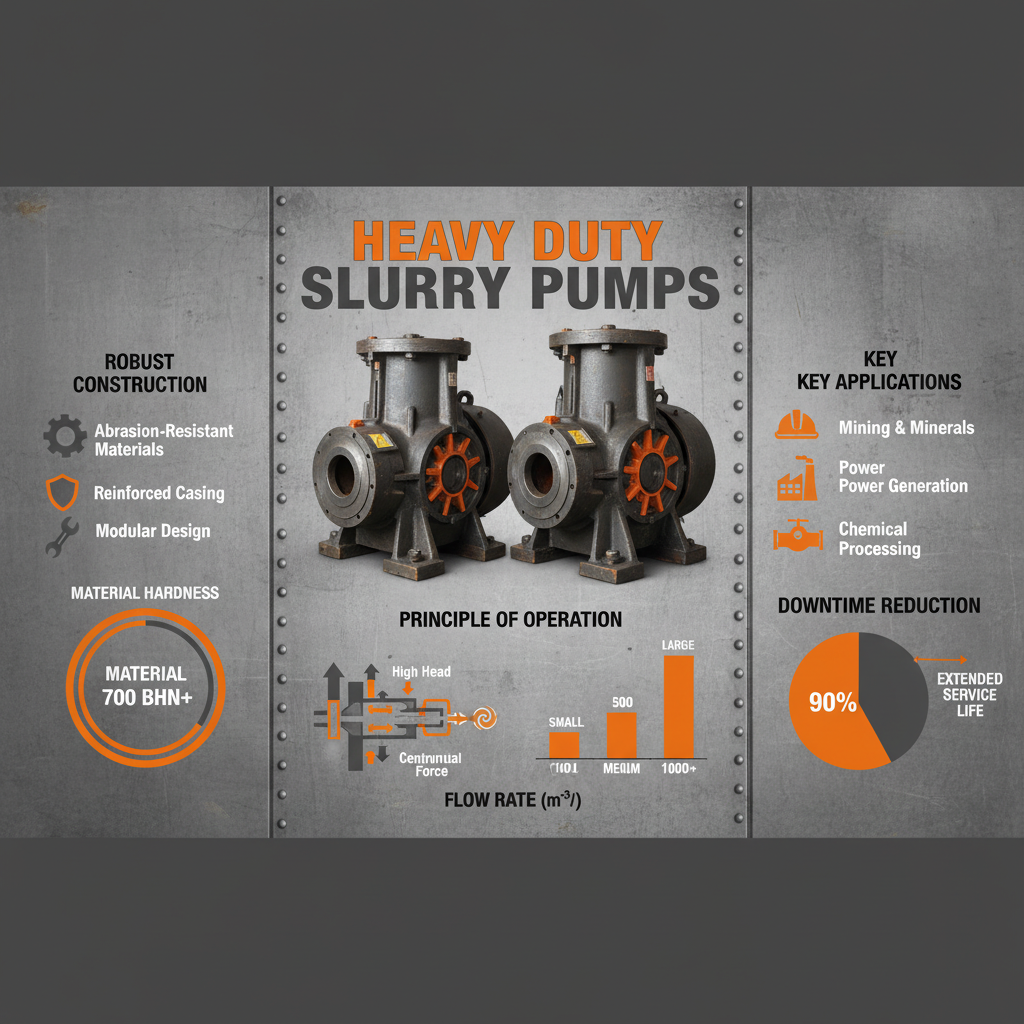
Heavy duty slurry pumps are designed to transport liquids containing a high concentration of solid particles – known as slurry. Unlike standard pumps, these are built with robust materials and specialized designs to withstand abrasion, corrosion, and impact from the solids carried within the fluid. They are essential in sectors such as mining, wastewater treatment, chemical processing, and dredging. The internal components are often constructed with hardened metals or abrasion-resistant coatings to extend service life. HiHorn Pump offers a range of these pumps to suit diverse applications.
Key Characteristics: Robust construction, abrasion-resistant materials, high flow rates, ability to handle high solid concentrations.
Applications of Heavy Duty Slurry Pumps
The versatility of heavy duty slurry pumps allows them to be deployed in a broad spectrum of industries. In mining, they are vital for moving ore slurries, tailings, and process water. Wastewater treatment plants utilize these pumps to handle sludge and debris. Chemical processing relies on them for transferring corrosive and abrasive chemicals. Dredging operations employ slurry pumps to remove sediment and maintain waterways. Moreover, they find application in power plants, sand processing, and even the food industry in certain specialized processes. HiHorn Pump’s pumps are specifically designed to tackle these diverse environments.
Common Applications:
• Mining: Ore processing, tailings removal.
• Wastewater Treatment: Sludge transfer, debris handling.
• Chemical Processing: Corrosive fluid transfer.
• Dredging: Sediment removal and waterway maintenance.
Types of Heavy Duty Slurry Pumps
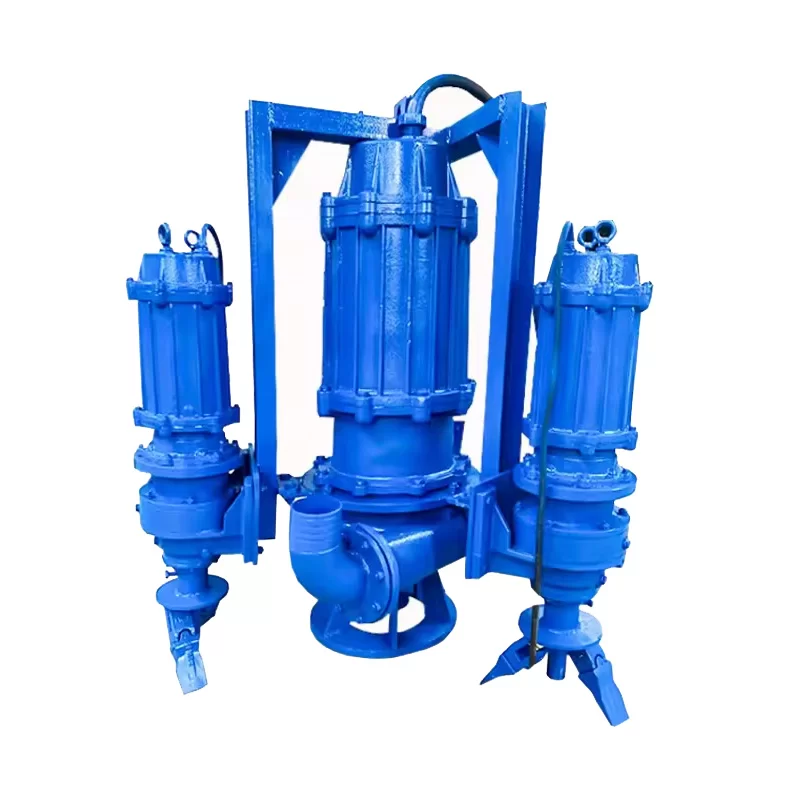
Several types of heavy duty slurry pumps exist, each tailored to specific application needs. Centrifugal slurry pumps are the most common, utilizing a rotating impeller to generate flow. Positive displacement pumps, such as diaphragm or peristaltic pumps, offer precise flow control and are suited for viscous slurries. Vertical slurry pumps are ideal for sumps and tanks with limited space. Submersible slurry pumps are designed to operate while fully submerged in the slurry, eliminating the need for priming. HiHorn Pump offers a comprehensive range of these pump types.
Maintenance and Longevity of Slurry Pumps
Regular maintenance is crucial for maximizing the lifespan and efficiency of heavy duty slurry pumps. This includes routine inspections for wear and tear, lubrication of moving parts, and replacement of worn components like impellers, liners, and seals. Monitoring pump performance parameters such as flow rate, pressure, and power consumption can help identify potential issues early on. Proper filtration of the slurry can also reduce abrasive wear. HiHorn Pump provides comprehensive support and spare parts to facilitate maintenance.
Conclusion: Choosing the Right Heavy Duty Slurry Pump
Selecting the appropriate heavy duty slurry pump is a critical investment for industries dealing with abrasive materials. By considering factors such as slurry composition, flow rate, pressure requirements, and operating environment, you can ensure optimal performance and longevity. HiHorn Pump is a trusted partner, offering a wide range of high-quality pumps and expert support to meet your specific needs.
Frequently Asked Questions (FAQs)
What is the typical lifespan of a heavy duty slurry pump?
The lifespan of a heavy duty slurry pump varies greatly depending on the application, the abrasiveness of the slurry, and the maintenance schedule. Generally, with proper maintenance, a slurry pump can operate effectively for 3-7 years. However, in highly abrasive environments, the lifespan may be shorter. Factors like the pump's construction materials, the quality of seals, and the operating conditions play significant roles. Regular inspections and timely replacement of worn parts are key to extending the pump’s operational life. Contacting HiHorn Pump for specific recommendations regarding your application is highly advised.
How do I choose the right size slurry pump?
Selecting the correct pump size is crucial for efficient operation. You need to consider the flow rate (volume of slurry moved per unit time), the head (vertical distance the pump needs to lift the slurry), and the specific gravity of the slurry. It's important to account for frictional losses in the piping system. Undersized pumps will struggle to meet demand, while oversized pumps will operate inefficiently. HiHorn Pump’s engineers can assist with pump selection based on your specific system requirements.
What are the key materials used in slurry pump construction?
Slurry pumps are commonly constructed from materials that resist abrasion and corrosion. High-chrome iron is a popular choice for impellers and liners due to its exceptional wear resistance. Pump casings are often made from ductile iron, stainless steel, or alloy steels. Elastomeric liners, such as rubber, are used to protect the pump housing from abrasive particles. The choice of material depends on the specific slurry composition and operating conditions. HiHorn Pump utilizes a variety of materials to ensure optimal performance in diverse applications.
What are the common causes of slurry pump failure?
Common causes of slurry pump failure include abrasive wear, corrosion, cavitation (formation of vapor bubbles), and mechanical failure of components like bearings and seals. Improper operation, such as running the pump dry or exceeding its design limits, can also contribute to failure. Regular inspections, proper maintenance, and adherence to operating guidelines are essential for preventing these issues. HiHorn Pump offers troubleshooting services and preventative maintenance programs.