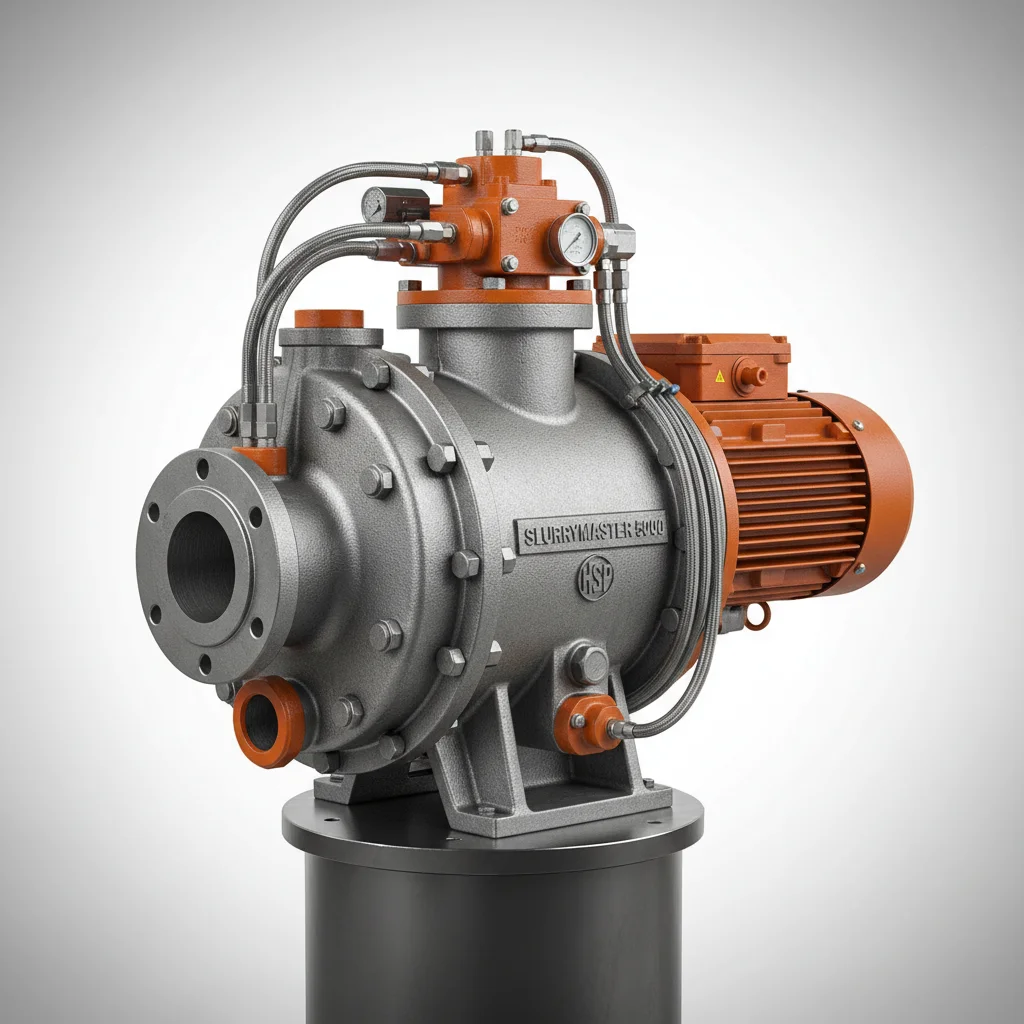
Sludge pump types are critical components across a diverse range of industries, from wastewater treatment and agriculture to oil and gas, and even mining operations. The effective handling of sludge – a semi-solid slurry containing various organic and inorganic materials – is essential for environmental protection, operational efficiency, and maintaining regulatory compliance. Understanding the different sludge pump types available, their specific applications, and the factors influencing their selection is paramount for engineers, facility managers, and environmental professionals.
The global demand for robust and efficient sludge management solutions is steadily increasing, driven by factors like population growth, urbanization, and stricter environmental regulations. According to the UN, approximately 80% of the world’s wastewater is not collected or treated properly, leading to significant environmental and health risks. Effective sludge handling through appropriate pump technology is a key step towards addressing this challenge and achieving sustainable wastewater management. This necessitates a keen understanding of available sludge pump types.
Investing in the right sludge pump technology not only minimizes operational costs and downtime but also safeguards the environment and public health. Choosing the correct pump ensures efficient sludge transfer, reduces the risk of blockages and equipment failure, and optimizes the overall performance of treatment facilities. Therefore, informed decision-making regarding sludge pump types is a vital investment for a sustainable future.
Understanding the various types of sludge pumps is crucial because sludge isn’t uniform. Its composition – the mix of solids, liquids, and chemicals – varies significantly depending on the source and treatment process. Different sludge pump types are designed to handle these variations effectively, ensuring optimal performance and preventing damage.
Selection criteria are complex, involving factors like solids concentration, particle size, viscosity, abrasiveness, and the distance/height to which the sludge must be transported. A wrongly selected pump can lead to frequent clogging, reduced efficiency, and costly repairs. Therefore, meticulous assessment and informed decision-making are essential.
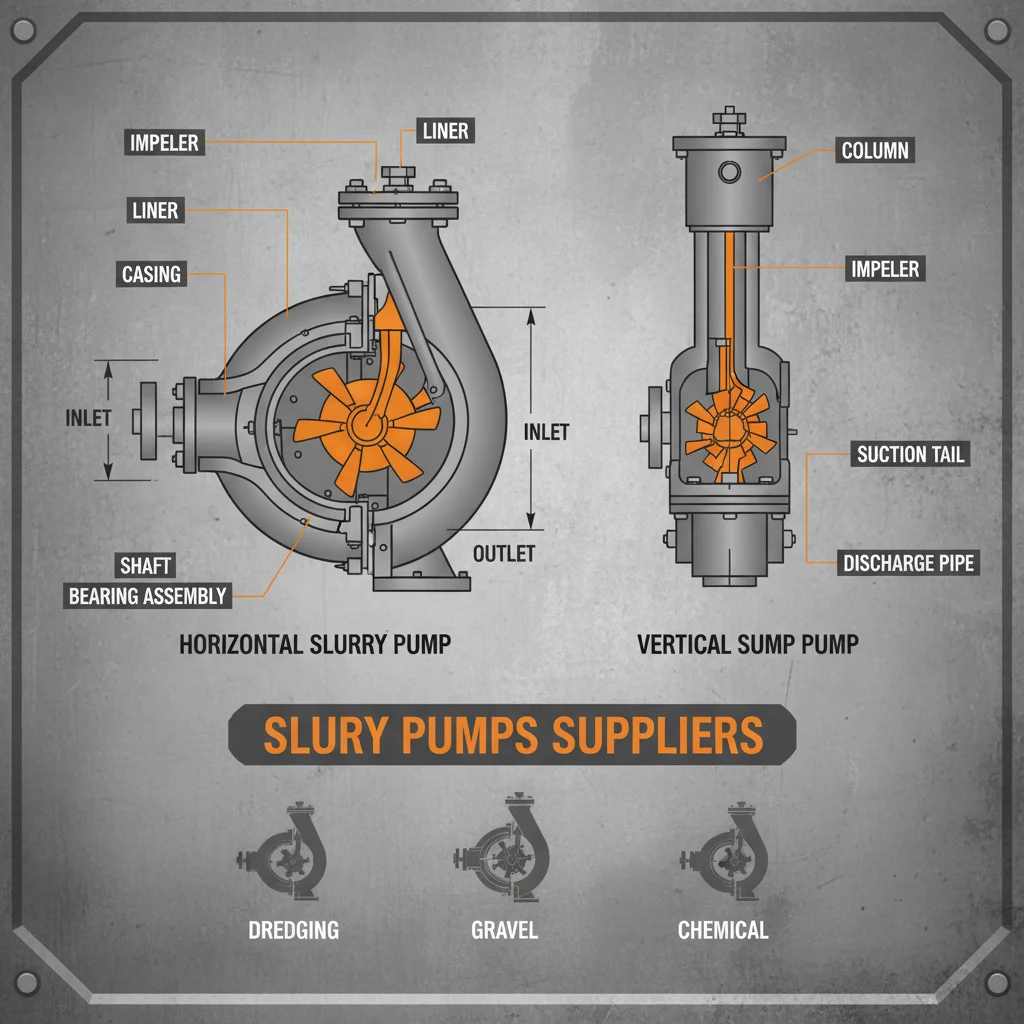
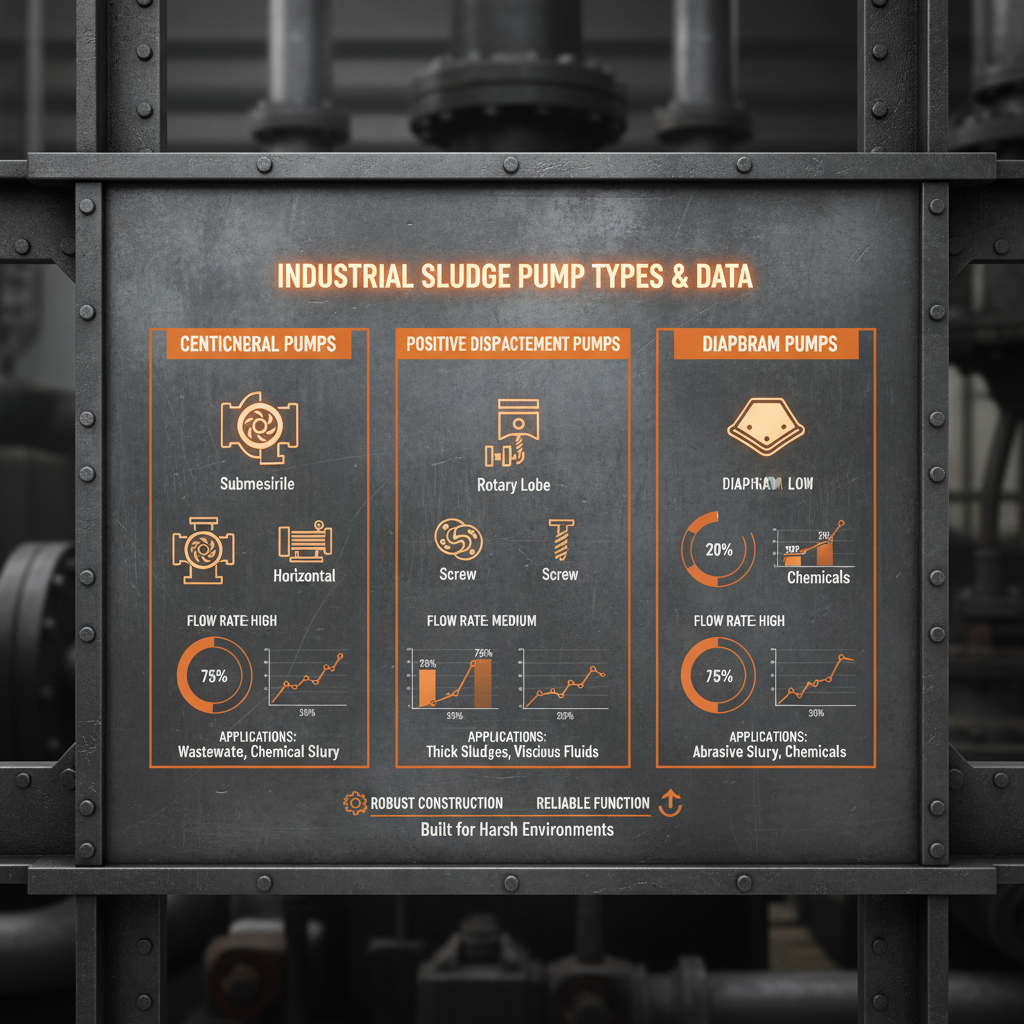
Positive displacement pumps deliver a fixed volume of sludge per revolution, making them ideal for high-viscosity fluids and consistent flow rates. Centrifugal pumps, conversely, rely on impeller rotation to generate flow, are better suited for lower-viscosity sludges and higher flow volumes. Selecting the appropriate type depends heavily on the specific sludge characteristics and application requirements. For instance, positive displacement pumps excel when a constant flow is needed regardless of pressure fluctuations.
Determining the correct pump size requires a thorough understanding of several factors, including sludge flow rate, total dynamic head (TDH), solids concentration, and sludge viscosity. TDH accounts for elevation changes, friction losses in the piping system, and pressure requirements at the discharge point. Consulting with a pump specialist and conducting a detailed system analysis are crucial steps to ensure optimal performance and avoid oversizing or undersizing the pump.
Regular maintenance is critical for ensuring the longevity and reliability of sludge pumps. Typical maintenance tasks include visual inspections for leaks or damage, impeller cleaning, bearing lubrication, seal replacements, and motor checks. Establishing a preventative maintenance schedule based on operating hours and sludge characteristics is highly recommended. Regular monitoring of pump performance indicators, like flow rate and pressure, can help identify potential issues early on.
Clogging is a common issue with sludge pumps. Implementing pre-screening systems to remove large debris is a crucial first step. Selecting a pump with large passageways and a robust impeller design can also minimize the risk of clogging. Additionally, ensuring proper pump operation within the specified solids concentration limits and avoiding sudden changes in flow rate can help prevent blockages.
The ideal materials for sludge pump construction depend on the specific characteristics of the sludge being handled. Stainless steel is a common choice due to its corrosion resistance. Hardened alloys and ceramic coatings are often used for components exposed to abrasive materials. Selecting materials that are compatible with the chemical composition of the sludge is essential to prevent corrosion and extend pump life.
Yes, several energy-efficient options are available. Variable Frequency Drives (VFDs) allow for precise control of pump speed, reducing energy consumption when full flow is not required. Optimized impeller designs and high-efficiency motors can also significantly improve energy efficiency. Selecting pumps with energy-saving features can result in substantial cost savings over the pump’s lifespan.
In conclusion, understanding the different sludge pump types and their applications is crucial for efficient and sustainable sludge management. From the core characteristics that define pump performance to the emerging trends in technology, a comprehensive knowledge base is essential for making informed decisions. Proper pump selection, combined with regular maintenance and a proactive approach to problem-solving, ensures reliable operation, minimizes costs, and protects the environment.
Looking ahead, the continued development of innovative pump technologies, materials, and monitoring systems will further enhance the efficiency and sustainability of sludge management practices. Investing in these advancements is not only a sound economic decision but also a responsible step towards safeguarding our planet for future generations. Visit our website at www.hihornpump.com to explore our range of sludge pump types and find the perfect solution for your needs.

If you are interested in our products, you can choose to leave your information here, and we will be in touch with you shortly.