Exploring Diverse Slurry Pump Types for Efficient Industrial Fluid Handling

Exploring Diverse Slurry Pump Types for Efficient Industrial Fluid Handling

  • Home
  • Top Blog
  • Exploring Diverse Slurry Pump Types for Efficient Industrial Fluid Handling
0%

Table of Contents

Slurry pump types are essential components in a vast range of industrial processes, from mining and wastewater treatment to chemical processing and agriculture. These specialized pumps are designed to move abrasive, corrosive, and highly viscous fluids – “slurries” – that standard pumps simply cannot handle. Understanding the diverse types of slurry pumps available, their capabilities, and appropriate applications is crucial for maximizing efficiency, minimizing downtime, and ensuring operational safety across various sectors. This knowledge is particularly vital in regions experiencing rapid industrialization and increasing environmental concerns, driving the demand for reliable and effective slurry handling solutions.

The global slurry pump market is substantial and growing, driven by increasing infrastructure development, stringent environmental regulations, and the expanding needs of resource extraction industries. According to recent reports, the market is projected to reach billions of dollars in the coming years, with Asia-Pacific representing the largest and fastest-growing region. This growth is fueled by significant investment in water and wastewater treatment facilities, as well as expansion in mining and mineral processing in countries like China and India. Selecting the correct slurry pump types is therefore a significant challenge for engineers and operators aiming to optimize performance and reduce lifecycle costs.

Slurry pump types aren't just about moving fluids; they represent a vital link in ensuring sustainable and efficient operations. From protecting our waterways with effective wastewater treatment to enabling the responsible extraction of valuable resources, these pumps play a critical role in modern industry and humanitarian efforts. A thorough grasp of the different types, their strengths, and weaknesses is therefore paramount for successful project implementation and long-term operational sustainability.

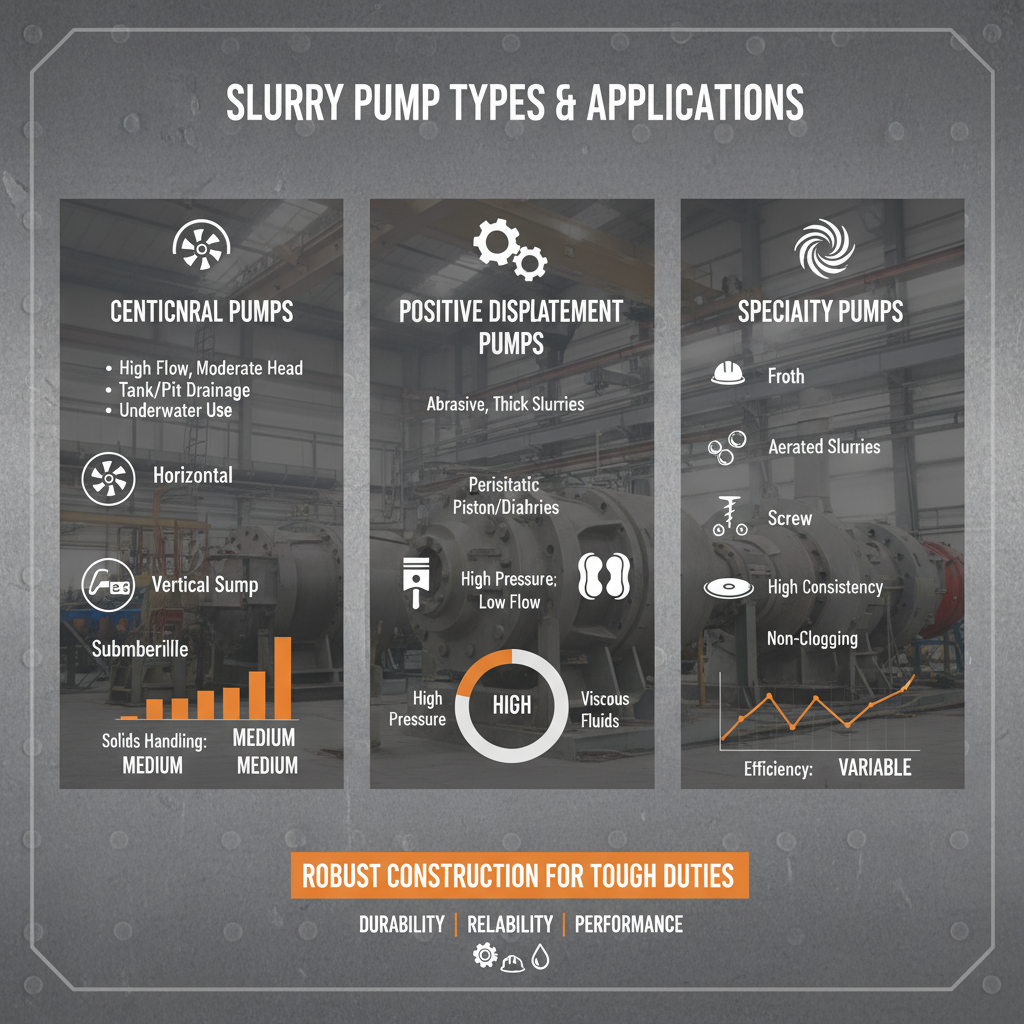
slurry pump types

Defining Slurry Pump Types and Their Importance

slurry pump types

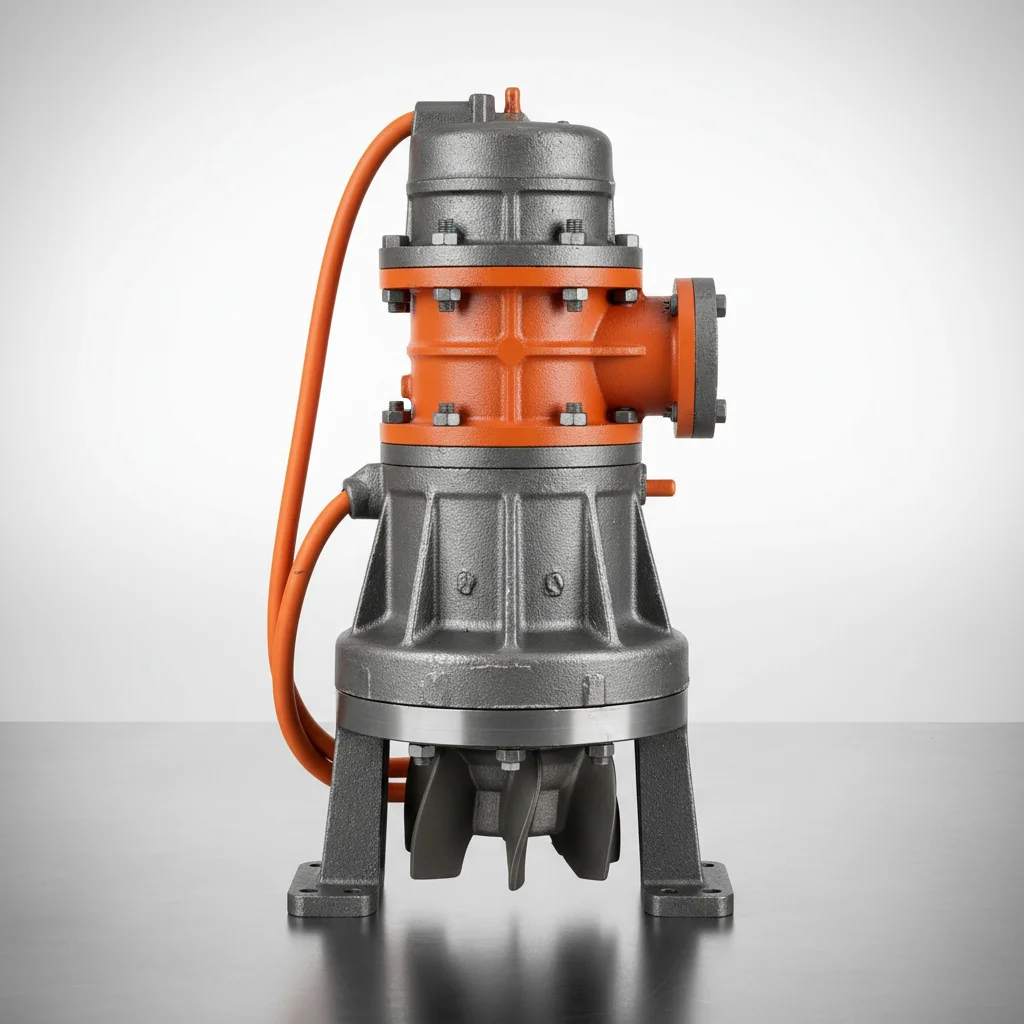
Slurry pump types are specifically engineered to handle fluids containing solid particles. These particles can range in size from fine silt to large rocks, and the slurry itself can be abrasive, corrosive, or both. The defining characteristic of these pumps is their ability to resist wear and maintain efficiency while transporting these challenging fluids. Different designs cater to different slurry compositions and application requirements. slurry pump types are categorized based on their impeller design, casing style, and sealing arrangements.

The importance of selecting the correct slurry pump type cannot be overstated. Incorrect pump selection can lead to premature wear, reduced efficiency, increased maintenance costs, and even catastrophic failure. This can disrupt operations, compromise safety, and negatively impact the environment. Proper pump selection ensures reliable and efficient slurry handling, minimizing downtime and maximizing productivity.

Global Relevance and Industry Context

Slurry pump types are integral to a multitude of industries globally. The mining sector relies heavily on them for transporting ore slurries, tailings, and process water. Wastewater treatment plants use them to manage sludge and grit. In the oil and gas industry, they handle drilling mud and produced water. The chemical processing industry utilizes them for handling various corrosive and abrasive chemicals in slurry form. This pervasive need for slurry handling solutions translates to a substantial global market with significant economic impact.

The United Nations Sustainable Development Goals (SDGs), particularly those relating to clean water and sanitation (SDG 6) and responsible consumption and production (SDG 12), highlight the importance of efficient and environmentally responsible slurry handling. Properly designed and maintained slurry pumps contribute to minimizing water pollution, reducing energy consumption, and maximizing resource recovery. Furthermore, ISO standards regarding pump performance and reliability demonstrate a global commitment to quality and safety in slurry handling operations.

A major challenge within these industries is the increasing demand for more sustainable and energy-efficient slurry handling solutions. Traditional slurry pumps can be energy intensive and prone to wear, leading to frequent replacements and increased environmental impact. Innovations in pump design and materials are focused on addressing these challenges, offering solutions that minimize energy consumption, reduce maintenance requirements, and extend pump lifespan.

Understanding the Core Components of Slurry Pumps

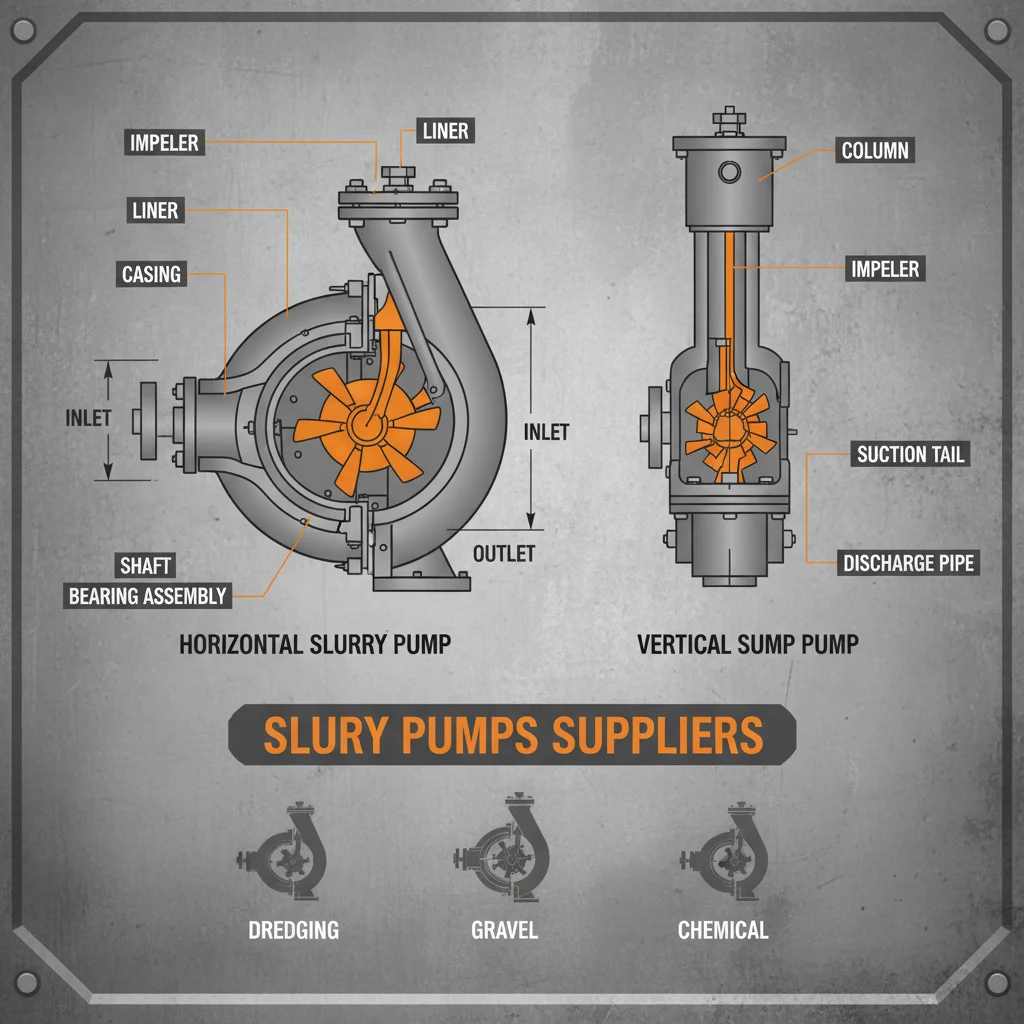
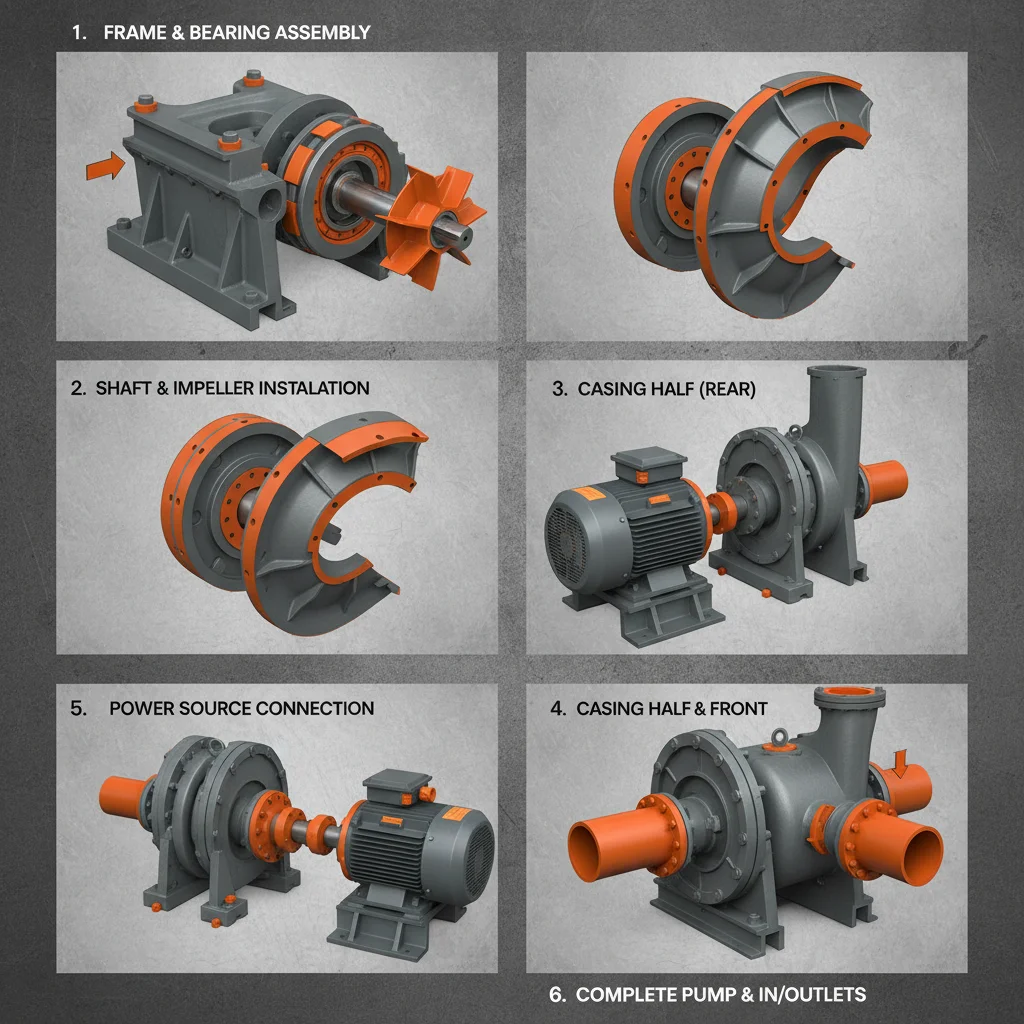
Slurry pumps, regardless of their specific type, share several core components critical to their operation. The impeller is the rotating component that imparts energy to the slurry, propelling it through the pump. Impeller designs vary widely, with common options including closed, open, and semi-open impellers, each suited to different slurry characteristics. The casing houses the impeller and directs the flow of slurry. The casing material is often chosen for its abrasion resistance.

The mechanical seal is vital for preventing leakage and protecting the pump's internal components. Slurry pumps often employ specialized seal designs to withstand the abrasive nature of the slurry. The shaft transmits the rotational power from the motor to the impeller. The bearings support the shaft and allow it to rotate smoothly. Finally, the volute, a spiral-shaped casing surrounding the impeller, helps to collect and direct the slurry flow efficiently.

Material selection for each component is paramount. High-chrome cast iron, stainless steel, and specialized polymers are commonly used to resist abrasion, corrosion, and erosion. The choice of materials directly impacts the pump’s longevity and performance in demanding slurry applications.

Key Factors Influencing Slurry Pump Selection

Selecting the appropriate slurry pump type requires careful consideration of several key factors. Slurry characteristics – including particle size, concentration, specific gravity, and abrasiveness – are paramount. The flow rate and head (pressure) requirements of the application must also be determined accurately. The pumping distance and elevation changes will impact the head requirement.

Furthermore, the chemical composition of the slurry plays a crucial role in material selection. Corrosive slurries necessitate pumps constructed from corrosion-resistant materials. The operating temperature and pressure also influence pump selection. Finally, the total cost of ownership – including initial cost, maintenance, and energy consumption – should be carefully evaluated.

Slurry Pump Type Performance Comparison

Real-World Applications of Slurry Pumps

Slurry pump types find widespread use in the mining industry, specifically for transporting ore slurries from the mine site to processing plants. In the energy sector, they are employed in handling drilling mud and produced water during oil and gas extraction. Wastewater treatment plants utilize them to move sludge, grit, and other solids efficiently.

In remote industrial zones, where access to maintenance and spare parts may be limited, robust and reliable slurry pumps are essential. In post-disaster relief operations, they can be deployed to remove debris and sediment from flooded areas, aiding in recovery efforts. Furthermore, in agricultural settings, slurry pumps are used to handle manure and other organic waste materials.

Advantages and Long-Term Value Proposition

The advantages of employing the correct slurry pump types extend beyond immediate operational efficiency. Reduced maintenance costs, stemming from wear-resistant materials and robust design, contribute significantly to long-term cost savings. Improved reliability minimizes downtime and enhances productivity. Energy efficiency reduces operational expenses and lowers the environmental footprint.

Beyond the tangible benefits, there's a strong value proposition around safety and environmental responsibility. Reliable slurry handling systems prevent leaks and spills, protecting workers and the environment. The use of sustainable materials and energy-efficient designs aligns with corporate social responsibility goals and fosters a positive brand image. Investing in quality slurry pumps is an investment in long-term operational sustainability and responsible resource management.

Future Trends and Innovations in Slurry Pump Technology

The future of slurry pump types is being shaped by several key trends. The development of new materials, such as advanced ceramics and composite polymers, promises to enhance abrasion and corrosion resistance. The integration of smart sensors and predictive maintenance technologies will enable proactive maintenance, minimizing downtime and maximizing pump lifespan.

Digitalization and remote monitoring are also gaining prominence, allowing operators to track pump performance in real-time and optimize operation. The increasing focus on sustainability is driving the development of energy-efficient pump designs and the use of renewable energy sources to power slurry pumping systems. Automation and robotics are expected to play a larger role in slurry handling operations, reducing manual labor and improving safety.

Summary of Key Attributes for Selecting Optimal Slurry Pump Types

Slurry Characteristics Pump Type Suitability Maintenance Frequency Initial Cost (1-10)
High Solids Concentration, Abrasive Centrifugal (High Chrome) Moderate 6
Low Solids Concentration, Corrosive Positive Displacement (Rubber Lined) Low 8
Fine Particles, Low Abrasiveness Diaphragm High 4
Variable Flow, High Head Vertical Turbine Moderate 7
Slurries Requiring Gentle Handling Peristaltic Low 5
Slurries needing classification Hydrocyclone Minimal 3

FAQS

What are the key differences between centrifugal and positive displacement slurry pumps?

Centrifugal slurry pumps are best suited for high-volume, low-to-medium head applications with less viscous slurries. They are generally more affordable and easier to maintain. Positive displacement pumps, conversely, excel at handling highly viscous slurries and delivering consistent flow rates regardless of pressure changes, making them ideal for dosing or applications requiring precise control, but typically come with higher upfront costs and more complex maintenance requirements.

How do I choose the right material for a slurry pump handling a highly corrosive fluid?

Selecting the right material is crucial when dealing with corrosive slurries. Common choices include stainless steel alloys (like 316SS), high-nickel alloys (like Hastelloy), and specialized polymers such as PTFE or UHMWPE. The specific material selection depends on the type of corrosive agent, its concentration, temperature, and the abrasion level of the slurry. Consulting with a pump manufacturer’s materials expert is highly recommended.

What is the importance of impeller design in slurry pump performance?

Impeller design significantly impacts a slurry pump’s ability to handle solids and maintain efficiency. Open impellers are preferred for slurries with large solids content, as they minimize clogging. Closed impellers are more efficient for cleaner slurries. Semi-open impellers provide a compromise. The impeller’s geometry, vane angle, and material also influence pump performance, wear resistance, and energy consumption.

How can I minimize wear and extend the lifespan of my slurry pump?

Several strategies can minimize wear. Selecting the correct materials for the slurry’s composition is paramount. Regular inspections and preventative maintenance, including bearing lubrication and seal replacement, are essential. Minimizing abrasive particle size through pre-treatment or classification can also reduce wear. Furthermore, optimizing pump speed and flow rate can help reduce erosion and prolong pump life.

What are the benefits of using variable frequency drives (VFDs) with slurry pumps?

Variable Frequency Drives (VFDs) offer significant benefits when used with slurry pumps. They allow for precise control of pump speed, enabling optimization of flow rate and pressure based on process demands. VFDs can reduce energy consumption, minimize wear and tear on the pump, and prevent issues like cavitation and clogging. This leads to lower operating costs and increased pump reliability.

How do I determine the correct pump size for my slurry application?

Determining the correct pump size requires a thorough assessment of several factors, including the slurry flow rate, head pressure, specific gravity, viscosity, and solids content. You’ll need to calculate the total dynamic head (TDH), accounting for static lift, friction losses in piping, and any pressure requirements at the discharge point. Consulting with a pump specialist or utilizing pump sizing software can help ensure accurate selection.

Conclusion

In conclusion, understanding slurry pump types is paramount for efficient, reliable, and sustainable operation across numerous industries. From selecting the appropriate pump type based on slurry characteristics to implementing preventative maintenance strategies and embracing innovative technologies, a comprehensive approach is essential for maximizing performance and minimizing lifecycle costs. The ability to effectively manage slurries has direct impacts on operational efficiency, environmental protection, and overall profitability.

Looking forward, the continued development of advanced materials, smart sensors, and digitalization will further revolutionize slurry pump technology. Investing in these innovations and prioritizing operator training will be critical for addressing the evolving challenges of slurry handling in a rapidly changing world. For comprehensive information and expert assistance in selecting the right slurry pump for your application, visit our website: www.hihornpump.com.

Victor Sterling

Victor Sterling

Victor Sterling is Hihorn Pump’s Senior Metallurgist. He is responsible for the material science behind our pumps’ exceptional corrosion and wear resistance. Victor has a PhD in Materials Science and Engineering and specializes in the application of advanced alloys in demanding industrial environments. Prior to Hihorn, Victor worked extensively in
Previous Comprehensive Guide to Slurry Pump for Sale and Industrial Applications
Next Comprehensive Guide to Sludge Pump Types Applications and Selection

If you are interested in our products, you can choose to leave your information here, and we will be in touch with you shortly.