Slurry pumps are indispensable components in a vast array of industrial processes, playing a crucial role in the efficient and reliable transportation of abrasive and dense fluids. From mining and mineral processing to wastewater treatment and chemical industries, the demand for robust and effective slurry pumping solutions continues to grow globally. Understanding the principles behind these pumps and their diverse applications is paramount for optimizing operations and reducing downtime in critical infrastructure.
The global slurry pump market is experiencing significant expansion, driven by increasing investments in infrastructure development, particularly in emerging economies. According to a report by Market Research Future, the global slurry pump market is projected to reach USD 5.8 billion by 2030, growing at a CAGR of 4.5% from 2022 to 2030. This growth is fueled by the increasing need for efficient handling of slurries in industries such as oil & gas, power generation, and construction.
The effective management of slurries is crucial for maintaining operational efficiency and environmental compliance. A slurry pump provides a solution to this challenge, enabling the safe and reliable transfer of these complex fluids across various industrial applications. Choosing the right slurry pump is therefore vital for ensuring long-term performance and cost-effectiveness.
Understanding Slurry Pump Fundamentals
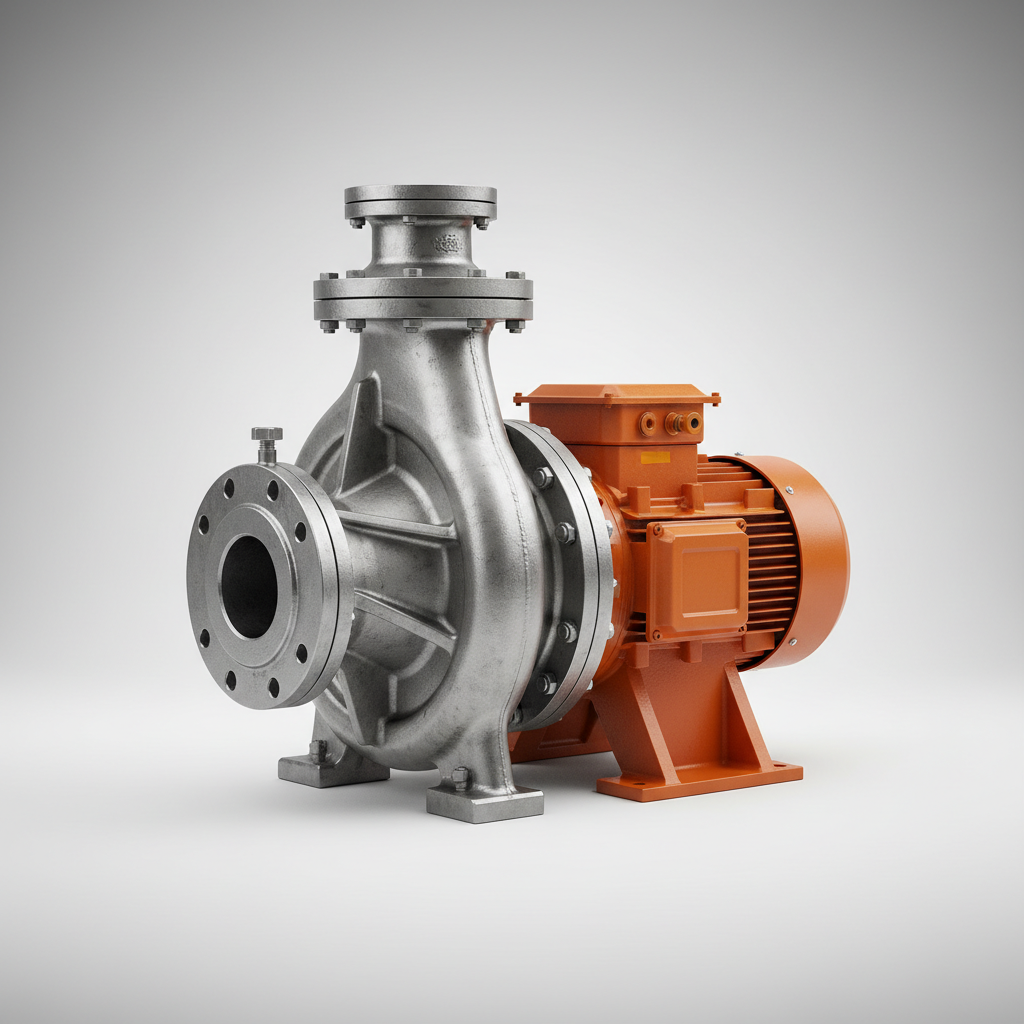
A slurry pump is a specialized type of pump designed to move mixtures of liquids and solid particles. These solids can range from fine silt to large gravel, and the concentration of solids within the slurry can vary greatly. Unlike standard water pumps, slurry pumps are built to withstand the abrasive wear and tear caused by the suspended solids.
The selection of the correct slurry pump for a given application depends on several factors, including the slurry’s composition, particle size, concentration, flow rate, and the required head pressure. Understanding these parameters is essential for maximizing pump efficiency and lifespan, and minimizing operational costs. Choosing a slurry pump is a crucial investment for any industry dealing with abrasive fluids.
Defining Slurry Pump Technology
Slurry pump technology evolved to meet the demands of industries handling abrasive materials. Early pumping solutions often failed quickly due to wear and corrosion. The development of more robust materials, such as high-chrome alloys and specialized rubber linings, significantly improved the durability and lifespan of these pumps. Positive displacement pumps and centrifugal pumps are the two main types used in slurry applications, each with advantages and disadvantages.
Centrifugal slurry pumps are the most commonly used type, known for their ability to handle large volumes of slurry and their relatively simple design. However, they are sensitive to changes in head and flow rate. Positive displacement pumps, such as diaphragm and progressing cavity pumps, offer consistent flow rates and are ideal for viscous slurries, but are generally more expensive and have lower flow capacities.
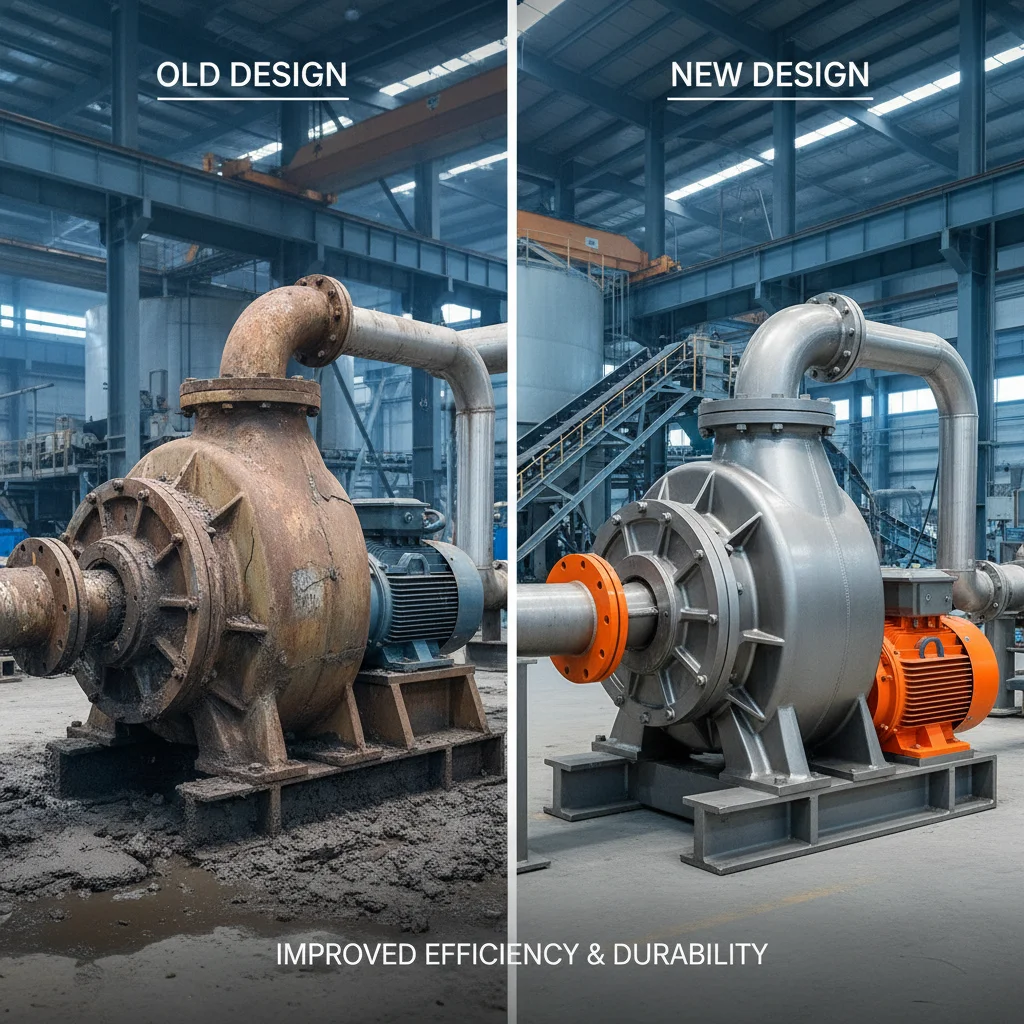
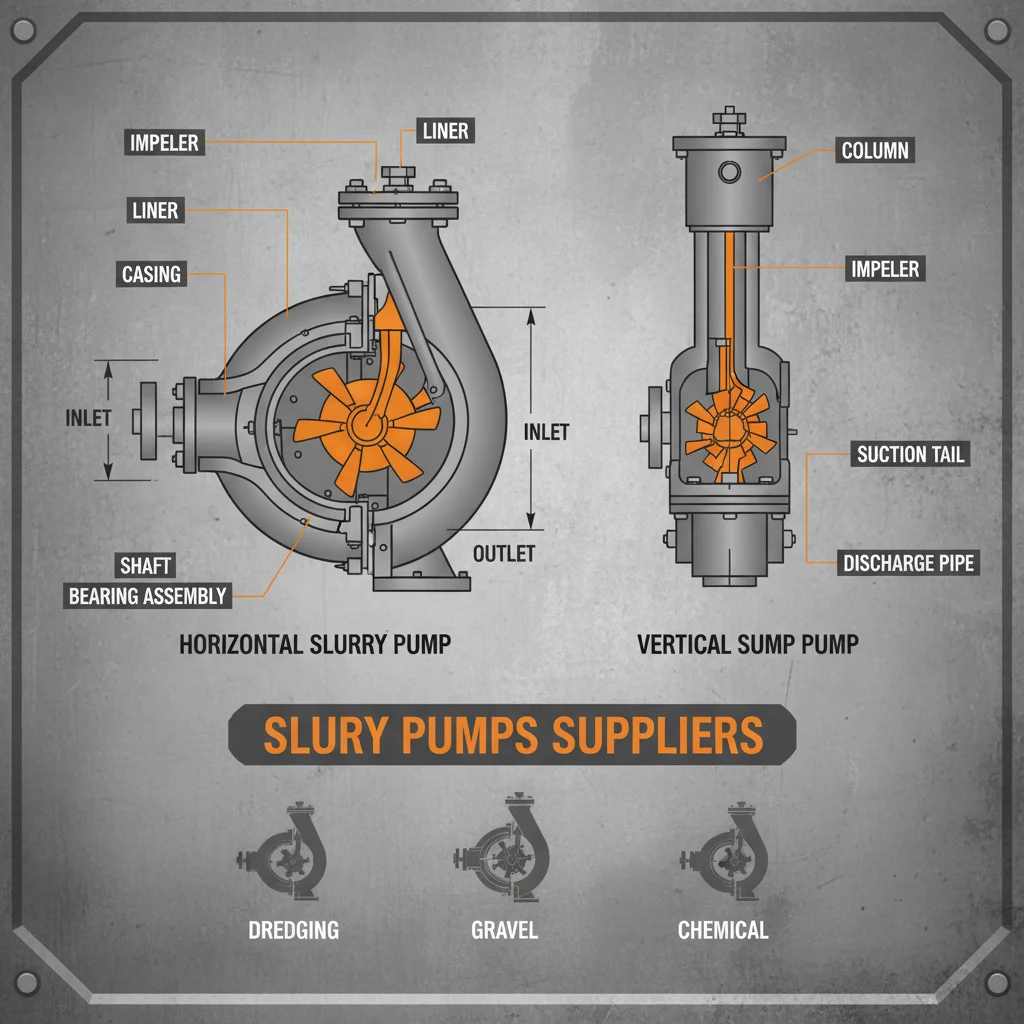
Modern slurry pumps incorporate advanced design features, such as wear-resistant impellers, optimized volute casings, and robust shaft seals, to maximize performance and minimize maintenance requirements. Ongoing research and development continue to refine slurry pump technology, leading to even more efficient and reliable solutions.
Key Components & Performance Factors
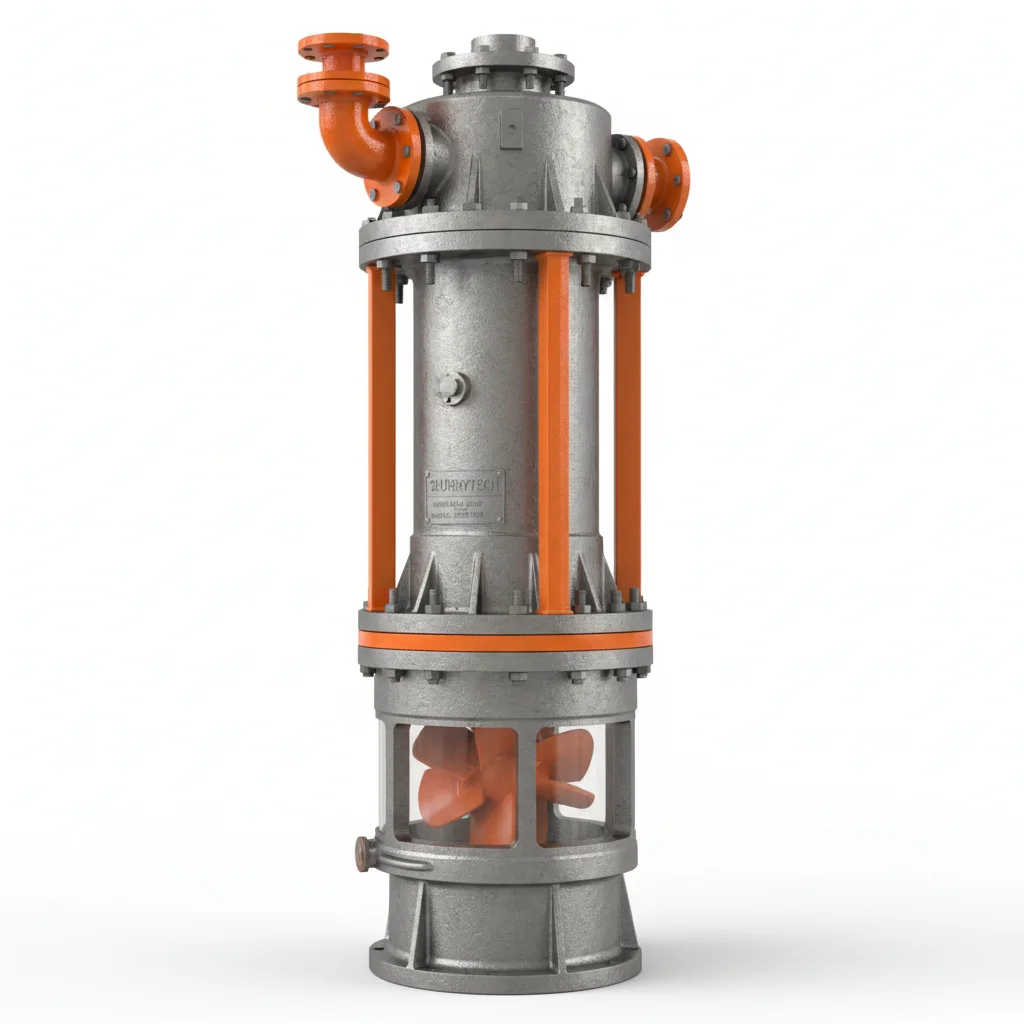
The core components of a slurry pump significantly impact its performance and longevity. The impeller is the rotating element that imparts energy to the slurry, while the volute casing collects the fluid and directs it towards the discharge. The shaft transmits power from the motor to the impeller, and the seals prevent leakage around the shaft.
Several performance factors determine the effectiveness of a slurry pump. These include flow rate (the volume of slurry pumped per unit of time), head (the pressure the pump can generate), and efficiency (the ratio of power output to power input). Selecting a pump with the appropriate characteristics for the specific application is crucial for maximizing performance and minimizing energy consumption.
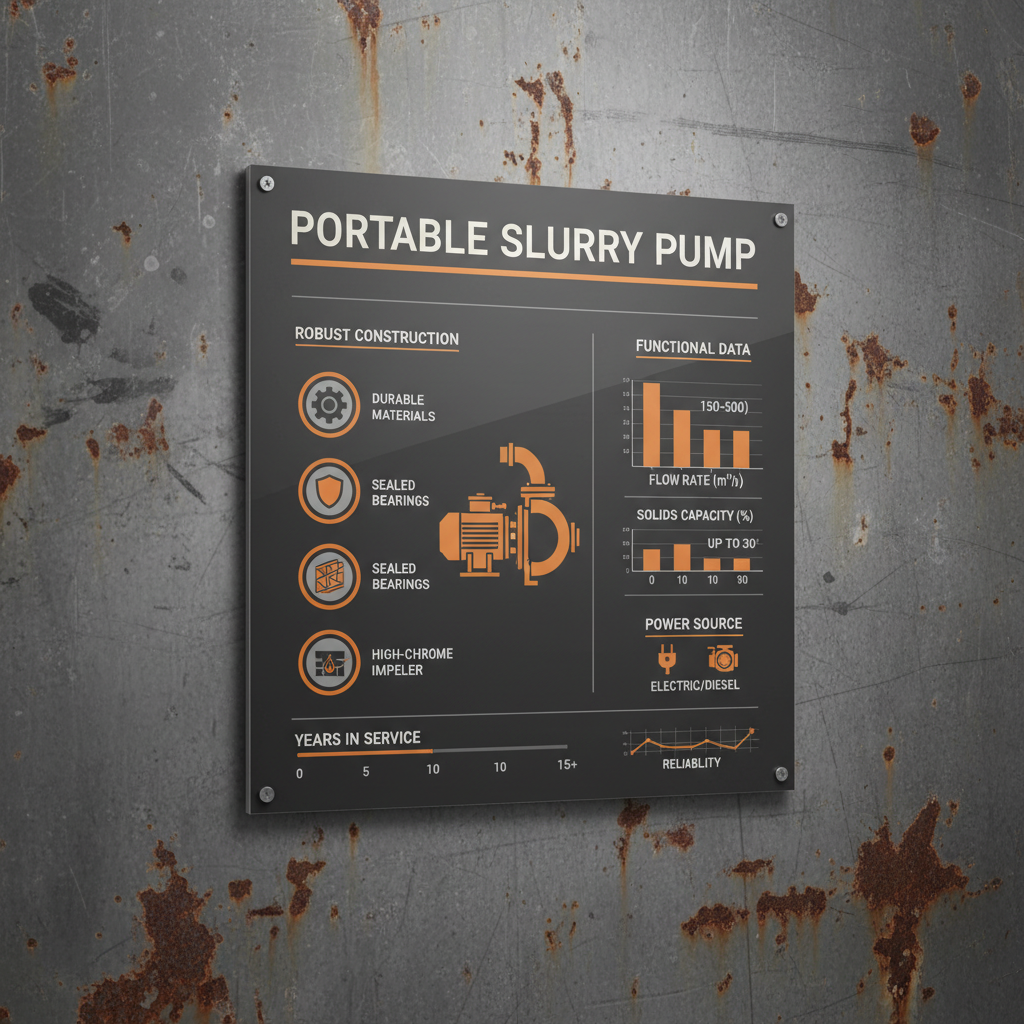
Material selection is another key factor. The materials used in the pump's construction must be resistant to the abrasive and corrosive nature of the slurry. Common materials include high-chrome alloys, rubber linings, and ceramic coatings. Proper material selection extends the pump’s lifespan and reduces maintenance costs.
Slurry Pump Applications Across Industries
Slurry pumps are vital in the mining industry for transporting ore slurries from the mine to the processing plant. They are also widely used in the oil and gas industry for handling drilling mud and produced water. In the power generation sector, slurry pumps are crucial for removing ash from coal-fired power plants.
Wastewater treatment plants rely on slurry pumps to move sludge and other solid-laden fluids. The chemical processing industry utilizes these pumps for handling a variety of abrasive and corrosive chemicals. Furthermore, slurry pumps are found in dredging operations, construction sites, and various other industrial applications.
Geographically, the demand for slurry pumps is particularly strong in regions with significant mining and industrial activity, such as Australia, China, Brazil, and the United States. These areas require reliable and efficient slurry handling solutions to support their economic growth.
Slurry Pump Performance Comparison
Advantages & Return on Investment
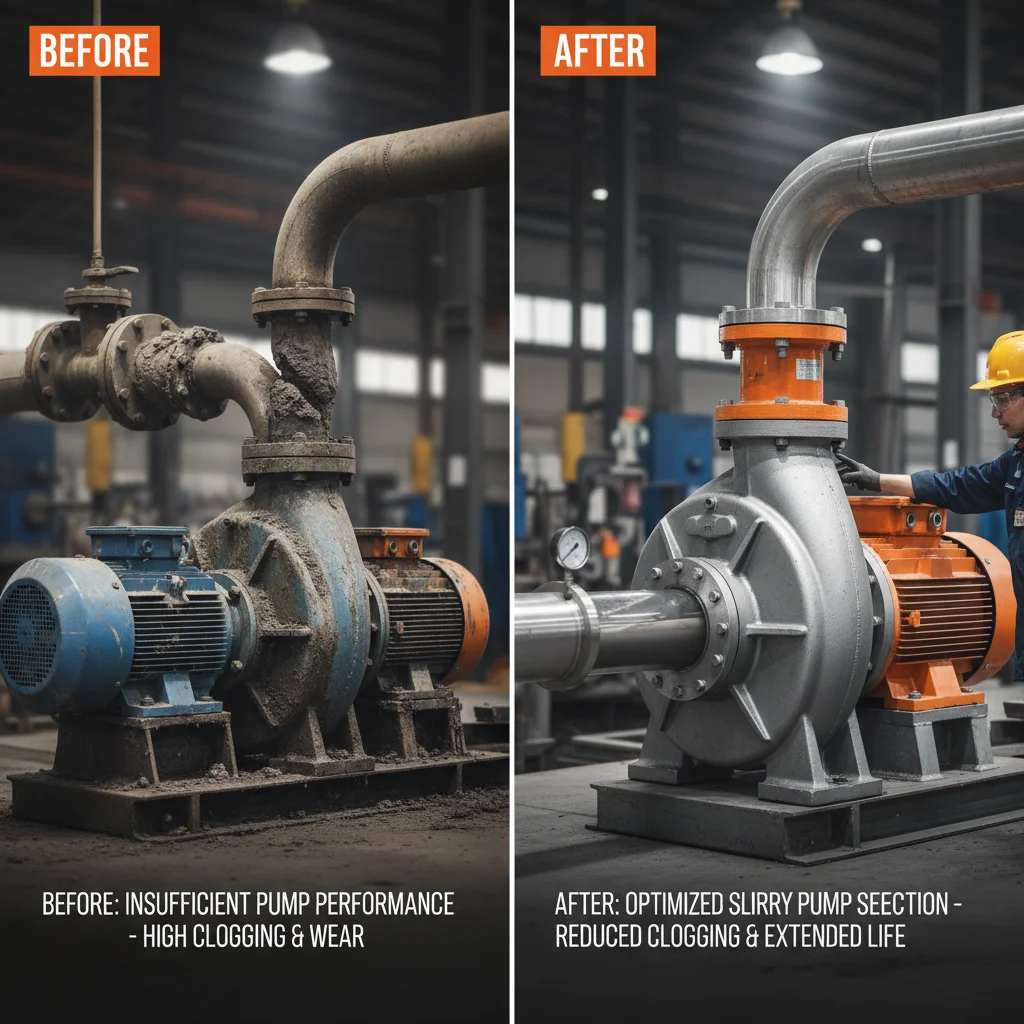
Investing in a high-quality slurry pump offers several tangible benefits, including reduced downtime, lower maintenance costs, and increased operational efficiency. A properly selected pump can handle abrasive slurries without premature wear, minimizing the need for frequent repairs and replacements.
From a sustainability perspective, efficient slurry pumping reduces energy consumption and minimizes environmental impact. The reliability and longevity of these pumps contribute to a more sustainable industrial process. The initial cost of a premium slurry pump is offset by the long-term savings in maintenance and replacement costs.
Future Trends in Slurry Pump Technology
The future of slurry pump technology is focused on enhancing efficiency, durability, and automation. The integration of smart sensors and data analytics allows for real-time monitoring of pump performance, predictive maintenance, and optimized operations. The development of new materials, such as advanced ceramics and composites, will further improve the wear resistance and corrosion resistance of slurry pumps.
The trend towards digitalization and remote monitoring is transforming the way slurry pumps are managed. Remote access to pump data allows operators to identify potential problems before they lead to failures, reducing downtime and maximizing productivity.
Sustainability is also driving innovation in slurry pump technology. Manufacturers are developing more energy-efficient pumps and exploring alternative materials to reduce the environmental impact of slurry handling operations.
Challenges & Innovative Solutions
Despite advancements in slurry pump technology, several challenges remain. Abrasive wear, corrosion, and solids buildup continue to be significant issues. Cavitation, caused by the formation of vapor bubbles in the slurry, can also damage pump components.
Innovative solutions are being developed to address these challenges. These include the use of advanced coatings, improved impeller designs, and optimized sealing systems. The implementation of smart monitoring systems allows for early detection of cavitation and other performance issues.
Furthermore, the development of more robust and reliable materials, coupled with advancements in pump design, is enabling slurry pumps to operate more efficiently and effectively in harsh environments.
Summarizing Key Challenges & Solutions in Slurry Pump Technology
| Challenge Area |
Root Cause |
Current Solutions |
Future Innovations |
| Abrasive Wear |
Impact of solid particles |
Hard materials, wear-resistant linings |
Self-repairing materials, advanced coatings |
| Corrosion |
Chemical reaction with slurry |
Corrosion-resistant alloys, rubber linings |
Novel alloy compositions, protective polymers |
| Solids Buildup |
Slurry deposition in pump casing |
Optimized casing designs, flushing systems |
Anti-fouling coatings, automated cleaning systems |
| Cavitation |
Vapor bubble formation due to low pressure |
Improved impeller designs, NPSH optimization |
Real-time cavitation detection, variable speed drives |
| Energy Consumption |
Inefficient pump operation |
High-efficiency motors, VFDs |
AI-powered pump control, energy recovery systems |
| Maintenance Costs |
Frequent repairs & replacements |
Predictive maintenance, durable materials |
Remote monitoring, automated diagnostics |
FAQS
Centrifugal slurry pumps are overwhelmingly the most common choice in mining. Their robust design, ability to handle high flow rates, and relatively low maintenance requirements make them ideal for transporting ore slurries over long distances. While positive displacement pumps have specific applications, centrifugal pumps offer a cost-effective and reliable solution for the majority of mining slurry handling needs.
Determining the correct slurry pump requires a thorough understanding of your specific application. Key factors include the slurry’s composition (particle size, concentration, density), flow rate, head pressure, and the distance the slurry needs to be transported. Consult with a slurry pump specialist to analyze these parameters and recommend the optimal pump type and size. Providing a sample of the slurry for testing is highly recommended.
In corrosive environments, selecting the right materials is crucial. High-chrome alloys are commonly used for their excellent abrasion resistance, while rubber linings provide protection against corrosion. For highly corrosive slurries, specialized materials like stainless steel, duplex stainless steel, or ceramic coatings may be necessary. Consider the specific chemical composition of the slurry to determine the most appropriate material.
Preventative maintenance is key to extending the life of your slurry pump. Regularly inspect the impeller, casing, and seals for signs of wear. Ensure proper alignment and lubrication. Monitor slurry composition and concentration, and adjust pump operation accordingly. Consider implementing a predictive maintenance program based on sensor data to identify potential problems before they lead to failures.
Variable frequency drives (VFDs) offer significant benefits when used with slurry pumps. They allow you to adjust the pump’s speed to match the flow rate requirements, resulting in energy savings and reduced wear and tear. VFDs can also provide soft starting and stopping, minimizing stress on the pump and motor. This improves the overall efficiency and reliability of the pumping system.
Recent advancements in slurry pump sealing technology focus on improving reliability and reducing leakage. Mechanical seals with advanced materials and designs are now commonly used. Magnetic drive pumps, which eliminate the need for a shaft seal altogether, are also gaining popularity. These newer sealing solutions minimize the risk of contamination and offer enhanced performance in harsh environments.
Conclusion
In conclusion, slurry pumps are essential components for a wide range of industrial applications, providing reliable and efficient solutions for handling abrasive and dense fluids. Understanding their fundamentals, key components, and performance factors is critical for optimizing operations and minimizing costs. The ongoing advancements in materials, design, and automation are driving continuous improvements in slurry pump technology.
Looking ahead, the demand for slurry pumps will continue to grow as industries expand and infrastructure development accelerates. Investing in high-quality, well-maintained slurry pumps is crucial for ensuring long-term operational efficiency and sustainability. For comprehensive slurry pump solutions and expert guidance, visit our website at www.hihornpump.com.